What Are the Most Invasive Plants in Australia? A Comprehensive Guide to Identifying and Managing Them

Invasive plants pose a significant threat to Australia's unique ecosystems, often outcompeting native flora and disrupting local wildlife. Understanding which species are the most invasive is crucial for effective management and conservation efforts. This comprehensive guide aims to provide readers with essential knowledge on identifying the most problematic invasive plants in Australia, their ecological impacts, and practical strategies for controlling their spread. By recognizing and addressing these invasive species, we can protect Australia’s rich biodiversity and restore balance to its natural landscapes. Join us as we explore the characteristics and management of these unwelcome botanical intruders.
What are the Most Invasive Plants in Australia?
Australia is home to a variety of invasive plant species that pose significant threats to its unique ecosystems, agriculture, and biodiversity. Among the most problematic are the cane toad, lantana, and gorse, which outcompete native flora for resources and disrupt habitats. These invasive species thrive in diverse environments, from coastal regions to inland areas, and their rapid growth and reproduction rates allow them to spread quickly, making management efforts crucial to protecting Australia’s natural landscapes.
Cane Toad
The cane toad (Rhinella marina) was introduced to Australia in the 1930s in an attempt to control agricultural pests. However, its presence has had adverse effects on local fauna due to its toxic secretions that can be fatal to native predators. As a result, the cane toad has rapidly expanded its territory across Queensland, New South Wales, and other regions, significantly impacting local biodiversity.
Lantana
Lantana (Lantana camara) is another highly invasive plant that affects Australia's landscapes. Originally brought in for ornamental gardening, it has spread aggressively and can quickly cover large areas, outcompeting native plants. The dense thickets formed by lantana provide poor habitat for native wildlife and can lead to significant biodiversity loss in affected regions.
Gorse
Gorse (Ulex europaeus), a spiny shrub introduced from Europe, is notorious for its ability to invade pastures and forests in Australia. Its rapid growth and ability to thrive in poor soils make it a formidable opponent against native vegetation. Gorse not only affects agriculture by reducing land availability but also increases the risk of wildfires due to its flammable nature.
Buffel Grass
Buffel grass (Cenchrus ciliaris) was introduced to improve grazing lands but has instead become a major invasive species, particularly in arid regions. Its extensive root system and ability to outcompete native grasses can lead to soil degradation and reduced ecosystem resilience. The dominance of buffel grass disrupts native habitats and can alter fire regimes, further threatening local biodiversity.
Blackberry
Blackberry (Rubus fruticosus aggregate) is an aggressive invader that flourishes in various environments across Australia. Initially brought for farming and erosion control, it now blankets waterways and open areas, outshading and smothering native plants. The dense thickets formed by blackberry impede access and harm ecosystems, as they create barriers for wildlife movement and degrade the native landscape.
| Plant Species | Impact | Region Affected |
|---|---|---|
| Cane Toad | Toxicity affecting wildlife | Queensland, NSW |
| Lantana | Outcompetes native flora | Various regions |
| Gorse | Reduces grazing land | South and Western Australia |
| Buffel Grass | Soil degradation | Arid regions |
| Blackberry | Impedes wildlife access | Various regions |
What are the most common invasive species in Australia?
Overview of Invasive Species in Australia
Invasive species in Australia have significantly disrupted local ecosystems and biodiversity. These organisms, often introduced either accidentally or intentionally, can thrive in environments that are not their native habitats. The consequences include competition with native species, predation, and habitat alteration. Some of these invasive species have developed survival strategies that make them particularly resilient to local conditions. The most common invasive species in Australia can be broadly classified into plants, animals, and pathogens.
Common Invasive Plant Species
One of the major groups of invasive species in Australia consists of plants that outcompete native flora and alter habitats. Some of the most problematic species include:
- Rubus fruticosus (Blackberry) - Competes aggressively with native vegetation.
- Acacia dealbata (Silver Wattle) - A fast-growing tree that can dominate local ecosystems.
- Ochna serrulata (Mickey Mouse Plant) - Forms dense thickets that hinder native growth.
These plants compromise local biodiversity and, in some cases, can trigger soil erosion and change soil chemistry.
Invasive Animal Species
Invasive animals pose a significant threat to Australia's unique wildlife. Among the most notorious are:
- Canis lupus familiaris (Domestic Dog) - Particularly feral dogs that prey on native wildlife.
- Felis catus (Domestic Cat) - Known to impact bird and small mammal populations severely.
- Rattus rattus (Black Rat) - Competes with and preys on native species.
These animals disrupt food chains and can contribute to declines in native species populations.
Invasive Insect Species
Insects also play a major role as invasive species, often outcompeting or preying on native insect populations. Some critical examples include:
See also:
- Apis mellifera (Honeybee) - Competes with native pollinators such as native bees.
- Red Imported Fire Ant - Aggressive and can impact native ant species and other organisms.
- Helicoverpa armigera (Cotton Bollworm) - A pest that disrupts agricultural systems but can outcompete local insects.
These invasive insects can lead to ecological imbalance and can be damaging to both native flora and agricultural practices.
Invasive Marine Species
Australia's marine environments are also susceptible to invasion. Common invasive species here include:
- Corynechthys amboinensis (Ambon Sea Snake) - A predator that can impact local fish populations.
- Caulerpa taxifolia (Killer Alga) - Alters the underwater habitats significantly.
- Mytilus galloprovincialis (Mediterranean Mussel) - Competes with native bivalve species, affecting biodiversity.
The introduction of these species can lead to changes in marine food webs and habitat structure.
Impact of Invasive Species on Biodiversity
The impact of invasive species on Australia's biodiversity is profound and multifactorial. Key issues include:
- Species Extinction - Many native species have become endangered due to competition and predation.
- Habitat Degradation - Invasive species can alter physical environments, making them less hospitable to native wildlife.
- Economic Costs - Managing invasive species incurs significant costs in conservation and agricultural sectors.
Overall, the presence of invasive species threatens not only individual species but the health of entire ecosystems.
What are the top 5 plants in Australia?
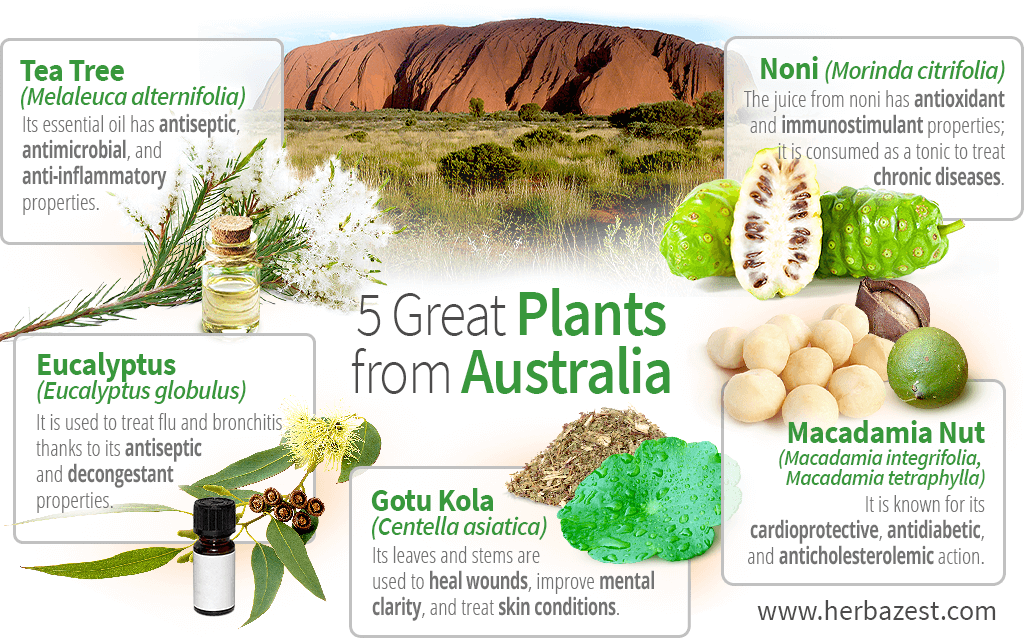
The top five plants in Australia are well-known for their uniqueness and adaptability to the diverse climates found across the continent. These plants highlight the incredible biodiversity of Australia and have significant ecological and cultural importance.
Eucalyptus
Eucalyptus trees are one of the most iconic plants of Australia. They are well adapted to the varying Australian climates and soil types. Eucalyptus is not only a source of essential oils but also provides habitat and food for various wildlife, including koalas.
- Diverse Species: Over 700 species, including the famous Eucalyptus globulus (Tasmanian Blue Gum).
- Fast Growth: Some Eucalyptus species can grow rapidly, making them significant for timber and reforestation efforts.
- Adaptability: Thrive in a range of habitats, from arid deserts to lush forests.
Acacia
Acacias, also known as wattles, are another prevalent group of plants in Australia. Characterized by their bright yellow flowers and fern-like foliage, they play a crucial role in stabilizing the soil and providing nectar for native bees.
- Ecological Importance: Aid in nitrogen fixation, enriching the soil.
- Diversity: Approximately 1,000 species, which vary widely in form and habitat.
- Cultural Significance: The golden wattle (Acacia pycnantha) is the national floral emblem of Australia.
Kangaroo Paw
Kangaroo paw (Anigozanthos) is a native Australian flower admired for its unique appearance and bright colors. It attracts various pollinators, particularly birds, and is often used in landscaping due to its ornamental value.
- Unique Flowers: The tubular shape of the flowers resembles a kangaroo's paw, hence the name.
- Varieties: Several species, including the red and green kangaroo paw (Anigozanthos manglesii).
- Adaptation: Thrives in well-drained soils and is tolerant of drought, making it perfect for Australian gardens.
Banksia
Banksias are renowned for their striking flower spikes and foliage. These plants are vital for Australian ecosystems, providing food for a variety of wildlife, including honey-eating birds.
- Species Diversity: More than 170 species available across various regions.
- Ecological Role: Their nectar-rich flowers are a primary food source for birds and insects.
- Fire Adaptation: Many Banksia species have adapted to survive bushfires and depend on fire for seed germination.
Bottlebrush
Bottlebrush (Callistemon) plants are famous for their striking, brush-like flowers that bloom in various colors, including red, pink, and yellow. These plants are hardy and often used for erosion control and landscaping.
- Pollinator Attraction: The nectar-rich flowers attract bees, birds, and other pollinators.
- Varieties: Numerous species and cultivars making them popular in gardens worldwide.
- Native Habitat: Adapted to various environments, from coastal areas to riverbanks, showcasing their versatility.
What is the world's most invasive plant?
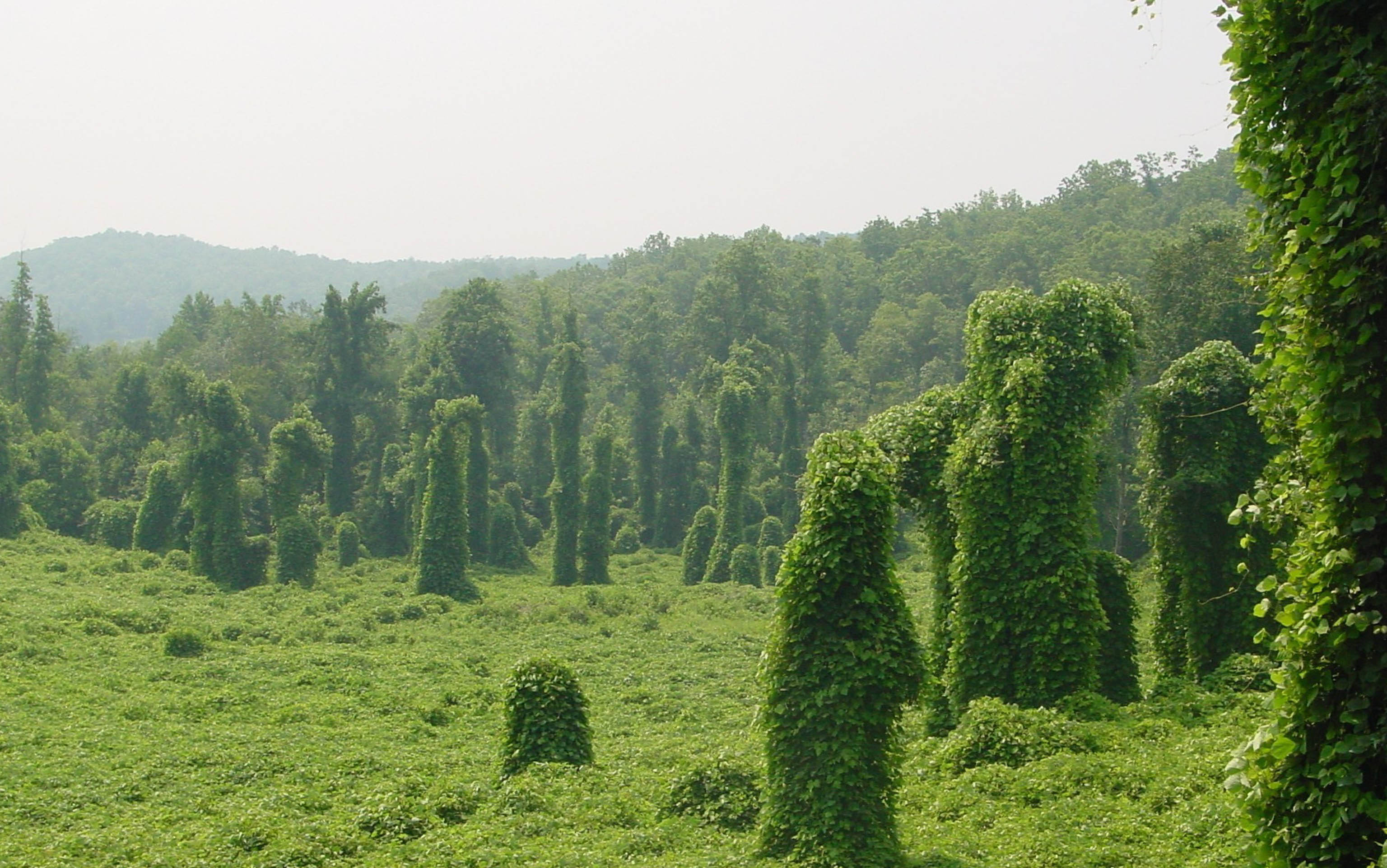
The world's most invasive plant is widely regarded as Giant Hogweed (Heracleum mantegazzianum). This species, native to the Caucasus region of Eurasia, has garnered attention due to its aggressive growth and the significant impact it has on local ecosystems. Introduced to various parts of the world, including North America and parts of Europe, Giant Hogweed can grow up to 14 feet tall, with large, umbrella-like flower clusters that can spread thousands of seeds.
See also:
The Characteristics of Giant Hogweed
Giant Hogweed is characterized by its striking physical features, making it easily identifiable.
- Height: It can reach heights of up to 14 feet.
- Leaves: The leaves can be as large as 5 feet across and are deeply lobed.
- Flowers: Its cluster of white flowers resembles an umbrella, growing up to 2.5 feet in diameter.
Impact on Ecosystems
The invasion of Giant Hogweed can disrupt local ecosystems in multiple ways.
- Displacement: It outcompetes native plants for sunlight, nutrients, and space.
- Habitat Alteration: The dense growth can alter habitats, affecting local wildlife.
- Soil Erosion: Its vast root systems can destabilize soils, leading to increased erosion.
Human Health Risks
Giant Hogweed poses significant health risks to humans due to its toxic sap.
- Phototoxic Reaction: Contact with the sap can cause severe skin burns, especially when exposed to sunlight.
- Long-lasting Effects: The effects of the burns can lead to permanent scarring and skin sensitivities.
- Emergency Treatment: Immediate medical attention is often required for severe reactions.
Control and Management
Managing the spread of Giant Hogweed involves various control methods.
- Mechanical Removal: Physical removal of the plant, including roots, can reduce its population.
- Chemical Treatments: Herbicides can be effective but require careful application to minimize environmental impact.
- Public Awareness: Educating the public about identifying and reporting sightings can aid in control efforts.
Regulatory Measures
Many regions have implemented regulations to control the spread of Giant Hogweed.
- Invasive Species Laws: Legislation may prohibit the planting or sale of Giant Hogweed.
- Monitoring Programs: Ongoing monitoring helps track the spread and effectiveness of control measures.
- Community Involvement: Local groups often participate in eradication efforts to protect native ecosystems.
Which plants are banned in Australia?

Australia has strict regulations regarding the importation and cultivation of certain plants. This is to protect its unique ecosystems, agriculture, and public health. The following are key points regarding banned plants in Australia.
Invasive Plant Species
Many plants are banned in Australia because they are classified as invasive species. These plants can cause significant damage to the environment, human health, and economic stability. Invasive species often outcompete native plants for resources, leading to loss of biodiversity.
- Lantana: Once introduced for ornamental purposes, it has spread widely and is difficult to control.
- Bridal Creeper: This plant smothers native vegetation and is highly problematic in rural areas.
- Cape Weed: An invasive herb that outcompetes native grasses, affecting livestock grazing.
Regulatory Framework
The regulatory framework governing banned plants in Australia is managed by both federal and state governments. The primary legislation is the Biosecurity Act, which prohibits the importation and distribution of specific plant species deemed harmful.
- National Environmental Alert Lists: These lists include species that are considered a threat to the environment.
- State-Specific Bans: Each state has its own regulations that may ban additional species based on regional needs.
- Community Reporting: Citizens are encouraged to report sightings of banned plants to aid in management efforts.
Effects on Agriculture
Banned plants can have serious effects on agriculture. They may reduce crop yields, compete for nutrients, and spread diseases among native plants. Farmers face economic losses due to crop abandonment and the high costs of management.
- Reduced Crop Yield: Invasive plants can outcompete crops for water and nutrients.
- Increased Management Costs: Farmers need to invest in control measures, diverting funds from other agricultural needs.
- Market Access Issues: Some crops may be rejected in markets that enforce strict biosecurity measures.
Public Health Concerns
Certain banned plants also pose public health concerns. They can lead to allergies, skin irritations, and other health issues. Additionally, invasive plants may harbor pests that can affect human and animal health.
- Allergic Reactions: Many people experience reactions to pollen from invasive species.
- Toxicity: Some plants, like Giant Hogweed, can cause serious skin burns.
- Pest Vectors: Invasive plants can attract pests and diseases that spread to humans or livestock.
How to Report Invasive Species
Reporting invasive species helps in the management and eradication efforts. There are several ways for the public to report sightings of banned plants in their communities.
- Contact Local Authorities: Many local governments have specific departments for environmental management.
- Use Online Platforms: There are dedicated websites and mobile applications for invasive species reporting.
- Join Community Groups: Local conservation groups often organize efforts to monitor and control invasive plant populations.
Questions from Our Readers
What are the most invasive plants in Australia?
The most invasive plants in Australia include Lantana camara, Bindii (Soliva sessilis), Bamboo, and Pampas Grass (Cortaderia selloana). These species often outcompete native flora, causing significant ecological disruptions and threatening local biodiversity.
How do invasive plants affect the Australian ecosystem?
Invasive plants affect the Australian ecosystem by displacing native species, altering habitat structures, and changing water and nutrient cycles. This disruption can lead to a decline in native plant populations and the wildlife species that rely on them for survival.
See also:
What methods are used to control invasive plants in Australia?
Control methods for invasive plants in Australia include mechanical removal, herbicide application, and various biological control strategies. These approaches aim to manage and reduce the spread of invasive species while minimizing harm to native plants and animals.
Why is it important to manage invasive plant species?
Managing invasive plant species is crucial for protecting Australia’s biodiversity and maintaining healthy ecosystems. Control efforts help prevent the loss of native species, support agricultural productivity, and preserve the natural beauty of the landscape.

If you want to read more articles like What Are the Most Invasive Plants in Australia? A Comprehensive Guide to Identifying and Managing Them, we recommend you check out our Weeds category.
Leave a Reply
Related Articles