Ultimate Guide: How to Remove Old Grass Before Laying New Turf?
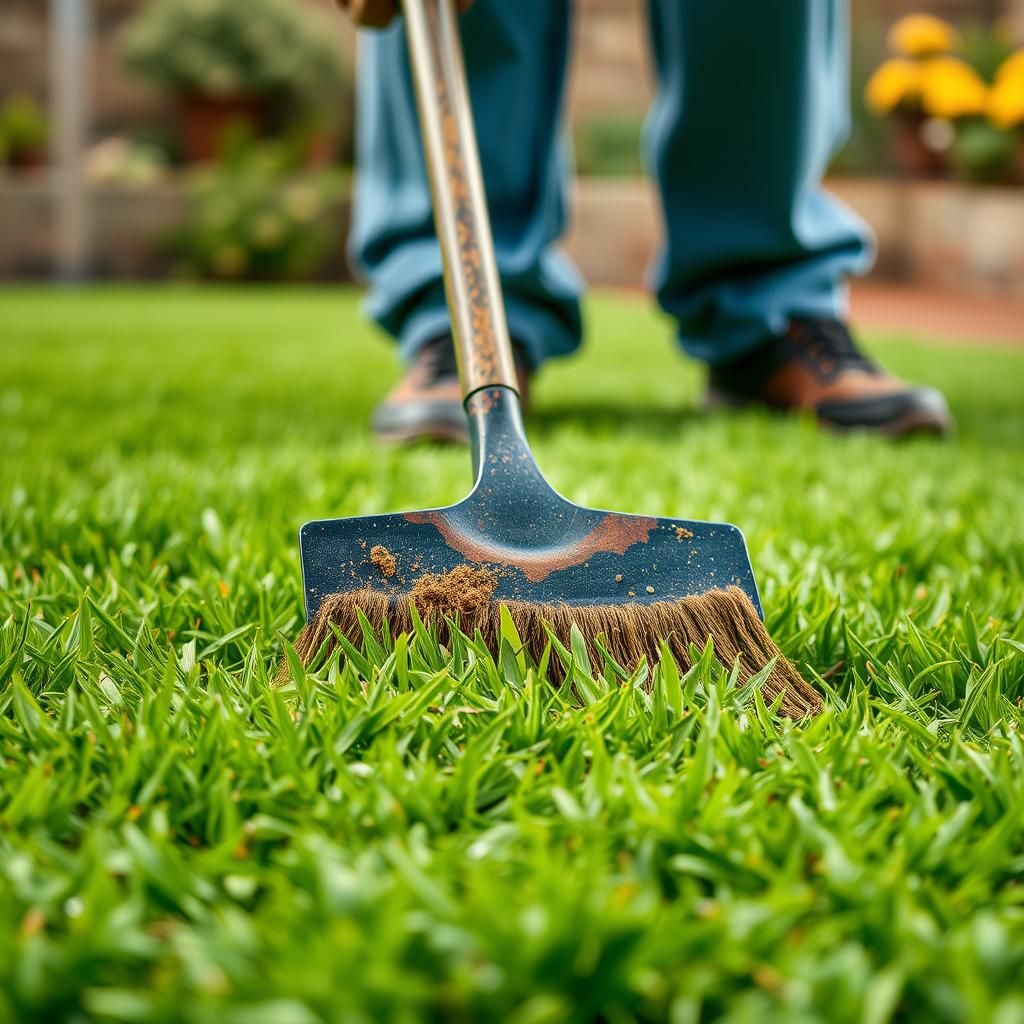
Removing old grass before laying new turf is a crucial step in ensuring a healthy and vibrant lawn. This process not only prepares the soil for optimal growth but also helps eliminate weeds, pests, and diseases that can hinder the success of your new sod. In this ultimate guide, we will explore various methods and tools to effectively remove old grass, discuss best practices for soil preparation, and provide tips on how to achieve a lush, green landscape. Whether you’re starting a new lawn or renovating an existing one, this comprehensive guide will equip you with the knowledge needed for a successful project.
How to Properly Remove Old Grass Before Laying New Turf
Before laying new turf, it's essential to properly remove the old grass to ensure healthy growth and establish a strong foundation. Start by assessing the area where your turf will be installed; this includes checking for any weeds or debris. Use a sod cutter or a shovel to carefully cut and lift the existing grass, making sure to remove it along with the root system, as this will help prevent regrowth. After removing the sod, it's crucial to clear the area of any remnants, rocks, or other obstacles that could hinder the new turf. Additionally, consider testing the soil for pH levels and nutrient content, as this will inform any necessary soil amendments before laying the new turf, promoting a vibrant and robust lawn.
Benefits of Removing Old Grass
Removing old grass before laying new turf has several benefits, including eliminating competition for resources, allowing for easier soil preparation, and reducing the risk of disease transmission from the old grass to the new turf. By starting with a clean slate, homeowners can ensure that the new grass has a better chance of establishing deep roots and thriving in its new environment.
Tools Needed for Grass Removal
To effectively remove old grass, you'll need specific tools such as a sod cutter, which can efficiently slice through grass and roots. A shovel is essential for lifting and removing the cut sod, while a rake can help clear the area of loose debris after grass removal. Additionally, a wheelbarrow will make it easier to transport the removed sod and any other waste materials from the area.
Step-by-Step Removal Process
Begin the removal process by mowing the existing grass as short as possible, which makes cutting easier. Next, use a sod cutter to slice into the grass at a depth of about 2-3 inches, ensuring you're cutting through the roots. Once the sod is cut, lift it using a shovel and place the pieces into a wheelbarrow for disposal. After you've removed the old grass, take the time to rake and level the soil, preparing it for the new turf installation.
See also:
Soil Preparation After Grass Removal
Once the old grass is removed, it's vital to prepare the soil properly. Start by loosening the soil with a garden fork or tiller, which helps to aerate it and promote drainage. Check for any compaction or debris that may be present, and level the soil to create an even surface. Adding organic matter, like compost, can significantly improve soil quality by enhancing fertility and moisture retention, which is crucial for the new turf’s growth.
Disposing of Old Grass and Debris
Proper disposal of the removed grass and debris is essential to maintain a clean landscape and prevent pests. Many municipalities have yard waste programs where you can dispose of organic materials like sod and grass clippings. Alternatively, consider composting the removed grass if it’s free of weeds and disease, as this can enrich your garden soil in the future. Just ensure that thick layers of grass aren't added to the compost mix, as they can become compacted and create odor issues.
| Task | Tools Required | Notes |
|---|---|---|
| First Mow | Lawn mower | Cut grass as short as possible. |
| Grass Cutting | Sod cutter | Cut through grass and roots. |
| Lift Sod | Shovel | Remove pieces into a wheelbarrow. |
| Soil Preparation | Garden fork or tiller | Aerate and level the soil. |
| Disposal | Wheelbarrow | Dispose of waste or compost. |
The Importance of Proper Preparation Before Installing New Turf
Removing old grass is a crucial step in ensuring that your new turf establishes itself successfully. Old grass can harbor pests and diseases that may compromise the health of your new installation. Moreover, a proper removal prevents the old grass from competing with the new turf for essential nutrients and water. To ensure optimal growth, it is essential to create a level and clean surface that can support the new turf effectively, allowing it to take root and thrive in its new environment.
Choosing the Right Tools for Grass Removal
Selecting the right tools is vital for an efficient grass removal process. Common tools include a shovel, a sod cutter, or a rake, which can help you effectively detach the old grass from the soil. Manual tools can be labor-intensive, but they provide more control, while powered options can speed up the process significantly. Ensuring that your tools are sharp and suitable can make the task easier and help achieve a clean removal.
Techniques for Effective Grass Removal
There are various techniques to effectively remove old grass, including methods like sod stripping, herbicide application, and solarization. Sod stripping involves cutting the grass in strips and lifting it off the ground, while herbicide application can kill the grass before removal, making the process easier. In contrast, solarization uses the sun's heat under clear plastic to kill off grass over a few weeks. Understanding these methods helps homeowners choose the best approach for their specific situation.
See also:
Recognizing When Grass Removal is Necessary
Knowing when to remove old grass is key to a successful installation of new turf. Indicators include a patchy or diseased lawn, where the old grass is not healthy enough to support new growth. Furthermore, if the grass has been affected by weeds that might invade the new turf, it’s wise to remove the old layer completely. Taking the time to assess the condition of your lawn will determine the need for removal and ultimately lead to better results with your new turf.
Preparing the Soil After Grass Removal
After removing old grass, proper soil preparation is essential before laying new turf. This includes tilling the soil to aerate it, incorporating organic matter such as compost to improve soil health, and leveling the surface to eliminate any protrusions. Testing the soil for pH and nutrient levels can also ensure that it is suitable for new turf growth. These steps create an optimal environment for the new turf to establish a strong root system.
Post-Removal Care for New Turf Installation
Once the old grass has been removed and the soil prepared, post-removal care plays a critical role in the success of the new turf. Keep the soil moist but not saturated, as this will aid the establishment of the new turf. Additionally, applying a starter fertilizer can provide the necessary nutrients for growth. Following the initial installation, be vigilant with regular watering, especially during dry spells, to encourage the new turf to take hold and flourish in its new environment.
Questions from Our Readers
How can I effectively remove old grass before laying new turf?
To effectively remove old grass, you can use a sod cutter or a spade to cut through the root system, lifting the sod in sections. Make sure to moisten the area beforehand to ease the removal process, and take care to remove any weeds or debris to ensure a clean surface for the new turf.
Is it necessary to use chemicals for grass removal?
While using herbicides can speed up the process of grass removal, it is not strictly necessary. Manual removal techniques, like sod cutting or tilling, can be equally effective without the use of chemicals, promoting a more environmentally-friendly approach.
See also:
How deep should I remove the old grass?
When removing old grass, aim to remove at least 2-3 inches of the topsoil along with the grass roots. This ensures that all of the old grass and its weeds are eliminated, providing a clean bed for the new turf to establish.
What should I do with the soil after removing the old grass?
After removing the old grass, it's important to loosen the soil by tilling it and remove any remaining debris. You should also consider adding organic matter or soil amendments to improve soil health before laying the new turf, ensuring optimal growth conditions for the new grass.

If you want to read more articles like Ultimate Guide: How to Remove Old Grass Before Laying New Turf?, we recommend you check out our Turf category.
Leave a Reply
Related Articles