What are the best evergreen shrubs for shaping? Top Choices for Your Garden

Evergreen shrubs serve as the backbone of many gardens, providing year-round structure and beauty. Their ability to retain foliage in all seasons makes them ideal for shaping and creating forms that enhance your landscape's design. Whether you're looking for sculptural topiaries, formal hedges, or soft, flowing shapes, the right evergreen shrub can elevate your garden's aesthetic appeal. In this article, we will explore some of the best evergreen shrubs for shaping, highlighting their characteristics, maintenance requirements, and how they can fit into various gardening styles. Discover the perfect options to bring your artistic vision to life and maintain visual interest throughout the year.
Best Evergreen Shrubs for Shaping
When it comes to shaping and maintaining a well-groomed landscape, selecting the right evergreen shrubs is crucial. Some of the best choices include the Boxwood, which is known for its dense foliage and ability to withstand heavy pruning, making it ideal for formal hedges and topiary. The Japanese Holly offers a similar aesthetic with a slightly different texture, while the Yew is favored for its adaptability and rich color throughout the year. Additionally, the Privet provides a fast-growing option for privacy screens, and the Laurel is renowned for its lush leaves and resilience. Each of these shrubs not only maintains its vibrant hue year-round but also responds well to shaping, allowing gardeners to create structured and appealing designs in their outdoor spaces.
Boxwood
Boxwood is one of the most popular evergreen shrubs for shaping due to its dense foliage and compact growth habit. This shrub is highly versatile, making it suitable for a wide range of landscape applications, from formal hedges to intricate topiary. Its slow growth allows for precise shaping, enabling gardeners to maintain aesthetic designs with minimal effort. Moreover, Boxwood is resilient and can tolerate various soil types, which makes it a favorite among landscape architects.
Japanese Holly
Japanese Holly, or Ilex crenata, is an excellent choice for shaping, offering a refined appearance similar to Boxwood but with a unique leaf texture. This shrub is particularly valued for its hardiness and ability to form dense, low-maintenance hedges. Its growth habit allows gardeners to create polished shapes, and its small, deep green leaves provide year-round interest. Furthermore, the Japanese Holly is adaptable to different pruning styles, making it ideal for both formal and informal settings.
Yew
Yew (Taxus spp.) is another favored evergreen shrub for shaping, celebrated for its flexibility and longevity. This shrub can be easily pruned into various shapes, including dramatic cones and unique artistic forms. Yews are also very tolerant of shade, allowing the possibility to incorporate them into darker areas of a garden. Their rich, dark green needles retain color throughout winter, making them an attractive choice for year-round landscaping.
Privet
Privet is a fast-growing evergreen shrub that is often utilized for creating quick privacy screens or hedges. Its vigorous growth allows for rapid shaping and maintenance of dense privacy barriers. Privet can be trimmed aggressively, which makes it an ideal candidate for formal garden designs where quick results are desired. The foliage remains lush and green throughout the year, providing visual appeal even in winter.
Laurel
Laurel (Prunus laurocerasus) is known for its large, glossy leaves and robust growth, making it an excellent choice for shaping in more dramatic garden designs. This evergreen shrub can reach significant heights if left unpruned, but it responds well to cutting and shaping, allowing it to serve as a perfect backdrop for other plantings or a formal hedge. The thick foliage provides effective sound and wind screening and maintains its lush appearance throughout the seasons.
| Shrub Type | Growth Habit | Best Use |
|---|---|---|
| Boxwood | Dense and compact | Formal hedges, topiary |
| Japanese Holly | Low-maintenance and refined | Hedges and structured designs |
| Yew | Flexible and long-lived | Artistic shapes, shaded areas |
| Privet | Fast-growing | Quick privacy screens |
| Laurel | Robust with glossy leaves | Backdrops, formal hedges |
What is the best evergreen to shape?
:max_bytes(150000):strip_icc()/boxwoods-sheared-into-balls-big-5b8afa9646e0fb0025933f6e.jpg)
The best evergreen to shape largely depends on the specific requirements of your landscape design, the climate in which you live, and the characteristics you desire in the tree or shrub. However, several species stand out due to their ability to respond well to pruning and shaping. Here are a few of the top contenders:
1. Boxwood (Buxus)
Boxwood is one of the most popular evergreens for shaping in gardens and landscapes. Its dense, small leaves make it easy to create geometric shapes and topiaries.
- Versatile shapes: Boxwood can be pruned into a variety of forms, from formal hedges to whimsical animal shapes.
- Slow growth: Its slow growth allows for less frequent pruning, making it manageable for home gardeners.
- Resilient: It is tolerant of different soil types and can thrive in partial shade or full sun.
2. Juniper (Juniperus)
Junipers are highly adaptable evergreen shrubs that come in various sizes and forms, making them excellent choices for shaping.
- Variety of forms: They can be found in upright, spreading, or cascading forms, which offers versatility in design.
- Hardiness: Junipers are drought-tolerant and can thrive in poor soils, making them low-maintenance options.
- Needle-like foliage: Their unique foliage can add texture and interest to garden layouts.
3. Yew (Taxus)
Yews are another excellent choice for shaping due to their dense foliage and adaptability to heavy pruning.
- Evergreen foliage: Their rich green needles create a lush appearance year-round.
- Flexible pruning: Yews respond exceptionally well to both light trimming and drastic shaping.
- Shade tolerance: Yews thrive in both full sun and shady areas, making them a versatile choice for many gardens.
4. Spruce (Picea)
Some spruce varieties, especially dwarf forms, can be shaped effectively to enhance landscape aesthetics.
See also:
- Compact growth: Dwarf spruces maintain a compact form, making them suitable for smaller gardens.
- Robust structure: The natural conical shape provides a defined outline that can be easily maintained.
- Cold hardy: Spruce trees can withstand harsh winters, making them ideal for northern climates.
5. Cedar (Cedrus)
Cedar trees, particularly the Atlas Cedar, are known for their majestic shape, making them stunning focal points in landscapes.
- Distinctive silhouette: Their naturally striking shape adds character to any design.
- Resilient to pests: Cedars are generally pest-resistant, reducing maintenance needs.
- Beautiful foliage: The soft, needle-like leaves of cedar enhance the overall aesthetic appeal of gardens.
Which shrubs and bushes can I cut into shapes?
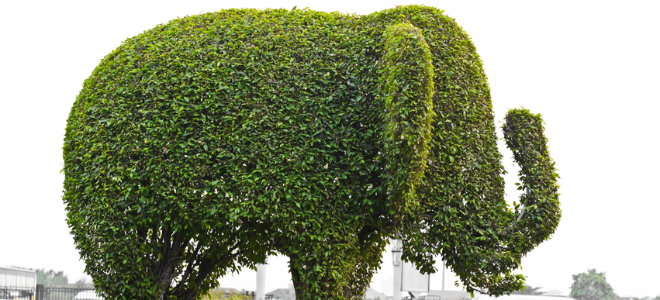
When considering shrubs and bushes that can be cut into shapes, several species are popular among gardeners for their versatility and ornamental appeal. These plants are often pruned into topiaries or other distinct shapes to enhance the aesthetics of gardens and landscapes.
Common Shaped Shrubs
Many shrubs can be pruned into various shapes, offering a unique design element to gardens. The most common types include:
- Boxwood - Known for its dense foliage, boxwood is one of the most popular shrubs for shaping due to its ability to hold forms well.
- Yew - This evergreen shrub can be easily trimmed into formal shapes and can withstand hard pruning.
- Privet - Often used as a hedge, privet can be shaped into rounded or geometric forms and is fast-growing.
Evergreen vs. Deciduous Shrubs
When deciding which shrubs to shape, understanding the difference between evergreen and deciduous shrubs is important.
- Evergreens - These shrubs maintain their foliage year-round, making them ideal for shaping because they provide consistent color and structure.
- Deciduous shrubs - These lose their leaves in winter, but can also be shaped effectively. However, they may not provide the same year-round appeal as evergreens.
- Examples - Common evergreens include junipers and hollies, while deciduous options include hydrangeas and butterfly bushes.
Topiary Techniques
Creating topiaries involves specific techniques tailored to the growth habits of different shrubs.
- Shaping Techniques - Standard topiary shapes include spheres, cones, and spirals. Utilizing sharp pruning shears will help achieve clean lines.
- Maintenance - Regular trimming is essential to keep the desired shape. A good rule is to prune during the growing season.
- Design Considerations - Consider the shrub's growth rate and density when designing your topiary to ensure it remains manageable over time.
Seasonal Considerations
Timing is crucial when pruning shrubs into shapes.
- Spring Pruning - Many shrubs benefit from pruning in early spring before new growth begins, which helps encourage dense foliage.
- Summer Pruning - This is often when maintenance shaping occurs, especially for fast-growing shapes.
- Fall Pruning - Generally, avoid heavy pruning in fall to prevent winter damage, but light shaping can be done.
Bushes for Beginners
For those new to shaping shrubs, some are easier to manage than others.
- Lavender - This fragrant shrub can be shaped easily and thrives with neat pruning.
- Spiraea - Known for its hardiness and vibrant blooms, spiraea can also be shaped without much effort.
- Hydrangea - With specific pruning techniques, hydrangeas can be shaped to maintain their dramatic flower display.
What is the best shrub for sculpting?
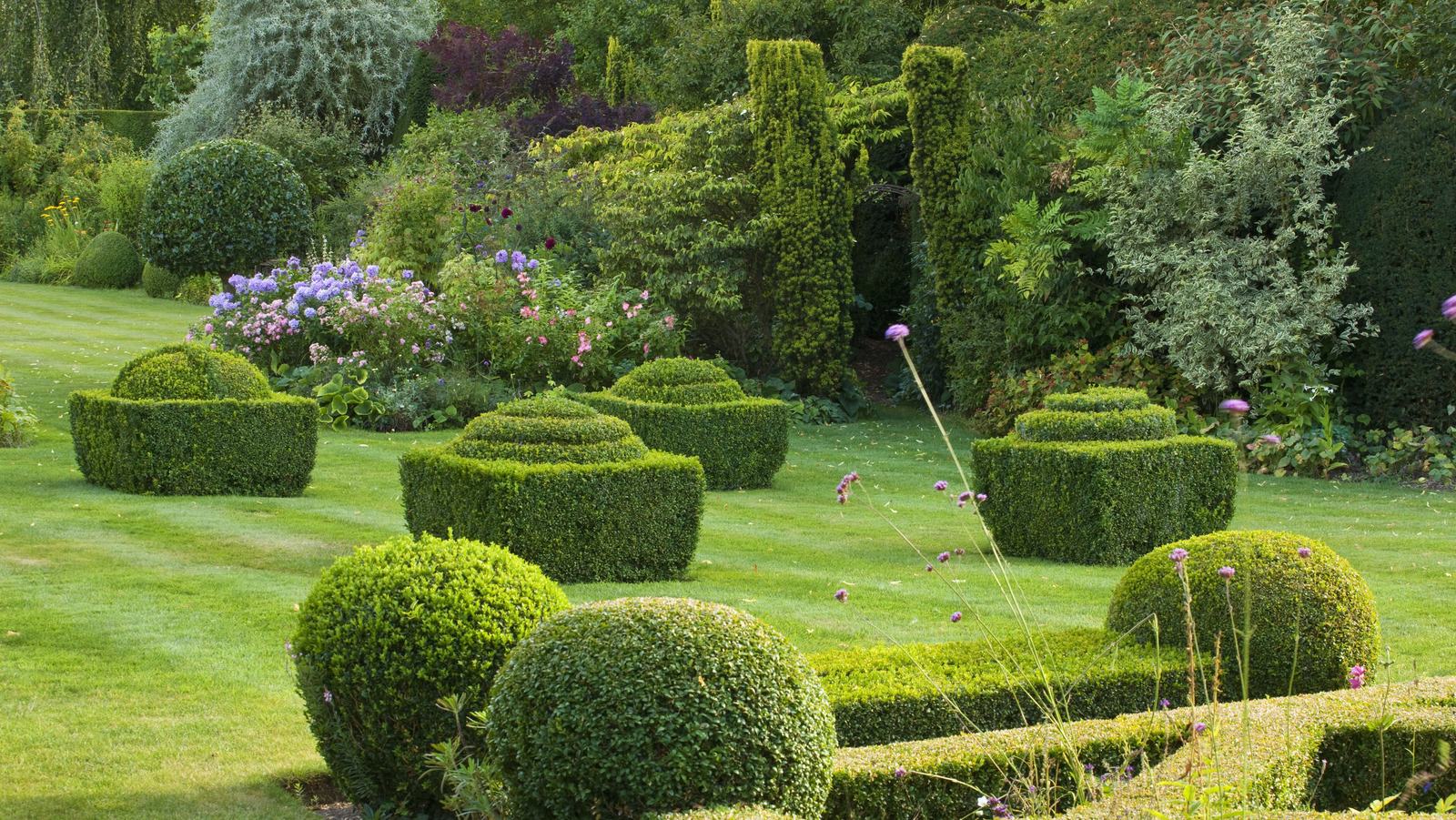
The best shrub for sculpting is often considered to be the boxwood (Buxus spp.). This versatile evergreen shrub has been favored by gardeners and landscape designers for centuries due to its dense growth habit and ability to tolerate heavy pruning. Boxwoods can be shaped into a variety of forms, from formal geometric shapes to soft, natural curves, making them ideal for both traditional and contemporary gardens.
Advantages of Using Boxwood for Sculpting
Boxwood offers several advantages that make it an excellent choice for sculpting in gardens:
- Dense Foliage: Boxwoods have compact leaves that create a full appearance, which is essential for maintaining the integrity of sculpted shapes.
- Versatility: These shrubs can be shaped into various forms, including spheres, cones, and hedges, allowing for creative landscape designs.
- Durability: Boxwoods are hardy plants that can withstand harsh pruning and environmental conditions, ensuring longevity in sculpted forms.
Maintenance Tips for Sculpted Boxwoods
Maintaining sculpted boxwoods requires careful attention to ensure they remain healthy and visually appealing:
- Regular Pruning: To achieve the desired shape, regular pruning is essential. Light trimming should occur several times a year to maintain form.
- Proper Watering: Ensure that boxwoods receive adequate moisture without becoming waterlogged. Well-drained soil is critical to their health.
- Pest Management: Keep an eye out for common pests such as boxwood leaf miners or mites, and treat infestations promptly to prevent damage.
Alternative Shrubs for Sculpting
While boxwood is a top choice, several other shrubs can also be sculpted effectively:
See also:
- Privet: This adaptable shrub is fast-growing and can be trimmed into formal shapes, making it a popular choice for hedges.
- Yew: Known for its flexible branches, yew can be shaped into intricate designs and has a rich green color year-round.
- Laurel: With its thick foliage and robust growth, laurel can be sculpted into various forms and is often used in hedging.
Best Growing Conditions for Sculpted Shrubs
To ensure the best growth and sculpting potential for boxwoods and similar shrubs, consider the following conditions:
- Sunlight: Boxwoods thrive in partial shade to full sun. Ensure they receive at least four to six hours of sunlight daily.
- Soil Quality: Well-drained, fertile soil is ideal. Amend the soil with organic matter to enhance nutrient retention.
- Climate Requirements: Boxwoods prefer temperate climates, so ensure they are suited to your local environment to prevent stress and disease.
Design Ideas Using Sculpted Shrubs
Incorporating sculpted boxwoods into your landscape can create stunning visual effects:
- Formal Gardens: Use geometric shapes of boxwoods to create a classic symmetry in formal gardens, often accompanied by pathways or benches.
- Accent Features: Plant sculpted boxwoods as focal points or accents in landscapes, drawing attention to specific areas or plants.
- Mixed Plantings: Combine sculpted boxwoods with other flowering shrubs or perennials to create contrast and enhance visual interest.
What are the best bushes for shaping?

The best bushes for shaping are typically those that respond well to pruning and can maintain their structure over time. Here are some of the top choices for gardeners looking to create a well-defined landscape.
1. Boxwood (Buxus)
Boxwoods are among the most popular choices for shaping due to their dense growth habit and versatility. They can be pruned into various shapes, including formal hedges, topiaries, and more organic forms. Their small, glossy leaves make them a great backdrop for other plants.
- Dense Foliage: Boxwoods have a tight growth pattern that allows for easy shaping.
- Year-Round Interest: They maintain their greenery throughout the year, providing structure in winter.
- Varieties: There are numerous varieties available, ranging from dwarf to larger forms.
2. Yew (Taxus)
Yews are another excellent option for shaping. These conifers can be pruned back significantly without harming the plant, making them very forgiving for gardeners. Their rich green foliage and ability to thrive in various conditions add to their appeal.
- Versatile Growth: They can take on various shapes, from informal hedges to formal designs.
- Tolerance: Yews tolerate shade and are drought-resistant once established.
- Long Lifespan: With proper care, yews can last for decades, providing longevity in your garden design.
3. Privet (Ligustrum)
Privet is a fast-growing shrub that can be shaped easily into formal hedges. Its dense growth and small leaves make it ideal for creating neatly trimmed borders. Privet thrives in a variety of soils and is often used in urban gardening due to its resilience.
- Fast Growth: Privet grows quickly, making it a great choice for immediate impact.
- Easy Maintenance: Requires regular pruning to maintain its shape but responds well to trimming.
- Highly Adaptable: Can grow in various conditions and still look healthy.
4. Hydrangea (Hydrangea macrophylla)
While primarily known for their beautiful blooms, certain varieties of hydrangeas can also be shaped effectively through pruning. They can be trained into a bush or maintained as a more structured shrub with seasonal pruning.
- Showy Flowers: Adds aesthetic appeal with seasonal blooms while providing structure.
- Pruning Options: Can be pruned to enhance shape or to remove old growth for new flowers.
- Multiple Types: Different varieties offer a range of flower colors and shrub sizes.
5. Rosemary (Salvia rosmarinus)
Rosemary is not only a culinary herb but also a beautiful bush that can be shaped. It has a woody structure, making it suitable for a more informal style of shaping. Regular pruning keeps it healthy and encourages bushier growth.
- Aromatic Foliage: Provides both aesthetic value and fragrance to your garden.
- Resilience: Drought tolerant once established, making it low-maintenance.
- Natural Form: Can be shaped but also has a naturally appealing form when left to grow.
Questions from Our Readers
What are evergreen shrubs suitable for hedging?
Evergreen shrubs that are ideal for hedging include Boxwood, Holly, and Yew. These plants can be easily shaped through pruning and maintain their foliage throughout the year, making them perfect for creating a defined boundary or privacy screen in your garden.
How often should evergreen shrubs be pruned for shaping?
For effective shaping, evergreen shrubs should typically be pruned two to three times a year, depending on their growth rate. Early spring is a great time for initial shaping, followed by light trims in late spring and summer to keep the desired shape and encourage healthy growth.
What is the best time to plant evergreen shrubs for shaping?
The best time to plant evergreen shrubs for shaping is during the early spring or fall. Planting in these seasons allows the shrubs to establish their root systems before facing the stresses of heat or cold, leading to better shaping and growth.
Can all evergreen shrubs be shaped into specific forms?
Not all evergreen shrubs can be shaped into specific forms; some varieties are more suitable for shaping due to their growth habits. Shrubs like Boxwood and Privet are particularly amenable to shaping, while others like Juniper may have a more natural growth habit that is harder to sculpt.
See also:

If you want to read more articles like What are the best evergreen shrubs for shaping? Top Choices for Your Garden, we recommend you check out our Shrubs category.
Leave a Reply
Related Articles