Should You Cut a Plant Above or Below the Node? Expert Tips for Plant Care

When it comes to plant care, understanding the right techniques for pruning can greatly impact your plant's health and growth. One common question among plant enthusiasts is whether to cut a stem above or below the node. Nodes are crucial points on a plant where leaves and branches emerge, making them essential for new growth. In this article, we will explore expert tips on the best practices for cutting plants, focusing on the importance of nodes, the benefits of each cutting method, and how to ensure your plants thrive after pruning. Proper techniques can lead to healthier, more vibrant plants.
Should You Cut a Plant Above or Below the Node?
When it comes to propagating or pruning plants, deciding whether to cut above or below the node is crucial for promoting healthy growth. Cutting above the node will typically stimulate new growth from that point, allowing the plant to branch out, which is advantageous for shaping and encouraging bushiness. On the other hand, cutting below the node provides the opportunity for roots to develop if you are propagating a cutting, as nodes contain the necessary cells for formation of new roots. Proper placement of the cut influences not only the plant's recovery but also its overall vitality and aesthetic.
Understanding Nodes in Plants
Nodes are the points on a plant stem where leaves, branches, or flowers emerge. Each node contains meristematic tissue, which is crucial for growth. Understanding the function of nodes is essential as it directly affects where cuts should be made, ensuring that new growth can occur effectively after a cutting or pruning.
When to Cut Above a Node
Cutting above a node is typically done when the goal is to encourage bushier growth. When you cut above the node, the plant will redirect its energy to the remaining nodes, stimulating them to grow new shoots and leaves. This method is beneficial when you want to promote fullness in your plants.
When to Cut Below a Node
Cutting below a node is the preferred technique when propagating plants through cuttings. This technique ensures that there is at least one node present for potential root development. Nodes have specialized tissues that will help establish new roots, making this method effective for successful propagation.
The Impact of Cutting Techniques on Growth
The technique used when cutting affects the health and growth patterns of the plant. If cuts are made incorrectly, it can result in slow recovery or even plant failure. Properly executed cuts above or below the node can lead to vigorous new growth, while poor cuts can lead to diseases or dieback in the affected areas.
Best Practices for Pruning and Propagation
To maximize the chances of successful propagation or pruning, use sharp, clean tools to make cuts. When cutting above or below a node, ensure that the cut is at a slight angle to prevent water accumulation, which could lead to rot. Additionally, using rooting hormone on cuts made for propagation can enhance root development and improve success rates.
| Cut Location | Purpose | Outcome |
|---|---|---|
| Above Node | Encourages new growth | Bushier plant |
| Below Node | Rooting for propagation | New plants |
Should I cut above or below a node?

To determine whether to cut above or below a node in plant care, one must understand the implications and purposes of each cutting method.
When pruning or propagating plants, the choice of cutting location can significantly affect the plant’s growth and health. Generally, it is recommended to cut above a node for certain techniques like propagation, while cutting below a node is more common for specific pruning scenarios.
Here’s a detailed look at the factors influencing your decision:
Understanding Nodes
Nodes are critical areas on a plant’s stem where leaves, branches, or roots grow. Cutting techniques related to these nodes can include:
- Identify a node: Recognize the distinct bumps on the stem where growth occurs.
- Location matters: Nodes are the starting points of new growth; thus, cutting nearby can promote healthy development.
- Propagate vs. prune: The approach taken varies depending on whether you’re propagating new plants or trimming foliage.
Cutting Above a Node
When cutting above a node, you are often encouraged in scenarios that involve propagation. This method can stimulate growth in the remaining stem sections.
- Encourages growth: Cutting above the node allows the plant to redirect energy toward new growth.
- Mature cuttings: Propagating from a stem cutting usually requires an upright section just above the node.
- Surface area: Cutting above maintains a greater surface area for potential leaf growth, facilitating photosynthesis.
Cutting Below a Node
Cutting below a node is a method often used in pruning practices to remove dying or damaged parts while ensuring the plant remains healthy.
See also:
- Remove damage: This method helps to eliminate unhealthy growth and improve air circulation.
- Promote bushiness: Appropriately cutting below nodes throughout the stem can encourage a fuller, bushier plant.
- Control growth: This method can help manage the overall size and shape of the plant while maintaining vigor.
Timing and Technique
The timing of cuts, in addition to the specific method chosen, significantly affects plant health.
- Seasonal considerations: Pruning in the right season, typically during dormancy in winter for many plants, promotes recovery.
- Sharp tools: Using sharp, clean tools minimizes injury to the plant and reduces the risk of disease.
- Angle of cut: Making an angled cut above or below can help prevent water pooling, which can cause rot.
Effects on Plant Health
The choice of cutting above or below a node can influence the overall health and vitality of the plant.
- Wound healing: Cuts made above or below nodes can heal differently; proper positioning can speed up healing.
- Energy diversion: Cuts above can help divert energy where it’s needed most for new growth and health.
- Root development: Cutting methods, especially for propagating, can significantly influence root establishment.
Conclusion
The decision to cut above or below a node must consider the specific objectives of pruning or propagation, the type of plant in question, and the timing and technique applied. By understanding the implications of each method, you can effectively enhance your plant care practices.
Do you trim a plant above or below the node?
When trimming a plant, it is generally recommended to cut above the node. The node is the part of the stem where leaves and branches emerge, and it has the potential to promote new growth. If you cut below the node, you may hinder the plant's ability to sprout new leaves or branches, which can result in a less healthy plant.
Understanding Plant Nodes
The nodes on a plant are essential for its growth and development.
- Definition: A node is the section of a plant's stem where leaves, branches, and buds originate.
- Function: Nodes play a crucial role in photosynthesis and nutrient transport. This is where new growth occurs.
- Importance: Proper pruning above the node encourages the plant to regenerate and thrive.
Impact of Trimming Below the Node
Cutting a plant below the node can have negative effects on its growth.
- Regrowth issues: Cutting below the node may prevent new shoots from developing efficiently.
- Dormant nodes: Some nodes may be dormant, meaning cutting below them does not trigger any new growth.
- Vulnerability: Trimming below the node can expose the plant to diseases, as open wounds can be entry points for pathogens.
Best Practices for Pruning
To ensure healthy growth, observe specific techniques when pruning.
- Tools: Always use clean and sharp pruning shears to make clean cuts.
- Timing: Prune during the plant's dormant season for many species to reduce stress.
- Technique: Make cuts at a slight angle above the node to encourage water runoff.
Encouraging New Growth
Trimming above the node can stimulate new growth effectively.
- Multiple shoots: Healthy cuts can lead to the formation of multiple new branches.
- Bushier plants: Encouraging growth above nodes results in a fuller and more robust plant.
- Improved health: Regular trimming above nodes promotes overall plant well-being by ensuring sufficient light and air circulation.
Conclusion on Plant Trimming Techniques
The correct trimming technique is vital for maintaining plant health.
- Long-term growth: Proper cutting promotes longevity and vitality in plants.
- Shape preservation: Effective pruning helps maintain the desired shape of the plant.
- Reduced stress: Trimming at the right places minimizes stress on plants, enabling them to thrive.
Do you cut above or below Monstera node?

To propagate a Monstera plant, the decision of whether to cut above or below the node is crucial for successful growth. The best practice is to cut below the node. This is because the node is where the plant's growth occurs, and it contains the cells that will develop into roots and new growth. By cutting below the node, you ensure that the cutting will have a part of the stem that can produce new roots.
When you cut above the node, you may still get a beautiful leaf, but the cutting will not be able to develop roots since there is no material to facilitate growth. Therefore, for successful propagation, always ensure your cut includes at least one node.
Understanding Monstera Nodes
The node on a Monstera is a point on the stem where leaves, buds, and roots originate. Understanding the function of a node will help you in plant propagation:
See also:
- Growth Points: Nodes are essential for new growth and branching in the plant.
- Root Development: Nodes contain the material necessary for root formation when propagating.
- Leaf and Bud Formation: Each node can develop into new leaves or shoots, aiding in the plant's overall health.
How to Identify a Node on Monstera
Identifying a node on your Monstera is simple if you know what to look for. A node is characterized by certain features:
- Leaf Attachment: Nodes are typically located where leaves attach to the main stem.
- Knobby Texture: They may appear slightly raised or knobby compared to the rest of the stem.
- Root Potential: Occasionally, you might see aerial roots emerging from a node, indicating it's a growth point.
Best Time for Cutting Monstera
Timing your cut is important for the health of both the cutting and the main plant. The best time to cut your Monstera is:
- Growing Season: Spring or early summer when the plant is actively growing.
- Healthy Plants: Ensure the plant is healthy and free from pests or diseases prior to cutting.
- After Watering: Cut after watering to ensure the plant is hydrated, which helps with the recovery process.
Techniques for Propagating Monstera Cuttings
There are several effective methods for propagating Monstera cuttings once you've decided to cut below the node:
- Water Propagation: Place the cutting in a water container to encourage root development before planting.
- Soil Propagation: Directly plant the cutting in a well-draining potting mix for a more immediate rooting environment.
- Humidity Dome: Using a humidity dome can help maintain moisture and promote faster rooting.
Aftercare for Monstera Cuttings
Proper aftercare is essential for successful propagation. Here are some tips for caring for your Monstera cutting:
- Watering: Keep the soil slightly moist but avoid waterlogging, which can cause rot.
- Light: Provide bright, indirect light to help the cutting establish without burning the leaves.
- Temperature: Maintain a warm environment, ideally between 65°F to 85°F (18°C to 29°C) for optimal growth.
Do you notch above or below the node?
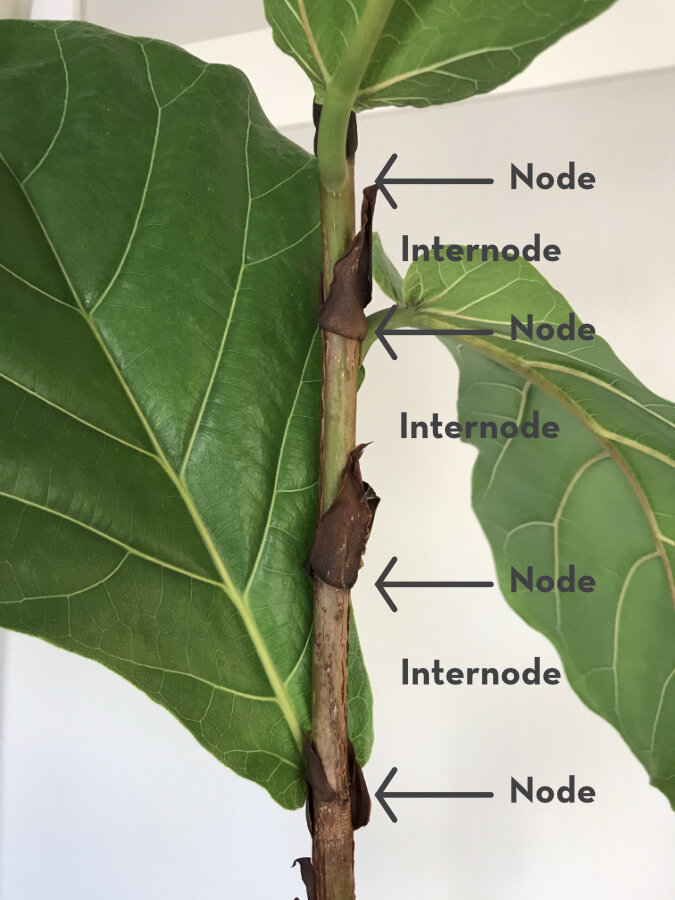
To answer the question it's essential to understand the context in which the term notch is being used, as it can vary based on the field—such as botany, electronics, or architecture. Generally, a node refers to a point of intersection or connection, and a notch is a V-shaped cut or indentation.
In botanical terms, when discussing plant stems, notching can refer to physically cutting or manipulating the plant just above or below a node. This practice may affect plant growth, propagation styles, and the overall health of the plant. Notching is often used in techniques such as air layering, where you want to encourage rooting above the node for new growth.
Understanding Nodes in Botany
In botany, a node is defined as a point on a plant stem where leaves, branches, or flowers originate. Understanding the location of a node is crucial for plant propagation and care:
- Leaf Attachment: Nodes are where leaves attach to the stem, impacting the plant's ability to photosynthesize.
- Growth Hormones: They contain growth hormones that facilitate the development of new shoots and roots.
- Propagation: Knowledge of the node's location helps in effective methods of propagation, especially through cuttings.
Notching Techniques in Plant Care
In horticulture, notching can refer to creating cuts in the plant that promote certain growth patterns. Choosing to notch above or below the node plays a significant role in plant health:
- Above the Node: Notching above the node can stimulate growth and create new branches.
- Below the Node: When notching below the node, the focus is often on promoting root development.
- Technique Selection: The choice between the two methods depends on the desired outcome, whether it's branching or enhancing root growth.
Impact on Plant Health
The decision to notch a plant either above or below a node can have direct effects on its health and vigor:
- Enhanced Growth: Proper notching techniques can lead to healthier and more robust plants.
- Stress Factors: Incorrect notching may cause stress or lead to disease, weakening the plant.
- Observation: Monitoring the effects of notching helps refine techniques for better results in the future.
Common Practices in Horticulture
Notching above or below the node is a common practice. Depending on horticultural goals, different methodologies are adopted:
- Air Layering: Notching is often used in air layering to encourage rooting above the node.
- Pruning: Pruning techniques frequently involve notching to ensure a plant grows in a particular shape or form.
- Guidelines: Following best practices and local horticultural guidelines will lead to the healthiest plants.
Final Thoughts on Notching
Choosing whether to notch above or below the node is a deliberate decision that should be based on the plant's needs and the desired outcome:
- Research: Understanding plant biology can help make informed decisions on notching techniques.
- Experimentation: Practical experience will give insights into what methods yield the best results.
- Consultation: Seeking advice from horticultural experts can further enhance understanding of notching practices.
Questions from Our Readers
Should you cut a plant above or below the node?
When pruning a plant, it is generally recommended to cut below the node. This allows for new growth to emerge from the node, promoting a healthier and more robust plant. Cutting above the node can hinder growth and lead to potential issues with the plant's health.
What happens if you cut too close to the node?
Cutting too close to the node can cause damage to the node itself, which may result in stunted growth or even the death of the shoot. It's important to leave a small amount of stem above the node to ensure that the plant can still generate new growth effectively.
See also:
Can cutting above the node ever be beneficial?
In some cases, cutting above the node can be beneficial if you want to encourage compact growth or reduce the height of the plant. However, this technique should be used with caution, as it can limit the plant's ability to produce new shoots from the node.
How often should you prune above or below the node?
The frequency of pruning depends on the type of plant and its growth rate. Generally, you should prune once every season or as needed, focusing on cutting below the node for most plants. Regular pruning helps maintain the plant's health and encourages bushy growth.

If you want to read more articles like Should You Cut a Plant Above or Below the Node? Expert Tips for Plant Care, we recommend you check out our Pruning category.
Leave a Reply
Related Articles