Do You Put Anything in the Bottom of a Planter? Essential Tips for Effective Plant Care
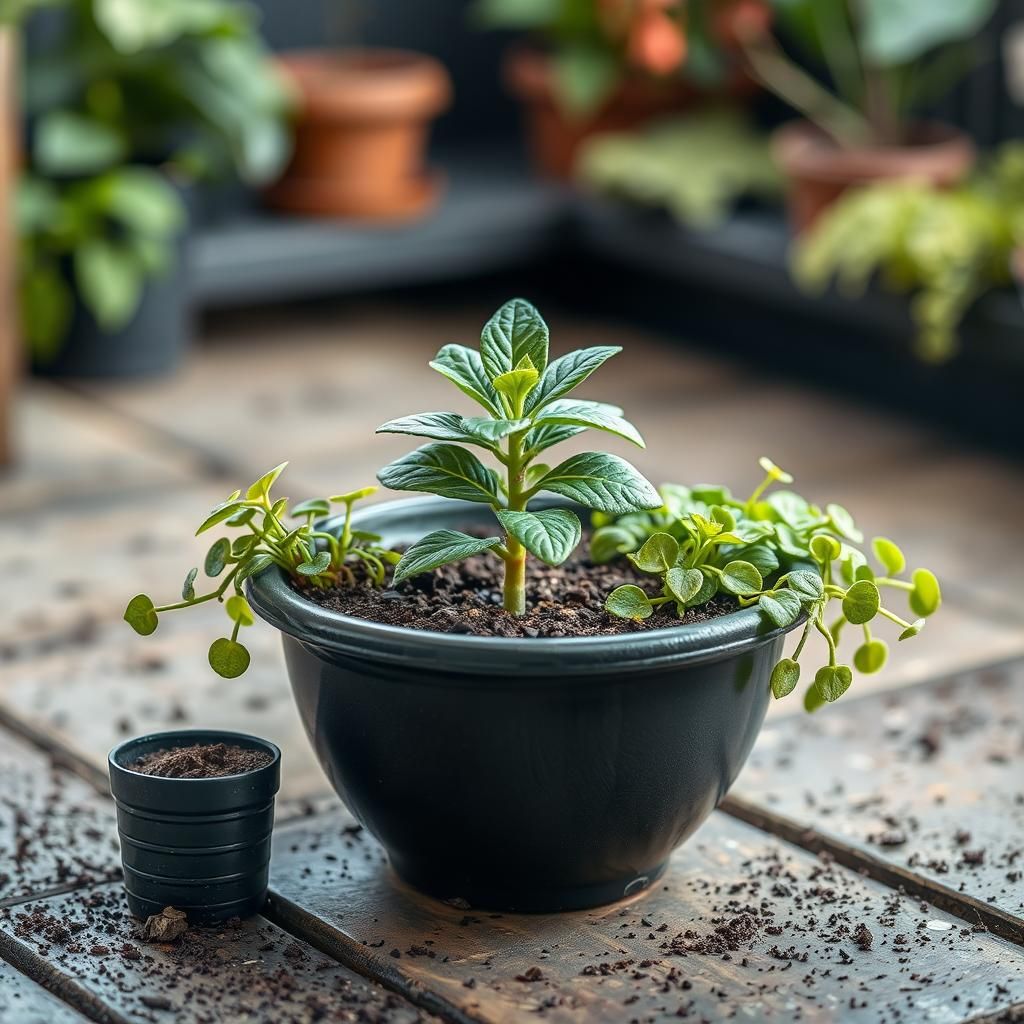
When it comes to successful gardening, understanding how to prepare your planter is crucial. Many novice and experienced gardeners alike ponder the question: Do you put anything in the bottom of a planter? This article delves into essential tips for effective plant care, including the importance of using proper materials in your planters. From drainage solutions to soil health, we'll explore various options that can enhance plant growth and prevent common issues. Whether you're cultivating vibrant flowers or tasty vegetables, these insights will help ensure that your plants thrive from the very start.
Do You Put Anything in the Bottom of a Planter?
When it comes to planters, many gardeners often wonder if they should place anything at the bottom before adding soil and plants. The general consensus is that some form of drainage layer can be beneficial. This drainage layer, which can include materials like gravel, pebbles, or even broken terracotta pots, helps to prevent waterlogging and promotes good aeration for the roots. However, it's important to note that too much material at the bottom can reduce the overall soil volume available for plants. Ultimately, the choice depends on the specific type of planter and the plants being cultivated, as well as the local climate and watering habits.
Benefits of Adding Drainage Materials
Adding drainage materials such as gravel or stones at the bottom of a planter can improve water flow, reducing the risk of root rot caused by excess moisture. This helps to create a more stable environment for your plants, ensuring that they receive the appropriate amount of moisture without becoming overly saturated. Moreover, these materials can also aid in aeration, allowing the roots to breathe better, which is crucial for healthy plant growth.
What Materials Can Be Used?
Common materials used for creating a drainage layer in the bottom of a planter include small rocks, gravel, perlite, and ceramic shards. Each of these options has unique properties: for example, perlite is lightweight and promotes excellent drainage, while ceramic shards can serve a dual purpose of breaking up soil and aiding in airflow. It's essential to choose materials that will not break down or decompose, as organic matter can lead to compaction and hinder drainage over time.
Do You Need Drainage Holes?
While adding materials to the bottom can help, the presence of drainage holes is also crucial for ensuring that excess water can escape. If your planter has no drainage holes, it may lead to standing water and eventually harm your plants. Thus, when investing in a planter, it's always advisable to select one that offers proper drainage capabilities. If drainage holes are absent, consider creating them to serve the dual function of soil retention and excess water escape.
See also:
How Much Material Should Be Added?
The amount of drainage material you should add to the bottom of a planter can vary based on the planter's size and the type of plant you are growing. A general guideline is to allocate about 1 to 2 inches of drainage material for smaller planters, while larger ones may require up to 3 inches. Be cautious not to overcrowd the bottom with excessive material, as this can reduce the volume of soil where roots need to grow and absorb nutrients, potentially stunting plant growth.
Considerations for Different Types of Plants
Different plants have varying requirements for water and soil drainage. Succulents and cacti, for instance, thrive in well-drained environments and benefit significantly from a drainage layer. On the other hand, tropical plants may prefer slightly more moisture retention. Understanding the specific needs of your plants is vital in determining whether to add drainage materials and to what extent. Always research the respective needs of your plants to ensure optimal growth conditions.
| Material | Benefits |
|---|---|
| Gravel | Improves drainage and prevents soil compaction. |
| Perlite | Lightweight and boosts aeration. |
| Ceramic Shards | Helps with drainage and can break up dense soil. |
| Small Rocks | Provides a stable base and prevents root rot. |
| Pebbles | Enhances drainage and adds aesthetic appeal. |
Why Drainage Matters in Planters
Proper drainage is crucial when caring for plants in containers, as it prevents water from accumulating at the bottom of the planter, which can lead to root rot and other moisture-related problems. Without a suitable drainage system, even the healthiest plants can suffer from poor growth or even die, as their roots cannot access the oxygen they need. Ensuring that your planters have holes and possibly adding materials such as gravel or perlite at the bottom can improve drainage and create a healthy environment for root development.
Choosing the Right Planter Material
The material of your planter affects its drainage properties significantly. For instance, ceramic planters often have better water retention, while plastic containers may drain faster. However, if you choose a material known for poor drainage, consider adding a layer of stones or a drainage mesh at the bottom to help maintain a balanced moisture level.
Best Materials for Bottom Layering
Adding a bottom layering of rocks, gravel, or activated charcoal can enhance drainage while preventing soil from blocking drainage holes. This layer facilitates excess water removal, ensuring that the plants have enough access to oxygen and reducing the risk of root disease. Using charcoal can also help control odors and absorb impurities.
See also:
Importance of Soil Quality
Using a high-quality potting mix tailored for container gardening is essential as it provides adequate drainage and nutrients. A well-aerated mix can also help maintain moisture without becoming waterlogged. In conjunction with a good drainage system, the right soil ensures your plants receive the essential elements for healthy and sustainable growth.
Watering Techniques for Planters
Watering techniques play a significant role in the overall effectiveness of a planter setup. It’s important to water thoroughly until it drains out from the bottom. This technique ensures that the entire root system is adequately hydrated. You should also monitor the soil's moisture level regularly to avoid over-watering, which can lead to root problems despite a good drainage system.
Seasonal Considerations for Plant Care
Seasonal changes significantly affect how you should care for your plants in containers. During the spring and summer, plants may require more water, emphasizing the need for excellent drainage to handle increased moisture levels. In fall and winter, reducing watering frequency can help prevent water from sitting in the drain area, potentially leading to frost damage or root issues. Adjusting your care routine based on the season can greatly enhance the health and longevity of your container plants.
Questions from Our Readers
Do you need to put drainage materials at the bottom of a planter?
Yes, it is highly recommended to put drainage materials such as pebbles or clay balls at the bottom of a planter. This helps to prevent waterlogging by allowing excess water to escape, promoting healthier root growth and reducing the risk of root rot.
Should I use rocks or gravel in the bottom of a planter?
Using rocks or gravel can be beneficial, but it's essential to ensure that the size is appropriate for the planter. They help with drainage, but using them alone may not be sufficient for proper moisture management; a combination of materials can enhance performance.
See also:
Is it necessary to add soil to the bottom of a planter?
Adding a layer of soil at the bottom of a planter is not strictly necessary, but it can provide a better foundation for plants, especially if using drainage materials. It can help with nutrient retention and support root extension into the main soil area.
Can I put a coffee filter in the bottom of a planter?
Yes, placing a coffee filter at the bottom of a planter can be an effective method to prevent soil from washing out while allowing water to drain. This practice helps maintain a clean drainage system and minimizes clogging in the drainage holes.

If you want to read more articles like Do You Put Anything in the Bottom of a Planter? Essential Tips for Effective Plant Care, we recommend you check out our Planter category.
Leave a Reply
Related Articles