Which is Better, an Aluminum or a Wood Pergola? A Comprehensive Comparison for Homeowners

When it comes to enhancing outdoor spaces, pergolas serve as both functional structures and aesthetic additions to homes. Among the most popular materials for constructing these outdoor features are aluminum and wood, each offering distinct advantages and drawbacks. Homeowners face the dilemma of choosing between the durability and low maintenance of aluminum and the natural beauty and warmth of wood. This comprehensive comparison aims to guide homeowners through the decision-making process, weighing factors such as cost, longevity, maintenance requirements, and visual appeal. By understanding the pros and cons of each material, homeowners can make an informed choice that best suits their lifestyle and outdoor environment.
Which Material is Superior for Your Pergola: Aluminum or Wood?
When deciding between an aluminum or wood pergola, several factors come into play, including durability, aesthetic appeal, maintenance requirements, cost, and environmental impact. Aluminum pergolas are highly resistant to rust, insects, and decay, making them a long-lasting option with minimal maintenance. In contrast, wood pergolas provide a natural, warm look that many homeowners prefer for aesthetic reasons, though they typically require more upkeep, such as staining and sealing, to remain in good condition. Ultimately, the choice depends on your specific needs, budget, and personal style preferences.
Durability
Aluminum is renowned for its durability, capable of withstanding harsh weather conditions without corroding or deteriorating. Wood, on the other hand, is susceptible to rot, insect damage, and warping, which can compromise its long-term structural integrity. Therefore, for homeowners looking for longevity and less worry about the elements, aluminum emerges as the more robust choice for a pergola.
Maintenance Needs
Wood pergolas require ongoing maintenance, including regular sealing, staining, and inspections for pests like termites. In contrast, aluminum pergolas are virtually maintenance-free, needing just occasional cleaning to remove dirt or debris. This significant difference in maintenance can influence your decision based on how much time and effort you want to invest in keeping your pergola looking its best.
Aesthetic Appeal
The visual impact of a pergola can greatly affect your outdoor space's ambiance. Wood pergolas offer a more natural, rustic look that can blend beautifully with garden landscapes, while aluminum structures tend to have a more modern and sleek appearance. Depending on your design preferences, you may favor one material over the other to match the overall theme of your home and garden.
Cost Comparison
When comparing costs, aluminum pergolas can initially seem more expensive than wood, but considering their longevity and minimal maintenance costs, they often prove to be the more economical choice over time. Wood may have a lower upfront cost, but the expenses associated with regular treatment and potential repairs can add up, making the long-term investment in aluminum more appealing for some homeowners.
Environmental Impact
The environmental impact of your pergola choice can also be significant. Wood is a natural material and, if sourced sustainably, can be an eco-friendly option. However, aluminum, being a metal, is highly recyclable, and many manufacturers utilize recycled aluminum in their products, which can lessen its overall environmental footprint. Homeowners concerned about their impact on the planet may consider these factors when selecting the best material for their pergola.
| Feature | Aluminum Pergola | Wood Pergola |
|---|---|---|
| Durability | High resistance to corrosion and decay | Susceptible to rot and insects |
| Maintenance | Minimal maintenance required | Regular upkeep needed |
| Aesthetic Appeal | Modern and sleek | Natural and rustic |
| Cost | Higher initial cost but lower long-term expenses | Lower initial cost but higher long-term maintenance costs |
| Environmental Impact | Highly recyclable | Natural material if sustainably sourced |
What are the disadvantages of an aluminium pergola?

The disadvantages of an aluminium pergola can be significant when considering the overall aesthetics, functionality, and long-term investment. While aluminium pergolas offer numerous benefits, it is essential to acknowledge the potential drawbacks that could impact your decision.
Durability Concerns
Despite being resistant to rust and corrosion, aluminium pergolas can still face durability issues under certain conditions. Over time, exposure to harsh weather elements like extreme heat or cold can lead to the following concerns:
- Fading of paint or finish, which may require periodic maintenance or repainting.
- Potential for dents and scratches, especially if impacted by heavy objects or extreme weather.
- Risk of structural weakening if not properly maintained or installed.
Heat Conductivity
Aluminium is a metal known for its ability to conduct heat. This property can create discomfort in an aluminium pergola during hot weather. Some specific issues include:
- Increased temperature under the pergola, making it less enjoyable to use during the warmer months.
- Requirement for additional cooling measures, such as shade sails or misting systems.
- Potential for heat transfer to nearby structures or plants.
Installation Cost and Complexity
While aluminium pergolas can be cost-effective in the long run, the initial installation can be a significant investment. Key considerations include:
- Higher upfront cost compared to materials like wood or vinyl.
- Complex installation processes, often requiring professional help, which adds to the overall expense.
- Need for special tools and equipment, increasing project difficulty for DIY enthusiasts.
Aesthetic Limitations
Aluminium pergolas may not fit the desired aesthetic for all outdoor spaces. Some limitations include:
- Limited design versatility compared to natural materials like timber.
- Potential for a more industrial or modern look, which may not suit traditional or rustic environments.
- Less warmth and character than wood, possibly making the space feel less inviting.
Environmental Impact
The production of aluminium can have a notable environmental footprint. Key points to consider include:
See also:
- High energy consumption during the manufacturing process, contributing to carbon emissions.
- Recycling processes can be complicated and not all aluminium products are recycled properly.
- Potential depletion of natural resources due to mining for aluminium ore.
What is the best material to use for a pergola?

The best material to use for a pergola largely depends on your aesthetic preferences, budget, and maintenance considerations. Here are some of the most commonly recommended materials for constructing pergolas:
1. Wood: Wood is a classic choice for pergolas. It offers a natural, warm aesthetic that blends well with outdoor environments. Pressure-treated cedar or redwood is particularly popular due to its resistance to decay and insects. However, wood requires regular maintenance, such as sealing and staining, to protect it from the elements.
2. Vinyl: Vinyl is a low-maintenance option that is available in various colors and styles. It does not require painting or staining and is resistant to fading, rotting, and pests. However, it may not have the same natural look as wood, potentially making it less appealing for some homeowners.
3. Aluminum: Aluminum pergolas are lightweight yet durable. They can come in various colors and finishes, with powder coating enhancing their resistance to rust and corrosion. This material is excellent for modern designs and requires minimal maintenance compared to wood.
4. Fiberglass: Fiberglass is known for its strength and longevity. It can mimic wood finishes, providing an attractive appearance without the need for constant upkeep. Although more expensive than other options, fiberglass pergolas are resistant to weather conditions and insects, making them a worthwhile investment.
5. Steel: Steel is another robust option for pergolas, especially for industrial or contemporary designs. It offers high strength and durability, with the ability to span larger distances without support beams. However, steel may require rust-proofing treatments to prevent corrosion over time.
Advantages of Wooden Pergolas
Wooden pergolas are favored for their aesthetic appeal and traditional charm.
- Natural Beauty: Wood provides a warm and inviting look.
- Customizability: It can be painted or stained in various finishes.
- Structural Strength: Properly treated wood can hold up well under different weather conditions.
Pros and Cons of Vinyl Pergolas
Vinyl pergolas are known for their ease of maintenance, appealing to many homeowners.
- Low Maintenance: Requires no painting and is easy to clean.
- Durability: Resistant to warping, rot, and pests.
- Variety: Available in various colors to match home decor.
Why Choose Aluminum Pergolas?
Aluminum pergolas are an excellent modern choice due to their lightweight nature and resistance to the elements.
- Corrosion-Resistant: Powder coatings protect against rust.
- Easy Installation: Lightweight makes for straightforward assembly.
- Versatile Designs: Available in different styles and colors for personalized aesthetics.
Benefits of Fiberglass Pergolas
Fiberglass combines style and durability, making it a popular but premium choice.
- Weather Resistant: Withstands harsh weather conditions without damage.
- Low Maintenance: Does not warp or deteriorate over time.
- Aesthetic Flexibility: Can mimic the appearance of wood.
Considerations for Steel Pergolas
Steel pergolas are ideal for those seeking strength and a contemporary look.
- High Strength: Ideal for larger structures requiring support.
- Modern Appeal: Adds an industrial touch to outdoor spaces.
- Maintenance Needs: Requires anti-rust treatments but offers durability.
What kind of pergola lasts the longest?
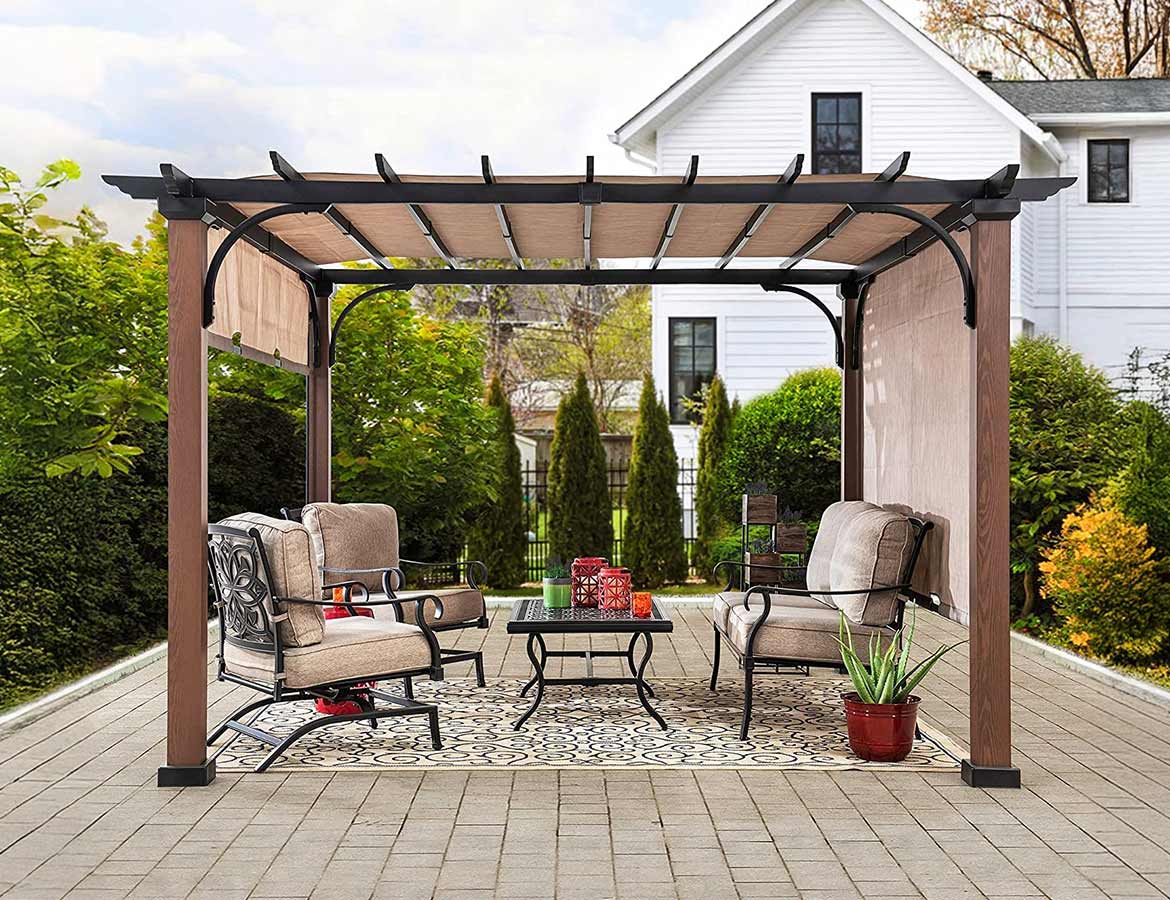
Pergolas can be an excellent addition to outdoor spaces, providing shade and enhancing the beauty of gardens and patios. However, choosing a pergola that lasts the longest involves considering various materials, treatments, and design features. The durability of a pergola predominantly depends on the materials used, the environment in which it is placed, and the maintenance it receives.
See also:
Materials that Maximize Durability
The selection of material is crucial when it comes to the longevity of a pergola. Some of the most popular materials include:
- Wood - Treated lumber, such as cedar or redwood, is naturally more resistant to decay and insect damage, thus providing a longer lifespan.
- Vinyl - This material is low-maintenance, doesn't rot, and is resistant to UV rays, making it a durable option that requires less upkeep.
- Aluminum - An excellent choice for those in extreme weather conditions; aluminum is rust-proof and can endure harsh elements effectively.
Environmental Considerations
Where the pergola is located plays a significant role in determining its lifespan. For instance, coastal areas may require more resilient materials due to salt corrosion. Factors include:
- Humidity - High humidity levels can lead to mold and rot, so choosing moisture-resistant materials is beneficial.
- Sun Exposure - Consistent sun exposure can fade materials; UV-resistant finishes or materials are recommended.
- Wind Resistance - Installing a pergola in a windy area may require reinforcement or heavier materials to withstand storms.
Maintenance Practices for Longevity
Regular maintenance can significantly affect the lifespan of a pergola. Key practices include:
- Regular Inspections - Check for signs of damage or wear regularly, addressing issues before they escalate.
- Cleaning - Keeping the structure clean prevents the buildup of debris that can trap moisture against the wood or weaken materials.
- Sealing and Painting - For wooden pergolas, applying sealants or paint can protect against the elements and extend life considerably.
Design Features Enhancing Durability
Certain design features can also contribute to the overall durability of a pergola. These include:
- Elevation - Raising the pergola off the ground can help prevent wood rot caused by moisture.
- Open-Cell Design - A design that allows for air circulation helps prevent mold and mildew.
- Structural Reinforcement - Using bracing or cross-beams provides additional support, enhancing stability and longevity.
Comparative Lifespan of Common Pergola Materials
Understanding the average lifespan of various pergola materials can aid in making an informed decision:
- Wood - Depending on treatment and maintenance, wooden pergolas can last 15-30 years.
- Vinyl - Vinyl pergolas can last 20-30 years with minimal maintenance.
- Aluminum - Aluminum structures can last upwards of 30 years, making them one of the longest-lasting options available.
What is the life expectancy of an aluminum pergola?
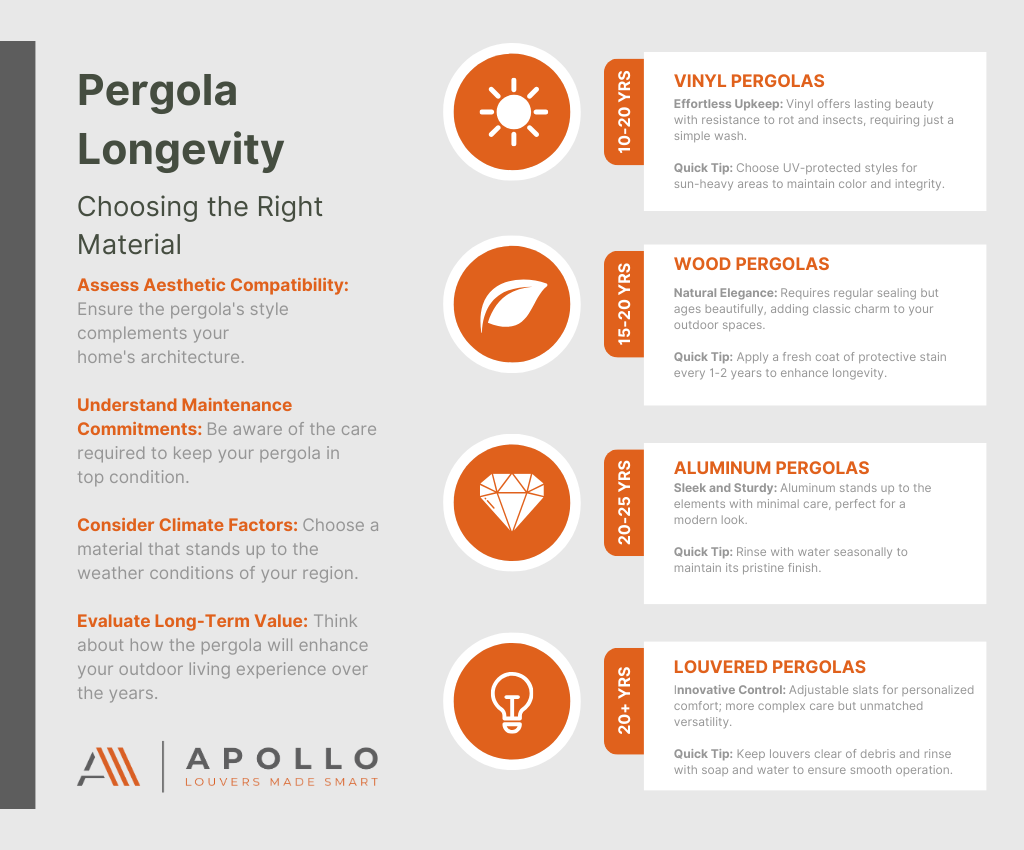
The life expectancy of an aluminum pergola can vary based on several factors such as the quality of materials, maintenance, climate, and installation. Generally, a well-constructed aluminum pergola has an average lifespan of around 15 to 30 years. Here’s a detailed breakdown of various aspects that contribute to its longevity.
1. Quality of Materials
The quality of the aluminum used in the pergola is crucial for its durability and longevity. Higher-grade aluminum alloys, such as those with enhanced resistance to corrosion and weathering, will significantly extend the life of the structure.
- Standard Aluminum: Basic aluminum may not withstand harsh weather conditions.
- High-Grade Aluminum: Alloys like 6061 are more durable and resistant.
- Finish Quality: Powder-coated finishes can further enhance resistance to fading and wear.
2. Maintenance Practices
Regular maintenance plays a vital role in extending the lifespan of an aluminum pergola. Simple cleaning and inspections can prevent minor issues from escalating into major repairs.
- Cleaning: Regularly wash with soap and water to remove dirt and grime.
- Inspection: Check joints and connections for any signs of corrosion or wear.
- Repairs: Address any damage immediately to maintain structural integrity.
3. Climate and Environmental Factors
The climate where the pergola is installed can significantly affect its longevity. For instance, extreme weather conditions can lead to wear and tear.
- Temperature Extremes: High or low temperatures can affect the material's structure.
- Humidity: High levels of moisture can lead to corrosion if not properly maintained.
- UV Exposure: Prolonged sun exposure can fade finishes over time.
4. Installation Quality
Proper installation is essential for the pergola’s performance and lifespan. A well-installed pergola will withstand environmental stresses better than one that is incorrectly assembled.
- Foundation: A stable foundation prevents shifting and structural issues.
- Alignment: Proper alignment ensures that weight is evenly distributed.
- Connection Methods: Use of high-quality fasteners and joints is fundamental.
5. Design Features
The design of the pergola can also impact its life expectancy. Features such as drainage systems or adjustable louvers can enhance its functionality and sustainability.
- Water Drainage: Effective drainage systems prevent water accumulation.
- Height and Width: A well-considered design minimizes wind resistance.
- Adaptability: Adjustable components can help manage environmental stress.
Questions from Our Readers
Which is more durable, aluminum or wood pergolas?
Aluminum pergolas are generally more durable than wood pergolas. Aluminum is resistant to rot, insects, and weather elements, whereas wood can warp, crack, or decay over time if not properly maintained. Therefore, if you're looking for a long-lasting option, aluminum might be the better choice.
How much maintenance do aluminum and wood pergolas require?
Wood pergolas typically require more maintenance than aluminum ones. You need to regularly apply sealants or stains to wood to protect it from the elements and maintain its appearance. On the other hand, aluminum pergolas require minimal maintenance, usually just a periodic wash to keep them looking new.
See also:
Which option is more cost-effective?
While the initial cost of a wood pergola may be lower compared to aluminum, the long-term costs can be higher due to maintenance and potential repairs. Aluminum pergolas, although they may have a higher upfront cost, can save you money in the long run due to their durability and lower maintenance needs.
What are the aesthetic differences between aluminum and wood pergolas?
Wood pergolas tend to have a more natural and traditional look, adding warmth and character to outdoor spaces. In contrast, aluminum pergolas can offer a modern and sleek appearance, available in various colors and finishes. Ultimately, the choice between the two will depend on your personal aesthetic preferences and the overall design of your outdoor area.

If you want to read more articles like Which is Better, an Aluminum or a Wood Pergola? A Comprehensive Comparison for Homeowners, we recommend you check out our Pergola category.
Leave a Reply
Related Articles