Does a Pergola Need to Be Anchored to Concrete? Essential Tips for Stability and Safety

When planning to install a pergola in your backyard, one critical question often arises: does it need to be anchored to concrete? The answer is essential for ensuring both the stability and safety of your structure. Pergolas can be a beautiful addition to your outdoor space, providing shade and an inviting atmosphere. However, without proper anchoring, they can be vulnerable to wind and weather conditions. In this article, we will explore the importance of anchoring a pergola, the benefits of concrete foundations, and essential tips to enhance the stability and longevity of your outdoor haven.
Does a Pergola Need to be Anchored to Concrete?
When considering whether a pergola needs to be anchored to concrete, it largely depends on the specific design, size, and the environmental conditions of your area. Anchoring a pergola to concrete provides essential stability and ensures that it withstands strong winds, heavy rain, and snow loads. For larger structures, proper anchoring is crucial to prevent any form of movement or damage over time, especially if you are building in regions prone to high winds or unstable soil conditions. On the other hand, smaller, lightweight pergolas may not require anchoring if they are adequately secured and installed in a sheltered location. Overall, assessing your pergola's purpose and the local weather patterns will help you determine the necessity of securing it to a concrete base.
Benefits of Anchoring a Pergola
Anchoring a pergola provides numerous benefits, including enhanced stability, safety, and longevity. By securing the structure to a concrete base, you reduce the risk of it tipping over or being damaged by harsh weather conditions. Additionally, a properly anchored pergola can help maintain its aesthetic appeal over the years, as it prevents shifting that can lead to cracks or uneven surfaces. In areas with frequent storms, anchoring also helps protect nearby structures and landscapes from any debris that could detach from an unsecured pergola.
Types of Anchoring Methods
There are several effective anchoring methods for pergolas, including the use of post anchors, concrete footings, and brackets. Post anchors are typically attached to the base of the pergola posts before being set into concrete. Concrete footings involve digging holes and pouring concrete directly to create a stable base for the posts. Brackets, on the other hand, can be utilized to secure the pergola frames to existing structures like patios or decks. Each of these methods offers different levels of strength and durability, so it's important to choose the right one based on the pergola's design and location.
Factors Influencing the Need for Concrete Anchoring
Several factors influence whether a pergola needs to be anchored to concrete. The size of the structure plays a vital role; larger pergolas require more robust anchoring to handle higher wind pressures. Additionally, local climate conditions—such as frequent storms or heavy snowfall—should also be taken into account. The type of soil on your property can further affect your decision; sandy or loose soil may necessitate stronger anchoring than compacted clay or gravel. Finally, the intended use of the pergola, whether for hosting gatherings or simply as an ornamental feature, can also dictate the level of anchoring required.
Consequences of Not Anchoring a Pergola
Failing to anchor a pergola properly can lead to several significant issues. Without adequate anchoring, the structure may shift or topple over during extreme weather, resulting in costly damages to the pergola itself and surrounding areas. In addition, an unanchored pergola can pose safety hazards to individuals nearby, especially if it comes loose and becomes a flying object in strong winds. Over time, lack of stability can also lead to structural weaknesses, compromising the integrity and appearance of the pergola, ultimately diminishing its value and function.
Cost Considerations for Anchoring
When planning an anchored pergola installation, it's important to consider the associated costs. The expenses for materials, such as concrete, brackets, and anchors, can vary widely depending on local pricing and the extent of the anchoring required. Additionally, hiring a professional for installation may incur labor costs that can add to your budget. While investing in proper anchoring might initially seem expensive, it is crucial for ensuring the longevity and safety of the pergola, ultimately saving you from potential repairs or replacements down the line.
| Anchoring Method | Pros | Cons |
|---|---|---|
| Post Anchors | Easy to install, low cost | May not be adequate for larger structures |
| Concrete Footings | Maximum stability and strength | Labor-intensive, higher initial cost |
| Brackets | Ideal for existing structures | Less effective in high winds |
How to anchor a pergola without concrete?

In order to anchor a pergola without using concrete, there are several effective methods to consider. These methods utilize alternative materials and techniques that provide stability and durability for your structure while avoiding the use of concrete. Here’s a detailed breakdown of how to anchor a pergola without concrete:
Using Ground Anchors
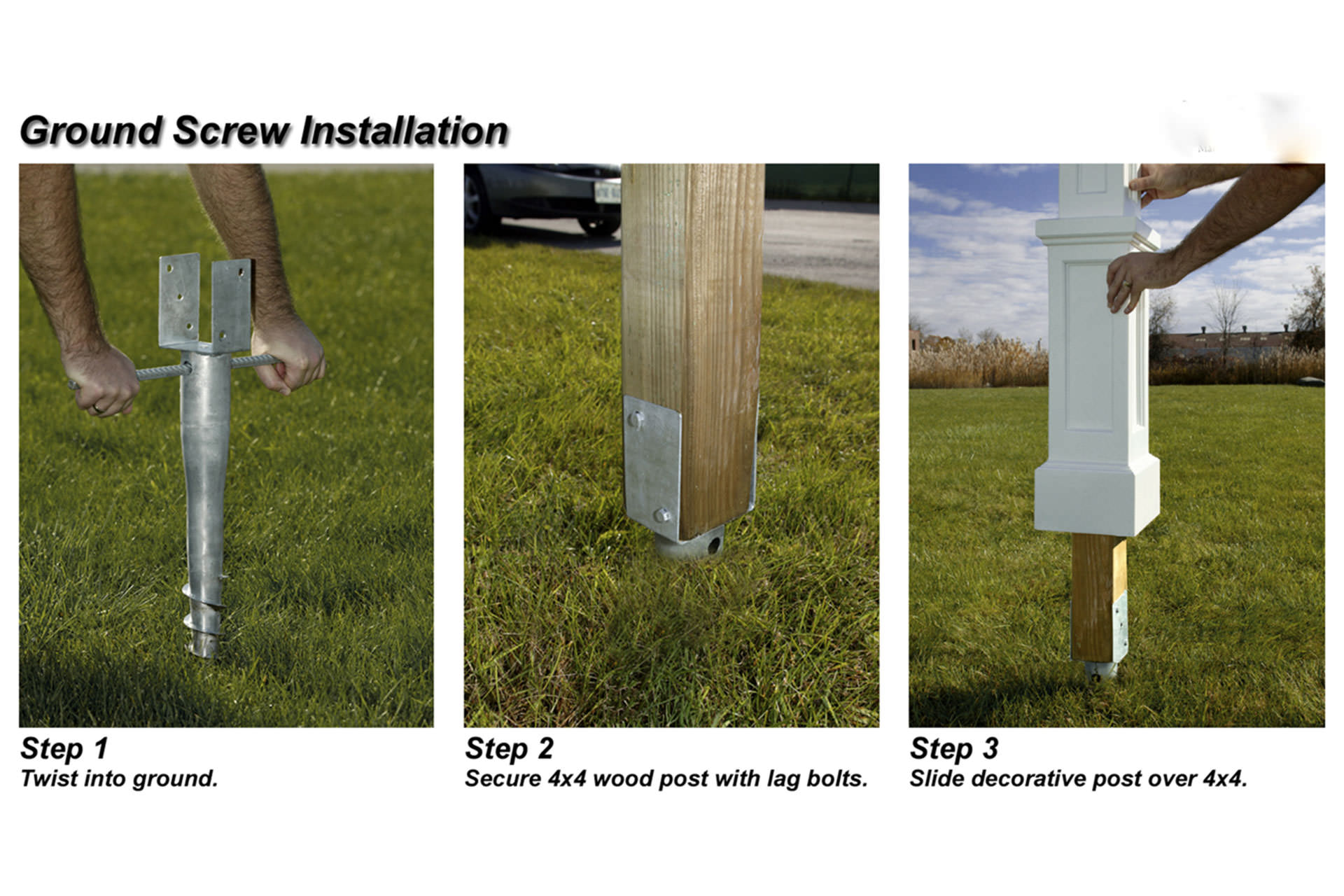
Ground anchors are a popular option for securing pergolas without concrete. These anchors are driven into the ground and provide a strong hold against the elements.
- Types of Ground Anchors: There are various types available such as spiral, strap, and rebar anchors. Each has its own installation method and application.
- Installation Process: Begin by marking the spots where each anchor will be placed. Use a posthole digger or auger to create a hole for the anchor, then drive it into the ground.
- Secure the Pergola: Attach the pergola’s legs or posts to the anchors using strong ties or brackets ensuring they are properly secured.
Utilizing Earth Bags
Earth bags can provide a stable base for your pergola, as they are filled with soil or gravel and stacked to form a sturdy foundation.
- Preparation: Obtain durable bags, such as polypropylene or heavy-duty burlap, and fill them with compacted soil or gravel.
- Placement: Position the earth bags at each corner where the pergola posts will sit, arranging them in a level manner to create a solid base.
- Attachment: Secure the pergola posts to the earth bags using brackets or straps to ensure they are tightly fastened and stable.
Using Heavy Pavers
Heavy concrete or stone pavers can act as a solid base without pouring concrete. This method takes advantage of the weight of the pavers to anchor the pergola.
- Selecting Pavers: Choose large, heavy pavers that can withstand wind and other elements; thickness and weight are crucial.
- Creating a Base: Lay a flat surface where the pavers will be positioned, ensuring they are level and uniformly spaced.
- Securing the Pergola: Place the pergola posts on top of the pavers and use brackets to secure them, ensuring the posts are anchored effectively.
Using Planter Boxes
Planter boxes can also serve as an effective anchor for your pergola, combining functionality with aesthetics.
See also:
- Building Planter Boxes: Construct or buy sturdy planter boxes that can hold soil and plants; they should be heavy enough to support the pergola structure.
- Placement and Filling: Position the planter boxes at each corner of the pergola and fill them with soil or plants to add weight.
- Attaching the Pergola: Secure the pergola posts to the planter boxes using brackets, ensuring stability while enhancing the landscape.
Using Ballast Weights
Ballast weights can provide a quick and efficient way to anchor a pergola without concrete by utilizing heavy materials.
- Choosing Ballast: Select various heavy materials such as sandbags, stones, or water-filled containers as ballast weights.
- Distribution: Distribute the ballast evenly around the base of the pergola posts to prevent any tipping or movement.
- Securing the Structure: Make sure to fasten the pergola posts with ties or brackets to the ballast for enhanced stability during windy conditions.
Are freestanding pergolas safe?
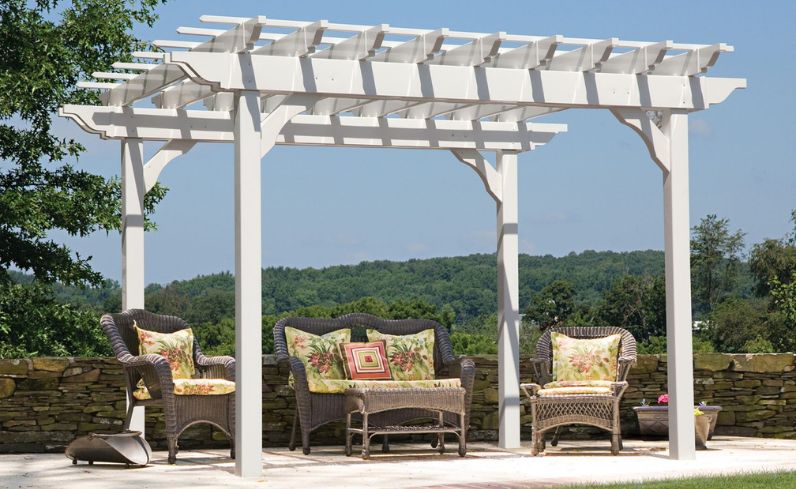
Freestanding pergolas can be safe, but their safety largely depends on several factors, including their design, materials, installation, and location. Here are some considerations to keep in mind:
Design Considerations
The design of a freestanding pergola plays a crucial role in its overall safety.
- Stability: The structure must be stable enough to withstand wind and heavy snowfall.
- Material Quality: Using high-quality materials, such as treated wood or metal, can enhance structural integrity.
- Engineering Standards: Following local building codes and engineering standards ensures that the design can support its intended use and withstand local weather conditions.
Installation Process
Proper installation is key to ensuring safety in freestanding pergolas.
- Foundation: A solid and level foundation is essential for stability; this could involve concrete footings.
- Assembly: Following the manufacturer's instructions meticulously during assembly will help avoid structural weaknesses.
- Regular Inspection: Periodic checks for any signs of wear or damage can prevent potential failures.
Material Selection Options
The materials used in constructing a freestanding pergola significantly influence its safety and durability.
- Wood: Commonly used, but it should be treated to resist rot and insect damage.
- Metal: Often more durable than wood, aluminum and steel can withstand various weather conditions.
- Composite Materials: These can provide the appearance of wood with less maintenance, offering a good balance of aesthetics and durability.
Location and Environmental Factors
The location of a freestanding pergola can impact its safety due to environmental elements.
- Wind Exposure: Areas prone to strong winds may require additional bracing or anchoring.
- Sunlight and Rain: Consider whether the pergola will offer necessary shelter or if it needs additional features for UV protection.
- Proximity to Trees: Avoid placing pergolas directly under large trees to prevent damage from falling branches.
Maintenance for Longevity
Regular maintenance is essential to ensure the ongoing safety of freestanding pergolas.
- Cleaning: Regularly clean the structure to remove debris that can lead to decay or insect infestations.
- Wood Treatment: Apply sealants or stains to protect wooden structures from moisture and UV damage.
- Inspection: Routinely inspect connections, supports, and overall integrity to catch any issues before they escalate.
Does a pergola need to be anchored down?
Yes, a pergola should ideally be anchored down to ensure its stability, security, and longevity. This is particularly important in areas that experience heavy winds, rain, or other adverse weather conditions. Anchoring a pergola helps to prevent it from toppling over or being damaged during such events. Proper anchoring also adds to the overall structural integrity of the pergola, making it a safer and more reliable outdoor feature.
Importance of Anchoring a Pergola
Anchoring a pergola plays a crucial role in maintaining its structural integrity. Here’s why anchoring is important:
- Stability: An anchored pergola is less likely to sway or move in windy conditions.
- Safety: It reduces the risk of accidents caused by a collapsing structure.
- Longevity: Proper anchoring extends the lifespan of your pergola by protecting it from environmental damage.
Different Types of Pergola Anchoring Methods
There are several methods to anchor a pergola, each suited to different ground types and conditions. Common methods include:
- Concrete Footings: Digging holes for concrete footings provides a solid base for the posts.
- Ground Anchors: Metal spikes or ground anchors can be used to secure the pergola in softer soil.
- Weighted Bases: For temporary pergolas, weights can be used to keep them in place without permanent installation.
Considerations for Anchoring a Pergola
When deciding how to anchor your pergola, consider the following factors:
See also:
- Location: Evaluate your local weather patterns and soil type to determine the best anchoring method.
- Design: Ensure that the anchoring method complements the overall design of the pergola.
- Regulations: Check local building codes for any specific requirements regarding outdoor structures.
Potential Risks of Not Anchoring
Failing to anchor a pergola can pose several risks, including:
- Damage: Unanchored pergolas are more likely to sustain damage from strong winds.
- Injury: A falling pergola can cause serious injuries to people nearby.
- Cost: Repairing or replacing a damaged pergola can be significantly more expensive than proper initial installation.
Conclusion on Pergola Anchoring Practices
While the text does not conclude, it is essential to recognize that the choice to anchor your pergola involves careful consideration of various factors, ensuring that you prioritize both safety and durability in your outdoor space. While not stated as a concluding remark, the importance of anchoring cannot be overlooked when building a functional and trustworthy structure for your outdoor enjoyment.
Does a pergola need to be on concrete?
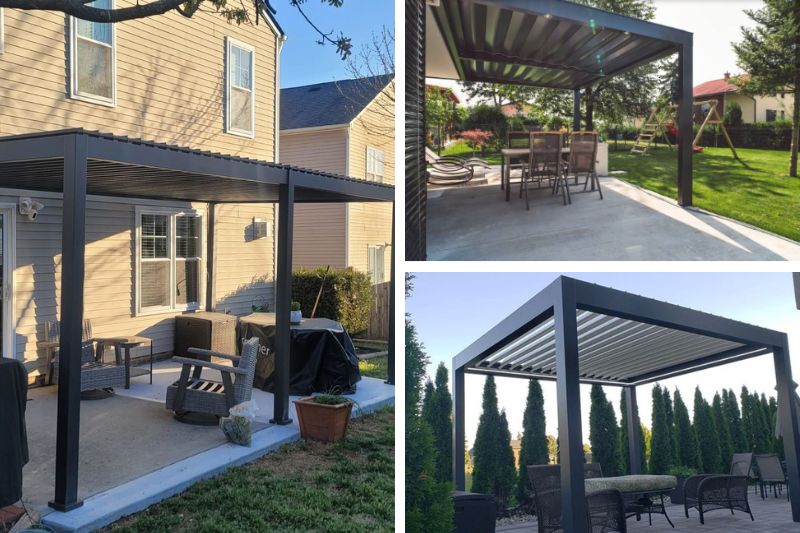
A pergola does not necessarily need to be on concrete; however, the choice of foundation can greatly impact its stability, longevity, and aesthetic appeal. Here are various considerations to keep in mind when deciding whether to place a pergola on concrete or opt for another foundation type.
Benefits of Concrete Bases for Pergolas
Using a concrete base for a pergola can offer several benefits:
- Stability: Concrete provides a solid and stable foundation, reducing the risk of shifting or settling over time.
- Durability: Concrete is resistant to rot, pests, and weather damage, ensuring that the pergola remains reliable for many years.
- Low Maintenance: Once installed, a concrete base requires little to no upkeep compared to other foundation materials.
Alternative Foundation Options
There are various alternatives to concrete that can be used for supporting a pergola:
- Ground Posts: Directly burying posts into the ground can provide a more natural look, though care must be taken to prevent rot.
- Deck Blocks: These are pre-cast concrete blocks designed to support posts without being set in solid concrete.
- Gravel Beds: A gravel foundation can promote drainage and is often used for temporary or less permanent installations.
Climate Considerations
The local climate can significantly influence the choice of foundation for a pergola:
- Freeze-Thaw Cycles: In colder climates, concrete may be necessary to prevent ground heaving.
- Heavy Winds: In windy areas, a sturdy concrete foundation may help anchor the pergola and prevent damage.
- Flooding Risks: If flooding is an issue, using raised platforms like concrete may be advisable.
Building Codes and Regulations
Before installing a pergola, it's essential to check local building codes and regulations:
- Permits: Certain areas require permits for your structure, especially if built on concrete.
- Height Restrictions: Local laws may dictate the maximum allowable height of a pergola.
- Foundation Requirements: Some jurisdictions may have specific rules regarding the type of foundation needed based on soil type.
Cost Considerations
The cost of installation can also play a role in deciding whether to use concrete:
- Material Costs: Concrete may involve higher initial material costs compared to alternatives like ground posts or blocks.
- Labor Costs: Installing a concrete foundation typically requires more labor, increasing the overall installation price.
- Long-Term Savings: Investing in a concrete base can save costs associated with repairs and maintenance over time.
Questions from Our Readers
Does a pergola need to be anchored to concrete?
Yes, a pergola generally needs to be anchored to concrete or another stable foundation to ensure its stability and durability. Without proper anchoring, the structure can be susceptible to wind and other environmental factors that may cause it to topple or suffer damage.
What types of anchors are best for a pergola?
The best types of anchors for a pergola include concrete anchors, post anchors, or lag bolts. These options help secure the pergola to the concrete base, providing the necessary support to withstand various weather conditions.
Can I build a pergola without anchoring it?
While it is technically possible to build a pergola without anchoring it, it is not recommended. A pergola that is not anchored will be more prone to shifting, falling, or becoming damaged over time, making it essential to secure it properly.
How deep should the concrete footings be for a pergola?
The concrete footings for a pergola should typically be at least 24 inches deep to ensure proper support. This depth helps prevent the footings from shifting and provides a stable base for the post anchors that will hold the pergola securely.
See also:

If you want to read more articles like Does a Pergola Need to Be Anchored to Concrete? Essential Tips for Stability and Safety, we recommend you check out our Pergola category.
Leave a Reply
Related Articles