Why Should You Not Put Mulch Around Your House? Key Reasons and Alternatives Explained

Mulch is often used in gardening and landscaping for its aesthetic appeal and moisture retention properties. However, placing mulch around your house can lead to several unforeseen issues. While it may seem like a harmless addition, it can create a conducive environment for pests, increase the risk of fire, and promote moisture buildup that damages your home’s foundation. In this article, we will explore the key reasons why you should reconsider using mulch around your house and discuss practical alternatives that can enhance your landscaping without compromising your home’s safety and integrity.
Potential Risks of Placing Mulch Near Your Home
Mulch is often used in gardening and landscaping for its aesthetic benefits and ability to retain moisture, but placing it too close to your home can lead to several significant issues. One of the primary concerns is that mulch can create a conducive environment for pests and termites, as the organic material decomposes and retains moisture that attracts these damaging insects. Additionally, a thick layer of mulch can impede proper drainage, causing water to accumulate against your foundation and potentially leading to water damage or mold growth inside your home. Furthermore, if mulch is placed directly against the siding, it can cause deterioration over time, particularly if the siding is wood-based. Homeowners should be cautious and consider these risks before using mulch in close proximity to their houses.
Increased Pest Activity
Using mulch around your home can significantly increase the activity of pests such as ants, termites, and other insects. The organic nature of mulch provides a perfect habitat for these creatures, allowing them to thrive and potentially invade your house. With the right conditions, mulch can also attract rodents and snails, creating a greater likelihood of infestation and necessitating costly pest control measures.
Water Drainage Issues
Proper drainage is crucial for maintaining the integrity of your home's foundation. When mulch is piled too high against the foundation, it can obstruct water flow and lead to standing water near the house. This water accumulation can cause deterioration of building materials and increase the risk of flooding in basements or crawl spaces, which can create long-term structural issues and promote mold growth.
Mold and Mildew Growth
A moist environment created by excessive mulch can lead to the development of mold and mildew, both of which can pose health risks to residents. Mold spores can spread quickly, impacting indoor air quality and potentially causing respiratory issues. It is vital to keep mulch at a safe distance from your home's exterior to reduce the risk of such growth, ensuring a healthier living environment.
Damage to Siding and Foundation
When mulch is in direct contact with your home’s siding, it can cause significant damage over time. Moisture retained by the mulch can lead to rot and deterioration, especially in wood siding, compromising the protective barriers of your home. Additionally, if mulch is piled against the foundation, it can trap moisture, increasing the risk of cracks and structural damage that can become expensive to repair.
Attracting Weeds
While mulch is often applied to suppress weeds, when placed improperly, it can actually facilitate their growth. Mulch that is too thick can prevent sunlight from reaching the soil, creating a favorable environment for weed seeds to germinate underneath. This not only defeats the purpose of using mulch for weed control but can also require more maintenance and effort to manage these pesky invaders.
| Risk | Description |
|---|---|
| Pests | Increased activity from insects and rodents due to habitat creation. |
| Water Issues | Poor drainage can lead to standing water and foundation problems. |
| Mold Growth | High moisture levels can promote mold and mildew, affecting health. |
| Siding Damage | Contact with mulch can rot wood siding and damage foundations. |
| Weeds | Improperly applied mulch can promote weed growth, requiring more maintenance. |
What is the best thing to put around the foundation of a house?
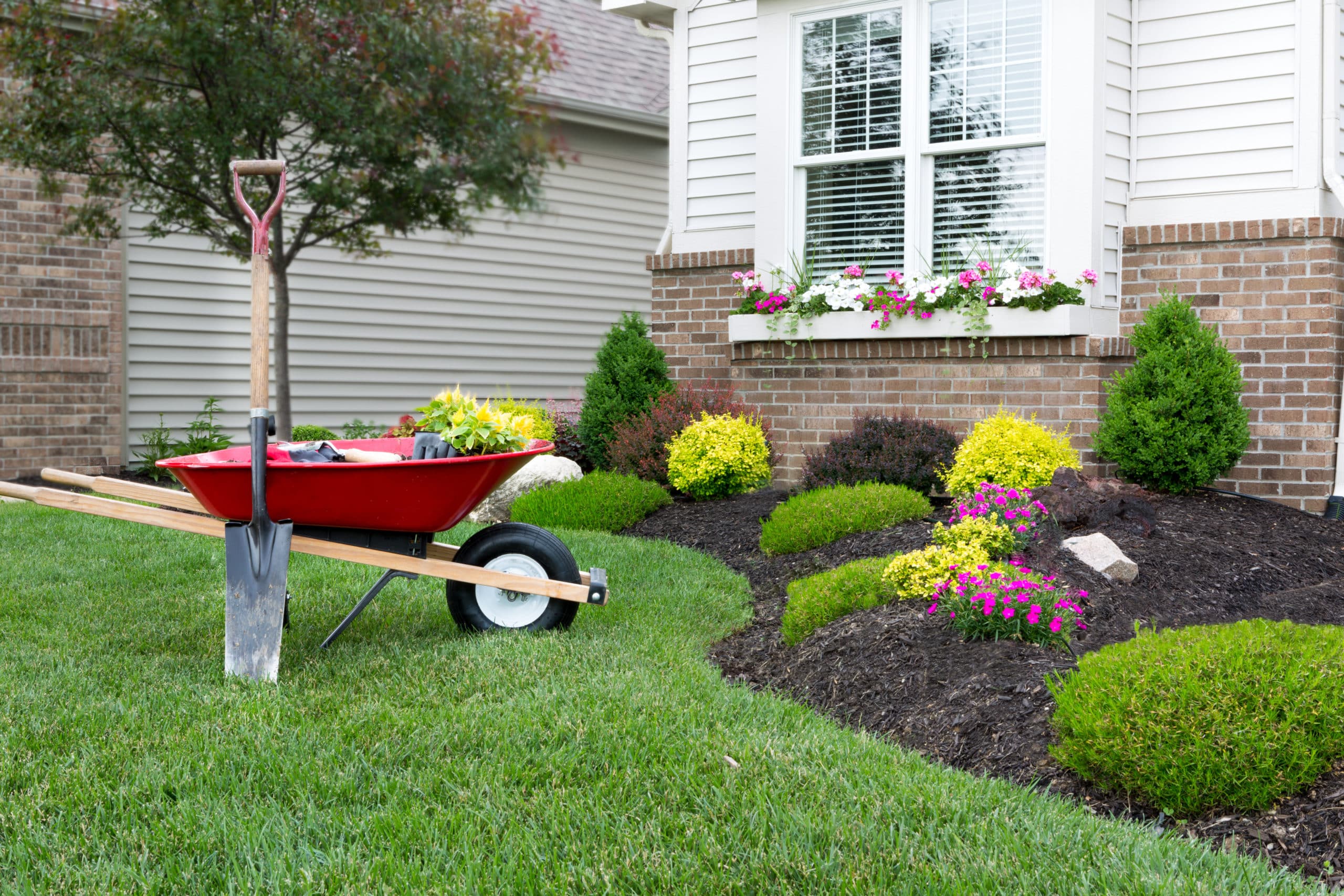

To ensure the longevity and stability of a house, it is essential to implement effective measures around its foundation. One of the best solutions for this is to use drainage systems and proper landscaping techniques. Effective drainage helps to direct water away from the foundation, preventing moisture accumulation that could lead to structural damage.
Proper Drainage Systems
Installing an appropriate drainage system is vital. A well-designed system prevents water from pooling around the foundation. Here are some key components to consider:
- French Drains: These trenches filled with gravel and a perforated pipe redirect water away from the foundation.
- Downspout Extensions: Ensure that downspouts direct water at least 6 feet away from the foundation.
- Surface Grading: The ground should slope away from the foundation to promote better water runoff.
Landscaping Techniques
Landscaping plays a crucial role in protecting the foundation. Implementing the right landscaping features can significantly reduce the risk of moisture-related problems. Consider the following:
- Plant Selection: Choose plants with low water requirements to minimize moisture retention around the foundation.
- Beds and Borders: Use raised garden beds or borders that direct water away from the foundation’s perimeter.
- Healthy Grasses: Maintain healthy turf that can absorb rainfall effectively without saturating the area around the foundation.
Soil Management
Managing the soil around the foundation is critical for long-term stability. The type and condition of soil influence how water drains. Consider these soil management techniques:
- Soil Compaction: Ensure the soil is adequately compacted to prevent erosion and settling.
- Soil Type: Use well-draining soil, such as sandy or loamy soil, to facilitate proper drainage.
- Soil Amendments: Regularly amend the soil with organic materials to improve its structure and drainage capacity.
Foundation Vents
Installing foundation vents or vents on piers is important to maintain airflow and control moisture levels under the house. Proper venting can prevent mold and rot, which can weaken the foundation over time. Key points include:
- Vent Placement: Install vents on opposite sides of the foundation to promote cross-ventilation.
- Size of Vents: Ensure that vents are adequately sized to allow sufficient airflow based on the foundation's area.
- Maintenance: Regularly check and clean vents to ensure they are not blocked by debris.
Foundation Waterproofing
Implementing waterproofing measures around the foundation is crucial in preventing water infiltration. This is particularly important in regions with high rainfall or flooding risks. Consider the following options:
- Waterproof Membranes: Apply a waterproof membrane to the exterior of the foundation walls to keep moisture out.
- Sealants: Use specific sealants to fill cracks and joints that can allow water to penetrate.
- Drainage Mats: Place drainage mats against the foundation walls to direct water away and provide an additional layer of protection.
What is a major downside to mulching?

One major downside to mulching is that it can potentially lead to pest problems. While mulch provides numerous benefits, such as moisture retention and weed suppression, it can also create an ideal environment for certain pests, including insects and rodents. The organic material in mulch can decompose and provide nutrients that attract pests, which may then infest nearby plants.
See also:
Potential Pest Infestation
Mulching can invite a variety of pests to your garden, which can lead to significant problems if not monitored. This occurs because mulch acts as a barrier, retaining moisture and warmth, creating a perfect habitat for pests.
- Insects: Certain insects, such as termites and ants, may thrive in mulched areas, potentially causing damage to plants and structures.
- Rodents: The shelter provided by mulch can attract rodents, which can feed on plants and crops.
- Fungal Diseases: Moisture retained by mulch can lead to increased humidity, which is conducive to the development of fungal diseases.
Decomposition and Nutrient Imbalance
Organic mulch decomposes over time, which can lead to nutrient imbalances in the soil. As it breaks down, it releases nutrients, but this can sometimes occur too rapidly or in an excess amount.
- Nutrient Leaching: Rapid decomposition can lead to leaching of essential nutrients, which may be washed away during rain.
- Soil pH Changes: The breakdown of certain types of mulch can alter the pH of the soil, potentially making it less suitable for certain plants.
- Temporary Nutrient Surge: While initially beneficial, an excessive nutrient release can favor certain plants over others, leading to competition.
Water Retention Issues
While mulching is intended to conserve moisture, improper application can lead to water retention issues. If mulch is too deep, it may inhibit adequate water penetration to plant roots.
- Root Suffocation: A thick layer of mulch can prevent air circulation, which is essential for root health.
- Over-saturation: Excess mulch can lead to overly wet conditions, causing root rot and other moisture-related issues.
- Inconsistent Watering: Depth variations in mulch can result in some areas receiving too much moisture while others remain dry.
Weed Growth Regulation
While mulching is effective at suppressing weed growth, if not properly managed, it can give rise to specific types of weeds that thrive in mulched environments.
- Perennial Weeds: Some perennial weeds can become established in mulch and may be more challenging to eliminate once settled.
- Seed Dispersal: Mulch can harbor seeds from unwanted plants, allowing them to germinate in the warm, damp environment.
- Maintenance Dilemmas: Regularly replacing or refreshing mulch can inadvertently disturb the soil, encouraging additional weed growth.
Cost and Labor Considerations
Implementing and maintaining a mulching system can be labor-intensive and financially costly, depending on the type and amount of mulch used.
- Material Costs: High-quality mulch can be expensive, potentially increasing garden maintenance costs.
- Labor Requirement: Applying and replenishing mulch requires time and effort, which may not be feasible for all gardeners.
- Transportation and Accessibility: Acquiring mulch may involve transportation logistics that can add to the overall upkeep cost.
Questions from Our Readers
Why is mulch around the house a potential fire hazard?
Mulch is often made from organic materials that can easily catch fire, especially in dry conditions. When placed near the house, it can increase the risk of flames spreading to the structure, particularly during hot weather or in the event of nearby wildfires. Thus, it's important to use non-flammable alternatives for landscaping near your home.
Can mulch attract pests to my house?
Yes, mulch can attract various pests such as termites, ants, and rodents. These pests are drawn to the moisture and organic matter in mulch, which can create an ideal living environment for them, potentially leading to infestations in your home. Keeping mulch away from the foundation can help mitigate this risk.
Does mulch retain moisture that could damage my house?
Mulch retains moisture, which can promote mold and fungus growth in areas close to your home. When moisture stays near the foundation, it can lead to potential water damage, weakening the structure or promoting wood rot in wooden parts of your house. It’s advisable to maintain a dry area around the foundation to prevent these issues.
See also:
Are there better alternatives to mulch for landscaping near my house?
Yes, there are several alternatives to mulch that are generally safer. Options like rocks, gravel, or pavers can provide effective ground cover without the associated risks of fire or pest attraction. These materials allow for proper drainage around the foundation and reduce the potential for moisture retention, making them a safer choice for landscaping near your home.

If you want to read more articles like Why Should You Not Put Mulch Around Your House? Key Reasons and Alternatives Explained, we recommend you check out our Mulch category.
Leave a Reply
Related Articles