How Many Sprinkler Heads Can I Put on One Line? A Comprehensive Guide to Efficient Irrigation Planning
When planning an irrigation system, one of the most crucial questions is, How many sprinkler heads can I put on one line? Understanding this topic is essential for ensuring efficient water distribution and maintaining a healthy landscape. Overloading a single line with multiple heads can lead to uneven watering, water waste, and compromised plant health. This comprehensive guide will explore the factors that influence the number of sprinkler heads per line, including water pressure, flow rate, and the type of sprinkler used. By following the best practices outlined here, you can achieve an optimal irrigation system that supports your gardening needs.
Determining the Number of Sprinkler Heads per Line
The number of sprinkler heads you can install on a single irrigation line largely depends on several factors, including the water pressure, the type of sprinkler heads, and the flow rate required by each head. Generally, a standard recommendation is to limit the number of heads on a line to ensure each head receives adequate flow and pressure for optimal performance. For example, if the flow rate of your water supply is 10 gallons per minute (GPM) and each sprinkler head requires approximately 2 GPM, you can connect up to five heads on that line, provided there are no significant pressure losses due to distance or other factors.
Understanding Water Pressure
Water pressure is a crucial element when determining how many sprinkler heads to connect on a single line. Sprinklers typically operate effectively within a pressure range of 30 to 50 PSI. If the pressure is too low, it might limit the number of heads that can be operated simultaneously, leading to inadequate coverage. Conversely, too high of a pressure may cause damage to the sprinkler heads. Thus, it's essential to measure the water pressure at the start of your system to strategize how to best utilize your sprinkler heads.
Calculating Flow Rate
The flow rate is the volume of water that passes through a given point in a time frame, usually measured in gallons per minute (GPM). Each type of sprinkler head consumes a specific volume of water when operating. By calculating your total available flow rate and comparing it with the flow requirements of the intended sprinkler heads, you can determine how many can be placed on one line without experiencing a drop in performance.
Types of Sprinkler Heads
Different types of sprinkler heads have varying water usage and may require different amounts of flow and pressure. For example, rotary heads may need more water than fixed spray heads. Knowing the type of sprinkler head you are using will allow you to gauge their water needs accurately, helping you avoid placing too many heads on one line, which could cause decreased efficiency and uneven watering.
Pipe Size Considerations
The size of the irrigation pipe will also influence how many sprinkler heads can efficiently operate on a single line. A larger diameter pipe can carry more water, allowing for more heads to be placed on that line. If the pipe is too small, it may not provide sufficient water to all connected heads when they operate simultaneously, resulting in some areas receiving little to no coverage.
Layout and Design of the Sprinkler System
The overall layout and design of your sprinkler system should also be taken into consideration. If your design involves longer runs or multiple branches off the main line, you may need to reduce the number of heads on each line to ensure that the water pressure and flow rate are adequate throughout the entire system. Proper design can optimize head placement, leading to better irrigation efficiency.
| Factor | Impact on Number of Heads |
|---|---|
| Water Pressure | Affects efficiency and flow to each head |
| Flow Rate | Determines how many GPM can be distributed |
| Type of Sprinkler Head | Different heads require different amounts of water |
| Pipe Size | Affects total water delivery capacity |
| System Layout | Affects pressure and flow distribution |
How many sprinkler heads can be off one pipe?

The number of sprinkler heads that can be off one pipe depends on several factors, including the pipe size, water pressure, and the specific requirements of the sprinkler system. Typically, the most common guidelines suggest that between 8 to 12 heads can be connected to a single pipe run, but this can vary based on local codes and regulations.
Factors Influencing the Number of Sprinkler Heads
Pipe Size
The size of the pipe significantly impacts the number of heads that can be installed. A larger diameter allows for more water flow and pressure, enabling more heads on the same line.
- 1-inch pipe: Usually supports 8 to 10 heads.
- 1.5-inch pipe: Can accommodate around 12 to 15 heads.
- 2-inch pipe: May support 15 or more heads, depending on the layout.
Water Pressure
Water pressure is critical in ensuring that each head receives adequate flow. Insufficient pressure can lead to inadequate coverage and performance.
See also:
- Minimum pressure: 30 PSI is generally required for effective operation.
- Ideal pressure: 40-50 PSI allows for optimal performance.
- Higher pressure: May allow for the usage of more heads simultaneously but increases the risk of leaks.
Sprinkler Head Type
Different types of sprinkler heads have varying flow rates and coverage areas, which affect how many can be added to one pipe.
- Fixed spray heads: Typically have higher flow rates, allowing fewer heads per pipe.
- Rotary heads: Generally provide lower flow rates, so more can be added without overwhelming the system.
- Drip emitters: Can be placed in greater numbers as they utilize minimal water.
System Design and Layout
The design of the sprinkler system and layout of the head placement are vital for efficient flow and coverage.
- Zoning: Dividing the area into zones allows for more efficient control and potentially more heads per zone.
- Spacing: Proper spacing between heads ensures adequate coverage and prevents overlapping.
- Elevation: The height of the heads relative to the surrounding landscape can impact performance.
Local Codes and Regulations
Local building codes and regulations often dictate the maximum allowed number of sprinkler heads per pipe based on safety standards.
- Consult local codes: Always check with local authorities for specific regulations.
- Professional installations: Hiring certified professionals can ensure compliance with all regulations.
- Record-keeping: Documentation of the system layout and head counts may be required for inspections.
How many sprinkler heads can I run at once?

To determine how many sprinkler heads you can run at once, you need to consider several factors including the water pressure, flow rate, and the type of sprinkler heads you are using.
Factors Affecting the Number of Sprinkler Heads
When planning your irrigation system, understanding these factors is crucial. Here are the key elements to consider:
- Water Pressure: The pressure of the water supplied to the sprinkler system affects how many heads can operate simultaneously. Most residential systems operate at between 40 to 60 PSI (pounds per square inch).
- Flow Rate: This refers to the volume of water available from your supply line, measured in gallons per minute (GPM). Different sprinkler heads require different GPMs to function properly.
- Sprinkler Type: Different types of sprinklers, such as stationary, rotating, or drip heads, have varying requirements for pressure and flow rates. Make sure to understand the specs for each type.
Calculating Flow Rate for Sprinkler Heads
To accurately determine how many sprinkler heads you can run, you need to calculate the total flow rate available and compare it to the flow rate required by each head.
- Check Your Water Meter: Start by checking the flow rate of your water supply system, often indicated on your water meter or in your water supply documentation.
- Determine Individual Sprinkler Requirements: Consult the manufacturer's specs for each sprinkler head to know the flow rate required for optimal performance.
- Perform Basic Calculation: Divide your total available flow rate by the flow rate of one sprinkler head to determine how many can run together.
Recommended Ratios for Sprinkler Systems
While the specifics can vary by system, there are common guidelines to help you manage your sprinkler system effectively.
- General Guideline: A common recommendation is that residential irrigation systems should not exceed a maximum flow rate that can supply around 5 to 10 heads at once.
- Use Zones Strategically: Organize your sprinklers into zones based on their flow and pressure needs to avoid overloading any single part of the system.
- Test and Monitor: Regularly test your system and monitor how many heads can run simultaneously without dropping pressure, adjusting as needed.
Issues With Running Too Many Heads
See also:
Running too many sprinkler heads at once can lead to several issues that compromise their performance.
- Low Water Pressure: This can reduce the effectiveness of irrigation, leading to uneven watering.
- Sprinkler Overlap: To cover an area adequately, be cautious of the overlap between heads, which can be influenced by the number being run at the same time.
- Potential Damage: Excessive strain on the system can lead to leaks or damage over time.
Tips for Efficient Sprinkler Use
To maximize efficiency and performance, consider these best practices for managing your sprinkler system.
- Regular Maintenance: Regularly check for any problems such as clogged heads or leaks that may affect performance.
- Seasonal Adjustments: Adjust the number of heads in use based on seasonal water needs, such as reducing heads in rainy seasons.
- Smart Controllers: Utilize smart irrigation controllers that can schedule and manage watering times based on weather conditions.
What is the 3x rule for sprinklers?
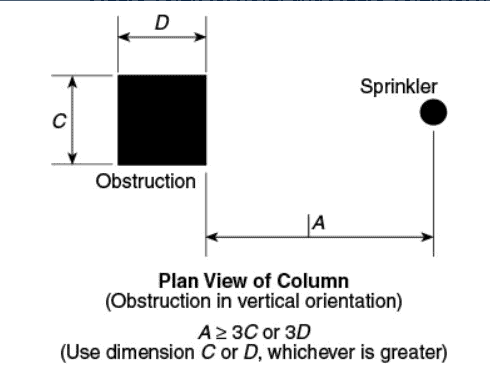
The 3x rule for sprinklers is a guideline used in landscape irrigation design that helps to determine the spacing and water coverage of sprinkler systems. According to this rule, the distance between sprinklers should be three times the radius of the sprinkler's watering pattern. This approach ensures that the selected sprinkler system provides uniform coverage and minimizes water wastage due to overspray or overlap.
Understanding the 3x Rule
The 3x rule serves as a useful standard for determining how far apart to space sprinklers in an irrigation system. By following this rule, landscape designers can avoid dry spots or areas receiving excessive water. Key points include:
- The coverage radius of a sprinkler indicates how far its water droplets travel.
- Sensors or calculations should define the radius based on actual sprinkler performance.
- Adjustments may be necessary depending on factors like wind or terrain to optimize effectiveness.
Benefits of Implementing the 3x Rule
Employing the 3x rule can lead to several benefits when designing a sprinkler system. A well-planned irrigation layout can help conserve water and promote healthy plant growth. Notable advantages include:
- Efficiency in water use, reducing unnecessary waste.
- Improved uniformity in water distribution, resulting in healthier landscapes.
- Potential cost savings due to more effective water management.
Applying the 3x Rule in Different Terrains
When applying the 3x rule, it’s essential to consider the specific characteristics of the terrain where the sprinklers will be installed. Different landscapes and conditions require careful adjustments. Key considerations entail:
- The type of plants and their water needs will affect spacing.
- Sloped areas may require closer sprinkler spacing to ensure coverage.
- Environmental factors such as sunlight and shelter can influence water evaporation rates.
Common Misconceptions about the 3x Rule
There are several misconceptions surrounding the 3x rule that can lead to confusion in sprinkler system design. It’s crucial to distinguish facts from myths. Common misunderstandings include:
- Some believe the rule applies universally to all sprinkler types, which can vary in coverage.
- It is sometimes thought that the 3x rule guarantees no overlap, but adjustments may still be needed.
- Many assume that following the rule strictly is sufficient, ignoring other design factors that may be pivotal.
Adjustments to the 3x Rule
Although the 3x rule provides a solid foundation for sprinkler spacing, certain adjustments may be necessary to achieve optimal irrigation performance. Factors influencing these adjustments include:
- Overlap can be beneficial in areas with high evapotranspiration rates.
- Understanding wind patterns is crucial, as wind can significantly alter the path of water.
- Seasonal changes and plant growth patterns can necessitate different coverage strategies.
Questions from Our Readers
How many sprinkler heads can I put on one line?
The number of sprinkler heads you can put on one line typically depends on the water pressure and the flow rate of your system. A general rule of thumb is to have no more than 10 to 12 heads per line, but it's essential to consult the manufacturer's specifications and local regulations.
What factors determine the number of sprinkler heads on a line?
Several factors affect how many sprinkler heads can be installed on a single line, including the pipe diameter, water pressure, flow rate, and the specific requirements of the different types of sprinkler heads used. Properly assessing these factors ensures optimal performance.
See also:
Can I exceed the recommended number of sprinkler heads?
While it might be tempting to exceed the recommended number of sprinkler heads, doing so can lead to poor irrigation coverage, increased water waste, and potential damage to your system. It's always advisable to follow the manufacturer’s guidelines for the best results.
How can I calculate the ideal number of sprinkler heads for my system?
To calculate the ideal number of sprinkler heads, you need to determine your water pressure and flow rate, then divide the total flow rate by the flow rate of each head. This calculation will give you a clearer idea of how many heads you can install without compromising efficiency.

If you want to read more articles like How Many Sprinkler Heads Can I Put on One Line? A Comprehensive Guide to Efficient Irrigation Planning, we recommend you check out our Irrigation category.
Leave a Reply
Related Articles