What is the Cheapest Way to Build a Greenhouse? 7 Budget-Friendly Tips for DIY Success

Building a greenhouse can be an exciting venture, allowing you to extend your gardening season and cultivate a variety of plants. However, the costs can quickly add up, making it seem daunting for those on a budget. Fortunately, creating an affordable greenhouse is entirely possible with some smart planning and resourcefulness. In this article, we will explore the cheapest ways to construct a greenhouse, providing you with seven budget-friendly tips that will help you achieve DIY success without breaking the bank. Whether you’re a seasoned gardener or a beginner, these strategies will make your greenhouse dream a reality.
Affordable Strategies for Building a Greenhouse
Building a greenhouse on a budget can be achieved by considering several key strategies. Choosing affordable materials such as PVC pipes for the frame and polyethylene film for covering can significantly reduce costs. Opting for a small, simple structure rather than a larger one can help keep expenses low, as can sourcing used materials from local classifieds or construction sites. DIY methods are highly encouraged to avoid labor costs, and utilizing local climate knowledge can aid in selecting designs that are efficient yet inexpensive. These strategies combined can help you create a functional greenhouse without breaking the bank.
Choosing Cost-Effective Materials
When building a greenhouse, the selection of materials can greatly influence overall costs. Instead of traditional glass panels, consider using polyethylene film or polycarbonate, which are both cheaper and often more efficient for insulation. Additionally, rather than wooden frames, using PVC pipes or reclaimed wood improves sustainability while lowering expenses. This not only saves money but also can contribute to a unique, personal touch in your greenhouse design.
Utilizing DIY Techniques
Engaging in DIY techniques can dramatically reduce labor costs associated with greenhouse construction. There are countless resources available online that provide step-by-step guides for building greenhouses, which often include designs that require minimal tools or advanced skills. By taking on the project personally or involving friends and family, you not only save money, but also gain valuable experience and knowledge in gardening and construction techniques.
Sourcing Used or Returned Materials
Finding used materials is an excellent way to cut costs when building a greenhouse. Websites like Craigslist, Facebook Marketplace, or local swap meets often have listings for leftover building supplies, including framing and covering materials. Contacting local suppliers about excess stock or returned items can also result in significant savings. Reusing materials not only reduces expenses but aligns with sustainable building practices.
Designing a Smaller Structure
Opting for a smaller greenhouse can save on both materials and heating costs, making it a strategic choice for budget-conscious builders. A compact design can still be effective for personal gardening needs, especially if it's well-oriented to maximize sunlight exposure. By scaling down, the overall footprint allows you to reduce the amount of covering needed, while still maintaining an efficient growing environment for various plants.
Planning for Climate Efficiency
Understanding your local climate can lead you to make design choices that keep your greenhouse costs down and improve its efficiency. For instance, utilizing natural ventilation methods can reduce the need for expensive heating or cooling systems. Implementing clever shading strategies using inexpensive materials can also help control the internal temperature of your greenhouse. These climate-aware adjustments ensure that the greenhouse serves its purpose effectively while remaining budget-friendly.
| Strategy | Cost-Saving Tip |
|---|---|
| Materials | Use polyethylene film instead of glass |
| DIY Methods | Research online tutorials for building |
| Used Materials | Check local classifieds for supplies |
| Smaller Structure | Build a compact design to save materials |
| Climate Planning | Design for natural ventilation to reduce costs |
What is the best and cheapest way to build a greenhouse?

To build a greenhouse in the best and cheapest way, consider several factors including materials, design, and location. A cost-effective approach often involves using recycled or inexpensive materials while also maximizing sunlight exposure and ensuring proper ventilation.
Choosing the Right Location
Choosing the correct location for your greenhouse is critical for maximizing sunlight and ensuring healthy plant growth. The ideal spot should offer:
See also:
- Sunlight: Select an area that receives at least 6-8 hours of direct sunlight daily.
- Accessibility: Ensure easy access to water and electricity if needed.
- Protection: Consider placing your greenhouse near a natural windbreak, such as trees or buildings, to protect it from harsh winds.
Material Selection
Utilizing affordable materials is essential to keep costs low while maintaining structural integrity. Here are viable options:
- Frames: Wooden frames can be built from reclaimed wood or pressure-treated lumber, while PVC pipes offer a lightweight and cheap alternative.
- Covers: For glazing, clear plastic sheeting or polyethylene film is often the most economical option compared to glass.
- Foundation: Use cement blocks or wooden skids as a foundation to provide stability and reduce costs.
DIY vs. Kits
Deciding between building your greenhouse from scratch or purchasing a greenhouse kit depends on your skills and budget. Consider:
- DIY Build: Building it yourself allows for customization, often resulting in cost savings.
- Greenhouse Kits: These kits come with pre-cut materials and instructions, although they may be pricier, they save time on construction.
- Skill Level: Assess your own skills; if you’re not handy, a kit may be worth the extra cost.
Design Considerations
The design of the greenhouse can significantly impact both cost and efficiency. Important design features include:
- Size: A smaller greenhouse will generally be less expensive to build and maintain.
- Ventilation: Incorporate roof vents and side windows to ensure proper airflow and temperature control.
- Slope: Design the roof with a slope to allow snow and rain to slide off easily, preventing damage.
Additional Cost-Saving Tips
Incorporating various strategies can help further reduce the overall cost of building a greenhouse. Consider these tips:
- Recycled Materials: Use pallets, old windows, and doors to construct the frame and walls.
- Community Resources: Check local classifieds or recycling centers for free or inexpensive building materials.
- Friends & Family: Gather help from friends or family to share labor costs and make the building process more enjoyable.
What is the cheapest material for a greenhouse?
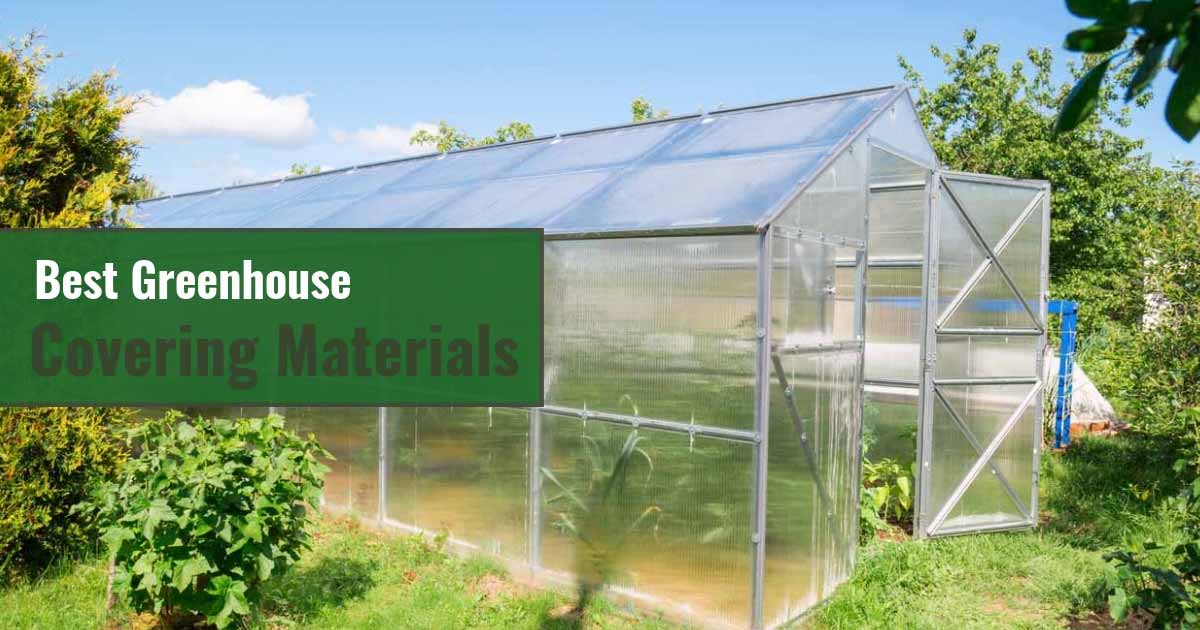
The cheapest material for a greenhouse is often considered to be plastic sheeting, specifically options like polyethylene. This material is relatively affordable, widely available, and easy to install, making it a popular choice for hobbyist growers. A greenhouse made with plastic sheeting can still provide enough sunlight for plant growth while maintaining a controlled environment. Other economical materials include polycarbonate panels, which offer durability and insulation but may increase costs slightly compared to plastic.
Types of Greenhouse Plastic Sheeting
Plastic sheeting comes in several types, each with varying characteristics:
- Single-layer polyethylene: This is the most affordable option, but it lasts for about three to five years.
- Double-layer polyethylene: Provides better insulation, though it slightly increases the cost.
- UV-stabilized film: Offers protection against ultraviolet rays, extending the lifespan but at a higher price.
Cost Comparison with Other Materials
When comparing greenhouse materials, the cost can greatly differ. The following points highlight the financial aspects:
- Glass: A traditional choice but expensive to install and maintain due to its fragility.
- Polycarbonate panels: More durable than plastic sheeting, yet can be significantly pricier.
- Fabric covers: Often less effective for long-term use, but can be a budget-friendly temporary solution.
Installation and Maintenance Costs
Installation and maintenance play a crucial role in the overall budget for a greenhouse:
- Ease of installation: Plastic sheeting is lighter and requires minimal tools for installation.
- Maintenance requirements: Plastic can tear and may need a full replacement after a few years, affecting overall cost.
- Cleaning and upkeep: Regular cleaning of materials like glass or polycarbonate is needed, which can add to costs.
Heat Retention Properties
Different materials offer varying levels of heat retention, impacting plant growth:
See also:
- Single-layer polyethylene: Poor heat retention, often requiring additional heating solutions.
- Double-layer structures: Provide better thermal insulation, helping to reduce heating bills.
- Polycarbonate: Known for its superior insulation properties, which can save on energy costs in colder climates.
Environmental Impact and Sustainability
Sustainability considerations are vital when selecting materials for a greenhouse:
- Recyclability: Some plastic sheeting options are recyclable, reducing environmental impact after use.
- Durability: Longer-lasting materials, like polycarbonate, may offer a better environmental footprint over time.
- Energy consumption: The greenhouse's heating needs can differ by material choice, affecting overall energy consumption.
What is a cheaper alternative to a greenhouse?

A cheaper alternative to a greenhouse is a hoop house or high tunnel. These structures are less expensive to construct and maintain while still offering a controlled environment for growing plants. Hoop houses consist of a series of arching hoops made from PVC or metal pipe and covered with heavy-duty plastic sheeting. This setup allows sunlight to penetrate while providing protection against harsh weather conditions, pests, and diseases.
Benefits of Hoop Houses
Hoop houses offer several benefits over traditional greenhouses, making them a popular choice for gardeners on a budget.
- Cost-Effective: Building a hoop house is significantly cheaper than constructing a full greenhouse. The materials needed are readily available and relatively inexpensive.
- Easy to Construct: Unlike greenhouses that often require considerable construction skills, hoop houses can be set up with minimal tools and skills.
- Portability: Hoop houses can be easily moved from one location to another, allowing flexibility in choosing the best growing site.
Materials Needed for a Hoop House
To build a hoop house, you will need a variety of basic materials that contribute to its structural integrity and functionality.
- Hoops: You can use PVC pipes or metal tubing to create the hoops that form the frame of the house.
- Plastic Sheeting: Heavy-duty plastic sheeting serves as the covering, allowing sunlight to enter while protecting your plants.
- Anchor Weights: Weights or anchors are necessary to secure the hoop house against wind and other weather-related risks.
Comparing Hoop Houses to Traditional Greenhouses
Understanding the differences between hoop houses and traditional greenhouses can help determine which is the best fit for your gardening needs.
- Structure: Hoop houses typically have a more simplistic design compared to the rigid structure of greenhouses.
- Climate Control: While both options provide climate protection, greenhouses can offer more advanced systems for ventilation and heating.
- Investment: The initial investment in hoop houses is considerably lower, making them accessible for hobbyists and small-scale farmers.
Season Extension with Hoop Houses
Hoop houses are particularly effective for extending the growing season, which is a major advantage for gardeners.
- Warmth Retention: The plastic covering traps warm air, helping to maintain a suitable temperature for plant growth during colder months.
- Pest Protection: By creating a barrier against pests, hoop houses reduce the need for chemical pest control.
- Growing Diverse Crops: With extended seasons, gardeners can plant a wider variety of crops, including those that wouldn’t survive in the local climate.
Considerations When Building a Hoop House
While hoop houses are budget-friendly, there are important considerations to keep in mind to ensure they function effectively.
- Location: Choose a location with ample sunlight and good drainage to optimize plant growth.
- Ventilation: Incorporate vents or other means for airflow to prevent overheating and humidity-related issues.
- Maintenance: Periodic maintenance is essential to check for any wear and tear on the plastic and frame to ensure longevity.
Questions from Our Readers
What materials are the most affordable for building a greenhouse?
Using materials like PVC pipes, recycled plastic, or wood can greatly reduce costs. Plastic sheeting can serve as an economical alternative to glass, while local sources for secondhand materials may also provide budget-friendly options.
How can I minimize labor costs when constructing a greenhouse?
To minimize labor costs, consider DIY construction as a viable option. Enlisting friends or family to help can also reduce expenses. Additionally, having a well-thought-out plan and using simple designs can facilitate a quicker build with less effort.
See also:
Are there any low-cost designs recommended for greenhouses?
Yes, designs such as hoop houses or A-frame structures are often recommended for their affordability and ease of assembly. These designs require minimal materials and can be effectively built with common items like PVC or wood, making them ideal for budget-conscious gardeners.
What are some tips for saving money on greenhouse accessories?
To save money on accessories, consider DIY solutions such as building your own shelving or using recycled containers for planting. Additionally, you can shop for used equipment online or at local gardening stores, as many gardeners sell excess supplies or tools at lower prices.

If you want to read more articles like What is the Cheapest Way to Build a Greenhouse? 7 Budget-Friendly Tips for DIY Success, we recommend you check out our Greenhouse category.
Leave a Reply
Related Articles