What is the Flashing Between Pergola and House? A Comprehensive Guide to Installation and Maintenance
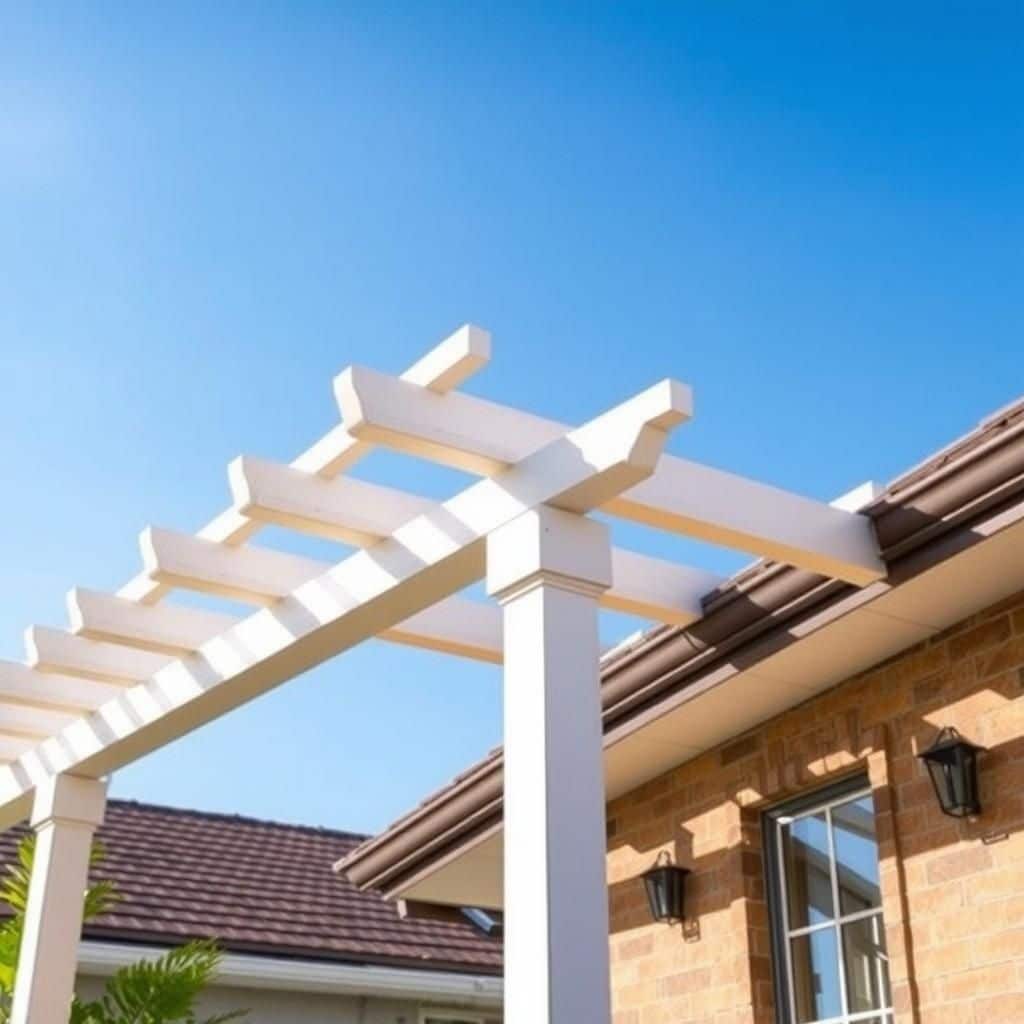
When it comes to enhancing your outdoor living space, a pergola offers both aesthetic appeal and functional benefits. However, achieving a seamless integration between your pergola and your house requires careful consideration, particularly with the installation of flashing. This essential element acts as a barrier against moisture, preventing potential damage to your home while ensuring the longevity of your pergola. In this comprehensive guide, we will explore the purpose of flashing between a pergola and your house, detail the installation process, and provide essential maintenance tips to help you ensure your structures remain in optimal condition for years to come.
What is the Flashing Between Pergola and House?
The flashing between a pergola and a house serves a critical function in preventing water infiltration. This material, typically made of metal or plastic, is installed where the pergola meets the exterior wall of the house to create a water-resistant barrier. Its primary purpose is to direct water away from vulnerable areas, thereby minimizing the risk of water damage to the house's structure and maintaining the integrity of both the pergola and the home. By effectively managing water runoff, flashing is essential for ensuring the longevity of the installation and protecting the home from potential leaks and rot.
Importance of Flashing
The importance of flashing cannot be understated when it comes to protecting the structural integrity of both the pergola and the house. Flashing acts as a safeguard against the accumulation of water, which can lead to severe issues such as mold growth, wood rot, and foundational damage. By channeling runoff away from vulnerable areas, flashing plays a crucial role in maintaining the lifespan of any outdoor structure as well as the home itself.
Types of Flashing Materials
There are various types of flashing materials available, each suited for different environmental conditions and aesthetic preferences. Common materials include aluminum, copper, and vinyl, with aluminum being the most popular due to its combination of durability and affordability. Copper offers a classic look and exceptional longevity, while vinyl is commonly used for its cost-effectiveness and ease of installation. The choice of material often depends on factors such as budget, climate, and design preferences.
Installation Process
The installation process of flashing between a pergola and a house is a critical step that requires careful attention to detail. Typically, the flashing should be affixed to the house first, ensuring that it overlaps the siding or any existing roofing materials to create a watertight seal. It should then extend out onto the pergola structure, with the correct slope to facilitate water drainage. Proper installation is essential to prevent any future water-related issues.
See also:
Common issues related to flashing often stem from improper installation or the use of inadequate materials. Poorly installed flashing can result in water pooling, which compromises the protective function and leads to moisture penetration. Additionally, if the flashing material deteriorates over time due to exposure to harsh weather conditions, it may require replacement to maintain its effectiveness. Identifying and addressing these issues quickly is crucial for preventing more significant damage.
Maintenance Tips for Flashing
Regular maintenance is essential to ensure the effectiveness of flashing over time. Homeowners should periodically inspect the flashing for any signs of damage, such as rust or cracks. Cleaning the area around the flashing helps remove debris that could obstruct water flow, while making any necessary repairs immediately can avert larger problems. It's advisable to check flashing, especially after severe weather, to ensure that it remains intact and functional.
| Flashing Material | Pros | Cons |
|---|---|---|
| Aluminum | Durable, cost-effective | May rust over time |
| Copper | Long-lasting, aesthetic appeal | More expensive |
| Vinyl | Easy to install, budget-friendly | Less durable than metal options |
Understanding the Importance of Flashing in Pergola Construction
Flashing serves as a crucial barrier against water intrusion between the pergola and the house, protecting the structural integrity of both structures. Properly installed flashing helps to redirect water away from vulnerable areas where the two surfaces meet, minimizing the risks of moisture damage and rot. Without adequate flashing, homeowners can face costly repairs due to leaks, mold growth, and deterioration of building materials. Understanding the types and proper application of flashing is essential for anyone looking to ensure their pergola is durable and long-lasting.
Types of Flashing Materials for Pergolas
There are several types of flashing materials available for pergola installation, each with its own benefits and considerations. Common materials include metal, PVC, and rubberized flashing. Metal flashing, often made of aluminum or galvanized steel, is highly durable and effective at repelling water, while PVC flashing is lightweight and resistant to corrosion. Rubberized flashing provides a flexible seal that can adapt to shifting structures, making it a popular choice for regions with extreme weather. Choosing the right type of flashing material is vital for ensuring long-term performance and protection against the elements.
Proper Installation Techniques for Flashing
Proper installation techniques are foundational to ensuring flashing performs its intended protective roles. When installing flashing between a pergola and a house, it’s essential to ensure that the flashing is level and lies flat against the surfaces to minimize gaps where water can seep in. Flashing should extend up the side of the house and extend over the top of the pergola for effective water diversion. Sealing the edges with weather-resistant caulk can prevent water from entering at the seams, thereby enhancing the durability of the installation. Attention to detail during installation will lead to a more effective barrier against moisture.
See also:
Common Issues with Flashing and How to Fix Them
Common issues with flashing often arise from poor installation, leading to leaks and water damage. One of the most frequent problems is improper sealing, which can allow moisture to infiltrate the joints. If homeowners notice signs of water damage near the flashing, they may need to re-evaluate their installation. This could involve adding more caulk, adjusting the flashing to ensure it is properly aligned, or replacing any damaged sections. Regular inspections of flashing can help catch these problems early and allow for timely repairs, preventing more extensive damage to the pergola and home.
Maintenance Tips for Flashing Between Pergola and House
To ensure the longevity and effectiveness of the flashing between a pergola and the house, regular maintenance is required. Homeowners should conduct periodic inspections, especially after extreme weather events, to check for signs of wear or damage. Cleaning debris from the flashing, such as leaves and dirt, can prevent water buildup and reduce the risk of leaks. Re-sealing the edges with caulk every few years can help maintain the integrity of the waterproof barrier. Keeping the flashing in good condition is essential to safeguarding the structural elements it protects.
Impact of Weather on Flashing Performance
Weather conditions can significantly impact the performance of flashing. Extreme heat can cause some materials, like rubberized flashing, to degrade faster, while heavy rainfall and snow can lead to increased water pressure against the flashing. Homeowners should consider the climate of their location when selecting flashing materials and installation techniques. For example, in areas prone to heavy rainfall, using thicker, more durable flashing materials might be beneficial. Regular maintenance and adjustments based on changing weather conditions can help ensure optimal performance and protection throughout the year.
Questions from Our Readers
What is the purpose of the flashing between a pergola and a house?
The flashing between a pergola and a house serves to prevent water from infiltrating the structure. It acts as a barrier, redirecting water away from the junction where the pergola meets the house, thus protecting both structures from potential damage.
How is the flashing installed between the pergola and the house?
The installation of flashing typically involves placing a strip of waterproof material along the area where the pergola connects to the house. This strip is often embedded in the roofing material of the house and secured to the pergola to ensure a tight seal that prevents leaks.
See also:
What materials are commonly used for flashing between a pergola and a house?
Common materials for flashing include aluminum, vinyl, or copper, all of which are designed to withstand outdoor conditions. These materials are chosen for their durability and ability to resist rust and deterioration over time, ensuring long-lasting protection.
Is flashing necessary for all pergolas attached to houses?
While not all pergolas require flashing, it is strongly recommended for those that are directly attached to a house. Flashing is essential in areas prone to heavy rain or moisture, as it significantly enhances the protection against water damage at the connection point.

If you want to read more articles like What is the Flashing Between Pergola and House? A Comprehensive Guide to Installation and Maintenance, we recommend you check out our Pergola category.
Leave a Reply
Related Articles