Expert Guide: Where to Cut Orchid Stem After Flowers Fall Off for Optimal Growth
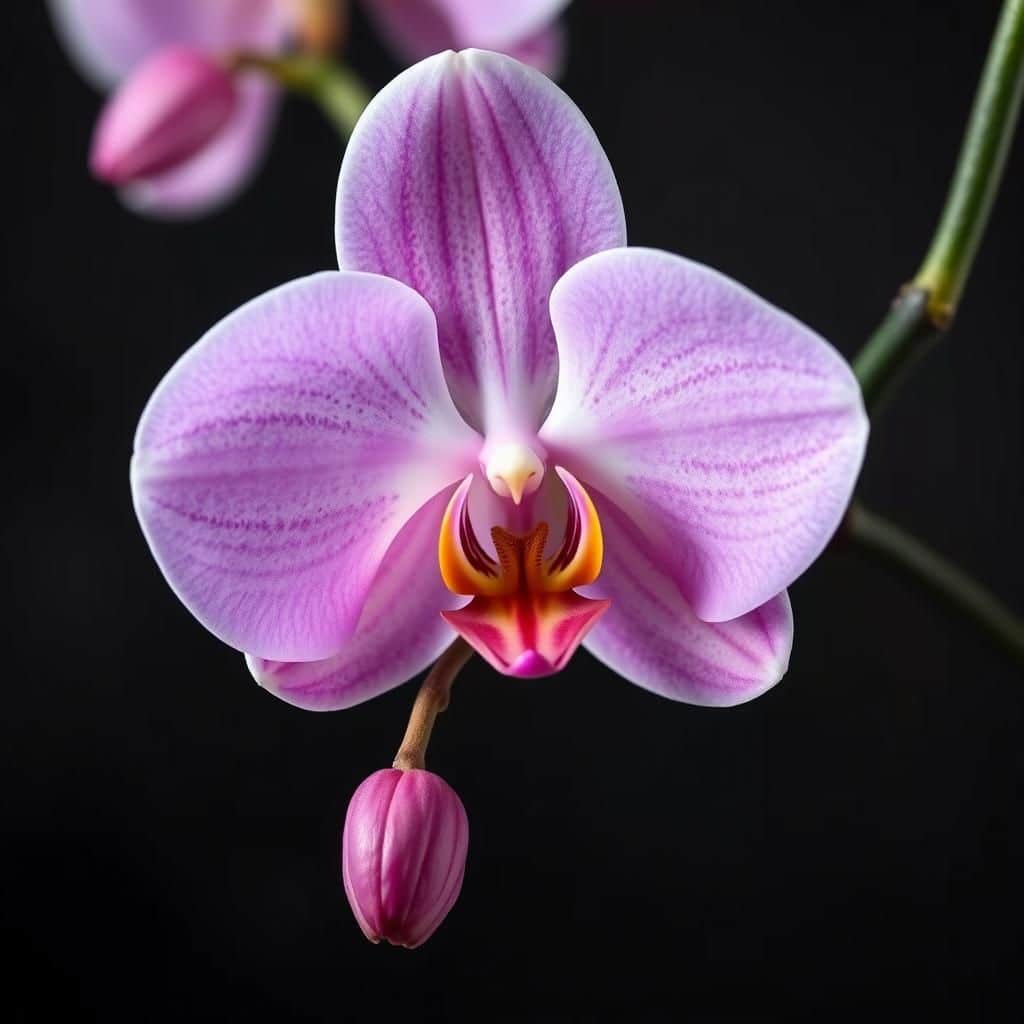
Orchids are renowned for their stunning blooms, but caring for them doesn't end once the flowers drop. Understanding the optimal time and technique for cutting an orchid stem is crucial for promoting healthy growth and encouraging future blossoms. This expert guide delves into the ideal locations for cuts, the types of orchids, and essential care tips to support your plant's recovery. Whether you're a novice or an experienced orchid enthusiast, mastering this skill not only enhances the longevity of your plant but also increases the chances of re-blooming. Join us as we explore this vital aspect of orchid care.
Where to Cut Orchid Stem After Flowers Fall Off
After your orchid has finished blooming and the flowers have fallen off, it is important to know where to cut the stem. Typically, you should look for the node or the healthy green part of the stem, which is usually a few inches below where the flowers were attached. Cutting above a node promotes new growth and can encourage the plant to develop new flower spikes. If the stem has turned brown or yellow, it is advisable to cut it back to the base of the plant, as this indicates that it is no longer viable. Always use sterilized tools to prevent any potential disease and ensure a clean cut for the best recovery.
Understanding Orchid Stem Anatomy
To properly cut your orchid stem after the flowers have fallen, it's crucial to understand its anatomy. The orchid stem, or spike, consists of nodes, which are the small bumps along the stem where flowers grow. Each node can potentially produce new growth. Recognizing the difference between a healthy node and a dead stem will help you decide where to make your cut. Healthy nodes are typically green, while dead sections are brown or yellow.
Timing for Cutting Orchid Stems
The timing of when to cut your orchid stems is key to the plant's recovery and future blooming. It is generally recommended to wait about six weeks after the last flower has fallen before making any cuts. This gives the orchid time to recuperate from the blooming cycle. Cutting too early can stress the plant, while waiting too long can hinder potential new growth.
Drying and Sterilizing Cutting Tools
Before making any cuts on your orchid stem, it's essential to prepare your cutting tools properly. Use a pair of clean, sharp scissors or pruning shears that have been sterilized with rubbing alcohol or a flame. This process eliminates any potential bacterial or fungal infections that could harm your plant. Always let the tools cool down if you use a flame to sterilize before making your cut, ensuring a clean and safe incision.
See also:
Post-Cut Care for Orchids
Once you have cut your orchid stem, providing proper care is vital for its recovery. Place the orchid in a location with indirect sunlight and maintain an appropriate humidity level for the plant. Water the orchid lightly, allowing the medium to dry slightly between waterings, as overwatering can lead to root rot. Additionally, consider applying a diluted orchid fertilizer every few weeks to boost growth recovery.
Signs of New Growth After Cutting
After you have cut the orchid stem, look out for signs of new growth, which can indicate that your plant is healthy and responding well to the cut. New shoots or spikes may begin to emerge from the nodes within several weeks, often marked by green growth at the tips. These new indicators are positive signs that the orchid is preparing for its next blooming cycle. Patience is essential during this period, as some species may take longer than others to show new activity.
| Aspect | Description |
|---|---|
| Node | Small bumps on the stem that can produce new growth. |
| Healthy Stem | Typically green and indicates viability for new growth. |
| Cutting Tools | Must be sterilized to prevent infections. |
| Post-Cut Care | Include proper positioning and watering techniques. |
| New Growth | Signs of healthy recovery can include new shoots or spikes. |
Understanding Orchid Stem Anatomy for Effective Pruning
Understanding the anatomy of an orchid stem is crucial before deciding where to cut after the flowers have fallen off. The nodes, which are the small bumps along the stem, play a vital role in the plant's growth. Cutting just above a node can stimulate new growth, while cutting too far down may result in a lack of blooms in the future. Additionally, knowing whether your orchid is a monopodial or sympodial type will influence your cutting strategy. By ensuring you make the cut at the right location, you can promote optimal health and flowering in your orchid.
Identifying the Right Timing for Cutting
The right timing for cutting your orchid stem significantly affects its recovery and future growth. After the flowers fall, it is essential to wait until the stem appears to be dormant, which usually occurs a few weeks later. Cutting too early can stress the plant, while waiting too long may lead to complications such as pest infestation or stem rot. Monitoring the condition of the stem and understanding the seasonal cycles of your orchid will guide you in making the right decision on when to cut.
Tools Needed for Proper Pruning
To effectively prune your orchid, having the right tools is essential for minimizing damage and promoting healing. A sharp, sterile pair of scissors or pruning shears should be your primary tool, as they ensure clean cuts that reduce the risk of infection. You may also want to have a disinfectant solution on hand, such as rubbing alcohol, to clean your tools between cuts, preventing the spread of diseases. Ensuring your tools are in excellent condition before pruning will help maintain the overall health of your orchid.
See also:
Tips for Making the Perfect Cut
Making the perfect cut involves precision and an understanding of where to cut on the stem. Aim to cut at a 45-degree angle just above a node to encourage new growth. This angle allows water to run off, reducing the risk of rot. Additionally, avoid cutting too much stem off, as leaving a longer portion can provide more support for future blooms. Paying attention to the placement of your cuts can significantly impact the future flowering cycle and overall vigor of your orchid.
Aftercare for Pruned Orchids
After pruning, providing the right care for your orchid is crucial for its recovery. Place your orchid in a location with indirect sunlight and maintain consistent watering without over-saturating the soil. Using a balanced orchid fertilizer can also help promote new growth during this recovery phase. Keep an eye out for pests and diseases, ensuring that your orchid remains healthy as it prepares for the next blooming cycle. Proper aftercare will ensure your efforts in pruning yield optimal results, rejuvenating your plant.
Common Mistakes to Avoid When Cutting Orchid Stems
Avoiding common mistakes in orchid stem cutting can enhance the plant's development significantly. One major mistake is not sterilizing tools before cutting, which can lead to infection. Another pitfall is misunderstanding the type of orchid you have, as different species may require different cutting techniques. Also, avoid cutting stems that are still green or lively, as they may still be capable of producing blooms. Being aware of these errors will help you make informed decisions and contribute to the overall success of your orchid care routine.
Questions from Our Readers
Where should I cut the orchid stem after the flowers fall off?
After the flowers of an orchid have fallen off, you should cut the stem just above the node that is closest to the base. This helps to promote new growth and encourages the plant to produce more flowers in the future.
How far down the stem should I cut?
You should aim to cut the stem about one inch above the nearest node, which is a small bump or bump-like structure on the stem. This provides enough space for the orchid to regenerate and potentially grow a new flower spike.
See also:
What tools should I use to cut the orchid stem?
To cut the orchid stem, it is best to use sharp and sterilized pruning shears or scissors. This ensures a clean cut that reduces the risk of infection and promotes better healing for the plant.
Can I cut the stem if it has turned brown?
Yes, if the stem has turned brown, it is a sign that it is no longer healthy. In such cases, you should cut it back to the base of the plant to encourage new growth and help the orchid thrive again.

If you want to read more articles like Expert Guide: Where to Cut Orchid Stem After Flowers Fall Off for Optimal Growth, we recommend you check out our Pruning category.
Leave a Reply
Related Articles