The Ultimate Guide to the Best Time of Year to Plant Grevilleas Australia for Optimal Growth

Australians are increasingly turning to Grevilleas for their resilience, stunning blooms, and ability to attract wildlife. However, to ensure these beautiful plants thrive, timing is crucial. Understanding the best time of year to plant Grevilleas can significantly impact their growth and health. Different regions in Australia experience varying climate conditions, which influence the ideal planting periods. This ultimate guide will explore the optimal seasons for planting Grevilleas across Australia, providing essential tips and insights to help gardeners achieve lush, vibrant plants that enhance their outdoor spaces. Join us as we uncover the secrets to successful Grevillea cultivation.
Best Time of Year to Plant Grevilleas in Australia
The best time of year to plant grevilleas in Australia is during the spring months, typically from September to November. This season provides the ideal conditions for planting, as the soil is warming up, and there is an increase in daylight hours, promoting healthy root establishment. Spring planting helps grevilleas to take advantage of the upcoming summer rains, which are crucial for their growth. Furthermore, planting during this period reduces the stress of extreme weather conditions, allowing young plants to flourish as they adapt to their new environment.
Understanding Grevillea Species
Different species of grevilleas have varying requirements regarding planting times and conditions. Some species are more resilient and can tolerate cooler temperatures, while others thrive in warmer climates. Understanding the specific needs of the grevillea species you plan to plant will help ensure that you choose the right time for optimal growth, allowing for better flowering and foliage production.
Soil Temperature Considerations
Soil temperature plays a significant role in the successful planting of grevilleas. Ideally, the soil temperature should be around 15-25°C (59-77°F) for the best seed germination and root development. In spring, as temperatures begin to rise, the soil reaches this optimal range, making it the perfect season to plant. Early planting in cooler soil can result in poor growth or even root rot, while waiting too long into the hot summer may stress the young plants.
Watering Needs After Planting
After planting, grevilleas require careful watering to establish their roots successfully. It's essential to maintain consistent moisture in the soil without overwatering, as grevilleas prefer well-drained conditions. During spring, the natural increase in rainfall often helps meet these watering needs, but it’s still important to monitor the soil conditions and ensure that the plants are neither too dry nor waterlogged, which could hinder their growth.
Benefits of Spring Planting
Spring planting offers several advantages, including the onset of warmer days and increased humidity, leading to improved photosynthesis and faster growth. The presence of favorable weather conditions fosters a healthier environment for grevilleas to establish themselves. Additionally, being planted in spring allows these plants to get a head start on the growing season, resulting in fuller growth and more vibrant blooms by summer and autumn.
Avoiding Frost Damage
One of the critical concerns when planting grevilleas is avoiding frost damage. Frost can severely damage young plants, making it vital to plant after the risk of frost has passed, which usually happens in late spring for most Australian regions. Monitoring local frost dates and ensuring that planting occurs in the warmer months will help to protect the delicate new growth from potential cold snaps.
| Grevillea Species | Ideal Planting Time | Soil Temperature |
|---|---|---|
| Grevillea robur | Spring (Sep-Nov) | 15-25°C |
| Grevillea juniperina | Spring (Sep-Nov) | 15-25°C |
| Grevillea 'Lady O' | Spring (Sep-Nov) | 15-25°C |
| Grevillea 'Ned Kelly' | Spring (Sep-Nov) | 15-25°C |
| Grevillea 'Moonlight' | Spring (Sep-Nov) | 15-25°C |
Where do Grevilleas grow best?
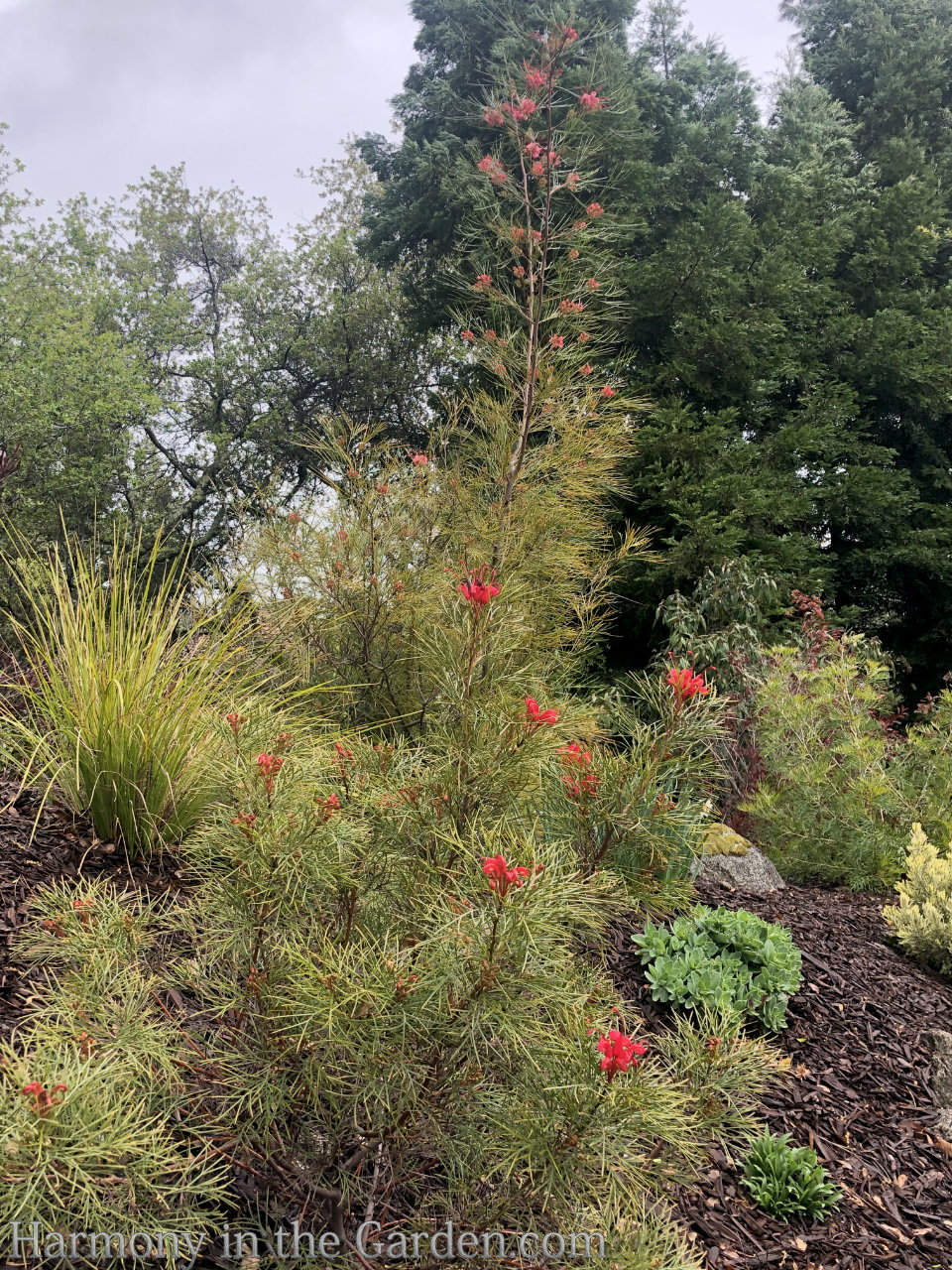
Grevilleas are an Australian genus of flowering plants that thrive under specific conditions. They generally grow best in well-drained soils and require a full sun exposure to flourish. The ideal climate for Grevilleas is typically temperate to subtropical, and they are known for their resilience to drought and poor soil conditions. Here are some factors that influence their growth:
Soil Conditions
Grevilleas prefer light, sandy soils that offer excellent drainage. Heavy clay soils can lead to root rot, which is detrimental to these plants. To create the perfect environment for Grevilleas, consider the following soil characteristics:
- Acidity: Grevilleas thrive in slightly acidic soils with a pH of around 5.5 to 6.5.
- Organic Matter: Adding organic material can improve soil structure and drainage.
- Nutrient Levels: These plants need low to moderate nutrient levels for optimal growth.
Climate Preferences
The climate plays a crucial role in determining where Grevilleas can grow successfully. They are adapted to regions that experience specific weather patterns:
- Warm Temperatures: Ideally, daytime temperatures should be between 20°C to 30°C.
- Frost Tolerance: Some varieties can tolerate light frost, but prolonged cold can harm them.
- Rainfall: They prefer a rainfall of about 600 to 1200 mm per year, with a dry season for best results.
Sunlight Requirements
Grevilleas require full sun to produce vibrant flowers and healthy foliage:
- Direct Sunlight: They thrive best when exposed to at least 6 hours of direct sunlight each day.
- Partial Shade: Some varieties may tolerate partial shade, but growth will be less vigorous.
- Indoor Conditions: While some may grow indoors with sufficient light, outdoor planting is preferable.
Watering Needs
Water management is essential for Grevilleas, especially during their establishment phase:
See also:
- Initial Watering: Newly planted Grevilleas should be watered regularly until established.
- Drought Resistance: Once established, they require less frequent watering as they are drought-tolerant.
- Water Quality: It's recommended to use rainwater or aged tap water to avoid chemical damage.
Planting Location
Choosing the right location for planting Grevilleas can significantly affect their growth:
- Garden Beds: They thrive in mixed garden beds where they can receive ample sunlight.
- Wind Protection: If planted in a windy area, providing some shelter can enhance growth.
- Spacing: Adequate spacing is crucial to ensure air circulation and reduce disease risk.
What is the best time of year to plant natives?

The best time of year to plant natives varies depending on the specific region and climate. However, as a general guideline, the optimal periods are typically in the spring and fall. During these times, the weather is more conducive to robust root growth, helping plants establish themselves before facing extreme temperatures.
Importance of Seasonal Timing
Understanding the seasonal timing for planting native plants is crucial for their success. Planting during appropriate times can lead to better establishment and resilience against environmental stressors.
- Spring Planting: In many regions, the spring months provide warmer soil temperatures and increased moisture from winter rains.
- Fall Planting: Fall planting allows roots to grow and establish before winter, preparing the plants for spring growth.
- Regional Climate Considerations: Native plants may respond differently based on local climate conditions.
Spring Planting Guidelines
Spring is often regarded as the ideal time for planting native species due to the favorable growth conditions following the winter months. As soils warm up, native plants are able to take advantage of increased moisture and nutrients from the thawing earth.
- Optimal Timing: Aim for mid to late spring when the risk of frost is minimal.
- Soil Preparation: Ensure the soil is well-prepared, aerated, and enriched with organic matter.
- Watering Needs: Early spring can be rainy, reducing the need for supplemental watering.
Fall Planting Benefits
Planting in the fall is another excellent option, especially in areas with milder winters. This timeframe allows native plants to develop a strong root system before the onset of winter's challenges, ensuring that they emerge strong in the spring.
- Reduced Competition: Weeds are less of a problem in fall, allowing natives to establish more easily.
- Cooler Temperatures: The cooler air temperatures reduce plant stress.
- Soil Moisture: Fall often brings increased rainfall, aiding in soil moisture retention.
Native Plant Types
Different native plants may have specific preferences for planting times depending on their unique growth cycles and local adaptations. It's essential to be aware of these nuances to choose the most suitable planting period.
- Wildflowers: These can often be planted both in spring and fall, depending on the species.
- Perennials: Typically, perennials do well when planted in fall, allowing them to establish before winter.
- Shrubs and Trees: Larger plants such as shrubs and trees are best planted in spring for best results.
Environmental Considerations
When determining the best time for planting natives, environmental conditions play a crucial role. Factors such as temperature, moisture, and local wildlife can significantly impact success rates.
- Soil Temperature: Many native plants thrive in soil temperatures between 50-70°F.
- Moisture Levels: Assess the moisture levels in your area to determine if it's a suitable time for planting.
- Wildlife Activity: Consider the activity of local wildlife, which may affect seedling survival rates.
What is the best fertilizer for Grevilleas?
:max_bytes(150000):strip_icc()/GettyImages-1799221515-75cc77c540b64ad29e48a4b931771a84.jpg)
The best fertilizer for Grevilleas is one that caters to their unique nutritional needs, particularly because these plants are part of the Proteaceae family and thrive in low-phosphorus conditions. An ideal fertilizer will promote healthy growth, flowering, and overall plant vitality while ensuring that the soil's pH levels remain balanced. Here are some options that provide the right nutrients without high phosphorus levels:
1. Slow-release Fertilizers: Opt for fertilizers that are specifically formulated for Australian native plants. These typically have a low nitrogen and phosphorus content.
2. Organic Options: Compost or well-aged animal manure can enrich the soil without the risk of over-fertilization.
3. Liquid Feed: Specialized liquid feeds designed for native Australian plants can be applied during the growing season for instant nutrients.
Understanding Grevilleas
Grevilleas are native Australian shrubs known for their striking flowers and unique foliage. They are drought-tolerant and prefer well-draining soils. Understanding their growth habits and environmental needs is critical when selecting the best fertilizer. It can significantly impact their aesthetic appeal and health. Here are some essential aspects to consider:
- Climate Adaptation: Grevilleas are adapted to flourish in various climates, which influences their nutrient requirements.
- Soil Type: They prefer sandy or loamy soils with good drainage, affecting how fertilizer interacts with the soil.
- Watering Needs: Over-watering can lead to fertilizer leaching, impacting the absorption of crucial nutrients.
Fertilizer Composition
The composition of the fertilizer is critical when selecting the best mix for Grevilleas. The most effective fertilizers for these plants have a balanced ratio of nitrogen (N), phosphorus (P), and potassium (K). Ensuring the right blend helps to enhance flowering and foliage. Here's what to look for:
See also:
- Nitrogen: Supports leafy growth, but should be balanced to prevent excessive foliage.
- Phosphorus: Should be low as Grevilleas are sensitive to high levels.
- Potassium: Essential for flowering and overall plant health.
Application Methods
How you apply the fertilizer can significantly affect the health of your Grevilleas. There are various methods, each with its benefits and considerations. Proper application ensures that nutrients are effectively absorbed by the plant:
- Granular Fertilizers: These can be broadcast around the base of the plant, enhancing soil nutrients over time.
- Liquid Fertilizers: Quick absorption via watering can be beneficial during the active growing season.
- Soil Amendments: Incorporating organic matter like compost improves soil structure and nutrient availability.
Timing and Frequency of Application
When you apply fertilizer is just as important as the type you choose. Grevilleas thrive when fertilized at the correct times during their growth cycle. Here’s a guideline to follow:
- Early Spring: Fertilize at the start of the growing season to support new growth.
- Mid-Summer: A second application can enhance flowering and vigor during the peak growth months.
- Autumn: Minimal fertilization is recommended as the plant prepares for dormancy.
Signs of Nutrient Deficiency
Recognizing signs of nutrient deficiency in Grevilleas can lead to timely interventions. This allows you to adjust fertilization practices and improve plant health promptly. Here are key indicators to watch for:
- Pale Leaves: May indicate nitrogen deficiency, suggesting a need for balanced fertilization.
- Stunted Growth: Could result from insufficient nutrients, requiring review of the soil’s nutritional profile.
- Reduced Flowering: A sign that the plant may need additional potassium or a suitable fertilizer for blooming.
What soil is best for Grevilleas?
:max_bytes(150000):strip_icc()/GettyImages-1799221515-75cc77c540b64ad29e48a4b931771a84.jpg)
Grevilleas, native to Australia, are well-known for their vibrant flowers and ability to attract wildlife, particularly birds. To cultivate healthy Grevilleas, selecting the appropriate soil type is vital. These plants thrive best in well-drained, lightly textured soils that mimic their natural habitat. Here are some key considerations when determining the best soil for Grevilleas:
Soil Type
Grevilleas prefer sandy or loamy soils that allow quick drainage and prevent waterlogging. The ideal soil composition usually includes:
- Sandy Soil: Provides excellent drainage and aeration.
- Loamy Soil: Offers a balance between moisture retention and drainage.
- Clay Soil: Should be avoided as it retains water, which can lead to root rot.
pH Level
The optimal pH level for Grevilleas is slightly acidic to neutral, typically ranging from 5.5 to 7.0. Maintaining this pH helps ensure nutrient availability. Consider the following:
- Testing Soil pH: Regularly test the soil pH using a simple home kit.
- Amending Soil: Add sulfur or peat moss for acidification if the pH is too high.
- Enhancing Nutrients: Use organic fertilizers suited for acidic soils to support growth.
Organic Matter
Incorporating organic matter benefits Grevilleas significantly, improving soil structure and nutrient availability. Key points include:
- Compost: Use well-rotted compost to enrich the soil.
- Mulch: Apply mulch to retain moisture and suppress weeds.
- Avoid Heavy Fertilizers: Too much nitrogen can harm these plants.
Watering Practices
Proper watering practices are crucial in conjunction with soil quality. Grevilleas are adapted to withstand drought, but they require specific watering routines:
- Established Plants: Reduce watering frequency as the plant matures.
- New Plantings: Water regularly until established, ensuring soil drains well.
- Rainwater Usage: If possible, collect rainwater for irrigation to avoid chemical additives.
Soil Amendments
Certain soil amendments can enhance growth conditions for Grevilleas. Effective amendments include:
- Coarse Sand: Mix into heavy soils to improve drainage.
- Peat Moss: Helps retain moisture while keeping the soil light.
- Gypsum: Can be used to improve clay soils without affecting pH levels.
Questions from Our Readers
What is the best time of year to plant grevilleas in Australia?
The best time to plant grevilleas in Australia is during the spring months, specifically from September to November. This period provides optimal warmth and moisture for the young plants to establish strong roots, ensuring robust growth.
Can grevilleas be planted in summer?
Yes, grevilleas can be planted in summer, but it requires careful attention to watering and sun exposure. Planting during this season might lead to heat stress, so it’s essential to ensure the plants receive enough protection and hydration.
Is autumn a suitable time for planting grevilleas?
Autumn can be a suitable time for planting grevilleas as well, particularly in milder regions. Although the temperatures start to cool, it allows the plants to acclimate before winter, promoting good root development before the colder months.
See also:
Should I avoid planting grevilleas in winter?
Yes, it's generally best to avoid planting grevilleas in winter, as the colder temperatures can inhibit root growth and increase the risk of disease. Instead, it's advisable to wait until the warmer seasons to provide the best chances for successful establishment.
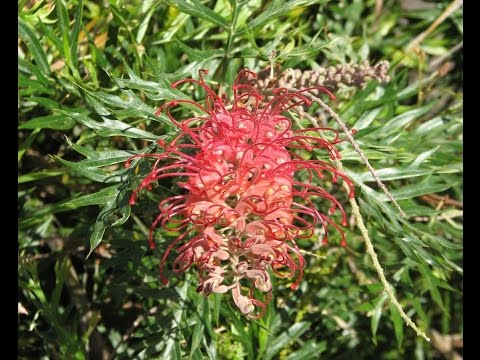
If you want to read more articles like The Ultimate Guide to the Best Time of Year to Plant Grevilleas Australia for Optimal Growth, we recommend you check out our Shrubs category.
Leave a Reply
Related Articles