How Long Does It Take for Lemons to Turn Yellow? A Complete Guide to Lemon Ripening
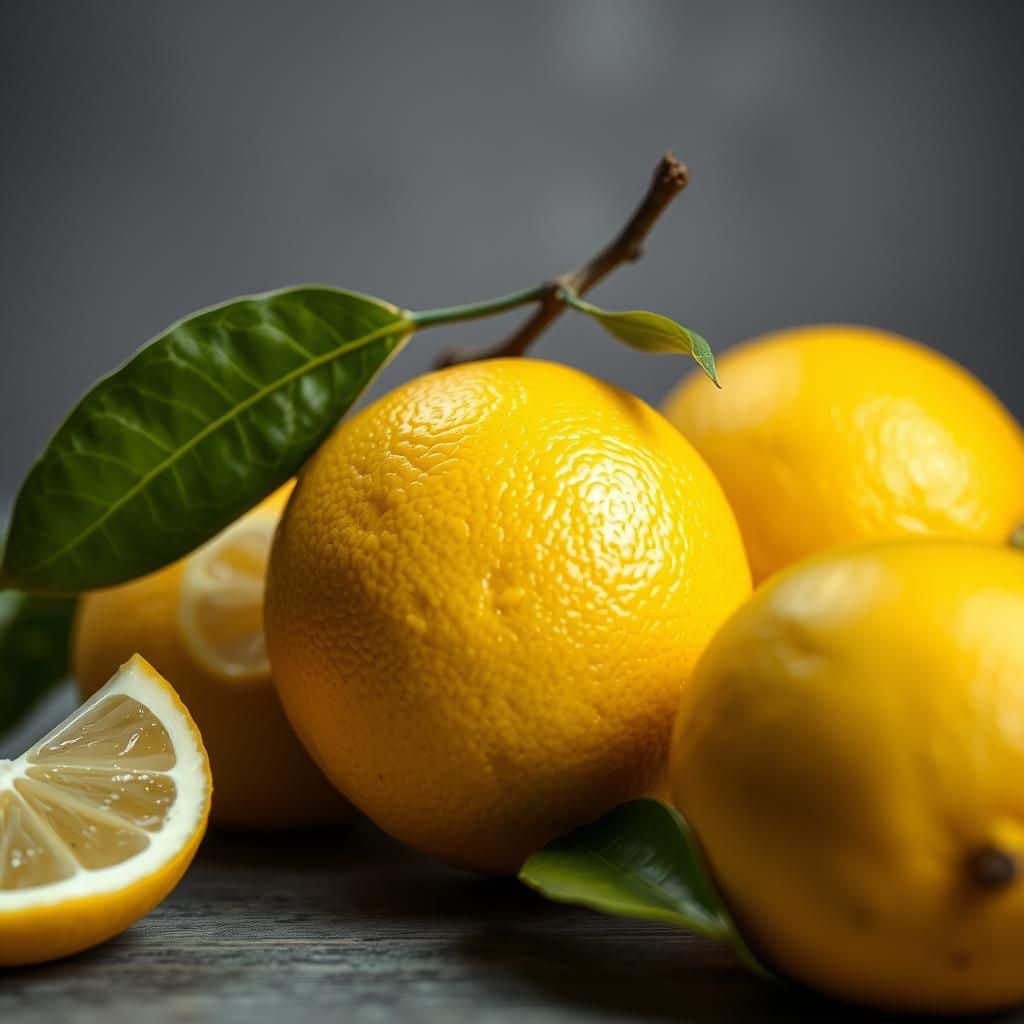
The vibrant yellow color of lemons is a hallmark of their ripeness, indicating peak flavor and juiciness. However, the journey from green to yellow is not instantaneous; it requires time and the right conditions. Understanding how long it takes for lemons to turn yellow is essential for both home gardeners and citrus enthusiasts alike. This comprehensive guide will explore the factors influencing the ripening process, including temperature, sunlight, and the specific lemon variety. Whether you're growing lemons in your backyard or simply curious about the fruit's maturation, this article will provide valuable insights into the timeline of lemon ripening.
How Long Does It Take for Lemons to Turn Yellow?
The process for lemons to transform from green to a vibrant yellow typically takes about 6 to 9 months after flowering, depending on various factors such as the lemon variety, growing conditions, and climate. During this time, lemons develop their characteristic flavor and acidity while undergoing a color change when they reach maturity. Warm temperatures and adequate sunlight can accelerate this ripening process, while cooler climates may prolong the time it takes for lemons to fully mature. Additionally, the care given to the lemon tree, including proper watering and fertilization, plays a crucial role in ensuring that the fruit turns yellow in a timely manner.
Factors Affecting Ripening Time
Several factors can influence the ripening time of lemons. These include the specific variety of lemon, as some types mature faster than others. For example, the Eureka and Lisbon varieties typically ripen more quickly than the less common Meyer lemon. Additionally, environmental conditions such as temperature, humidity, and sunlight can significantly impact how long it takes for lemons to turn yellow. Lemon trees in warmer climates with plenty of sunlight may see faster color changes, while those in cooler areas may experience delays.
Optimal Growing Conditions
For lemons to reach their full yellow potential, they require optimal growing conditions. This means well-drained soil, adequate moisture, and plenty of sunlight, ideally around 8 to 12 hours of direct sunlight each day. If lemon trees are grown in optimal conditions, the fruit generally ripens more uniformly and quickly. Ensuring that trees receive enough nutrition and water is also crucial in promoting a healthy growth environment, which can lead to quicker and more consistent yellowing of the lemons.
Different Lemon Varieties
Different varieties of lemons exhibit unique ripening patterns. For instance, the Eureka lemons usually change color faster than the Lisbon or Ponderosa varieties. The Meyer lemon, a hybrid between a regular lemon and a mandarin, also tends to have a shorter ripening time, producing fruit that is sweeter and slightly less acidic than traditional lemons. Understanding these differences can help gardeners and growers manage their expectations regarding when their lemons will transition from green to yellow.
Signs of Ripeness
To determine whether lemons are ripe and ready for harvest, look for certain signs of ripeness beyond just color. Ripe lemons should feel firm yet slightly soft when gently squeezed, and their skin should be bright and glossy. Additionally, fully matured lemons will have a fragrant aroma. It's worth noting that lemons can still be slightly yellowish and not fully ripe; thus, assessing firmness and fragrance in conjunction with color is essential for optimal harvest timing.
Effects of Climate on Lemons
The climate in which lemon trees are grown plays a significant role in the duration of the ripening process. In warmer climates, such as Mediterranean or subtropical regions, lemons often ripen much faster than in cooler or more temperate climates. Factors such as late frosts, seasonal variations, and precipitation can contribute to extended ripening periods. Understanding local climate conditions can help growers choose the best time to plant or harvest lemons to achieve optimum fruit quality.
| Factor | Impact on Ripening Time |
|---|---|
| Variety | Varies significantly between types |
| Temperature | Warmer temperatures speed up ripening |
| Sunlight | More sunlight leads to faster ripening |
| Soil Quality | Well-drained soil promotes healthier growth |
| Watering Practices | Consistent watering aids in even ripening |
Why aren't my lemons turning yellow?

Lemons (Citrus limon) are known for their vibrant yellow color, signaling ripeness and flavor. If your lemons are not turning yellow, several factors could be inhibiting this process. Here are some potential reasons:
1. Weather Conditions: Temperature and sunlight play a pivotal role in the ripening of lemons.
- Insufficient Sunlight: Lemon trees need full sun exposure for at least 6 to 8 hours a day to produce vibrant yellow fruit.
- Low Temperatures: Cold temperatures, particularly below 50°F (10°C), can affect the ripening process and inhibit color development.
- Moisture Levels: Excessive rain or humidity can delay ripening and thus affect the fruit's color.
2. Nutrient Deficiencies: Essential nutrients such as nitrogen, magnesium, and iron are crucial for fruit development and ripening.
- Nitrogen: While it promotes growth, too much nitrogen can lead to leafy growth at the expense of fruit ripening.
- Magnesium: Deficiency can cause yellowing of leaves and can reduce the fruit's ability to develop its yellow pigmentation.
- Iron: A lack of iron can lead to chlorosis, which affects the overall health of the plant and eventually the fruit's color.

3. Fruit Maturity: Lemons have their own timeline for maturity before they develop their yellow color.
- Time to Ripen: Typically, lemons take about 6 to 9 months after flowering to reach maturity.
- Varietal Differences: Different lemon varieties have varied methodologies and timelines for ripening. Some may stay green longer than others even when ripe.
- Harvest Timing: Picking the fruit too early can result in lemons that do not develop the expected yellow color, as they need time on the tree.
4. Pest and Disease Issues: Pests and diseases can affect the health of lemon trees, impacting fruit color.
- Pests: Aphids and spider mites can weaken the tree, slowing down fruit development and color change.
- Diseases: Fungal infections or bacterial cankers may inhibit nutrient flow to the fruits, causing them to remain green longer.
- Symptoms: Look for signs such as leaf discoloration, wilting, or unusual spots, which may indicate a health problem.
5. Watering Practices: The amount and frequency of watering influence the ripening process of the lemons.
- Underwatering: Insufficient water can stress the tree, leading to poor fruit quality and delayed color changes.
- Overwatering: Excess water can drown the roots and lead to root rot, significantly affecting fruit development.
- Drainage: Ensure proper soil drainage is in place to promote healthy growth and fruit color development.
Overall, understanding these influencing factors can help in identifying why your lemons aren't turning yellow and how to rectify the situation.
What time of the year do lemons ripen?

Lemons generally ripen during the late winter to early spring months, depending on the climate and region in which they are grown. Typically, in the Northern Hemisphere, lemons start to ripen from February to May, while in the Southern Hemisphere, the ripening season occurs from August to November. The ripening process can be influenced by various factors, including the lemon variety, local climate conditions, and agricultural practices.
Factors Influencing Lemon Ripening
The process of lemon ripening is affected by several key factors:
- Temperature: Warm temperatures promote quicker ripening, while cooler temperatures can slow down the process.
- Humidity: Adequate humidity helps in the ripening process, as lemons tend to thrive in humid environments.
- Sunlight: Exposure to sunlight is crucial; it enhances photosynthesis, which aids in fruit development.
Different Varieties of Lemons
Lemon varieties also play a significant role in the timing of ripening:
- Lisbon Lemons: Typically ripen in late winter and are known for their strong flavor.
- Eureka Lemons: These are available year-round but peak from late winter to early spring.
- Meyer Lemons: This variety usually ripens earlier in the season, often in late winter.
Harvesting Techniques
The methods used for harvesting can impact the quality and timing of lemon ripening:
- Hand Harvesting: This method is gentler and helps prevent damage, allowing for better quality fruit.
- Mechanical Harvesting: This can save time but may result in bruising or premature harvesting.
- Thinning the Fruit: This involves removing some fruit to allow the remaining lemons to mature more fully.
Geographical Variations in Lemon Ripening
The geographical location significantly affects lemon ripening times:
- Climate Zones: Warmer climates lead to earlier ripening compared to cooler regions.
- Elevation: Higher elevations may have different growing conditions, impacting ripening times.
- Soil Type: The nutrients available in the soil can affect the overall growth and ripening of lemons.
Signs of Ripeness in Lemons
Identifying when lemons are ripe involves observing certain signs:
See also:
- Color Change: Ripe lemons are typically bright yellow and free from green patches.
- Texture: The skin should feel slightly firm yet yielding when pressed gently.
- Aroma: Ripe lemons exude a strong, citrusy fragrance that is indicative of their readiness.
Can you pick lemons before they are yellow?

Yes, you can pick lemons before they are yellow, but there are several factors to consider when doing so. Lemons that are still green may not have developed their full flavor and acidity yet. The best time to harvest lemons is when they are firm and appear to be large and round, but it is crucial to allow them to ripen on the tree. If picked too early, the lemons will not only be less flavorful but may also have a different texture. Additionally, green lemons can still be used for certain culinary purposes and may serve different needs than fully ripe lemons.
Understanding Lemon Ripeness
Understanding when lemons are ripe is key to picking them at the right time. Lemons typically turn from green to a bright yellow as they mature. To determine if a lemon is ripe, consider:
- Color: Yellow lemons are usually ripe, but slight green can still indicate readiness.
- Size: A mature lemon is generally larger than its immature counterparts.
- Firmness: Ripe lemons should feel firm yet slightly soft when squeezed.
Uses for Unripe Lemons
While many might think unripe lemons are unusable, they can serve various purposes in the kitchen and beyond. Some uses include:
- Culinary Uses: They can impart a different, more bitter flavor to dishes.
- Decorative Purposes: Green lemons can be used in arrangements as a unique decorative element.
- Preservation: Unripe lemons may hold up better in certain preservation methods, like pickling.
Flavor Differences
Lemons picked before they have ripened will certainly differ in taste from fully matured fruits. Consider these factors:
- Bitterness: Unripe lemons often have a more bitter flavor.
- Acidity Levels: They may also be higher in acidity, which can be useful for specific recipes.
- Texture: The texture may be firmer, making them less appealing in certain applications.
Harvesting Techniques
When harvesting lemons, particularly green ones, it is important to use proper techniques to avoid damage. Techniques to keep in mind include:
- Use Sharp Tools: A sharp knife or pruner helps in making clean cuts.
- Avoid Bruising: Handle the fruit gently to prevent bruising.
- Harvest in Dry Weather: This reduces the risk of fungal infections.
Impact on Future Yield
Harvesting lemons before they mature can also impact the future yield of the tree. To maximize production:
- Leave Some Fruit: Allowing some lemons to fully ripen can encourage the tree to produce more.
- Balanced Harvesting: Ensure not to take all the fruit at once.
- Monitor Tree Health: Keep an eye on the overall health of the tree after early harvesting.
Questions from Our Readers
How long does it take for lemons to turn yellow?
It typically takes 6 to 9 months for lemons to turn yellow after they bloom, depending on the variety and growing conditions such as temperature and sunlight.
What factors affect how quickly lemons ripen?
Several factors can influence the ripening process of lemons, including temperature, humidity, and the overall health of the tree. Optimal conditions can lead to faster ripening.
Can I pick lemons before they are fully yellow?
Yes, you can pick lemons that are still green, but they may not be as sweet or juicy as fully yellow lemons. However, they will continue to ripen off the tree.
Do lemons continue to ripen after being picked?
Lemons do not ripen significantly after being picked, as they are a type of climacteric fruit that primarily changes color and flavor while still on the tree. Once detached, their ripening process slows down considerably.
See also:

If you want to read more articles like How Long Does It Take for Lemons to Turn Yellow? A Complete Guide to Lemon Ripening, we recommend you check out our Seeds category.
Leave a Reply
Related Articles