What is Eating My Passionfruit Leaves Australia: Identify and Control Garden Pests

Passionfruit plants are cherished for their vibrant fruits and lush foliage, but they can fall victim to a variety of garden pests, particularly in Australia. Identifying the culprits behind the damage to your passionfruit leaves is crucial for effective pest management. This article delves into the most common pests that threaten these beloved plants, offering insights into their behavior and the signs of infestation. Additionally, we will explore practical control methods to safeguard your garden and ensure healthy growth. Armed with this knowledge, you can enjoy a thriving passionfruit harvest while protecting your plants from unwanted visitors.
Identifying the Pests Eating Your Passionfruit Leaves in Australia
In Australia, various pests can threaten the health of your passionfruit plants, causing noticeable damage to the leaves. Common culprits include caterpillars, aphids, leaf miners, and spider mites, each of which presents unique challenges to gardening enthusiasts. Identifying these pests early is crucial for effective management; for instance, caterpillars often chew large holes, while aphids leave a sticky residue that can attract ants. Monitoring your plants regularly and observing any changes can help you determine which pests are present and how best to protect your passionfruit crop.
Common Caterpillars Affecting Passionfruit
Caterpillars are one of the most prominent threats to passionfruit leaves in Australia. Species like the loopers and the cabbage moth caterpillar can rapidly defoliate plants, making them look ragged and unhealthy. They feed on the leaf tissue, creating large holes and weakening the plant's overall vitality. To manage caterpillar infestations, consider introducing natural predators like birds, or applying organic insecticides that are safe for edible plants.
Aphids and Their Impact on Passionfruit Plants
Aphids are small, soft-bodied insects that can congregate on the underside of leaves, sucking out sap and leading to yellowing and curling of the leaves. They can also secrete a sticky substance known as honeydew, which encourages the growth of sooty mold on the plant. Controlling aphid populations can be accomplished through various methods, including the release of ladybugs or the application of insecticidal soaps, making it essential to act quickly upon detecting their presence.
Leaf Miners and Their Damage
Leaf miners are larvae of various insects that burrow between the upper and lower layers of leaves, creating noticeable tunnels or “mines.” While they may not always cause significant damage, severe infestations can weaken plants and lead to reduced yields. Managing leaf miners often involves removing affected leaves and maintaining healthy plant conditions that deter them from proliferating, as well as monitoring for other predators that may naturally control their numbers.
Spider Mites: A Microscopic Threat
Spider mites are tiny arachnids that thrive in hot, dry conditions, making them particularly problematic in Australia. They are infamous for spinning fine webs and causing stippling on leaves as they feed, which can lead to leaf drop if not controlled. Implementing regular irrigation to maintain humidity can help deter spider mites, alongside introducing predatory mites or using horticultural oils to manage infestations effectively.
Preventive Measures for Pest Control
Preventive measures are key to safeguarding your passionfruit plants from pests. Regularly inspecting your plants for signs of infestations, maintaining proper watering and fertilization, and practicing good garden hygiene can significantly reduce the likelihood of pest problems. Additionally, planting companion plants that attract beneficial insects can help create a balanced ecosystem in your garden, further protecting your passionfruit from harmful pests.
| Pest | Signs of Infestation | Control Methods |
|---|---|---|
| Caterpillars | Large holes in leaves | Introduce natural predators, organic insecticides |
| Aphids | Yellowing leaves, sticky residue | Release ladybugs, insecticidal soaps |
| Leaf Miners | Tunneling visible on leaves | Remove affected leaves, maintain plant health |
| Spider Mites | Stippling and webbing on leaves | Increase humidity, use horticultural oils |
What is eating my passion fruit leaves?
Passion fruit leaves can be affected by various pests and diseases that can lead to damage or consumption of the foliage. Identifying the culprit is essential to managing the problem effectively. Here are some common offenders:
Common Pests that Affect Passion Fruit Leaves
Pests are often the primary culprits when it comes to leaves being eaten or damaged. The most common pests include:
- Aphids: These small, soft-bodied insects feed on the sap of the plants, causing curling and yellowing of leaves.
- Spider Mites: These tiny arachnids cause stippling and discoloration on the leaves, sometimes leading to webbing on the undersides.
- Caterpillars: Various caterpillar species can voraciously feed on the leaves, leaving large holes as evidence of their presence.
Diseases That May Contribute to Leaf Damage
In addition to pests, diseases can also cause detriment to passion fruit leaves. Some diseases to consider include:
- Powdery Mildew: This fungal disease leads to white powdery spots on the leaves and can cause leaf drop.
- Leaf Spot: Various pathogens can cause dark, necrotic spots on leaves that may eventually lead to leaf death.
- Fusarium Wilt: This soil-borne fungus can cause yellowing and wilting of leaves, often leading to plant decline.
Environmental Factors Impacting Leaf Health
Environmental conditions can also significantly affect the health of passion fruit leaves. Important factors include:
See also:
- Overwatering: Excess moisture in the soil can lead to root rot and other issues that affect leaf vitality.
- Insufficient Sunlight: Passion fruit plants require full sun; inadequate light can weaken plants and make them more susceptible to pests.
- Nutrient Deficiency: Lack of essential nutrients such as nitrogen or potassium can lead to poor leaf health and vigor.
Preventative Measures for Protecting Passion Fruit Leaves
Taking preventative measures can help protect your passion fruit plants from pests and diseases. Some strategies include:
- Regular Inspection: Routinely check the plants for signs of pests or disease to catch problems early.
- Proper Watering: Water the plants appropriately to avoid overwatering and ensure good drainage.
- Organic Treatments: Use insecticidal soaps or neem oil to manage pest populations without harming beneficial insects.
Identifying Specific Symptoms on Passion Fruit Leaves
Understanding the specific symptoms can help in diagnosing the problem accurately. Key symptoms include:
- Leaf Discoloration: Yellowing can indicate nutrient deficiencies or pest activity, while browning may suggest overwatering.
- Visible Holes or Tearing: These signs suggest damage from caterpillars or other leaf-eating insects.
- Pest Residue: Look for honeydew, webbing, or the presence of insects on the underside of leaves to confirm pest issues.
What do you spray on passionfruit vines?
When it comes to protecting and nurturing passionfruit vines, various sprays can be used to manage pests, diseases, and to promote healthy growth. Here are some common practices and products that you might consider applying to your passionfruit vines:
Pest Control Options
To safeguard your passionfruit vines from pests, several options can be considered. These can help deter insects and ensure the plants remain healthy. Some popular pest control sprays include:
- Neem Oil: A natural pesticide derived from the seeds of the neem tree, effective against pests like aphids and spider mites.
- Insecticidal Soap: A safe and effective option that eliminates soft-bodied insects without harming the plants.
- Pyrethrin: A natural insecticide that targets a wide range of pests, particularly useful for immediate infestations.
Fungal Disease Management
Fungal diseases can be a significant concern for passionfruit vines, especially in humid climates. Spraying the vines with the right fungicides can prevent or treat these issues. Common treatments include:
- Fungicidal Spray: Use broad-spectrum fungicides to protect against common fungal diseases like powdery mildew.
- Liquid Copper: Copper-based fungicides are effective against various fungal pathogens and help in preventing diseases.
- Homemade Remedies: Solutions such as baking soda mixed with water can help combat mild fungal outbreaks.
Nutrient Supplements
In addition to pest and disease control, incorporating nutrient sprays can significantly benefit the growth of passionfruit vines. Nutritional sprays can enhance plant health. Important nutrient sprays include:
- Seaweed Extract: Rich in micronutrients, promoting healthy growth and improving overall vitality.
- Fish Emulsion: Acts as a natural fertilizer, providing essential nutrients that enhance vine production.
- Foliar Fertilizers: Quick-acting sprays that deliver nutrients directly through the leaves for immediate absorption.
Seasonal Care Treatments
Different seasons may require specific spray treatments to ensure optimal growth for passionfruit vines. Adjusting your spraying schedule according to the season is crucial. Some considerations include:
- Spring Sprays: Start with pest and disease control to prepare for active growing conditions.
- Summer Maintenance: Apply nutrient sprays to support vigorous growth and fruiting during peak season.
- Fall Preparations: Use treatments that strengthen the vines’ health before the dormant winter period.
Organic Alternatives
For those preferring organic gardening methods, various organic sprays can effectively treat passionfruit vines. These options help maintain an eco-friendly approach. Examples include:
- Diatomaceous Earth: A natural pesticide that can deter crawling pests without harmful chemicals.
- Garlic Spray: Homemade sprays using garlic can repel pests and act as a natural deterrent.
- Essential Oils: Oils like peppermint or rosemary can provide protection against insects while being environmentally friendly.
How to keep pests away from passion fruit?

To keep pests away from passion fruit, it is essential to adopt a combination of cultural practices, organic methods, and, if necessary, insecticidal treatments. Implementing these strategies will help create an environment that is less conducive to pest infestation while promoting plant health.
Understanding Common Passion Fruit Pests
Passion fruit plants can be affected by various pests, including aphids, spider mites, and fruit flies. Understanding these pests is crucial in preventing infestations.
See also:
- Aphids: Small, soft-bodied insects that feed on plant sap, leading to stunted growth and leaf curling.
- Spider Mites: Tiny arachnids that can cause yellowing of leaves and webbing on plants.
- Fruit Flies: They lay eggs in the fruit, causing decay and making the fruit unharvestable.
Implementing Good Cultural Practices
Healthy plants are less vulnerable to pest infestations. By practicing good cultural methods, you can strengthen the resilience of your passion fruit plants.
- Proper Spacing: Ensure adequate spacing between plants to promote airflow and reduce humidity, which deters many pests.
- Regular Pruning: Trim dead or infected plant material to prevent habitats for pests.
- Soil Health: Maintain rich, well-draining soil with organic matter to support plant vigor.
Utilizing Natural Pest Deterrents
Certain plants and natural substances can deter pests without harming the environment. Using these can be an effective strategy.
- Companion Planting: Plants such as marigolds and basil can repel harmful pests when planted alongside passion fruit.
- Essential Oils: Oils like neem, peppermint, or clove can be diluted and sprayed to discourage pest activity.
- Garlic or Chili Spray: Homemade sprays from garlic or hot peppers can be effective at repelling insects.
Regular Monitoring and Inspection
Frequent monitoring can help catch pest problems early. Regular inspection is vital for maintaining the health of your passion fruit plants.
- Frequent Checks: Inspect the leaves and stems for any signs of damage or presence of pests.
- Pest Traps: Use sticky traps around the plants to monitor and capture flying insects.
- Record Keeping: Maintain a diary of pest observations to identify patterns and improve control strategies.
When to Use Chemical Treatments
If pest problems become severe, it might be necessary to resort to chemical treatments. It is essential to choose products wisely to minimize impact on beneficial organisms.
- Targeted Insecticides: Use selective products that target specific pests rather than broad-spectrum insecticides that may harm beneficial insects.
- Follow Instructions: Always adhere to the manufacturer's instructions regarding dosage and application methods for safety.
- Integrated Pest Management (IPM): Combine chemical treatments with cultural and organic practices for a balanced approach to pest control.
How do you treat passion fruit leaf disease?
Understanding Passion Fruit Leaf Disease
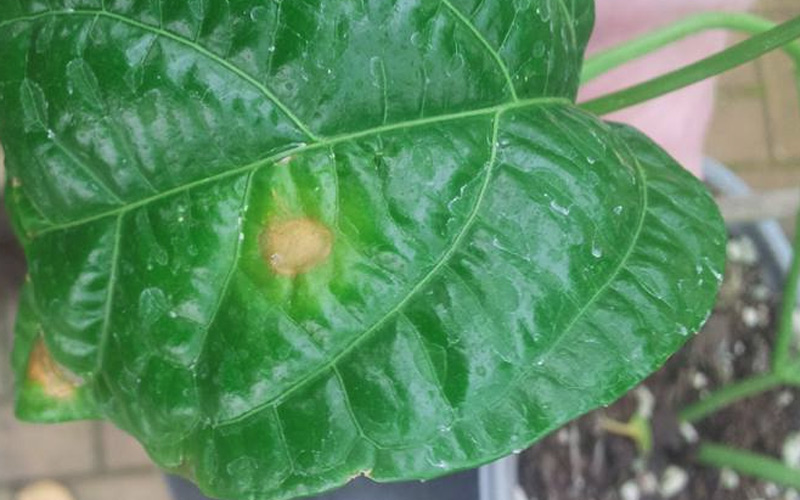
Passion fruit leaf diseases can significantly impact the overall health of the plant and fruit yield. This condition is often caused by a variety of factors, including fungal, viral, or bacterial pathogens. To effectively treat these diseases, it is crucial for growers to correctly identify the specific type affecting their plants. Symptoms can include leaf spots, yellowing, and wilting, which can eventually lead to plant death if not addressed.
- Leaf Spots: Dark lesions or spots develop on the leaves.
- Yellowing Leaves: Leaves may turn yellow, indicating nutrient deficiencies or viral infections.
- Wilting: Affected plants may wilt, showing signs of stress.
Prevention Techniques for Passion Fruit Leaf Diseases
Preventing passion fruit leaf diseases is as important as treatment. Good cultural practices can drastically reduce the incidence of diseases. Implementing measures such as proper spacing, water management, and regular inspections can help maintain plant health.
- Proper Spacing: Ensure adequate space between plants for airflow.
- Water Management: Avoid over-watering to prevent root rot.
- Regular Inspections: Monitor plants frequently to catch early signs of disease.
Effective Chemical Treatments
When physical or preventive measures are insufficient, appropriate chemical treatments can be employed. Fungicides, bactericides, and insecticides may offer relief depending on the disease's cause. Always follow the label instructions for application rates and safety precautions to protect both plants and the environment.
- Fungicides: Use products that target specific fungal pathogens.
- Bactericides: Apply to control bacterial infections.
- Insecticides: Manage insect vectors that may spread diseases.
Biological Control Methods
Biological control involves utilizing natural enemies such as beneficial insects or microorganisms to combat pathogens. This approach can be environmentally friendly and may reduce chemical usage. Examples include introducing predatory insects that feed on pests causing stress in passion fruit plants.
- Beneficial Insects: Introduce ladybugs or lacewings to reduce pest populations.
- Microorganisms: Utilize mycorrhizal fungi to enhance plant health.
- Companion Planting: Grow compatible plants that deter pests.
Monitoring and Follow-Up Care
Continuous monitoring of the passion fruit plants following treatment is essential. Regular follow-up care ensures that the effectiveness of treatments can be evaluated and adjustments made if necessary. Keeping a record of symptoms and treatments can help recognize patterns and improve future management strategies.
- Record Keeping: Document the types of symptoms and treatments used.
- Follow-Up Treatments: Be ready to apply additional treatments if needed.
- Regular Maintenance: Continue good cultural practices to support plant recovery.
Questions from Our Readers
What insects are commonly known to eat passionfruit leaves in Australia?
Many types of insects can be a threat to passionfruit leaves in Australia, but the most common culprits include caterpillars, leafcutter ants, and aphids. These pests can cause significant damage to the foliage, often resulting in a decline in plant health.
How can I identify if my passionfruit leaves are damaged by pests?
You can identify damage from pests on your passionfruit leaves by looking for discoloration, premature wilting, and chewed edges. Additionally, spotting small holes in the leaves or seeing the insects themselves can be an indicator of a pest problem.
See also:
What are some natural methods to deter pests from my passionfruit leaves?
To deter pests from your passionfruit leaves, consider using natural remedies such as neem oil, which can repel many types of insects. Other options include introducing beneficial insects like ladybugs or maintaining a healthy garden ecosystem that encourages natural pest predators.
Is it necessary to use chemical pesticides for protecting passionfruit plants?
While chemical pesticides can be effective, they are not always necessary to protect passionfruit plants. Employing integrated pest management techniques, such as cultural practices and biological control, can often yield satisfactory results without the adverse effects associated with chemicals.

If you want to read more articles like What is Eating My Passionfruit Leaves Australia: Identify and Control Garden Pests, we recommend you check out our Gardeners category.
Leave a Reply
Related Articles