How Long Can Turf Stay on a Pallet in Australia? Essential Tips for Optimal Freshness and Health
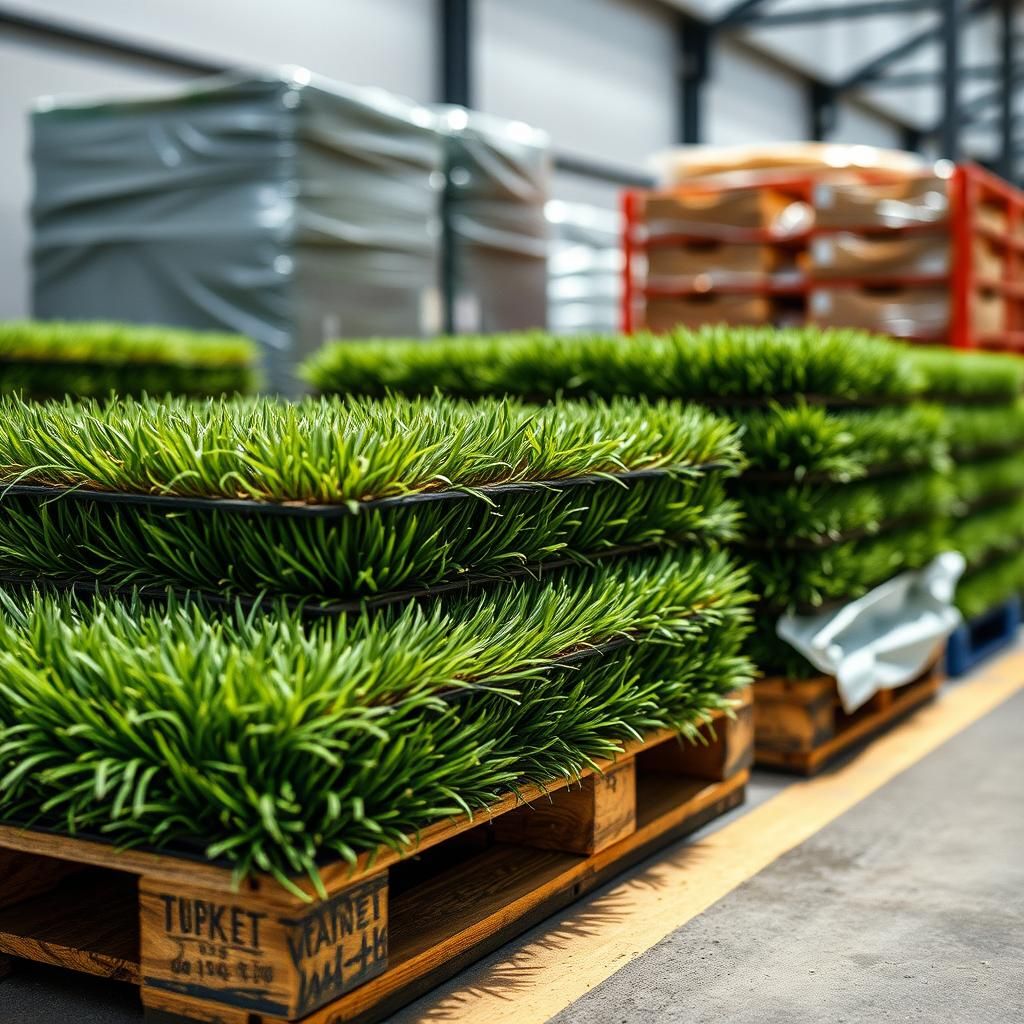
When it comes to maintaining the integrity of turf in Australia, understanding how long it can remain on a pallet is crucial for both freshness and overall health. Factors such as climate, storage conditions, and the type of turf influence its lifespan on a pallet. This article provides essential tips for ensuring that your turf stays vibrant and viable for its intended use. Whether you're a landscaper, gardener, or homeowner, knowing the optimal timeframe and best practices will help you achieve a lush, green lawn while minimizing waste and maximizing investment.
How Long Can Turf Stay on a Pallet in Australia?
In Australia, the maximum duration turf can remain on a pallet is typically around 24 to 48 hours under optimal conditions. However, this depends heavily on the weather and environmental factors. If the weather is particularly hot or windy, the turf may begin to dry out and experience stress, which can compromise its health and viability. It is crucial to maintain proper hydration by watering the turf while it is on the pallet. For long-term preservation, it is advisable to lay the turf as soon as possible to ensure that it establishes effectively in your chosen area.
Factors Affecting Turf Longevity on Pallets
The duration that turf can stay on a pallet is influenced by multiple factors, including temperature, humidity, and wind exposure. During hotter months, turf may dry out faster due to increased evaporation rates. Conversely, in cooler, more humid conditions, turf can remain healthy longer, but it should still be installed as soon as practical. Understanding these environmental influences is essential for maintaining the quality of the turf.
Importance of Hydration
Hydration is critical when turf is left on a pallet. Turf should be watered thoroughly before it is stacked onto pallets and should ideally be misted or watered again during storage to keep it from drying out. Neglecting irrigation while on the pallet can lead to weakened grass and decrease its chance of successful establishment once laid. Regularly checking the moisture levels is vital for maintaining turf quality during the waiting period.
Signs of Turf Stress
Turf that has been on a pallet for too long or has not been adequately cared for will exhibit signs of stress. Common indicators include a dry appearance, browning, or a lack of firmness when touched. Recognizing these signs early can help prevent further deterioration and allows for timely action, such as increasing hydration or minimizing exposure to harsh conditions to help the turf recover.
Best Practices for Pallet Storage
To extend the shelf life of turf on pallets, several best practices can be implemented. Store the pallets in a shaded area to prevent exposure to direct sunlight, which can expedite drying. Covering pallets with a moist tarp can also help retain moisture. Additionally, keeping the turf away from strong winds will minimize the evaporation rates, providing optimal conditions for the turf before installation.
Installation Timing Considerations
When planning the installation of turf, it is crucial to align it with weather forecasts to avoid extreme conditions that could impact the turf. Ideally, you should aim to install turf either early in the morning or late in the afternoon to avoid peak heat. Being mindful of the timing can significantly reduce the stress placed on the turf, ensuring a healthier outcome when it is finally laid down.
| Factor | Impact |
|---|---|
| Temperature | Higher temperatures lead to faster drying. |
| Humidity | Higher humidity can improve turf longevity. |
| Wind | Strong winds can dehydrate turf quickly. |
| Watering | Proper hydration extends shelf life. |
| Sunlight Exposure | Direct sunlight can accelerate turf stress. |
How long does turf last on a pallet?
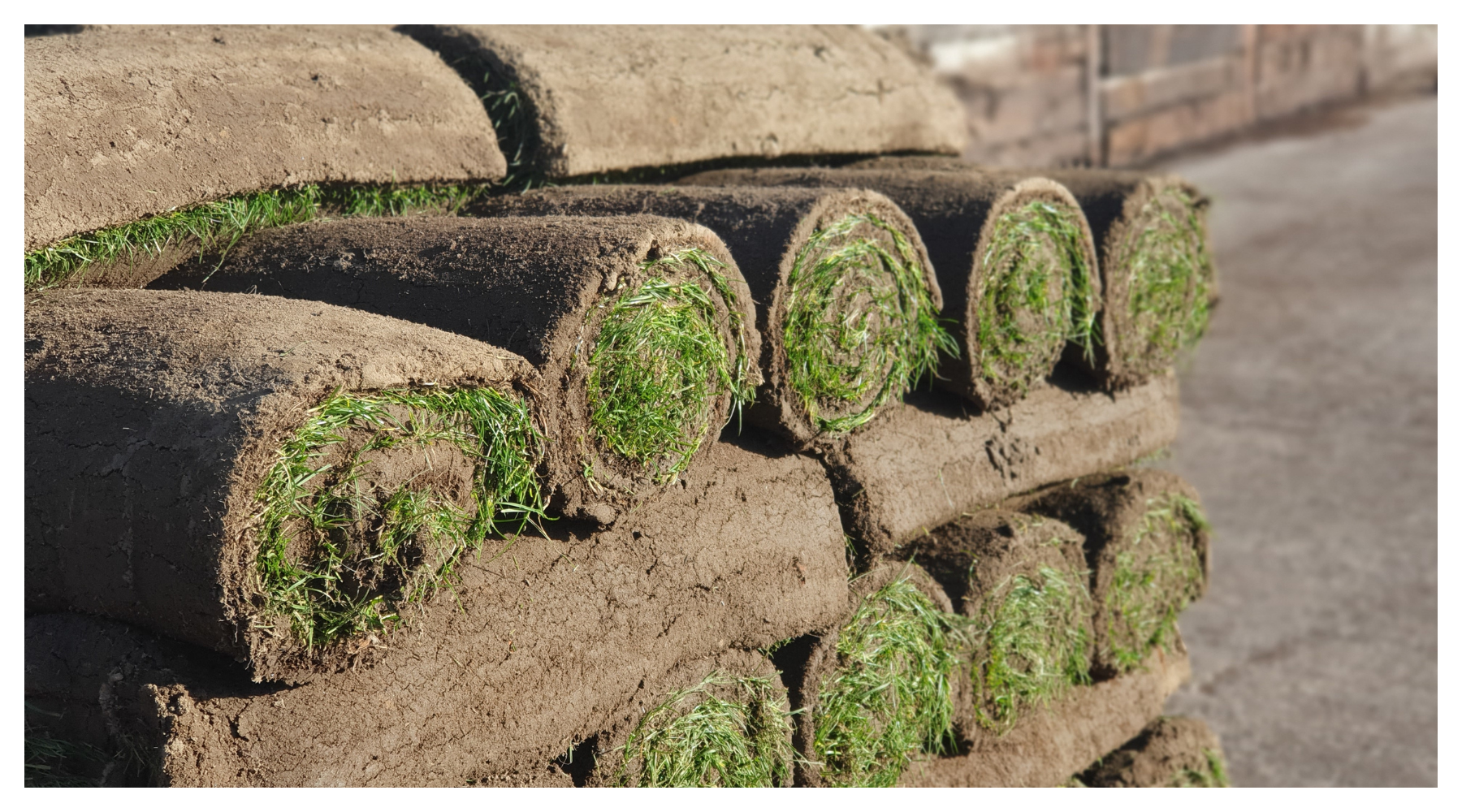
The longevity of turf on a pallet can significantly vary depending on several factors, including the type of turf, the weather conditions, and how well the turf is cared for while on the pallet. Typically, sod can last anywhere from 24 to 48 hours on a pallet under ideal conditions. However, if the turf is left unattended for too long, it can start to deteriorate.
Factors Influencing Turf Longevity
Several factors can affect how long turf remains viable on a pallet:
- Temperature: High temperatures can dry out the turf quickly, leading to dehydration.
- Humidity: Dry air can cause the turf to lose moisture faster, while high humidity may help retain it.
- Light Exposure: Direct sunlight can heat the turf and cause it to wilt, reducing its lifespan.
Signs of Decline in Turf Quality
Identifying the signs of declining turf quality is important to address any issues quickly:
- Color Change: The turf may start to turn yellow or brown as it dries out.
- Wilting: If the blades of grass start to droop, it’s a clear sign of dehydration.
- Softness: Healthy turf should feel firm; if it's too soft or mushy, it may be going bad.
Best Practices for Storing Turf on a Pallet
To extend the lifespan of turf on a pallet, follow these best practices:
- Watering: Water the turf thoroughly before placing it on the pallet to help retain moisture.
- Shade: Keep the turf in a shaded area to prevent excessive heat and dehydration.
- Frequent Checks: Regularly inspect the turf for any signs of decline and address issues immediately.
Types of Turf and Their Lifespan on a Pallet
Different types of turf have varying lifespans, which is crucial when planning your purchase:
See also:
- Cool-Season Grasses: Typically last longer in cooler temperatures, from 48 hours to a week.
- Warm-Season Grasses: Generally need quicker installation as they can deteriorate faster in heat.
- Hybrid Turf Varieties: May have different storage needs and can sometimes last longer depending on their composition.
Installation Considerations After Unloading Turf
Implementing proper installation techniques will ensure the longevity of your turf after removing it from the pallet:
- Timing: Install the turf as soon as possible to avoid deterioration.
- Surface Preparation: Ensure the ground is well-prepared to promote root establishment.
- Post-Installation Care: Water regularly and monitor the turf for the first few weeks to encourage healthy growth.
How long will grass last on a pallet?
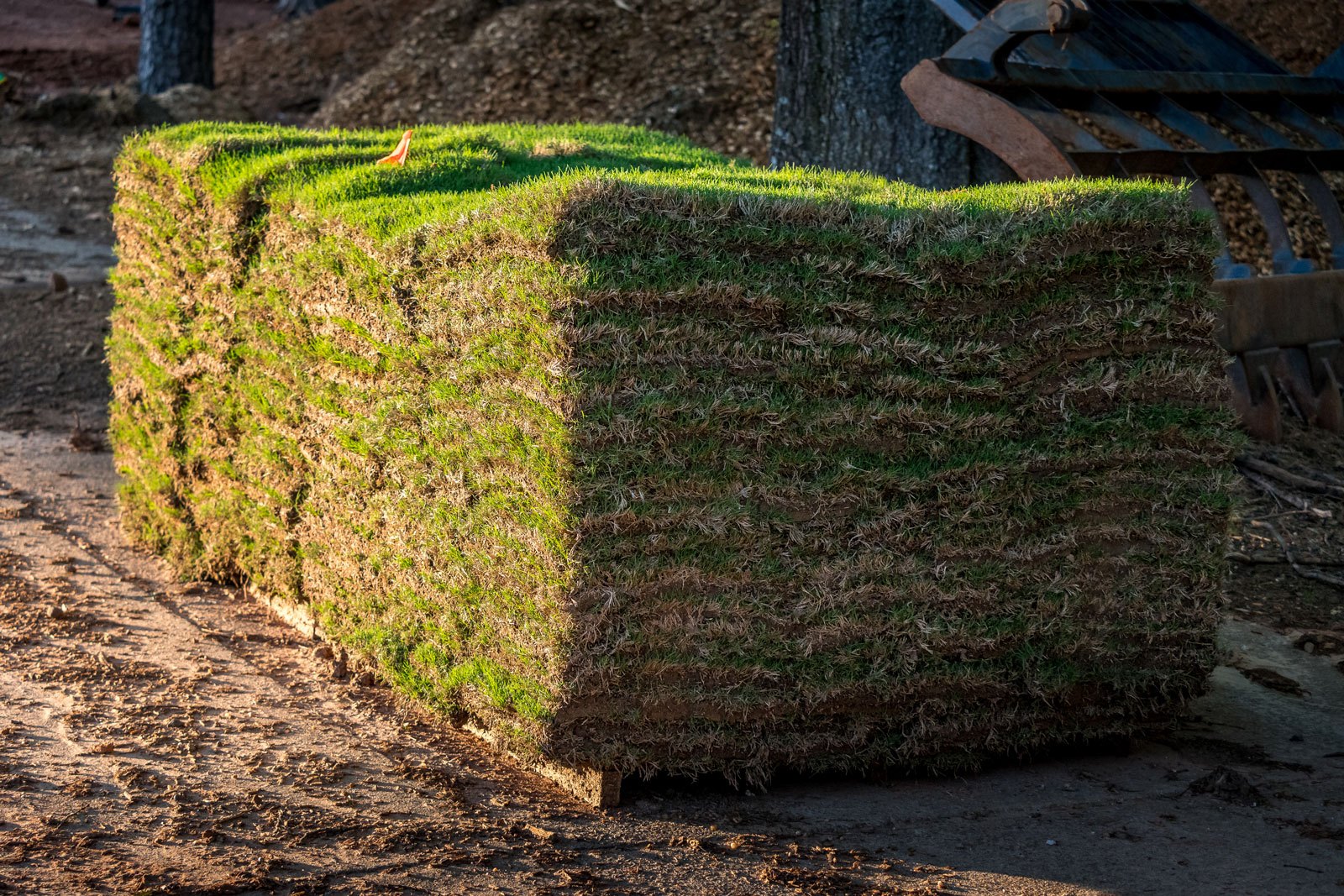
When grass is placed on a pallet, its longevity largely depends on several factors such as the type of grass, the environmental conditions, and how well it is cared for. Generally, fresh grass can last from a few hours to several days on a pallet if proper precautions are taken.
The key aspects that influence how long grass will last are moisture levels, temperature, and sunlight exposure. If the grass remains moist and is kept in a shaded area, it can last longer than if it’s left under direct sunlight and becomes dry. Typically, when grass is freshly cut or delivered as sod, it should be installed as soon as possible to ensure its health and viability.
Factors Affecting Longevity
Many elements determine how long grass can stay on a pallet. Understanding these factors can help in preserving its vitality:
- Type of Grass: Different varieties have varying resilience levels. Some are hardier and can withstand longer periods without installation.
- Moisture Levels: Keeping the grass moist is crucial; dry conditions can lead to rapid degradation.
- Temperature: Warmer temperatures accelerate wilting; ideal conditions help maintain the grass.
- Sunlight Exposure: Direct sunlight can dry out grass quickly, so placing it in a shaded area is beneficial.
- Handling: Rough handling can damage the grass, diminishing its lifespan on the pallet.
Recommended Storage Practices
To maximize the duration grass can stay on a pallet, follow these recommended storage practices:
- Watering: Regularly mist the grass to maintain moisture levels.
- Shade: Store the pallet in a shaded area to prevent sunlight-induced drying.
- Temperature Control: Avoid storing in areas with extreme temperatures; moderate conditions are best.
- Minimize Exposure: Try to limit the time the grass spends on the pallet before installation.
- Monitor Health: Regularly check the condition of the grass for any signs of wilting or decay.
Signs of Spoilage
Recognizing the signs of spoilage can help you determine when the grass is no longer viable:
- Wilting: Grass that looks droopy indicates it's losing moisture.
- Color Change: A shift from vibrant green to yellow or brown signals stress.
- Dryness: If the grass feels dry to the touch, it’s likely past its prime.
- Foul Odors: An unpleasant smell can indicate decay or mold development.
- Texture Changes: Grass that becomes spongy or mushy suggests spoilage.
Proper Installation Techniques
Once grass is ready for installation, using proper techniques ensures its longevity and health:
- Soil Preparation: Ensure the soil is well-aerated and nutrient-rich before laying down the grass.
- Leveling the Surface: A flat surface aids in even water distribution and root establishment.
- Rolling or Tamping: Use a roller or tamping tool to eliminate air pockets beneath the grass.
- Watering After Installation: Water the grass thoroughly right after laying it down to promote root growth.
- Follow Maintenance Guidelines: Regular care practices such as mowing and fertilizing are crucial for long-term health.
Best Times for Installation
Choosing the right time for installation can significantly affect grass success:
- Seasonal Timing: Spring and early fall are ideal for installation to provide optimal growth conditions.
- Weather Conditions: Overcast days are preferable to avoid heat stress during installation.
- Soil Temperature: Ensure the soil is warm enough, ideally above 50°F (10°C), for root establishment.
- Precipitation Forecast: Consider upcoming rain; planting just before a forecasted rain can facilitate early growth.
- Duration of Daylight: Longer days in spring and fall support better growth compared to shorter winter days.
How long can turf be kept?
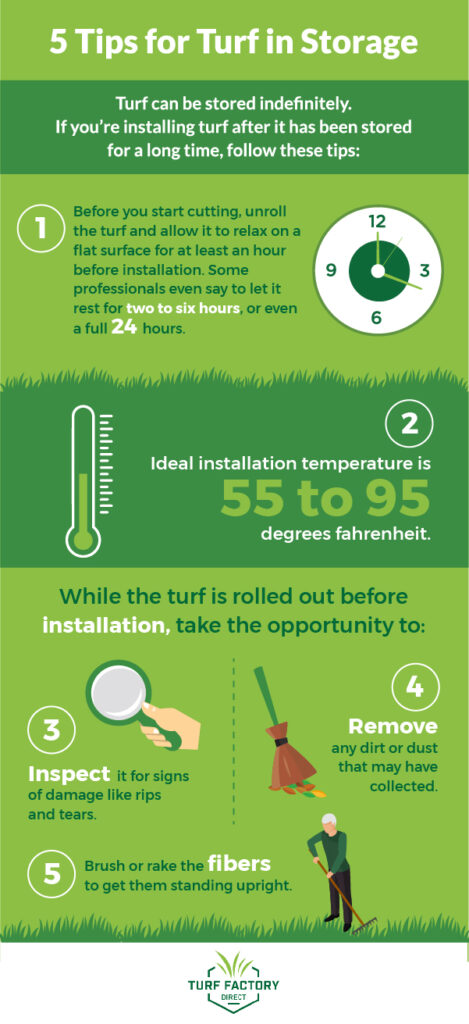
The duration for which turf can be kept largely depends on the conditions under which it is stored and handled. Freshly harvested turf is essentially a living plant and requires specific care to maintain its vitality. Typically, turf can remain viable for about 24 to 48 hours after being cut; however, this timeframe can vary based on several factors.
Storing turf in a cool and shady environment can extend its freshness, while leaving it in direct sunlight or heat can significantly reduce its viability. It is essential to keep the turf moist during storage, as dry conditions can lead to deterioration. If turf becomes too dry or yellow, it may not take root successfully when installed.
Factors Affecting Turf Longevity
The longevity of turf can be influenced by several factors. Key elements include:
See also:
- Temperature: High temperatures can stress turf and decrease its shelf life.
- Moisture Levels: A lack of moisture can cause turf to dry out, reducing its viability.
- Sun Exposure: Direct sunlight can lead to overheating and quick deterioration.
Best Practices for Storing Turf
Adopting certain best practices when storing turf can help prolong its life. These practices include:
- Keep it cool: Store turf in a shaded or cooled environment to minimize heat exposure.
- Maintain moisture: Regularly water the turf to keep it hydrated until it is installed.
- Avoid stacking: Don’t stack the rolls too high, as this can compress them and reduce air circulation.
Signs of Deterioration in Turf
Recognizing the signs of deterioration in turf is important for proper handling. Symptoms include:
- Color change: Turf turning yellow or brown indicates it may be stressed.
- Dryness: Crumbly grass or dry edges signifies lack of moisture.
- Odor: A foul smell can indicate that the turf is decomposing and no longer viable.
Installation Timeline for Turf
The ideal installation timeline for turf is crucial for ensuring its success. Guidelines include:
- Within 24 hours: Ideally, turf should be installed as soon as possible after cutting.
- 48 hours maximum: If it cannot be installed immediately, aim for a maximum of 48 hours.
- Check readiness: Before installation, ensure the turf is still green and moist.
Rehydrating Turf Before Installation
If turf has been stored for some time, rehydration before installation can be beneficial. Steps include:
- Watering: Water the turf thoroughly, ideally a few hours prior to installation.
- Soaking: If necessary, soak the edges of the rolls in water to revitalize them.
- Inspect: Check for any signs of stress or damage before laying it down.
How long after laying turf can you walk on it in Australia?

When laying turf in Australia, it is essential to allow sufficient time for the grass to establish itself before walking on it. Generally, it is recommended to wait at least two weeks after laying the turf before you walk on it. This timeframe can vary based on several factors such as climate conditions, grass type, and how well you have prepared the ground before laying the turf.
Factors Affecting Walking Time on Newly Laid Turf
The time it takes for turf to become walkable can depend on various factors:
- Soil Preparation: Properly prepared soil promotes quicker root establishment.
- Grass Type: Some species of grass establish faster than others, affecting how soon you can walk on it.
- Weather Conditions: Warm temperatures and adequate rainfall can speed up rooting.
Signs Your Turf is Ready for Foot Traffic
It is crucial to observe certain signs before stepping on the newly laid turf:
- Root Establishment: Gently tug on a few patches in different areas to test root adherence.
- Firmness: If the turf feels firmly in place and is difficult to lift, it’s likely ready.
- Soil Moisture: Adequate moisture in the soil can indicate healthy grass growth that can withstand light foot traffic.
Best Practices for Walking on New Turf
When it is time to walk on your newly laid turf, follow these best practices:
- Avoid Heavy Foot Traffic: Limit activities such as playing sports or hosting parties in the first few weeks.
- Use Designated Paths: Create walking paths to minimize direct contact with the grass.
- Wear Soft Shoes: Soft-soled footwear can reduce damage to newly laid grass.
Watering and Care After Laying Turf
Proper care during the establishment period is important for the health of the turf:
- Frequent Watering: Keep the turf consistently moist, especially in the first two weeks.
- Fertilization: Use a suitable fertilizer to encourage root development.
- Aerate the Soil: If needed, aeration can help improve soil conditions for growth.
Common Mistakes to Avoid with New Turf
Avoiding certain common mistakes can enhance the establishment of your turf:
- Walking Too Soon: Stepping on the grass too early can damage roots and hinder establishment.
- Inconsistent Watering: Neglecting regular watering can stress the grass and delay growth.
- Overlooking Environmental Conditions: Not accounting for temperature and weather can impact root establishment.
Questions from Our Readers
How long can turf stay on a pallet in Australia?
Turf can generally remain on a pallet for up to 24 to 48 hours in Australia, depending on the weather conditions. During hot or dry conditions, it is crucial to keep the turf well-watered to avoid dehydration and ensure the grass remains healthy.
What happens if turf stays on a pallet too long?
If turf stays on a pallet for too long, especially beyond the recommended time span, it can start to degrade, resulting in a loss of vitality and a higher risk of disease. This degradation is primarily due to insufficient access to nutrients and water.
See also:
Does temperature affect how long turf can stay on a pallet?
Yes, temperature significantly affects how long turf can stay on a pallet. In hot weather, the turf may require more frequent watering to remain hydrated, whereas in cooler conditions, it might survive slightly longer without adverse effects.
Can I store turf on a pallet for longer if I water it?
While watering the turf may prolong its viability on the pallet, it is not advisable to store turf for more than 48 hours. Extended periods, even with watering, can still lead to issues related to root health and overall grass quality.

If you want to read more articles like How Long Can Turf Stay on a Pallet in Australia? Essential Tips for Optimal Freshness and Health, we recommend you check out our Turf category.
Leave a Reply
Related Articles