What is the best shrub for the front of a house? Top Options for Curb Appeal

When it comes to enhancing your home’s curb appeal, the right shrub can make all the difference. The front of your house is the first impression visitors and passersby receive, and choosing the best shrubs can elevate its aesthetic value while providing essential structure to your landscape. With a vast array of options available, from low-maintenance evergreens to colorful flowering varieties, selecting the perfect shrub requires careful consideration of your climate, space, and design preferences. This article explores top shrub options that not only complement your home's architecture but also boost its overall charm and appeal.
What is the Best Shrub for the Front of a House?
Choosing the best shrub for the front of your house depends on several factors including climate, space, and personal aesthetic preferences. Among the diverse options, boxwood and hydrangea are often favored for their versatility and visual appeal. Boxwoods offer a classic look and can be easily shaped through pruning, making them ideal for structured gardens or formal landscapes. On the other hand, hydrangeas bring a splash of color during blooming seasons and can thrive in various soil types. Additionally, it is essential to consider the maintenance level you are comfortable with, as some shrubs require more attention and care than others. Evaluating your specific conditions and needs will allow you to select the perfect shrub that complements your home.
Climate Considerations
The climate in your region plays a crucial role in selecting the right shrub for the front of your house. For example, if you live in a hot or dry area, you should consider shrubs that are drought-resistant, such as lavender or sage. Conversely, in humid environments, opting for shrubs like azaleas or camellias may be more suitable due to their ability to thrive in wet conditions. Understanding your local climate conditions will help ensure the longevity and health of your chosen shrub.
Space and Size Requirements
When choosing a shrub, it's essential to consider the space available at the front of your house. If you have a small area, opting for compact shrubs, such as dwarf boxwood or Japanese holly, can provide aesthetic appeal without overwhelming the space. For larger properties, consider larger varieties like blueberry or viburnum, which can provide a more dramatic effect. Make sure to also take into account how much room the shrub will need as it grows, as proper spacing can prevent overcrowding and promote healthy growth.
Maintenance Levels
Maintenance is another critical factor when selecting shrubs for your home. Some shrubs require regular pruning, such as roses or crepe myrtles, to maintain their shape and health, while others, like barberry, are relatively low-maintenance. If you prefer a hands-off approach to gardening, look for shrubs that are hardy and require minimal care, such as ornamental grasses or yuccas. Understanding your commitment level can significantly influence your choice.
Aesthetic Appeal
The visual impact of shrubs can vary dramatically according to their leaf color, flower production, and overall shape. Choosing shrubs with vibrant blooms like dahlias or rhododendrons can add a striking focal point to your landscape. Additionally, consider the seasonal changes in foliage; some shrubs provide year-round interest while others shine in specific seasons. Your personal taste and the desired look for your front yard should guide your selection process.
Soil and Light Requirements
Different shrubs have varying soil and light requirements that can determine their success in your garden. It's crucial to assess the sunlight availability; for instance, full-sun shrubs like spirea thrive in bright conditions, while shade-tolerant varieties like ferns may be suitable for darker areas. Additionally, perform soil tests to gauge its pH and drainage capabilities; many shrubs prefer well-drained soil, so knowing your soil type will help in choosing the most appropriate option.
| Shrub Type | Climate | Maintenance | Size |
|---|---|---|---|
| Boxwood | Various | Low | Compact |
| Hydrangea | Humid | Moderate | Medium |
| Lavender | Hot/Dry | Low | Compact |
| Blueberry | Cool/Temperate | Moderate | Large |
| Viburnum | Varied | Moderate | Large |
What is the best bush to put in the front of the house?

When selecting the best bushes for the front of your house, it is essential to consider several key factors. These include climate adaptability, aesthetic appeal, maintenance requirements, and how well the bush complements your home’s architecture. Below are some excellent contenders that can enhance curb appeal while serving practical purposes.
1. Boxwood (Buxus)
Boxwood is a classic choice for front yards due to its dense foliage and varied shapes. This bush adapts well to pruning, allowing homeowners to create formal hedges or rounded shapes.
See also:
- Year-Round Foliage: Boxwood retains its leaves throughout the seasons, providing consistent greenery.
- Low Maintenance: It requires minimal care, making it an ideal choice for busy homeowners.
- Versatile Design: Fits seamlessly into formal or informal garden styles.
2. Hydrangea
Hydrangeas are loved for their large, beautiful blooms and come in various colors, making a vibrant addition to any front garden.
- Aesthetic Appeal: Offers stunning visual interest with flowers that change color based on soil pH.
- Seasonal Interest: Blooms in summer and fall, adding color when many plants are fading.
- Shade Tolerance: They can thrive in partial shade, making them ideal for less sunny spots.
3. Butterfly Bush (Buddleia)
The Butterfly Bush is known for attracting butterflies and other pollinators, adding life to your garden while providing lovely, fragrant blooms.
- Pollinator Friendly: Attracts a variety of butterflies and bees, supporting local ecology.
- Long Blooming Period: Flowers from summer to fall, ensuring extended blooms.
- Wide Variety: Available in multiple colors and sizes, suitable for different landscape styles.
4. Japanese Holly (Ilex crenata)
Japanese Holly is an evergreen shrub that provides a neat, tidy appearance throughout the year. Its small, glossy leaves can blend well with other plants.
- Evergreen Foliage: This bush maintains its color year-round, providing consistent greenery.
- Resilient: Tolerates a range of soil conditions and is relatively pest-resistant.
- Perfect for Borders: Its compact size makes it ideal for low borders or foundation plantings.
5. Creeping Juniper (Juniperus horizontalis)
Creeping Juniper is a low-maintenance option that can spread across the ground, making it perfect for filling in gaps or rocky areas in the landscape.
- Ground Cover: Excellent for controlling erosion and filling in areas where grass may struggle.
- Low Water Needs: Drought-tolerant once established, making it suitable for low-maintenance gardens.
- Varied Textures: Offers a unique texture and color that can complement a wide array of plants.
What is the most low maintenance landscaping for front yard?
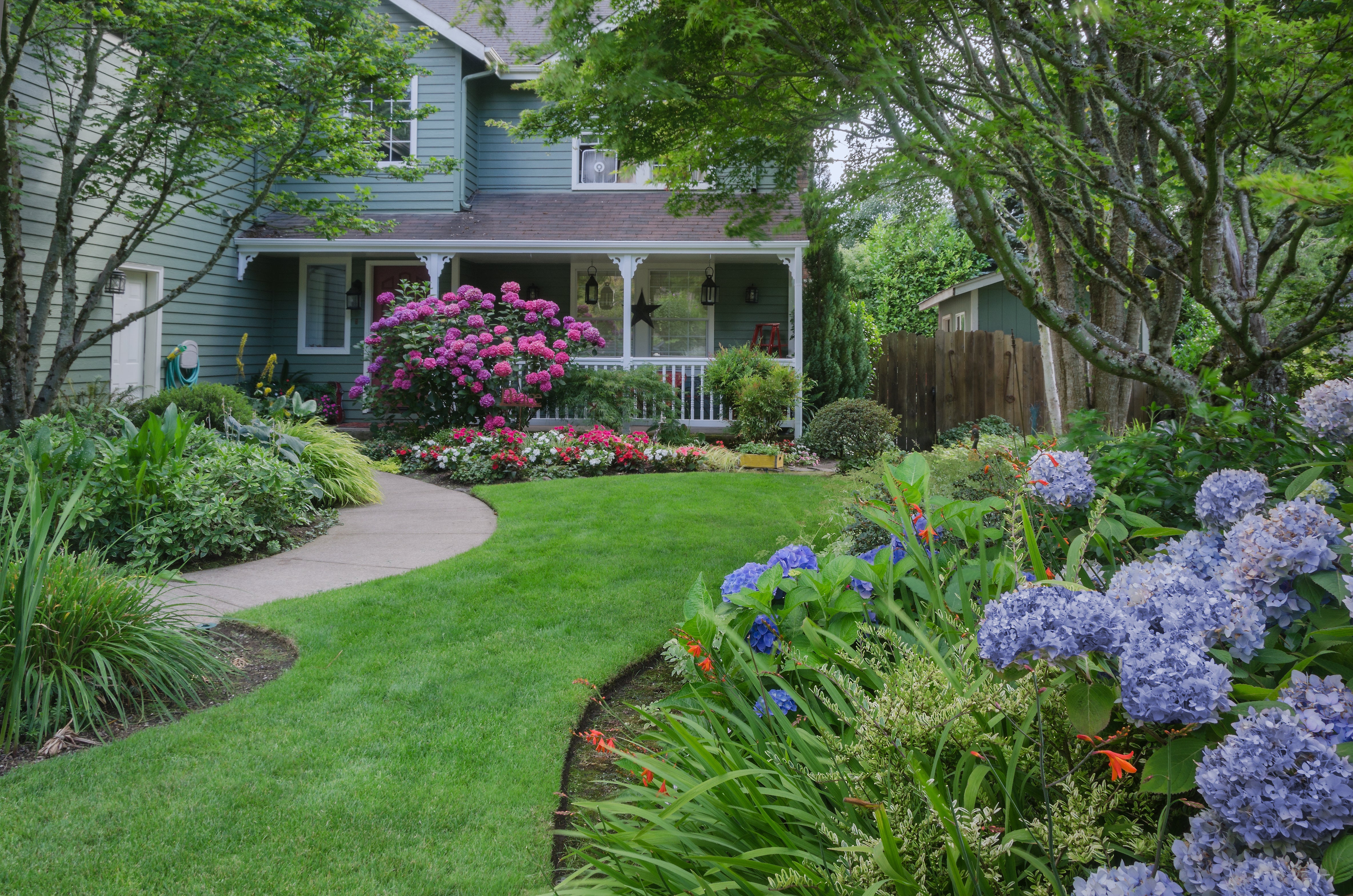
The most low maintenance landscaping for a front yard typically focuses on drought-resistant plants, hardscaping elements, and designs that require minimal upkeep. Here are some effective strategies to achieve a beautiful yet low-maintenance landscape:
Choosing Drought-Resistant Plants
Selecting drought-resistant plants is essential for creating a low-maintenance front yard. These plants require less water and typically better withstand varying weather conditions.
- Succulents – These water-storing plants come in various shapes and sizes, leading to diverse landscaping options.
- Native plants – Species that are native to your area generally thrive without much intervention, as they are well-adapted to the local climate.
- Ornamental grasses – These plants are not only appealing but also require little mowing and can withstand drought conditions.
Incorporating Hardscaping Elements
Hardscaping involves using non-plant elements such as stones, bricks, or concrete, which can significantly reduce lawn care tasks.
- Paved pathways – Walkways can lead to your home while minimizing the need for grass or other plant maintenance.
- Retaining walls – These structures can add aesthetic value and create a defined area for your landscape.
- Patios and decks – Designed spaces with minimal plants require little upkeep compared to traditional gardens.
Implementing Mulch
Using mulch in your landscaping can help retain moisture, suppress weeds, and improve the overall aesthetics of your yard.
- Types of mulch – Consider organic options like wood chips or stone, both of which have long-lasting effects.
- Weed suppression – A thick layer of mulch can significantly reduce the need for weeding by preventing unwanted plant growth.
- Moisture retention – Mulch helps maintain soil moisture, reducing the frequency of watering.
Creating a Rock Garden
A rock garden is an excellent way to beautify your front yard with minimal water and maintenance.
See also:
- Selection of rocks – Use various sizes and colors to mimic a natural setting, which can be visually appealing.
- Use of hardy plants – Combine the rocks with resilient plants that thrive in poor soil conditions.
- Drainage improvement – Rocks facilitate better drainage, minimizing issues during heavy rains.
Utilizing Ground Covers
Ground covers are low-growing plants that can replace traditional grass and significantly reduce maintenance efforts.
- Creeping thyme – This fragrant ground cover is hardy and can withstand foot traffic.
- Ajuga – Known as bugleweed, it provides beautiful blooms while suppressing weeds effectively.
- Hostas – For shaded areas, hostas thrive with minimal care while offering lush foliage.
What is the best thing to plant in front of a house?
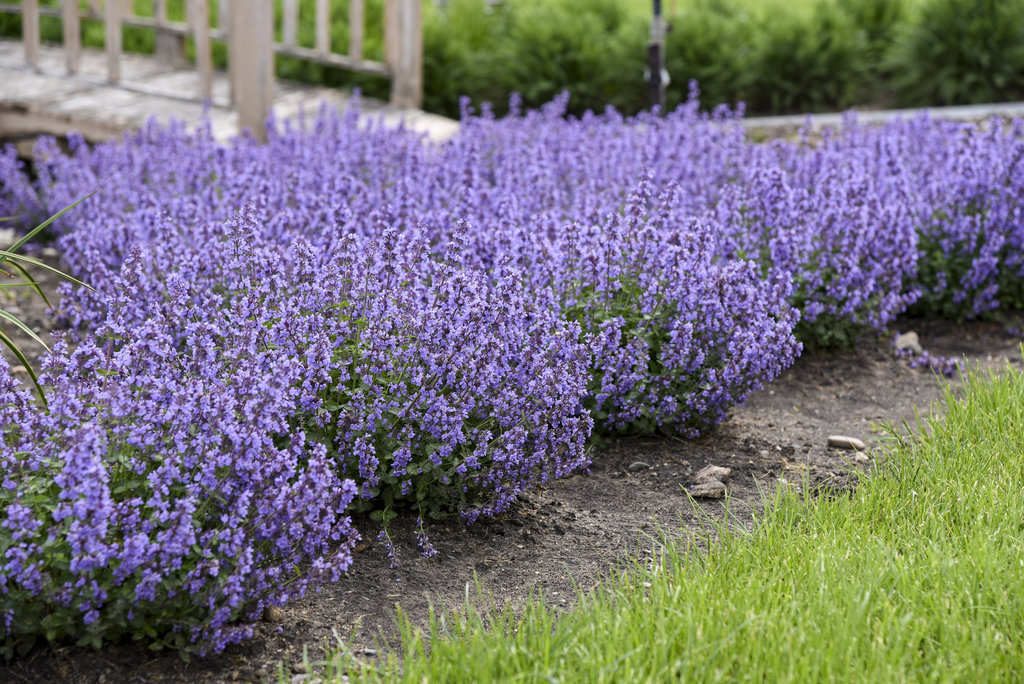
The best thing to plant in front of a house largely depends on factors such as climate, soil type, and the style of the home. However, a few options consistently stand out for their aesthetic appeal, functionality, and low maintenance. Here are several plants that are commonly regarded as the best choices for front gardens:
Flowering Shrubs
Flowering shrubs are an excellent choice for adding color and texture to the front of a house. They not only enhance the visual appeal but also provide privacy and can attract wildlife. Some popular options include:
- Azaleas - Known for their vibrant blooms, they thrive in various conditions.
- Hydrangeas - These can create stunning flower displays and come in many colors.
- Lilacs - With their fragrant blossoms, they are a delight in spring.
Ornamental Grasses
Ornamental grasses can add movement and a soft touch to a front yard. They are hardy and require minimal care, making them a practical option. Consider these types:
- Feather Reed Grass - Tall and slender, it can provide vertical interest.
- Blue Fescue - Its unique blue-green color adds a cool tone.
- Pampas Grass - Known for its dramatic plumes, great for a bold statement.
Perennials
Perennials are perfect for creating a low-maintenance garden that returns year after year. They can fill your front yard with a variety of colors and shapes. Recommended perennials include:
- Daylilies - Versatile and hardy, offering a range of colors.
- Black-eyed Susans - Famous for their golden petals and dark centers.
- Lavender - Not only beautiful but also fragrant and drought-resistant.
Ground Covers
Ground cover plants help reduce weeds and prevent soil erosion, making them smart additions to landscaping. They can also provide year-round greenery. Popular options are:
- Creeping Thyme - A fragrant and drought-tolerant choice.
- Ajuga - Known for its attractive foliage and blue flowers.
- Chameleon Plant - Provides texture and vibrant colors to the ground layer.
Container Plants
Using containers in front of your house allows for flexibility and creativity in your landscaping. You can easily change plants with the seasons and customize arrangements. Consider these:
- Petunias - Their bright colors fit well in seasonal displays.
- Ferns - Add a lush, green contrast to the vibrant flowers.
- Succulents - Perfect for modern aesthetics, requiring minimal watering.
Questions from Our Readers
What are the best shrubs for the front of a house?
The best shrubs for the front of a house depend on factors like climate, soil type, and the overall aesthetic you want to achieve. Some popular options include boxwood, which is great for formal landscaping, and hydrangeas, known for their beautiful blooms. Additionally, holly shrubs provide year-round greenery and berries for winter interest.
How do I choose the right shrub for my front yard?
When choosing the right shrub for your front yard, consider factors such as sunlight exposure, soil conditions, and the size of the space. It's important to select a shrub that matches your specific environmental conditions and complements the architectural style of your home for a cohesive look.
See also:
Are there low-maintenance shrubs suitable for the front of a house?
Yes, several low-maintenance shrubs are suitable for the front of a house, including evergreen varieties like juniper and yews, which require minimal pruning and are drought-resistant. Additionally, native plants tend to thrive with less care, making them an excellent choice for hassle-free landscaping.
What shrubs should I avoid planting in the front of my house?
Avoid planting shrubs that can become overly invasive or require excessive maintenance, such as bamboo or certain types of privet. Additionally, steer clear of shrubs that may block windows or pathways, ensuring your landscaping remains functional and doesn’t obstruct views or access.

If you want to read more articles like What is the best shrub for the front of a house? Top Options for Curb Appeal, we recommend you check out our Shrubs category.
Leave a Reply
Related Articles