Should You Soak Seeds Overnight Before Planting? Benefits and Tips for Successful Germination
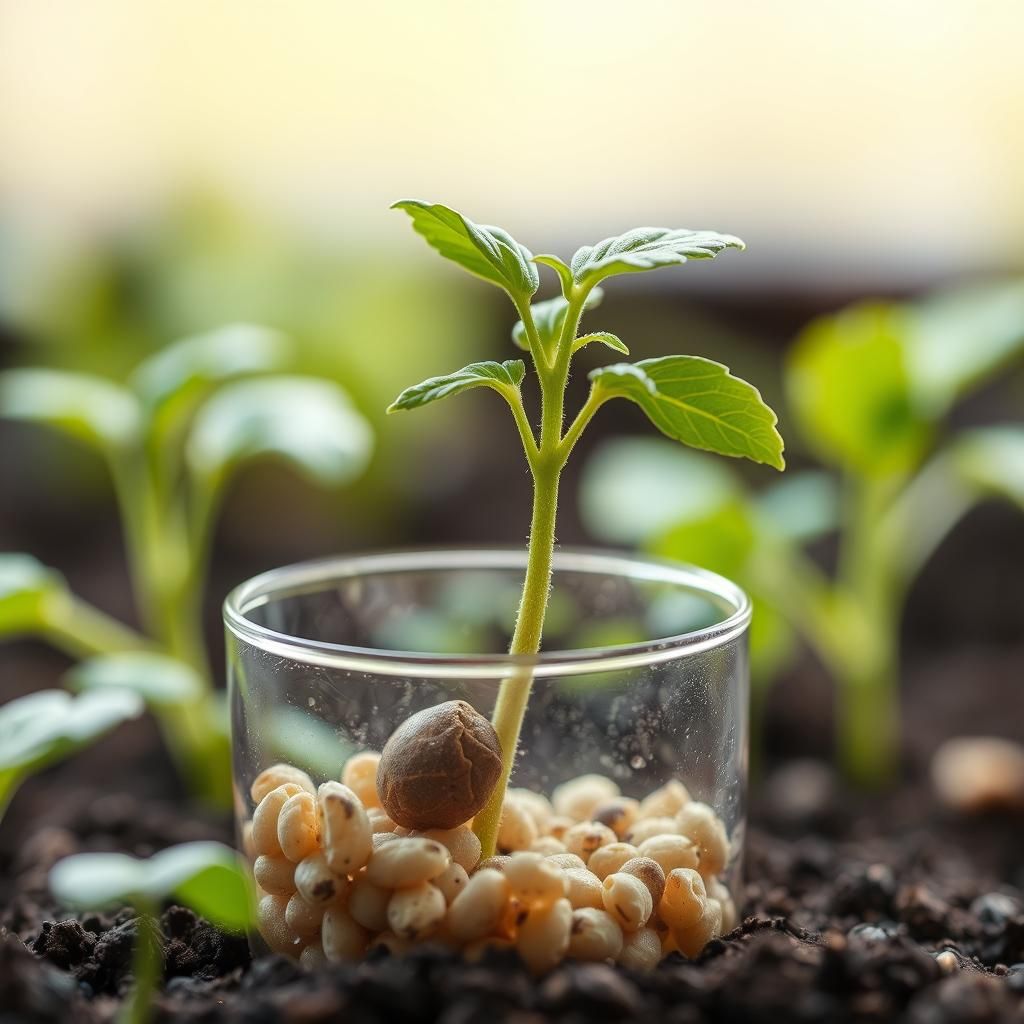
Soaking seeds overnight before planting is a common practice among gardeners and farmers, but is it really beneficial? This simple step can significantly influence seed germination and overall plant health. By soaking, you can enhance seed viability, speed up germination, and promote vigorous growth. However, it’s essential to understand how different seeds react to soaking and the best practices to follow for maximum effectiveness. In this article, we will explore the benefits of soaking seeds, provide helpful tips for successful germination, and guide you through the science behind this age-old technique. Get ready to optimize your planting experience!
Should You Soak Seeds Overnight Before Planting?
Soaking seeds overnight before planting is a practice that many gardeners and farmers swear by, as it can significantly enhance the germination process. When seeds are soaked, they absorb water, which activates enzymes that begin the metabolism necessary for germination. This process can help break down the seed coat, leading to a quicker and more uniform sprouting. It is especially beneficial for seeds that have a tough outer shell or those that require extra hydration to trigger growth. However, it's crucial to note that not all seeds benefit from soaking; some may actually be harmed by excessive moisture. Thus, understanding the specific needs of each seed type is essential for successful planting.
Benefits of Soaking Seeds
Soaking seeds can lead to several benefits, including accelerated germination, improved seedling vigor, and increased success rates in planting. By allowing seeds to absorb water, they begin the germination process earlier, resulting in faster sprout times. This can be particularly useful in shorter growing seasons or when starting crops indoors. Additionally, seeds that are adequately soaked tend to produce stronger seedlings since they start their life cycle with better hydration and nutrient absorption.
Which Seeds Should be Soaked?
Not all seeds need soaking, but many hard-coated seeds and those known for slow germination can greatly benefit from this method. Examples include beans, peas, and sunflowers. These seeds typically have a tougher exterior that can impede moisture absorption. On the other hand, seeds such as lettuce or carrots may not require soaking and could even suffer from oversaturation, leading to rot. Thus, it's essential to research the specific requirements for each seed type prior to soaking.
How Long Should You Soak Seeds?
The general guideline for soaking seeds is to leave them in water for about 12 to 24 hours, but the exact duration can vary depending on the seed type. Softer seeds can typically be soaked for shorter periods, while tougher seeds may need closer to the full 24 hours to fully absorb water. Be cautious not to exceed this time frame, as prolonged soaking can result in drowning or mold growth, adversely affecting the seeds.
Risks of Soaking Seeds
While soaking can be beneficial, there are risks involved as well. Over-soaking can lead to seed rot, where the seeds become too waterlogged and lose their viability. Additionally, if the water is not changed, there is a risk of fungal infections developing, which can harm the seeds. It's vital to monitor the seeds and ensure optimal soaking conditions, including using clean water and not exceeding the recommended soaking time.
Alternative Methods to Pre-Soaking
For those who prefer not to soak, there are alternative methods to encourage germination. Some gardeners opt for techniques like scarification, which involves nicking or scratching the seed coat to allow moisture to penetrate more easily. Other options include using humidity domes for seed trays or employing warm water baths for seeds that may need just a boost. These methods can produce similar results without the risks involved in soaking seeds overnight.
| Seed Type | Soak Duration | Soaking Benefits |
|---|---|---|
| Beans | 12-24 hours | Improved germination rate |
| Carrots | No soak needed | May cause rot if soaked |
| Peas | 12-24 hours | Faster sprout time |
| Sunflowers | 12-24 hours | Stronger seedlings |
| Lettuce | No soak needed | Susceptible to rotting |
Which seeds should not be soaked before planting?
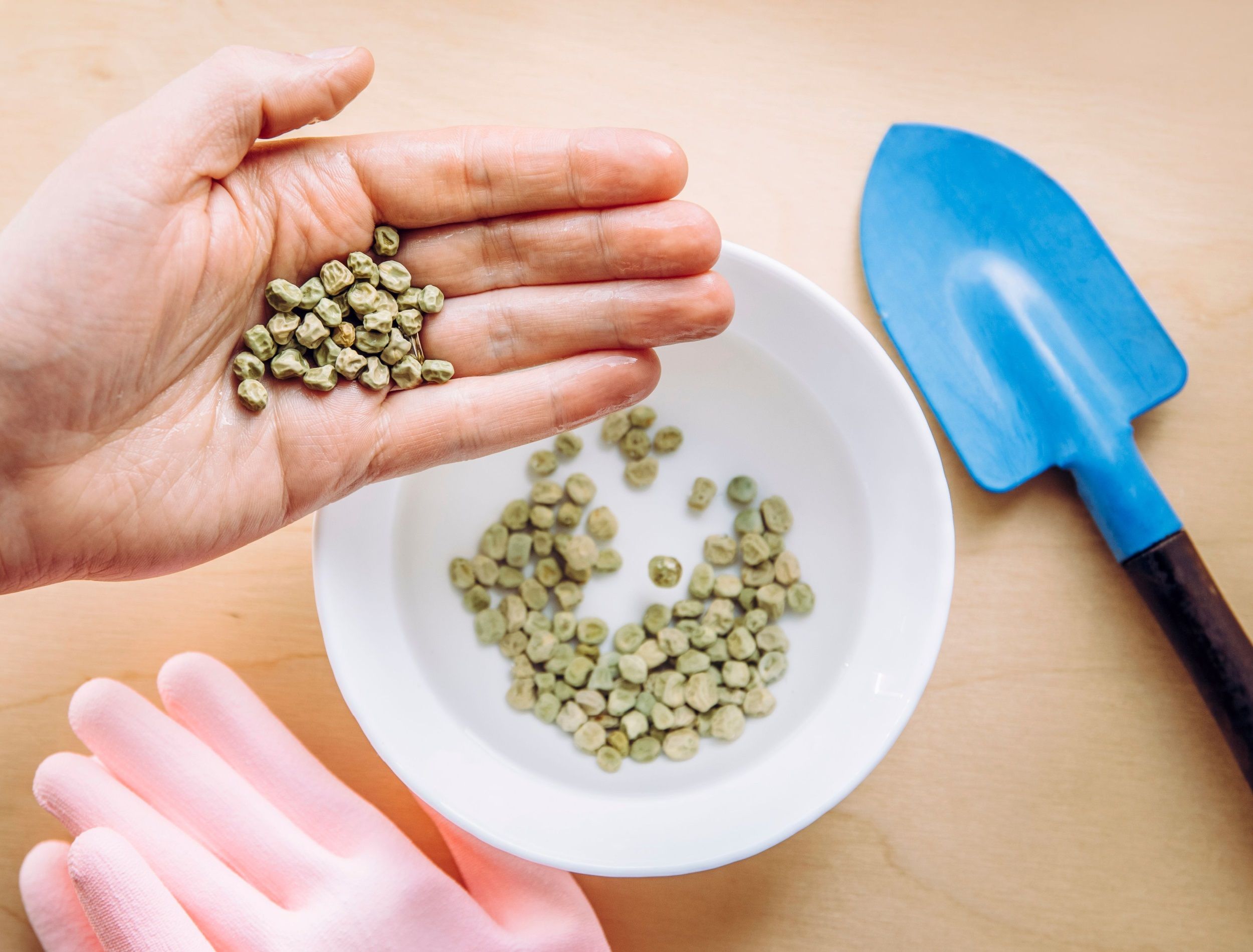
Certain seeds should not be soaked before planting due to their specific requirements or characteristics. Here are some seeds that should generally be sown dry:
1. Beans
Soaking bean seeds can cause them to swell and germinate prematurely. They also have a natural protective coating, which helps prevent diseases. When soaked, this coating can be compromised, leading to a higher risk of rot or fungal infections.
- Check for mold: Soaking can encourage mold growth on bean seeds.
- Ensure proper drainage: Dry beans thrive in well-drained soil without excess moisture.
- Planting tips: Directly plant seeds into the soil for best results.
2. Corn
Corn seeds are best planted without soaking. These seeds have a hard outer shell that protects them from disease and pests. Soaking can lead to waterlogging and damages the seed coat, which is crucial for successful germination.
- Optimal soil conditions: Ensure the soil is moist but not overly wet.
- Planting depth: Plant corn seeds at the appropriate depth for better germination rates.
- Watching for pests: Dry planting reduces the chances of attracting pests attracted to soaked seeds.
3. Carrots
Soaking carrot seeds is not advisable. They are very tiny and sensitive to excess moisture. Soaking can lead to clumping and uneven germination.
- Sowing technique: Sprinkle them lightly on the soil surface instead of soaking.
- Soil preparation: Prepare the soil adequately to ensure good seed-to-soil contact.
- Moisture monitoring: Keep the soil consistently moist after planting without soaking the seeds.
4. Peas
Pea seeds can be adversely affected by soaking as it can cause them to rot. They have a higher moisture requirement after planting, which makes soaking unnecessary and potentially damaging.
See also:
- Early planting: Plant peas directly in the garden to avoid premature sprouting.
- Soil fertility: Use well-drained, nutrient-rich soil to support growth.
- Watering schedule: Water seeds after planting rather than before.
5. Onions
Soaking onion seeds before planting can lead to problems during germination. The seeds can become too moist and fail to sprout properly, resulting in poor germination rates.
- Seed viability: Ensure seeds are fresh and viable without soaking.
- Sowing depth: Place onion seeds at a shallow depth in well-drained soil.
- Post-plant care: Water gently after planting to ensure moisture without soaking the seeds.
How long should seeds soak before planting?
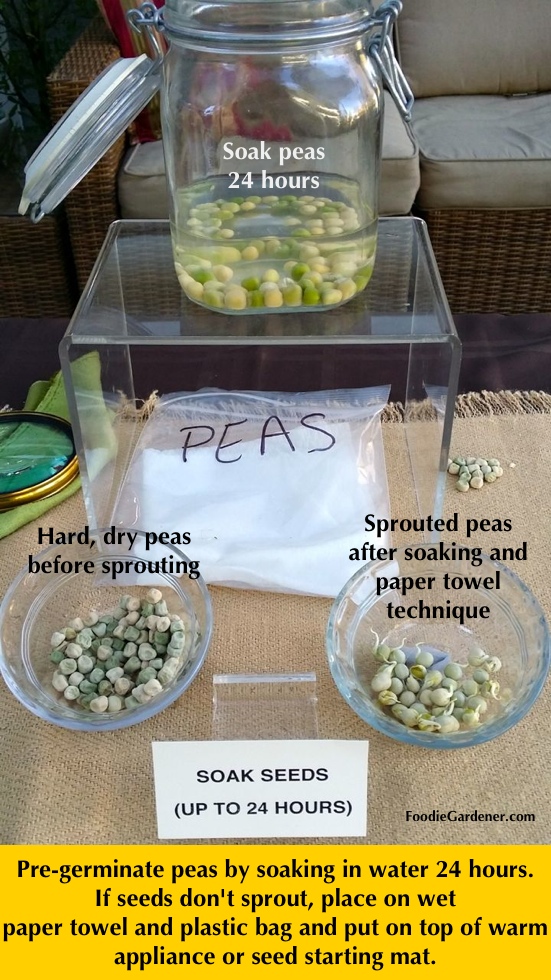
Soaking seeds before planting can significantly enhance their germination rates and speed. The duration for soaking seeds varies depending on the type of seed. Generally, most seeds can be soaked for 4 to 12 hours. However, some seeds might benefit from longer soaking periods of up to 24 hours. It is essential to ensure that seeds do not swell too much or start to germinate during the soaking process, as it can lead to reduced viability upon planting.
Why Soak Seeds?
Soaking seeds has several benefits that can improve their growth potential:
- Improved Germination Rates: Soaking helps to soften the seed coat, allowing moisture to penetrate more effectively.
- Faster Germination: Pre-soaked seeds tend to germinate faster than dry seeds, reducing the waiting time.
- Increased Nutrient Uptake: Soaking can promote better absorption of nutrients in the soil after planting.
Recommended Soaking Times for Different Seeds
Different types of seeds require varying soaking durations:
- Small Seeds: Generally soak for about 4 to 6 hours. Examples include lettuce and carrots.
- Medium Seeds: Soak for approximately 8 to 12 hours. Examples include beans and peas.
- Large Seeds: Can be soaked for up to 24 hours. Examples include corn and squash.
How to Soak Seeds Properly
There are effective methods to soak seeds to optimize the process:
- Use Clean Water: Always soak seeds in clean, room-temperature water to prevent contamination.
- Monitor Time: Keep track of the soaking duration to prevent over-soaking.
- Drain and Dry: After soaking, drain the seeds and dry them slightly before planting to prevent clumping.
Signs of Over-Soaking
It is crucial to recognize the signs when seeds have been over-soaked:
- Swelling or Splitting: Seeds may swell excessively or begin to split if soaked for too long.
- Germination: Early germination during soaking indicates they have absorbed too much water.
- Soft Seed Coats: Seeds that feel mushy are likely over-soaked and may rot before planting.
Benefits of Pre-Sprouting Seeds
In addition to soaking, pre-sprouting seeds can provide extra benefits:
- Eye on Growth: Pre-sprouted seeds allow gardeners to see how viable the seeds are before planting.
- Stronger Plants: Seeds that are already sprouted often develop stronger roots and shoots.
- Better Timing: Pre-sprouting allows gardeners to plant at the exact moment for optimal growth conditions.
Is it necessary to soak seeds overnight?

Soaking seeds overnight is a common practice among gardeners and cultivators, but it is not an absolute necessity for all types of seeds. Here is a detailed examination of the reasons why soaking seeds may be beneficial and when it might not be required.
Benefits of Soaking Seeds
Soaking seeds offers several advantages that can enhance the germination process. It helps to soften the seed coat, which can be particularly beneficial for seeds with hard outer shells. This process allows water to penetrate more easily, promoting earlier sprouting. Additionally, soaking can initiate the germination process by activating enzymes that are crucial for growth. The benefits include:
- Improved germination rate: Seeds that are soaked often have a higher percentage of successful germination.
- Faster sprouting: Soaking can significantly reduce the time it takes for seeds to sprout.
- Uniform growth: Ensuring seeds are prepped in the same way can lead to more uniform plants.
Types of Seeds That Benefit from Soaking
Certain seeds benefit more from soaking than others. Generally, seeds with hard coats, such as beans and peas, often show improved results when soaked. This practice is particularly advantageous for seeds that naturally require a longer time to germinate. Here are some examples:
- Leguminous seeds: Beans and peas respond well to soaking and can germinate quicker.
- Tree seeds: Some tree seeds have tough coats that can benefit from pre-soaking.
- Flower seeds: Many perennial flower seeds also do better when soaked prior to planting.
Drawbacks of Soaking Seeds
Despite its benefits, soaking seeds is not always advantageous and can have certain drawbacks. Over-soaking can lead to rotting or other issues, especially in seeds that are sensitive to excessive moisture. It’s important to consider these factors:
See also:
- Risk of rot: Soaking for too long can cause seeds to develop mold or rot.
- Loss of viability: Some seeds may lose their viability if exposed to water for extended periods.
- Time constraints: Not all gardeners have the time to soak seeds, especially if they are in a hurry to plant.
Alternatives to Soaking Seeds
For those who prefer to skip the soaking process or for seeds that do not require it, there are alternative methods to enhance germination. These methods can be just as effective in preparing seeds for planting. Consider the following options:
- Scarification: This involves mechanically breaking or softening the seed coat to encourage germination.
- Temperature regulation: Providing a warm environment can help speed up the germination of some seeds.
- Using germination mats: These mats can provide consistent warmth and moisture which can be beneficial for germination.
Best Practices for Soaking Seeds
If you decide to soak seeds, there are best practices to follow to achieve optimal results. Proper soaking can maximize the benefits while minimizing any risk involved. Here are some recommendations:
- Duration: Soak seeds for a period of 6 to 12 hours for best results, depending on the seed type.
- Water temperature: Use lukewarm water to activate germination without shocking the seeds.
- Drain and dry: After soaking, be sure to drain the seeds thoroughly and let them dry a little before planting.
Do soaking seeds help them grow faster?

Soaking seeds can indeed aid in their growth, but the extent to which it accelerates growth can depend on several factors. When you soak seeds before planting, you help to hydrate them, which can hasten the germination process. Water absorption activates enzymes within the seed that begin the metabolic process necessary for growth. Additionally, soaking can remove some of the seed coat’s dormancy, allowing for quicker sprouting. However, it's essential to understand that while soaking can offer benefits, it should be done correctly to avoid damaging the seeds.
Benefits of Soaking Seeds
Soaking seeds has numerous advantages that can help you cultivate a healthier crop.
- Faster Germination: Seeds that are soaked often swell and sprout more quickly than dry seeds.
- Enhanced Nutrient Uptake: Before germination, soaking can help improve the seeds’ ability to absorb necessary nutrients.
- Reduced Risk of Disease: Soaking can help to wash off some pathogens present on the seed surface, potentially leading to healthier plants.
How to Soak Seeds Properly
The method of soaking seeds is crucial for achieving the desired outcomes.
- Choose the Right Seeds: Different seeds require varying soaking times, so research is essential.
- Use Clean Water: Always use filtered or distilled water to prevent introducing harmful microbes.
- Monitor Time: Most seeds should be soaked for 12 to 24 hours, but over-soaking can lead to rot.
Seeds That Benefit the Most from Soaking
Not all seeds respond equally to soaking. Certain seeds tend to benefit significantly from this practice.
- Beans: Beans soaked overnight often germinate faster.
- Peas: Peas can benefit from soaking as it mimics natural soil moisture conditions.
- Squash: Squash seeds can enjoy quicker germination rates with proper soaking.
Potential Risks of Soaking Seeds
While soaking can be beneficial, there are also potential downsides to consider.
- Over-Saturation: Leaving seeds in water for too long can cause them to rot.
- Loss of Viability: Some seeds may lose their viability if soaked incorrectly.
- Germination Issues: Soaking could lead to unintended germination before planting, complicating the process.
Alternatives to Seed Soaking
If soaking doesn't seem appropriate for your seeds, there are alternatives to consider.
- Scarification: Mechanically or chemically scratching the seed coat can enhance germination without soaking.
- Stratification: This process involves mimicking natural conditions (cold or moist) to break dormancy.
- Direct Planting: Some seeds germinate better when planted directly into the soil without prior soaking.
Questions from Our Readers
Should you soak seeds overnight before planting?
Soaking seeds overnight can be beneficial as it helps to soften the seed coat, which may speed up the germination process. By soaking, you provide the seeds with the necessary moisture to kickstart their growth, making it easier for them to absorb water and nutrients once planted.
What types of seeds benefit most from soaking?
Generally, hard-coated seeds like beans, peas, and certain flower seeds benefit the most from soaking. This process helps to break down tough shells, allowing for better water absorption and ultimately promoting healthier and quicker germination.
Is there a risk of over-soaking seeds?
Yes, there is a risk of over-soaking seeds, which can lead to rot or mold formation. If seeds are soaked for too long, they may suffocate due to a lack of oxygen, so it's important to stick to the recommended soaking times to ensure the best results.
Can you soak all seeds overnight?
Not all seeds should be soaked overnight; some seeds, like delicate or small seeds, may not require soaking at all and can be planted directly into the soil. Additionally, certain seeds, such as carrot and lettuce seeds, thrive without soaking and may even be adversely affected by it.
See also:
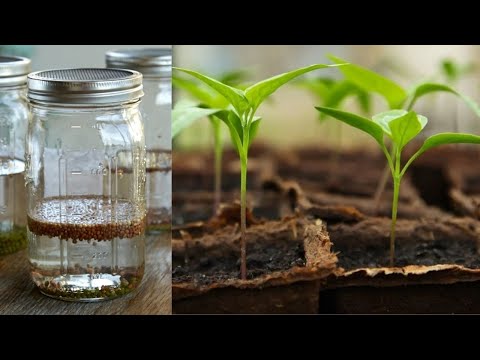
If you want to read more articles like Should You Soak Seeds Overnight Before Planting? Benefits and Tips for Successful Germination, we recommend you check out our Seeds category.
Leave a Reply
Related Articles