What is the Easiest Thing to Farm for Beginners? A Complete Guide to Simple Farming Options
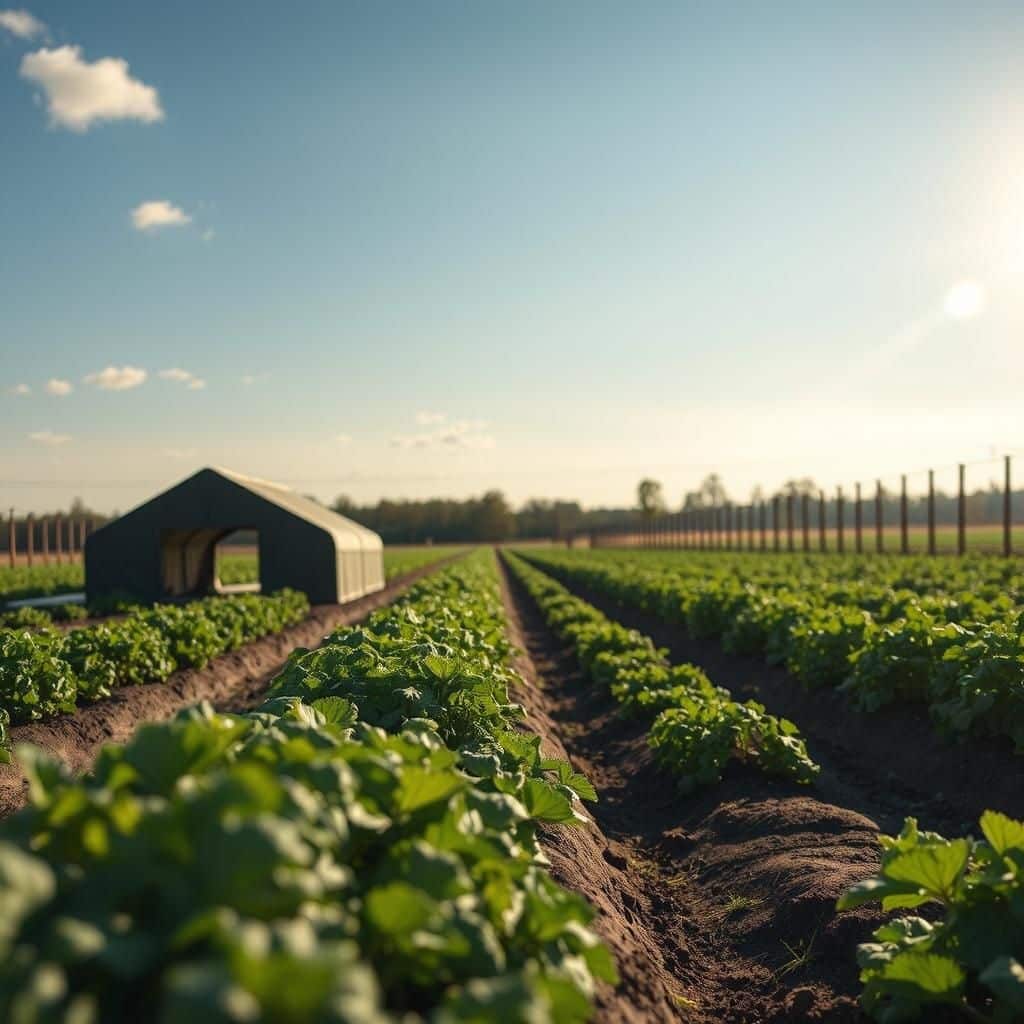
Farming can be a rewarding and fulfilling endeavor, especially for beginners looking to connect with nature and enjoy fresh produce. However, with so many options available, it can be overwhelming to decide where to start. In this complete guide, we will explore some of the easiest crops and animals to farm for novices. From vibrant vegetables to low-maintenance livestock, we will break down the essential steps, required resources, and tips for success. Whether you have a spacious backyard or just a small balcony, you'll discover simple farming options that fit your lifestyle and skill level. Dive in and start your farming journey today!
What is the easiest thing to farm for beginners?
For beginners looking to start their farming journey, herbs are often considered the easiest crop to cultivate. Herbs like basil, cilantro, and parsley require minimal space, can be grown in pots or directly in the ground, and thrive in various climates. Their short growing seasons mean that beginners can see rapid results, and they also need less maintenance compared to larger crops. Additionally, herbs can be used immediately in cooking or sold for profit, making them a practical choice for novice farmers eager to experiment and learn the basics of agriculture.
The Benefits of Farming Herbs
Farming herbs provides numerous advantages for beginners. Firstly, they have a fast growth cycle, often maturing within a few weeks, allowing new farmers to gain experience quickly. Secondly, they require relatively little investment in terms of equipment and thus can be started with basic gardening tools. Furthermore, herbs are incredibly versatile; they can be grown year-round indoors or outdoors depending on climate, making them accessible to a wide range of growers.
Best Herbs for Beginners to Grow
Some of the best herbs for beginners include basil, parsley, chives, cilantro, and rosemary. Basil is a popular choice due to its quick growth and culinary versatility, while parsley is forgiving and can flourish in varied conditions. Chives add flavor and are easy to maintain, cilantro can be harvested quickly, and rosemary is a robust perennial herb that can thrive in many settings. Each of these herbs provides an excellent introduction to the world of gardening.
Growing Herb Conditions
Proper conditions can significantly enhance herb growth. Most herbs prefer full sun, which means they need at least 6-8 hours of sunlight daily to thrive. They also need well-drained soil; adding organic matter can help improve soil structure and fertility. Regular watering is essential, but overwatering can be detrimental, so beginners should learn to gauge soil moisture before irrigation. Temperature is also a factor; most herbs do best in warm weather, but some, like mint, can tolerate partial shade.
See also:
Common Pests and Diseases
Even though herbs are relatively easy to grow, they can still fall victim to various pests and diseases. Common pests include aphids, spider mites, and whiteflies, which can stunt growth and damage leaves. To combat these issues, regular monitoring and prompt action, such as using insecticidal soap or introducing beneficial insects, can be helpful. Diseases like root rot and powdery mildew can occur, especially in overwatered conditions, making it crucial for beginners to learn about proper moisture management.
Harvesting and Using Your Herbs
Harvesting herbs at the right time can enhance their flavor and aroma. Generally, herbs should be harvested just before they start to flower, as this is when their oils are most concentrated. Beginners should learn the correct techniques for cutting herbs to promote sustained growth—usually, this involves snipping leaves or stems without uprooting the entire plant. Once harvested, herbs can be used fresh or dried for longer storage, opening up various culinary possibilities from home-cooked meals to gourmet experiments.
| Herb | Growth Time | Optimal Light | Watering Needs |
|---|---|---|---|
| Basil | 3-4 weeks | Full sun | Moderate |
| Parsley | 3-4 weeks | Full sun to partial shade | Moderate |
| Chives | 2-3 weeks | Full sun | Low to moderate |
| Cilantro | 3-4 weeks | Full sun | Moderate |
| Rosemary | 4-6 weeks | Full sun | Low |
Beginner-Friendly Crops for Easy Farming
Starting your farming journey can be exciting, and choosing the right crops is crucial for success. For beginners, some of the simplest options include leafy greens such as lettuce and spinach, or root vegetables like carrots and radishes. These crops typically have a short growing season and require minimal care, making them ideal for novice farmers. Additionally, they can often be cultivated in small spaces or even containers, allowing for versatility in gardening styles. By starting with these beginner-friendly crops, new farmers can gain confidence and experience in managing their plants and understanding the basics of agriculture.
Leafy Greens: The Perfect Starter Crop
Leafy greens such as spinach, lettuce, and kale are excellent choices for beginners due to their quick growth cycle and relatively low requirements. These crops can often be harvested in just a few weeks from planting, allowing new farmers to see immediate results. Additionally, they thrive in a variety of soil types and can be grown in containers, making them accessible for those with limited space. Ensuring they receive adequate sunlight and regular watering can lead to a quick and bountiful harvest.
Root Vegetables: Easy to Grow and Harvest
Root vegetables like carrots, radishes, and beets are not only simple to grow but also rewarding for beginners. They require minimal weather conditions and can be planted in fertile soil where they can develop underground. Their growth is largely determined by the depth of the soil and spacing between seeds, which is easy for beginners to manage. These vegetables are resilient and can adapt to various climates, ensuring that even novice farmers can succeed in cultivating them.
See also:
Herbs: A Simple Introduction to Farming
Growing herbs like basil, parsley, and cilantro is another fantastic option for beginners. Not only are they easy to care for, but they also require less space and can thrive in pots or garden beds. Herbs usually have a short growth cycle, and many can be harvested continuously, allowing for a steady supply of fresh flavors for cooking. Their aromatic qualities and versatility make them beneficial additions to any gardening endeavor while providing beginners with a rewarding experience.
Beans and Peas: Fast-Growing Protein Sources
Beans and peas are great choices for new farmers due to their fast growth and ability to enrich the soil. These legumes can be planted in containers or gardens and typically require minimal maintenance once established. They are climbing plants, which means they can grow vertically, saving space, and providing a good yield. Additionally, they are beneficial for the ecosystem as they help fix nitrogen in the soil, ultimately enhancing soil health for future crops.
Squash: A Beginner’s Favorite
Squash, including varieties like zucchini and butternut squash, is perfect for beginner farmers due to its adaptability and prolific nature. This plant is relatively easy to grow and can thrive in a variety of soil conditions. Squash plants often yield a large amount of fruit throughout the growing season, providing plentiful harvests. They do require some space and sun, but with the right conditions, beginners can easily enjoy the fruits of their labor.
Questions from Our Readers
What is the easiest crop to grow for beginners?
Growing radishes is often considered one of the easiest crops for beginners due to their quick germination and short growth cycle. They can be sown directly into the soil and typically mature within three to four weeks, making them a rewarding choice for those new to farming.
Are there any vegetables that are particularly beginner-friendly?
Yes, lettuce is a great option for beginners as it grows rapidly and doesn't require much maintenance. It's best to plant in cooler seasons, and with proper care, leafy greens like lettuce can be harvested multiple times throughout the growing season.
See also:
What type of herbs are easy to cultivate for novices?
Basil is an excellent herb for beginners because it is very forgiving and grows well in a range of conditions. It requires plenty of sunlight and consistent watering, and within a few weeks, you can enjoy fresh leaves for culinary use.
Can beginners succeed with fruit farming?
Absolutely! Strawberries are a fantastic choice for beginner fruit farmers. They can be grown in containers or garden beds, and with minimal effort, they produce fruit in the first growing season, making them a sweet reward for novice growers.

If you want to read more articles like What is the Easiest Thing to Farm for Beginners? A Complete Guide to Simple Farming Options, we recommend you check out our Seeds category.
Leave a Reply
Related Articles