What is the Easiest Plant to Grow for Beginners? 7 Tips for Success

For those new to gardening, choosing the right plant can make all the difference. Beginners often seek an easy-to-grow option that not only thrives with minimal care but also rewards them with a sense of accomplishment. In this article, we will explore the easiest plants to cultivate for novice gardeners, providing helpful tips and insights to ensure success. From low-maintenance herbs to resilient flowers, you'll discover selections that can flourish in various environments. Dive in as we share seven essential tips that will set you on the path to enjoying your gardening journey and nurturing your green thumb.
What is the Easiest Plant to Grow for Beginners?
For those new to gardening, one of the most recommended plants to start with is the pothos. This hardy plant is renowned for its ability to thrive in a wide range of conditions, making it ideal for beginners. Pothos, also known as devil's ivy, can tolerate low light, irregular watering, and fluctuating temperatures. Its vibrant green leaves and trailing vines can brighten up any space, and not only is it aesthetically pleasing, but it's also known for its air-purifying qualities. With minimal maintenance and a forgiving nature, pothos is a perfect choice for anyone looking to dip their toes into the world of plant care.
Why Choose Pothos as a Beginner Plant?
Pothos is often suggested for beginners due to its low maintenance requirements. It grows quickly, allowing new gardeners to see results without extensive care, and it can adapt to various indoor environments. This adaptability means that beginners don’t have to worry excessively about specific light or watering needs, as pothos is tolerant to both neglect and small mistakes.
Light Requirements for Pothos
One of the key reasons pothos is so accessible is its ability to survive in various light conditions. While it flourishes in bright, indirect sunlight, it can also thrive in low light. This makes it a perfect option for spaces that do not receive ample natural light, such as offices or darker rooms. However, it's best to avoid direct sunlight, which can scorch its leaves.
Watering Guidelines for Beginners
When it comes to watering, pothos is quite forgiving, making it an ideal first plant. It prefers to dry out between waterings, so beginners often overwatering is less of a concern. Checking the top inch of the soil for dryness can help determine when to water. Generally, watering once every 1-2 weeks should suffice, depending on the humidity and temperature of the environment.
Common Pests and Problems
Even though pothos is robust, beginners should be aware of potential pests like spider mites and mealybugs. Regularly checking the leaves and stems can help catch infestations early. If pests are detected, simple solutions like wiping the leaves with a damp cloth or using insecticidal soap can effectively manage the problem without the need for harsh chemicals.
Nutritional Needs and Fertilizing Tips
Pothos doesn't require a lot of fertilizer, making it easy for beginners to nourish their plant. A general-purpose houseplant fertilizer can be applied during the growing season, which runs from spring to early autumn. Using a diluted solution once every couple of months is usually enough to keep the plant healthy and promote lush growth.
| Aspect | Details |
|---|---|
| Light | Low to bright, indirect sunlight |
| Watering | Every 1-2 weeks, allow soil to dry |
| Pests | Spider mites, mealybugs |
| Fertilization | General-purpose houseplant fertilizer in growth season |
| Growth Rate | Fast-growing, can reach several feet |
What is the easiest thing to grow for beginners?
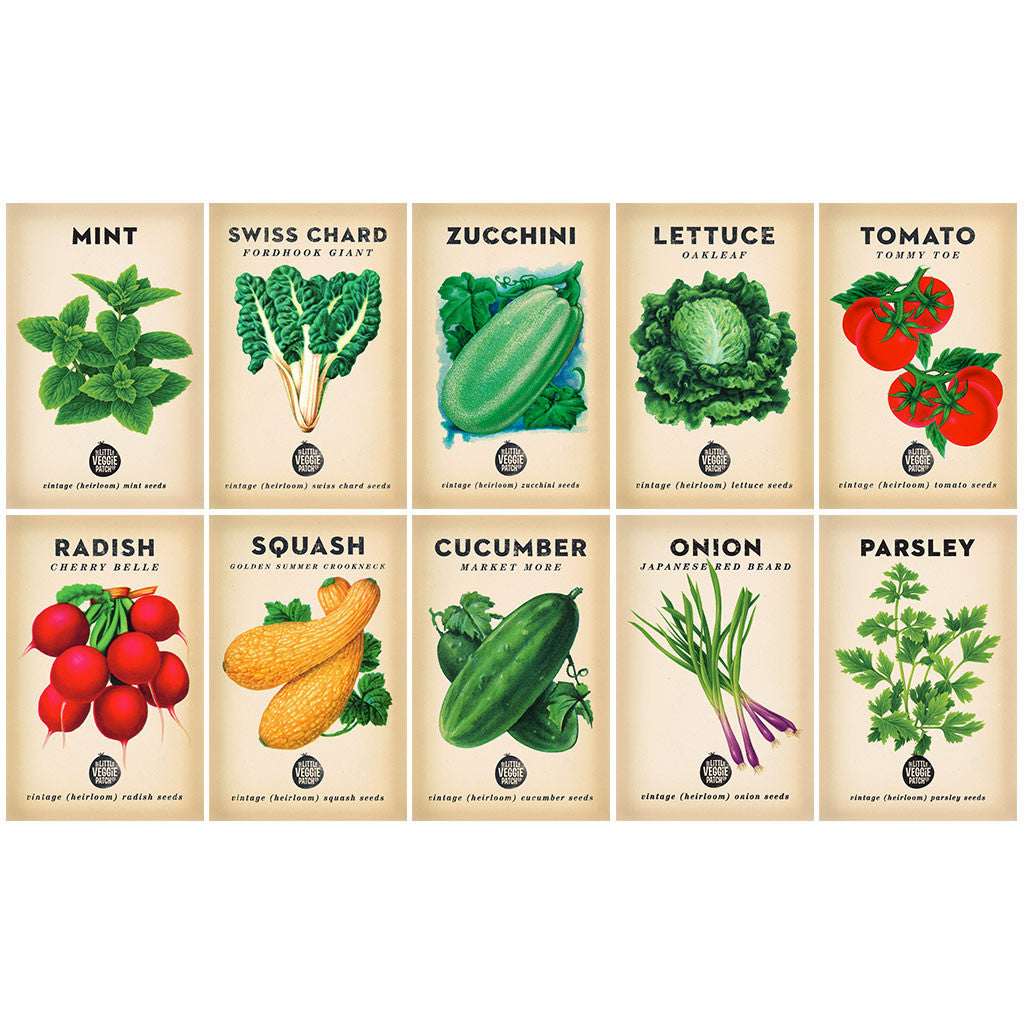

The easiest thing to grow for beginners is often considered to be herbs, due to their minimal care requirements and versatility in cooking. They can be grown in small spaces, require little maintenance, and can thrive in various conditions. Here are some simple herbs that are particularly suited for beginners:
Why Choose Herbs?
Growing herbs is an excellent starting point for novice gardeners. They are forgiving and can grow in small containers, making them ideal for those with limited outdoor space. Also, their fast growth and small size mean that even with minimal experience, beginners can enjoy the rewards of their gardening efforts quickly.
- Quick to germinate: Many herbs sprout within a week.
- Low maintenance: Most herbs need minimal watering and sunlight.
- Versatile use: Fresh herbs enhance the flavor of many dishes.
Best Herbs for Beginners
Some of the best herbs that beginners can grow successfully include basil, parsley, and chives. Each of these herbs has specific growing conditions but generally follow the same care routine.
- Basil: Thrives in warm weather and needs plenty of sunlight.
- Parsley: A hardy herb that can grow in partial shade.
- Chives: Easy to grow and can tolerate a variety of soil conditions.
Growing Environment Requirements
Creating the right growing environment is essential for the health of your herbs. While herbs are generally tolerant, they do have specific needs regarding light and soil.
- Sunlight: Most herbs require at least 6 hours of direct sunlight daily.
- Soil: Use well-draining potting soil to prevent waterlogging.
- Containers: Choose pots with drainage holes to allow excess water to escape.
Watering and Fertilization
Understanding the watering and fertilization needs of your herbs will ensure their growth and vitality. Overwatering is a common mistake that can lead to root rot.
- Water: Allow the top inch of soil to dry out before watering again.
- Fertilizer: Use a light liquid fertilizer every few weeks during the growing season.
- Mulching: Add a layer of mulch to retain moisture in the soil.
Pest Management
Being aware of common pests and how to manage them is critical to keeping your herbs healthy. Thankfully, pests often avoid aromatic herbs but can sometimes pose a problem.
- Inspect regularly: Check for signs of pests like aphids or spider mites.
- Natural repellents: Use neem oil or insecticidal soap if bugs are found.
- Companion planting: Grow herbs alongside vegetables to deter pests naturally.
What is the rule of 3 in gardening?

The Rule of 3 in gardening is a design principle that suggests grouping plants in threes for a more visually appealing and harmonious look. This concept stems from the idea that odd numbers create a sense of balance and are more aesthetically pleasing than even-numbered groupings. The Rule of 3 can apply to various aspects of garden design, including plant selection, color schemes, and overall layout. By using this rule, gardeners can create more dynamic and interesting compositions in their gardens.
See also:
Understanding the Aesthetic Appeal
The aesthetic appeal of the Rule of 3 lies in its ability to create focal points and promote visual flow. Odd-numbered arrangements, particularly in threes, draw the eye and keep it engaged. This is because:
- Visual Balance: Grouping in threes helps achieve balance while providing enough variety.
- Dynamic Composition: Threes create movement and interaction among plants, leading to a lively appearance.
- Improved Focus: A group of three can highlight specific plants, making them stand out within the garden layout.
Implementation in Plant Groupings
When applying the Rule of 3 in plant groupings, gardeners often find that using this principle enhances the overall design. To implement this effectively, consider:
- Mixing Heights: Use plants of varying heights within the trio to create depth in the space.
- Color Harmony: Choose plants with complementary colors among the threes to create a cohesive and inviting atmosphere.
- Texture Variety: Incorporate a mix of textures to add interest and layers to the planting scheme.
Applying the Rule in Different Garden Styles
The Rule of 3 can be adapted to various garden styles, which broadens its applicability. Here are some examples of how it can be applied:
- Formal Gardens: Use geometric arrangements of three identical plants to create structure and symmetry.
- Cottage Gardens: Implement diverse plantings in threes that emphasize a natural and whimsical feel.
- Modern Landscapes: Apply minimalist groupings of three architectural plants for a clean and contemporary look.
Considerations for Seasonal Planting
When using the Rule of 3, seasonal considerations can enhance the garden throughout the year. Pay attention to:
- Bloom Times: Select plants that bloom at different times to ensure continued interest over multiple seasons.
- Seasonal Foliage: Choose plants with varying foliage colors to provide visual appeal even when not in bloom.
- Winter Interest: Incorporate evergreens or winter-blooming species in threes to maintain garden structure in colder months.
Benefits of the Rule of 3 for Gardeners
Implementing the Rule of 3 can offer numerous advantages for gardeners. These benefits may include:
- Enhanced Creativity: Encourages experimenting with combinations and expanding design possibilities.
- Increased Appreciation: Creates a garden that is easier to appreciate for its beauty and design intent.
- Time Efficiency: Simplifies planning and designing stages by focusing on groupings rather than individual plant placement.
Questions from Our Readers
What is the easiest plant to grow for beginners?
The easiest plant to grow for beginners is the spider plant. It is known for its hardiness and can thrive in a variety of conditions. With minimal care, this plant produces baby plants that can be propagated easily, making it an ideal choice for new gardeners.
Are succulents a good option for beginners?
Yes, succulents are an excellent option for beginners due to their low maintenance requirements. They store water in their leaves, allowing them to survive in dry conditions and requiring infrequent watering, which makes them perfect for those who may forget to tend to their plants regularly.
What indoor plant is best for low light conditions?
The snake plant is considered the best indoor plant for low light conditions. This resilient plant can tolerate low light levels and needs very little water, making it an ideal choice for those who may not have access to bright sunlight indoors.
See also:
How often should I water my beginner plants?
The frequency of watering depends on the type of plant, but a general rule for beginner plants is to water when the top inch of soil feels dry. Overwatering can lead to root rot, so it's important for beginners to check soil moisture before adding water.

If you want to read more articles like What is the Easiest Plant to Grow for Beginners? 7 Tips for Success, we recommend you check out our Gardeners category.
Leave a Reply
Related Articles