Is it Better to Store Seeds in Plastic or Paper? A Comprehensive Guide to Seed Storage Options
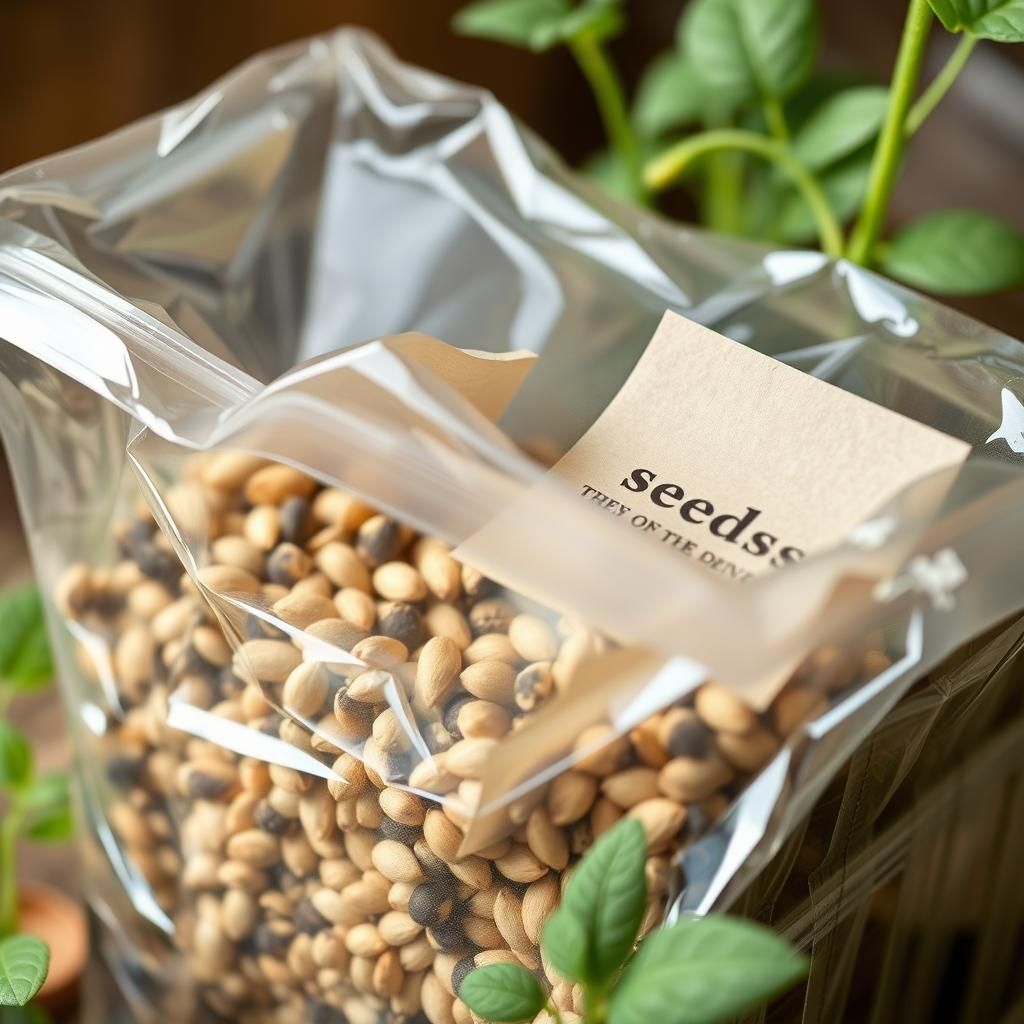
When it comes to seed storage, the choice between plastic and paper can significantly impact the longevity and viability of your seeds. Each option has its own advantages and disadvantages, and understanding these can help you make an informed decision based on your gardening needs. This comprehensive guide will delve into the characteristics of both storage materials, exploring factors such as moisture retention, temperature control, and ease of use. Whether you're a seasoned gardener or just starting, knowing how to properly store your seeds is crucial for successful planting and growth. Let's explore the best practices for seed storage.
Is It Better to Store Seeds in Plastic or Paper?
When it comes to seed storage, the choice between plastic and paper can significantly impact the viability of the seeds over time. Paper bags are often preferred as they are breathable, allowing moisture to escape, which helps prevent mold and mildew. In contrast, plastic containers can retain moisture, potentially leading to seed deterioration if not properly managed. Additionally, paper is typically more eco-friendly and biodegradable compared to plastic, making it a sustainable choice for gardeners concerned about their environmental footprint. Ultimately, the best storage method depends on the specific conditions and the type of seeds being stored.
Advantages of Storing Seeds in Paper
One of the main advantages of storing seeds in paper is its ability to absorb moisture, which reduces the risk of fungal growth. Paper bags are also lightweight and can be easily labeled, making organization simple. Furthermore, paper is typically more environmentally friendly compared to plastic options, as it is biodegradable and less harmful to the planet. Another benefit is that paper allows for better air circulation, which can maintain the seeds' integrity over long periods when stored in a cool, dry place.
Disadvantages of Storing Seeds in Paper
Despite its benefits, storing seeds in paper also has some disadvantages. For example, paper bags are more susceptible to tears or damage during handling, which can result in seed loss. They also offer less protection against pests, such as rodents or insects, that might find their way into the storage. Additionally, paper is not waterproof; therefore, if it comes into contact with moisture, it can compromise the seeds inside. Gardeners must ensure their paper storage is kept in a consistently dry environment to maintain seed viability.
Advantages of Storing Seeds in Plastic
Storing seeds in plastic containers comes with its own set of advantages, primarily in durability and protection. Plastic containers are less likely to tear compared to paper, providing a more secure environment for seeds. They can also be sealed tightly to prevent the intrusion of moisture and pests, ensuring that the seeds remain dry and protected. Furthermore, plastic containers often offer better visibility due to their transparent nature, allowing for easy monitoring of the seed condition without opening them.
Disadvantages of Storing Seeds in Plastic
A significant drawback of storing seeds in plastic is the potential for moisture buildup, which can lead to the growth of mold or mildew if the seeds are exposed to humidity. Because plastic is non-breathable, it does not allow for air exchange, which is crucial for maintaining seed health over time. If seeds are not adequately dried before being stored in plastic, they may spoil faster than if stored favorably in paper. Additionally, the environmental concerns associated with plastic waste make it a less sustainable choice for some gardeners.
Ideal Storage Conditions for Both Materials
Regardless of whether seeds are stored in plastic or paper, ideal storage conditions are crucial for their longevity. Seeds should generally be kept in a cool, dry location away from direct sunlight and high temperatures. A temperature range of 32°F to 41°F (0°C to 5°C) is often recommended for optimal storage. Maintaining a consistent humidity level is also important; therefore, using desiccants or silica gel packets inside storage containers can help absorb excess moisture. It's essential to regularly check stored seeds for any signs of damage or spoilage to ensure they remain viable for planting.
| Storage Method | Advantages | Disadvantages |
|---|---|---|
| Paper | Breathable, eco-friendly, lightweight | Susceptible to tears, less moisture protection |
| Plastic | Durable, moisture-resistant, secure | Risk of moisture buildup, environmental concerns |
Should I store seeds in plastic or paper?

Storing seeds properly is crucial for ensuring their longevity and viability, and whether to use plastic or paper as storage materials is a common concern among gardeners and seed collectors. Here are some key considerations regarding both options:
Advantages of Storing Seeds in Plastic
Storing seeds in plastic bags or containers can offer several benefits:
- Moisture Resistance: Plastic containers provide a watertight seal, protecting seeds from humidity and possible mold growth.
- Durability: Plastic is less prone to tearing or damage compared to paper, making it suitable for long-term storage.
- Visibility: Transparent plastic containers allow you to easily see the seeds, facilitating organization and quick access.
Disadvantages of Storing Seeds in Plastic
Despite their advantages, there are some drawbacks associated with plastic storage:
- Heat Accumulation: Plastic can trap heat, leading to fluctuating temperatures that may harm seed viability.
- Static Electricity: Some plastic containers can create static, which may cause seeds to stick together and be difficult to separate.
- Less Breathable: Plastic does not allow for air circulation, which can sometimes lead to condensation and moisture buildup.
Benefits of Storing Seeds in Paper
Using paper for seed storage has its own set of advantages:
- Breathability: Paper allows for air circulation, reducing the risk of moisture buildup and promoting longer seed viability.
- Eco-Friendly: Paper is biodegradable, making it a more environmentally friendly choice compared to plastic containers.
- Cost-Effective: Paper envelopes or bags are often cheaper than plastic alternatives, making it accessible for all gardeners.
Disadvantages of Storing Seeds in Paper
There are challenges associated with paper storage that should be considered:
See also:
- Susceptibility to Moisture: Paper is more vulnerable to humidity and can absorb moisture, which may affect seed quality.
- Tearing and Damage: Paper can tear easily, leading to potential exposure to pests and adverse conditions.
- Limited Protection: Unlike plastic, paper does not provide as much protection against environmental factors like pests and rodents.
Best Practices for Seed Storage
Whether you choose plastic or paper, following best practices will help ensure seeds remain viable:
- Store in a Cool, Dark Place: Keep your seeds away from direct sunlight, heat, and moisture to maintain their quality.
- Label Containers Clearly: Always label your storage containers with the name and date of the seeds for easy identification.
- Check Regularly: Monitor stored seeds periodically for any signs of moisture or pests and adjust storage methods as necessary.
What is the best material to store seeds in?
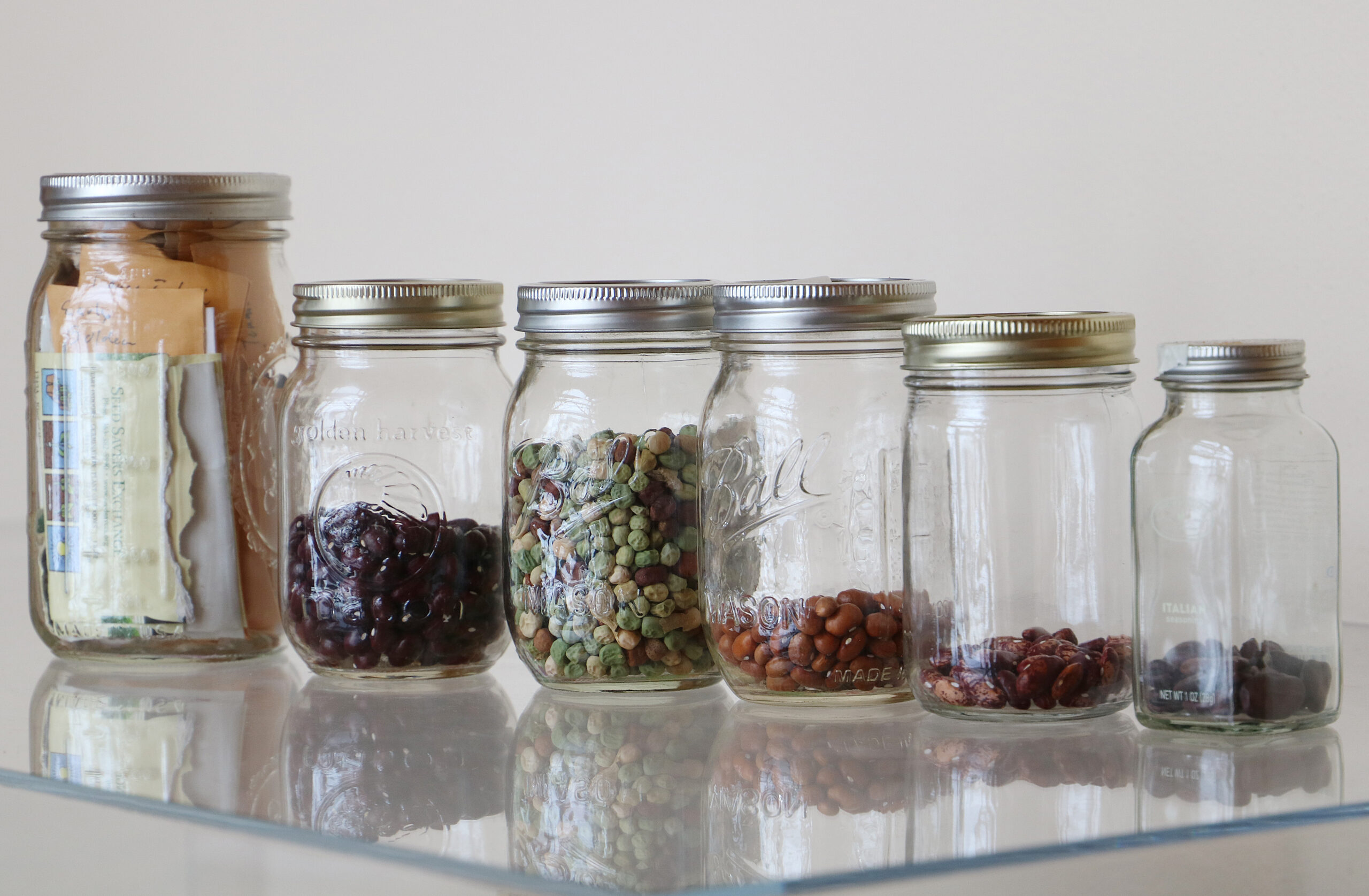
The best material to store seeds in is crucial for maintaining their viability over time. Here are some of the top materials recommended for seed storage:
Plastic Seed Bags
Plastic seed bags are lightweight and moisture-resistant, making them a popular choice for seed storage. When using plastic, it is essential to ensure that the bags are not completely airtight, as some airflow is necessary to prevent condensation. Here are some benefits of plastic seed bags:
- Moisture resistance: Keeps seeds dry and protected from dampness.
- Durability: Resistant to tearing and can withstand handling.
- Variety of sizes: Available in various sizes to suit different seed quantities.
Glass Containers
Glass containers, such as jars, are excellent for long-term seed storage due to their airtight properties and non-reactive nature. Glass does not absorb moisture or odors, making it a safe option for preserving seed integrity. Key advantages of using glass containers include:
- Airtight seal: Prevents moisture and pests from entering the container.
- Inert material: Does not alter the seed’s quality or flavor.
- Visibility: Clear glass allows for easy identification of contents.
Paper Seed Envelopes
Paper seed envelopes are traditional storage solutions that allow seeds to breathe, reducing the risk of mold growth. They are often used for smaller quantities of seeds and can be labeled easily. Here are some benefits of using paper seed envelopes:
- Breathability: Allows moisture to escape, reducing humidity.
- Lightweight: Easy to store and transport.
- Customizable: Can be easily printed or written on for organization.
Metal Containers
Metal containers provide a sturdy option for seed storage and offer excellent protection against pests and rodents. It is important to ensure that these containers are lined or designed with safe materials to avoid affecting the seeds. Benefits of metal containers include:
- Rodent-proof: Protects against common pests like mice and rats.
- Highly durable: Resistant to physical damage and wear.
- Insulation: Can provide better temperature regulation than plastic.
Fabric Seed Bags
Fabric seed bags, often made from cotton or burlap, are another eco-friendly option for seed storage. These bags are breathable, helping to balance moisture levels without trapping humidity. Some advantages of using fabric seed bags are:
- Eco-friendly: Made from natural materials and biodegradable.
- Flexible sizes: Available in various sizes to accommodate different seed amounts.
- Easy handling: Lightweight and comfortable to carry.
What is the best packaging for seeds?

The best packaging for seeds plays a crucial role in preserving their viability and ensuring their longevity. Proper seed packaging protects seeds from external factors such as moisture, light, and pests, which can significantly affect germination rates. Here are key considerations for selecting the best seed packaging.
Material Considerations
When it comes to seed packaging, the choice of material is vital. Opt for materials that provide an appropriate level of protection without compromising breathability. Common materials include:
- Paper – Lightweight and biodegradable, paper envelopes allow for some air circulation.
- PVC – Rigid plastic containers offer excellent protection from moisture but must be opaque.
- Mylar bags – These provide superior protection against light and moisture, making them ideal for long-term storage.
Moisture Control
Controlling moisture is critical to maintaining seed viability. Packaging that prevents moisture ingress helps in ensuring that seeds remain dry and viable over time. Effective moisture control strategies include:
- Desiccants – Including silica gel packets inside the packaging can absorb any excess moisture.
- Sealed containers – Airtight containers help keep the seeds dry by preventing humidity from entering.
- Breathable materials – Using materials that allow vapor exchange can reduce moisture build-up while protecting seeds.
Light Protection
Seeds are often sensitive to light exposure, which can affect their germination rates. Packaging that protects seeds from light is essential for preserving their quality. Options for effective light protection include:
See also:
- Opaque packaging – Use dark paper or plastic that block light completely.
- Aluminum foil – Wrapping seeds in foil offers excellent light protection while being lightweight.
- Colored bags – Some colored plastic bags can provide sufficient light protection and are appealing for retail packaging.
Size and Labeling
The size of the packaging and accurate labeling are important for organization and usage. Packaging should be appropriately sized for the quantity of seeds being stored or sold. Key considerations for size and labeling include:
- Small packets – Use small packets for individual seed packs, facilitating easy handling and storage.
- Labeling – Ensure all packages are labeled with essential information, including species, planting dates, and storage instructions.
- Batch numbers – Including batch numbers can help track seed origin and quality over time.
Eco-Friendliness
With growing environmental awareness, choosing sustainable packaging has become increasingly important. Eco-friendly options can appeal to a conscious consumer base and reduce environmental impact. Consider these eco-friendly packaging choices:
- Biodegradable materials – Use materials that decompose naturally, such as biodegradable plastics and recycled paper.
- Recyclable containers – Packaging made from recyclable materials helps reduce waste and promotes sustainability.
- Minimalist designs – Reducing packaging complexity and excess can lower carbon footprint and appeal to eco-conscious customers.
Is it okay to store seeds in Ziploc bags?
Storing seeds in Ziploc bags can be a viable option for many gardeners and seed savers. Ziploc bags are often made from polyethylene, which is a moisture-resistant material. However, there are some important considerations to keep in mind to ensure the longevity and viability of the seeds.
Benefits of Using Ziploc Bags for Seed Storage
Using Ziploc bags for seed storage has several benefits:
- Moisture Control: Ziploc bags can help maintain a controlled environment by keeping moisture and air out, which is crucial for preserving seed quality.
- Space Efficiency: They take up less space compared to traditional jars or containers, making it easier to store multiple seed varieties.
- Accessibility: Seeds stored in Ziploc bags are easy to access, and you can quickly check the contents without disturbing the rest of your collection.
Preparing Seeds for Storage in Ziploc Bags
Before placing seeds in Ziploc bags, proper preparation is essential:
- Drying Seeds: Ensure seeds are completely dry before storage to prevent mold and deterioration.
- Labeling: Clearly label each bag with the seed type and date of storage to keep track of viability.
- Freezing When Required: For long-term storage, consider placing the seeds in the Ziploc bag in the freezer, provided they are properly dried and labeled.
Potential Risks of Storing Seeds in Ziploc Bags
While there are many advantages to using Ziploc bags, there are also risks that need to be addressed:
- Humidity Concerns: If not completely dry, seeds may develop fungus or rot in a sealed environment.
- Chemical Contamination: Some plastic materials can off-gas or leach chemicals, which may affect seed quality over time.
- Sealing Issues: A damaged zipper or seal can allow moisture in, compromising the seed’s longevity.
Alternative Storage Options
Exploring other storage methods can enhance seed preservation:
- Glass Jars: Airtight glass jars provide excellent protection against moisture and pests.
- Paper Envelopes: Using paper envelopes inside a container can absorb excess moisture while allowing the seeds to breathe.
- Vacuum Sealing: Vacuum sealing offers superior protection against moisture and air, prolonging seed viability significantly.
Best Practices for Seed Storage
To maximize the effectiveness of seed storage in Ziploc bags, follow these best practices:
- Cool, Dark Location: Store Ziploc bags in a cool, dark place to minimize temperature fluctuations that can affect seed quality.
- Regular Checks: Periodically check bags for signs of moisture or pests to catch potential problems early.
- Keep Varieties Separate: Store different types of seeds in separate bags to avoid cross-pollination or confusion.
Questions from Our Readers
What is the best material for long-term seed storage?
Storing seeds in paper is generally better for long-term storage. Paper allows for breathability and prevents moisture buildup, reducing the risk of mold growth. Plastic containers, while airtight, can trap humidity, which may lead to seed deterioration.
Does the type of seed influence the storage material choice?
Yes, certain seeds may have specific requirements for storage. For example, larger seeds can often tolerate conditions in plastic containers, but most seeds benefit from being stored in paper for optimal viability over time.
How does temperature affect seed storage in plastic versus paper?
Temperature is crucial in both storage options. Paper stored seeds remain better protected from extreme temperatures, while plastic can cause rapid fluctuations that stress the seeds. Therefore, a cool, dry place is essential for both, but paper tends to offer more stable performance.
Can seeds stored in plastic last longer than those in paper?
While seeds in plastic may seem more protected, they often don't last longer than those in paper. The key to seed longevity is not just the material but the ability to manage moisture and temperature effectively, which paper achieves better in many cases.
See also:

If you want to read more articles like Is it Better to Store Seeds in Plastic or Paper? A Comprehensive Guide to Seed Storage Options, we recommend you check out our Seeds category.
Leave a Reply
Related Articles