Can I Put Cardboard in the Bottom of My Planter? Exploring Benefits and Tips

When it comes to gardening, many enthusiasts are on the lookout for innovative ways to enhance their planting practices. One common query that arises is whether cardboard can be placed in the bottom of planters. This article delves into the benefits of using cardboard, such as improving drainage, retaining moisture, and suppressing weeds. Additionally, we will provide valuable tips on how to effectively incorporate cardboard into your planters, ensuring a healthy environment for your plants. Whether you're a novice or an experienced gardener, understanding this technique can lead to a more thriving garden.
Can I Put Cardboard in the Bottom of My Planter?
Yes, you can put cardboard in the bottom of your planter as a way to improve drainage and reduce soil erosion. The cardboard acts as a barrier that prevents soil from washing out of the holes in the bottom of the pot while still allowing water to pass through. Additionally, over time, the cardboard will break down and contribute organic matter to the soil, benefiting your plants. However, ensure that the cardboard is free of any toxic inks or coatings that could harm your vegetation. This method can be particularly useful for container gardening and for those looking to utilize sustainable materials in their gardening practices.
Benefits of Using Cardboard in Planters
Using cardboard at the bottom of your planter can provide several benefits. It not only helps with drainage but also prevents soil from escaping, which contributes to better moisture retention. Another advantage is that as the cardboard deteriorates, it enriches the soil with nutrients, creating a healthy environment for plants to grow. This eco-friendly method is particularly advantageous for individuals interested in maintaining a sustainable gardening practice without resorting to commercial solutions.
How to Prepare Cardboard for Use in Planters
When preparing cardboard for your planter, start by selecting pieces that are clean, without any printed text, tape, or coatings that might be harmful. Cut the cardboard to fit the shape of your planter and ensure it covers the bottom completely. If necessary, you can layer multiple pieces or rip them into smaller sections to improve water flow. Wetting the cardboard before placing it in the pot can help it conform better and prevent it from floating when you water your plants.
Potential Drawbacks of Using Cardboard
While using cardboard has its advantages, there are also potential drawbacks. Over time, cardboard will decompose, which means it may require replacement depending on how quickly it breaks down in your specific environment. Additionally, if the cardboard is not adequately moisture-resistant initially, it might attract pests like insects or rodents that are drawn to decaying organic materials. Monitoring the condition of the cardboard and ensuring it remains effective will be necessary for maintaining an optimal planting environment.
Alternatives to Cardboard in Planters
If you’re hesitant to use cardboard, there are several alternatives available that can serve the same purpose in your planter. Options include using landscape fabric, coffee filters, or even screen mesh to help with drainage while preventing soil loss. These materials can effectively block soil while allowing adequate water flow, similar to cardboard. Each alternative has its unique benefits and can be chosen based on personal preferences or availability.
Environmental Impact of Using Cardboard in Planting
Incorporating cardboard into your planting practices presents a positive environmental impact by utilizing a material that often ends up in landfills. By recycling cardboard, you can help reduce waste and promote a more sustainable approach to gardening. As the cardboard decomposes in the soil, it contributes to the building of organic matter, fostering healthy microorganisms and enhancing soil quality. This practice not only benefits your plants but also reinforces a commitment to eco-friendly gardening methods.
| Aspect | Cardboard | Alternatives |
|---|---|---|
| Drainage | Effective | Effective |
| Soil Retention | Yes | Yes |
| Organic Matter Contribution | Yes | No |
| Risk of Pests | Moderate | Low |
| Environmental Impact | Positive | Varies |
What is the best thing to put in the bottom of a planter?

The best thing to put in the bottom of a planter is a layering material that ensures proper drainage and promotes a healthy environment for plant roots. The primary goal is to prevent water from accumulating in the soil, which can lead to root rot and overwatering. Here are some optimal materials:
1. Gravel or Pebbles: This is one of the most common choices for providing drainage.
2. Landscape Fabric: Helps to separate soil from drainage materials while allowing water to pass through.
3. Broken Pottery or Terracotta: Can facilitate drainage and adds to the aesthetic of the planter.
4. Charcoal: Helps absorb excess moisture and provides some level of filtration.
5. Coconut Coir or Husk: Biodegradable and helps with drainage while retaining some moisture.
Proper Drainage with Gravel
Using gravel at the bottom of your planter helps in providing a systematic drainage layer. The spaces between gravel stones allow water to flow through easily.
See also:
- Reduces the risk of root rot by preventing excessive moisture.
- Ensures a stable foundation for the plant roots.
- Allows for aeration, promoting healthy growth.
Benefits of Landscape Fabric
Landscape fabric serves as a barrier that keeps soil from sifting into drainage materials, maintaining a clean layer. This prevents soil from clogging the drainage.
- It allows water to pass while keeping soil intact.
- Extends the lifespan of the drainage layer by preventing soil contamination.
- Easy to cut and shape to fit different planter sizes.
Using Broken Pottery
Adding broken pottery pieces introduces a rustic element while promoting effective drainage. The irregular shapes create air pockets, aiding in moisture control.
- Helps to keep the soil contained, preventing it from washing away.
- Provides a sustainable option since it can be recycled materials.
- Improves the aesthetics of the planter with a unique texture.
Importance of Charcoal
Incorporating charcoal at the bottom of the planter can effectively absorb excess moisture and eliminate odors, contributing to a healthier plant environment.
- Reduces pathogens and harmful bacteria in the soil.
- Helps to regulate moisture levels in the planter.
- Offers a lightweight layer that can be easily added to planters.
Coconut Coir as a Natural Option
Coconut coir or husk serves as an organic material that enhances drainage while retaining adequate moisture. It supports a healthy ecosystem within the planter.
- Environmentally friendly and biodegradable.
- Holds moisture without waterlogging the root system.
- Rich in nutrients, promoting better plant health.
Can I line a planter with cardboard?
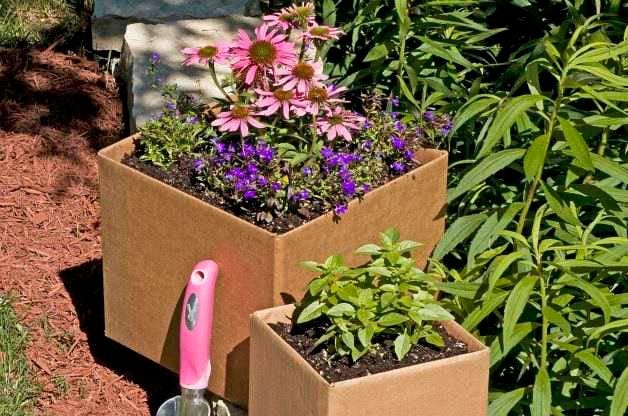
Yes, you can line a planter with cardboard. Lining your planter with cardboard can serve multiple purposes, such as improving moisture retention, suppressing weeds, and providing a biodegradable option for drainage. However, there are some considerations to keep in mind to ensure that your plants thrive in an environment that is both healthy and conducive to growth.
Benefits of Using Cardboard in Planters
Using cardboard in planters offers several benefits that can enhance the growing conditions for your plants.
- Moisture Retention: Cardboard can help retain moisture in the soil, reducing the frequency of watering.
- Weed Suppression: A layer of cardboard can block light from reaching weed seeds, thus preventing their growth.
- Eco-Friendly: Cardboard is biodegradable and can break down over time, adding organic matter to the soil.
Types of Cardboard Suitable for Planters
Not all cardboard is created equal. Certain types are better suited for lining planters than others.
- Plain Cardboard: Unprinted, plain cardboard is ideal as it typically does not contain harmful inks or coatings.
- Recyclable Cardboard: Boxes that are labeled as recyclable and do not contain plastic components can also be used.
- Avoid Coated Cardboard: Cardboard that is waxed or has a glossy finish is not suitable as it may hinder water absorption.
Preparing Cardboard for Planters
Before using cardboard, it's crucial to prepare it properly to ensure it serves its purpose effectively.
- Clean and Flatten: Remove any tape and packing materials, then flatten the cardboard to fit your planter.
- Cut to Size: Trim the cardboard to fit the dimensions of your planter to ensure it covers the base adequately.
- Layering Options: You can layer multiple sheets for extra weed suppression and moisture retention, depending on your needs.
Considerations When Using Cardboard
While cardboard can be beneficial, there are specific considerations to keep in mind when using it in your planters.
- Decomposition Rate: Cardboard breaks down over time; be prepared to replace it periodically as it decomposes.
- Pest Management: Monitor for pests, as decomposing cardboard can attract unwanted critters.
- Soil Health: Ensure that the cardboard does not impede drainage and soil aeration over time.
Combining Cardboard with Other Materials
Cardboard can be effectively combined with other materials to optimize growing conditions in your planters.
See also:
- Soil Mix: Combining cardboard with a quality soil mix can help improve aeration.
- Compost Layer: Adding a layer of compost on top of the cardboard can enhance nutrient availability for plants.
- Mulch: Topping with mulch can protect the cardboard and further improve moisture retention while adding aesthetic appeal.
Is cardboard good for planters?
Cardboard can be a beneficial material for planters, especially in gardening practices that prioritize sustainability and ecological balance. The use of cardboard in gardening can provide a variety of advantages, particularly in terms of moisture retention, soil structure, and as a biodegradable material for creating raised beds or garden borders.
Benefits of Using Cardboard in Planters
Using cardboard in planters can enhance the gardening experience significantly. The primary benefits include:
- Moisture Retention: Cardboard can help retain moisture in the soil by reducing evaporation. It absorbs water and regulates humidity, promoting better growth for plants.
- Soil Structure Improvement: As cardboard breaks down over time, it contributes organic matter to the soil. This enhances soil structure, improving aeration and nutrient retention.
- Weed Suppression: Layering cardboard in garden beds can effectively suppress weeds. It blocks sunlight and prevents weed seeds from germinating, giving your plants a better chance to thrive.
How to Use Cardboard for Planters
To utilize cardboard in your planters effectively, follow these steps:
- Preparation: Make sure to remove any tape, labels, or glossy coatings from the cardboard. Only use plain cardboard to avoid harmful chemicals leaching into the soil.
- Layering: Place cardboard as a bottom layer in your planter or garden bed. You can also create layers with soil and compost on top to promote nutrient breakdown.
- Moisten: Before placing the cardboard in the planter, it’s beneficial to moisten it. This helps the cardboard break down faster and retain moisture in the soil.
The Environmental Impact of Cardboard in Gardening
Using cardboard in gardening has a positive environmental impact due to:
- Recycling: Utilizing cardboard reduces landfill waste and promotes recycling efforts. It is an excellent way to give a second life to this material.
- Biodegradability: Cardboard is a biodegradable material, breaking down over time and enriching the soil with organic matter, which benefits plant health.
- Carbon Sequestration: Decomposing cardboard contributes to carbon sequestration in the soil, helping to mitigate climate change impacts.
Considerations When Using Cardboard in Gardening
While there are many benefits, a few considerations should be noted:
- Potential Toxins: Ensure that the cardboard is free from inks and adhesives that can be toxic to plants. Stick to plain, untreated cardboard whenever possible.
- Attracting Pests: Cardboard may attract pests like termites if used excessively in the garden. Monitor the area for any pest activity regularly.
- Decomposition Rate: Cardboard breaks down at varying rates depending on the weather and soil conditions. Be prepared to replace or add new layers over time.
Alternative Uses for Cardboard in Gardening
Cardboard can be used in various innovative ways beyond traditional planters:
- Seed Starters: Cut cardboard boxes into small trays to create biodegradable seed starters, allowing plants to grow before being transferred to larger planters.
- Compost Material: Shredded cardboard can be added to compost piles. It provides carbon-rich browns that balance nitrogen-rich greens like food scraps.
- Garden Pathways: Using cardboard to line garden pathways can suppress weeds and create a clear route through your garden while decomposing to improve the soil.
Questions from Our Readers
Can I use cardboard at the bottom of my planter?
Yes, you can use cardboard at the bottom of your planter. It serves as a barrier that helps retain moisture while also preventing soil from washing out through drainage holes. However, make sure to use plain cardboard without any coatings or inks that could harm plants.
What are the benefits of using cardboard in planters?
Using cardboard in planters can aid in drainage and improve soil structure. It allows for better airflow to the roots while preventing the soil from compacting too much, promoting healthier plant growth.
Will cardboard decompose in the planter?
Yes, cardboard will decompose over time, adding organic matter to the soil as it breaks down. This process can enrich the soil with beneficial nutrients for your plants.
Is it safe to use colored cardboard in my planter?
It is generally not recommended to use colored cardboard in planters, as the dyes used in the cardboard might contain chemicals that could be harmful to plants. Stick to plain, unprinted cardboard for the best results.
See also:

If you want to read more articles like Can I Put Cardboard in the Bottom of My Planter? Exploring Benefits and Tips, we recommend you check out our Planter category.
Leave a Reply
Related Articles