Is a Plastic Planter Better Than a Clay Planter? Exploring the Pros and Cons
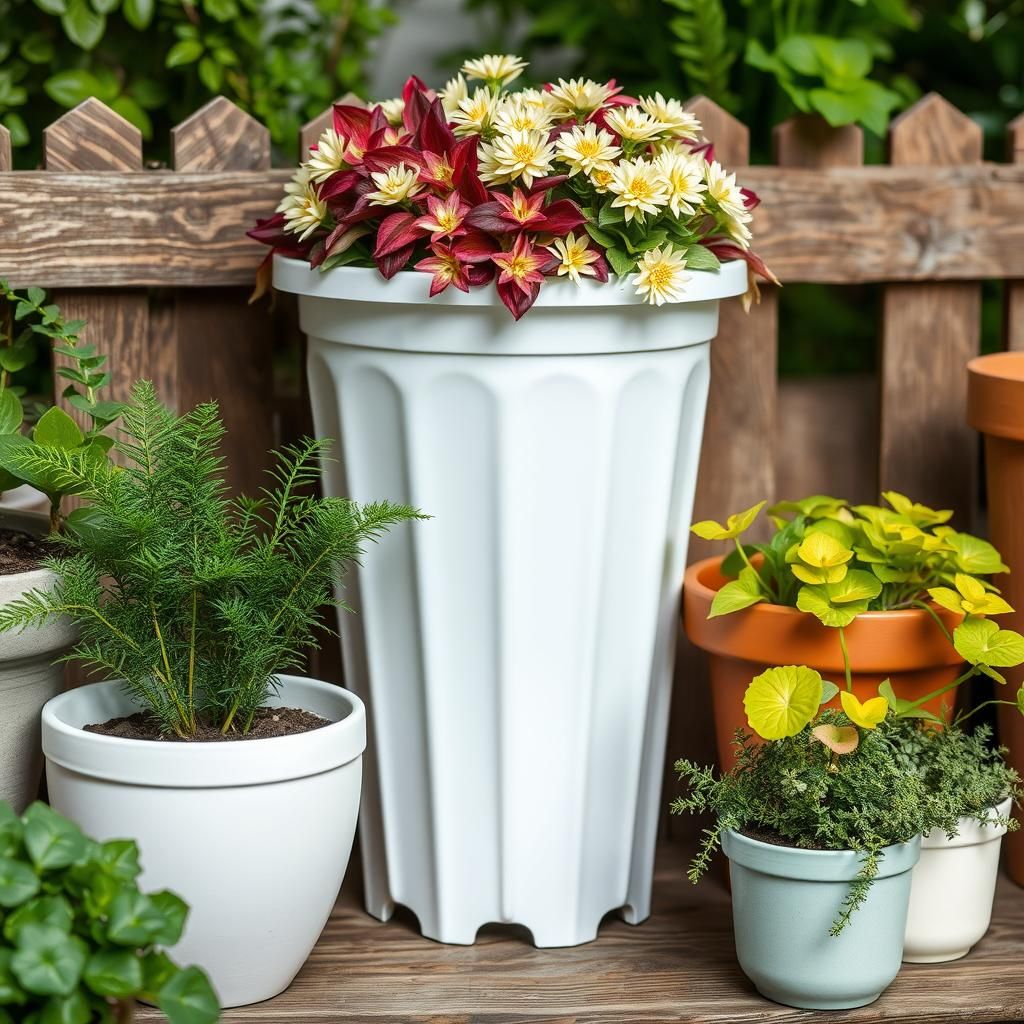
When it comes to choosing the right planter for your gardening needs, the debate between plastic and clay planters often arises. Each material brings its own set of advantages and disadvantages that can impact plant health and growth. Plastic planters are lightweight, versatile, and resistant to damage, making them an appealing choice for many gardeners. On the other hand, clay planters offer excellent breathability and moisture retention, which can be beneficial for certain plant species. This article will delve into the pros and cons of plastic and clay planters, helping you make an informed decision for your gardening endeavors.
Comparing Plastic and Clay Planters: Which is Better?
When it comes to choosing between a plastic planter and a clay planter, several factors play a crucial role in determining which option is superior for your plants. Plastic planters are lightweight, often more affordable, and retain moisture better, which can be beneficial for plants that prefer a more humid environment. On the other hand, clay planters are known for their aesthetic appeal and breathability, allowing for better air circulation to the roots. The decision ultimately depends on your specific needs, the plant species you are growing, and the specific environmental conditions of your garden or home.
Weight and Portability
One of the significant advantages of plastic planters is their lightweight nature, making them easy to transport and rearrange as needed. This is particularly beneficial for gardeners who frequently change their layouts or those who prefer to move plants indoors during colder seasons. In contrast, clay planters are heavier and can be cumbersome to handle, especially when filled with soil and plants.
Moisture Retention
Plastic planters typically retain moisture more effectively than clay planters, which can dry out faster due to their porous nature. This characteristic of clay allows for good drainage and air exchange but may require more frequent watering, especially in warmer climates. Therefore, if you have plants that demand consistent moisture levels, plastic planters may be the more practical choice.
Aesthetic Appeal
When it comes to visual aesthetics, clay planters often win out due to their natural look and variety of styles. They can enhance the overall aesthetic of your gardening space, adding warmth and texture. In contrast, plastic planters come in a myriad of colors and designs, often imitating the appearance of clay but may lack the organic feel that clay provides.
Durability and Longevity
Plastic planters are generally more durable and resistant to breakage, which is an essential consideration for outdoor gardening where planters may be subject to harsh conditions. However, over time, exposure to UV rays can cause plastic to degrade, potentially reducing its lifespan. Clay planters, while more fragile, tend to age gracefully, developing a unique patina that many gardeners find appealing.
Environmental Impact
From an environmental perspective, clay planters are generally considered more sustainable than plastic planters. Clay is a natural material, and while it requires energy for processing, it is biodegradable and can be recycled. Plastic planters, on the other hand, are made from petroleum-based materials and contribute to plastic waste if not disposed of properly. As eco-conscious gardening becomes more prevalent, this factor may influence your decision.
| Aspect | Plastic Planters | Clay Planters |
|---|---|---|
| Weight | Lightweight and portable | Heavy and less portable |
| Moisture Retention | Retains moisture well | Dries out faster |
| Aesthetic Appeal | Variety of designs | Natural and appealing |
| Durability | Resistant to breakage | More fragile, but ages well |
| Environmental Impact | Less sustainable | More eco-friendly |
Are clay or plastic pots better?

When considering whether clay or plastic pots are better for planting or gardening, several factors come into play. Each type of pot has its unique advantages and disadvantages, which can influence plant health and gardening practices.
Durability and Longevity
Clay pots are generally more durable than plastic pots. They can withstand the elements well, particularly in outdoor settings. However, they are also more prone to cracking if subjected to freezing temperatures. In contrast, plastic pots are less likely to crack in cold weather but can become brittle and fade under UV exposure over time.
- Clay pots can last for many years, provided they are cared for properly.
- Plastic pots are lightweight and resistant to simple breakage.
- Both types may need replacement due to wear and exposure, but plastic is often considered less environmentally friendly.
Water Retention and Aeration
Clay pots offer superior aeration due to their porous nature, allowing moisture to escape and promoting healthy root growth. This is beneficial for many plants, as it helps prevent overwatering. Plastic pots, while they retain moisture longer, can lead to root rot if proper drainage is not maintained.
- Clay pots allow for better air circulation, reducing the risk of mold.
- Plastic pots usually require more attention to watering schedules.
- For plants requiring drier conditions, clay may be the preferable option.
Weight and Mobility
In terms of weight, plastic pots are significantly lighter than clay pots, making them easier to move around, especially for larger plants or garden arrangements. This is a critical consideration for those who frequently rearrange their indoor or outdoor spaces.
- Plastic pots can be easily relocated, allowing for flexibility in arrangement.
- Clay pots can become cumbersome, especially in larger sizes.
- Lightweight pots can be preferable for wall planters or hanging arrangements.
Cost Effectiveness
Generally, plastic pots are more cost-effective than clay pots. They are typically less expensive to manufacture, which reflects in the price consumers pay. Clay pots can be more costly, particularly those that are handcrafted or of high quality.
See also:
- Plastic pots are a great option for budget-conscious gardeners.
- Clay pots may represent a higher upfront investment.
- The longevity of clay pots can offset their initial costs over time.
Environmental Impact
The environmental impact of both pot types is worth considering. Clay pots are made from natural materials and are biodegradable, making them a more environmentally friendly choice. Conversely, plastic pots contribute to landfill waste and are made from non-renewable resources.
- Clay pots are typically recyclable and biodegradable.
- Plastic pots often end up in landfills and take years to decompose.
- Choosing clay pots supports sustainable gardening practices.
Do plants do better in plastic or terracotta pots?
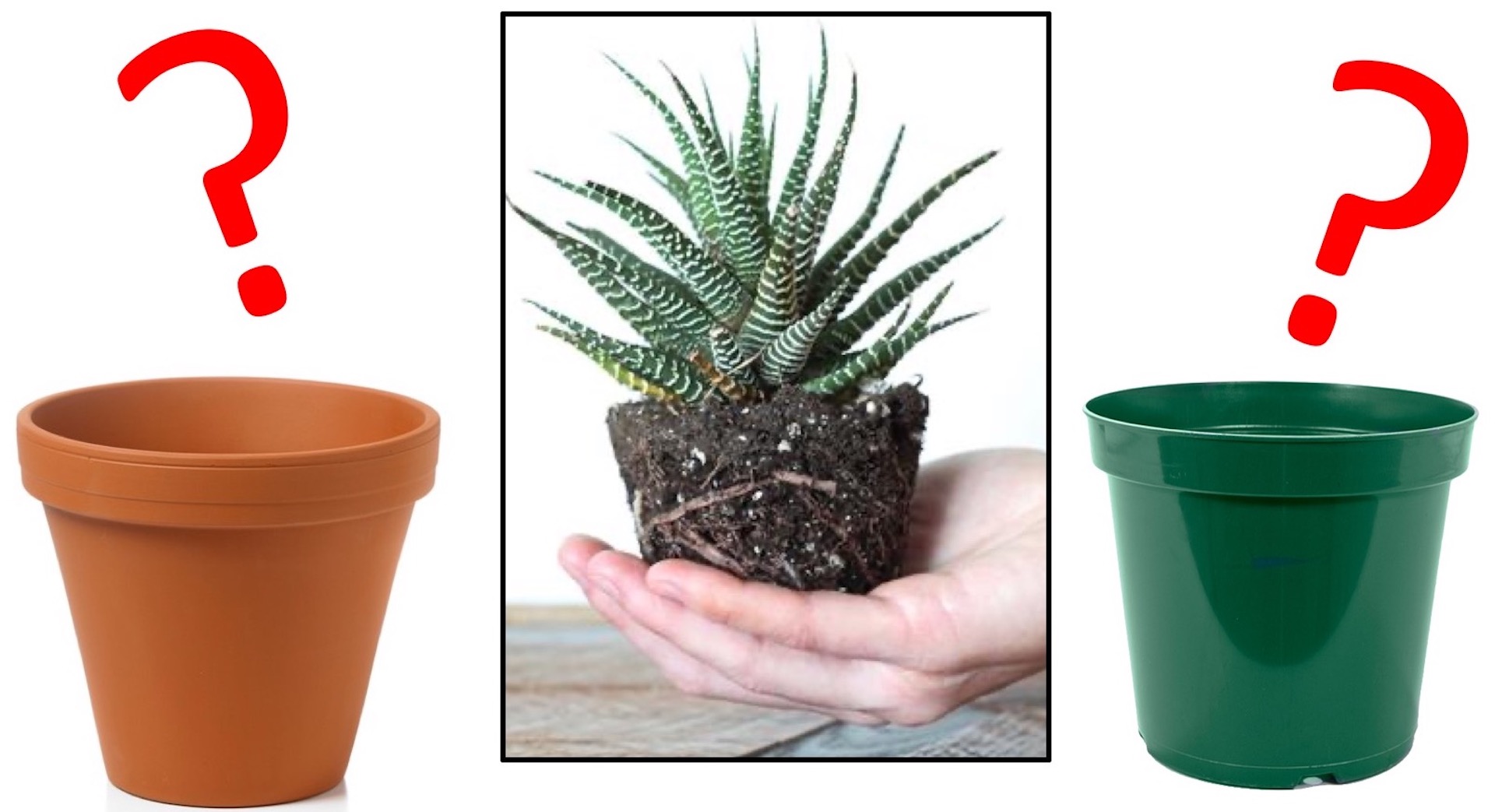
Plants exhibit varying levels of growth and health when placed in different types of pots, specifically plastic versus terracotta. Both materials have unique properties that can affect a plant's overall performance, depending largely on factors such as moisture retention, aeration, and temperature regulation.
Moisture Retention
When it comes to moisture retention, terracotta pots have a significant advantage. Made from porous clay, these pots allow water to evaporate more quickly, which can lead to increased air flow to the roots. Therefore, it is essential to maintain proper watering schedules. On the other hand, plastic pots hold moisture longer, which can be beneficial for plants that require consistent watering but may also lead to overwatering if not carefully monitored.
- Terracotta pots promote quicker evaporation, aiding root health.
- Plastic pots reduce the frequency of watering due to moisture retention.
- Choose based on plant needs: moisture-loving plants fare better in plastic pots.
Aeration and Drainage
Aeration is crucial for plant roots to breathe and thrive. Terracotta pots provide superior aeration because the porous material allows air exchange, which benefits root systems. In contrast, plastic pots may not allow as much air circulation, although many are designed with drainage holes to mitigate this issue. Adequate drainage is essential in preventing root rot, making the choice of pot material an important consideration.
- Terracotta pots enhance aeration and reduce the risk of root rot.
- Good drainage is vital; both types can feature holes, but terracotta naturally excels.
- Consider the plant's root system when selecting a pot type.
Temperature Regulation
The ability of a pot to regulate temperature is another critical factor affecting plant health. Terracotta pots tend to stay cooler in hot weather and warmer in cold conditions due to their thick material. This insulation is beneficial for delicate root systems. In contrast, plastic pots can heat up quickly in direct sunlight, potentially stressing plants that prefer cooler root temperatures and affecting their growth.
- Terracotta pots help maintain a more stable root temperature.
- Plastic pots may cause temperature fluctuations that can stress plants.
- Choose according to your climate; if hot, consider terracotta for better cooling.
Weight and Mobility
Weight can significantly affect your ability to move plants around your living space or garden. Plastic pots are generally lighter than terracotta pots, making them easier to rearrange. This mobility allows you to adjust placements according to light conditions, seasons, or for aesthetic reasons without straining your back. However, the heavier nature of terracotta can offer stability for larger plants, preventing tipping in windy conditions.
- Plastic pots are lightweight and easy to move.
- Terracotta pots provide stability for larger plants; they are less likely to tip.
- Consider your gardening habits; if you frequently move plants, plastic may be ideal.
Cost and Aesthetics
The cost and aesthetic appeal of pots can influence your decision. Generally, plastic pots are less expensive and come in various colors and designs that can match your home decor. However, terracotta pots often provide a more natural, rustic look that many plant enthusiasts appreciate. While terracotta can be more costly, its durability and classic aesthetic may justify the investment for some gardeners.
- Plastic pots are budget-friendly and versatile in design.
- Terracotta pots offer a timeless aesthetic but can be pricier.
- Choose based on your style preferences and budget considerations.
What are the disadvantages of plastic plant pots?
The disadvantages of plastic plant pots can significantly impact gardening practices and environmental health. While plastic pots are lightweight and convenient, they have several drawbacks that should be considered.
Environmental Impact
Plastic plant pots are often made from non-biodegradable materials, meaning they do not decompose over time. This can lead to long-lasting pollution in landfills and natural habitats. The environmental disadvantages include:
- Persistent Waste: Plastic pots can take hundreds of years to break down.
- Resource Intensive: Manufacturing plastic requires significant oil and gas resources, contributing to a larger carbon footprint.
- Microplastics: Decomposed plastic can contribute to microplastic pollution, harming wildlife and ecosystems.
Health Concerns
The use of plastic pots can also raise health concerns for both plants and people. Certain types of plastic can leach harmful chemicals into the soil and subsequently into the plants. Specific issues include:
- Chemical Leaching: Some plastics contain additives that can leach into the soil, posing risks to plant health.
- Soil Contamination: Chemicals from plastic can contaminate the soil, affecting its quality and potentially harming microorganisms.
- Plant Growth Issues: Leached chemicals can inhibit healthy plant growth, affecting yield and health.
Durability and Longevity
While plastic pots are lightweight, they often lack the durability of other materials, leading to issues of longevity. Some key points include:
See also:
- Fragility: Plastic pots can crack or become brittle over time, especially when exposed to UV light.
- Color Fading: Over time, the color of plastic pots fades, which may affect aesthetic appeal.
- Limited Lifespan: Much shorter lifespan compared to materials like clay or ceramic, requiring more frequent replacements.
Water Retention Issues
Plastic pots often have poor water retention capabilities, which can lead to uneven moisture levels for plants. Important details include:
- Drainage Holes: Many plastic pots have minimal drainage holes, leading to soggy soil.
- Water Evaporation: Plastic can promote faster evaporation compared to more porous materials like clay.
- Root Rot Risk: Poor moisture management can lead to root rot, harming overall plant health.
Limited Aesthetic Appeal
The aesthetic appeal of garden spaces can be compromised by the use of plastic pots, which are often seen as less visually appealing. This includes:
- Uniform Appearance: Many plastic pots look similar, lacking variety in design.
- Visibility of Wear: Scratches and fading can make plastic pots look worn out.
- Less Natural Feel: Unlike ceramic or wooden options, plastic pots may feel out of place in natural garden settings.
What is the best material for garden planters?
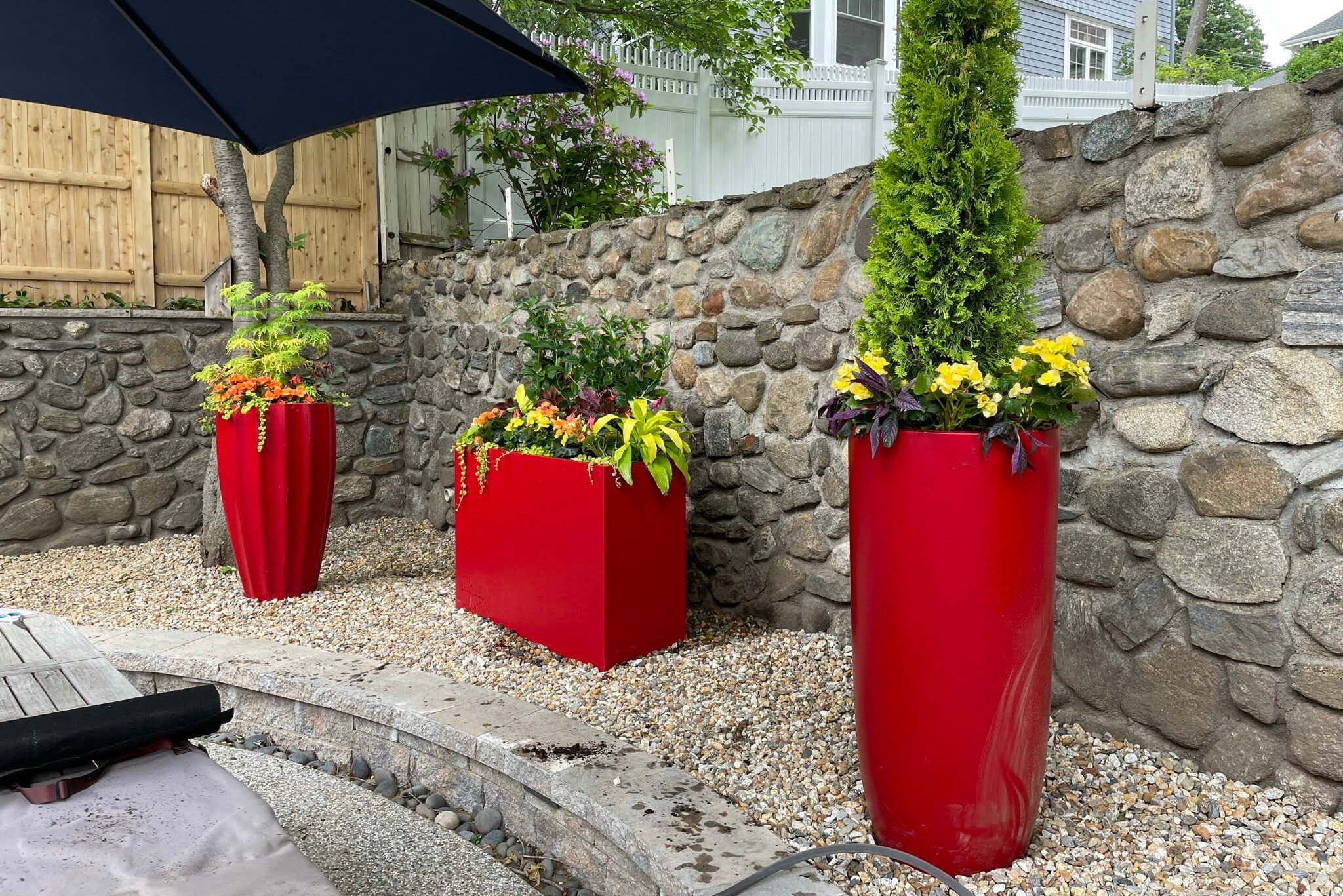
The best material for garden planters can vary depending on several factors, including budget, aesthetics, and the types of plants you intend to grow. Here are some popular materials, each with its own advantages and disadvantages.
Wooden Planters
Wooden planters are a classic choice that offers a natural aesthetic. They can be made from various types of wood, each impacting durability and appearance.
- Natural Insulation: Wood provides natural insulation for plant roots, helping to protect them from extreme temperatures.
- Versatility: Wooden planters come in various sizes and shapes, allowing for creative garden designs.
- Environmental Impact: Wood is a renewable resource, especially if sourced sustainably.
Plastic Planters
Plastic planters are lightweight and can be very affordable. They are available in numerous colors and designs, making them versatile for many garden styles.
- Durability: Plastic planters are resistant to weathering and do not rot like wood.
- Low Maintenance: They don’t require sealing or staining, making them easy to clean and care for.
- Affordability: Generally less expensive than other materials, making them accessible for budget-conscious gardeners.
Ceramic Planters
Ceramic planters offer a timeless, elegant look and come in various glazes and colors, making them a popular decorative choice.
- Porosity: While ceramic is porous, some types can retain moisture better than plastic.
- Heat Regulation: Ceramic can help moderate temperature fluctuations, protecting plant roots.
- Weight: Heavier than plastic, they may require less frequent movement but may be challenging to relocate.
Metal Planters
Metal planters, such as those made from galvanized steel or copper, bring a modern touch to garden design and are highly durable.
- Longevity: Metal is extremely durable and can withstand various weather conditions without fading or cracking.
- Stylish Appearance: Available in various finishes, metal planters can add an industrial or contemporary flair to any garden.
- Drainage: Many metal planters come with well-designed drainage systems, helping prevent root rot.
Concrete Planters
Concrete planters have gained popularity for their robust construction and modern industrial look. They can handle the weight of larger plants.
- Stability: These planters provide excellent stability and are unlikely to topple over in strong winds.
- Thermal Mass: Concrete retains heat, providing a stable temperature for plant roots.
- Customization: Concrete can be molded into various shapes and sizes, offering endless design possibilities.
Questions from Our Readers
Is a plastic planter more durable than a clay planter?
Plastic planters are generally more durable than clay planters, as they are less likely to crack or break when dropped. While clay can be more aesthetically pleasing, it is also more fragile, making it less suitable for outdoor use in certain climates.
Do plastic planters retain moisture better than clay planters?
Plastic planters tend to retain moisture better than clay planters, which can be beneficial for certain plants that require consistent watering. In contrast, clay planters are more porous and can lose moisture quickly, leading to the need for more frequent watering.
Are plastic planters environmentally friendly compared to clay planters?
While plastic planters can be recycled, they are often made from petroleum-based materials, which have a larger environmental impact during production. Clay planters, on the other hand, are made from natural materials and are generally more biodegradable, although the energy used in their production can also contribute to their environmental footprint.
Which type of planter is better for root health: plastic or clay?
Clay planters are often considered better for root health because they allow for better aeration and drainage. The porous nature of clay promotes a healthier root system by preventing overwatering, while plastic planters may retain too much moisture, potentially leading to root rot.
See also:

If you want to read more articles like Is a Plastic Planter Better Than a Clay Planter? Exploring the Pros and Cons, we recommend you check out our Planter category.
Leave a Reply
Related Articles