Can You Put Tea Mulch Around Your Veggie Garden? Benefits and Tips Explained
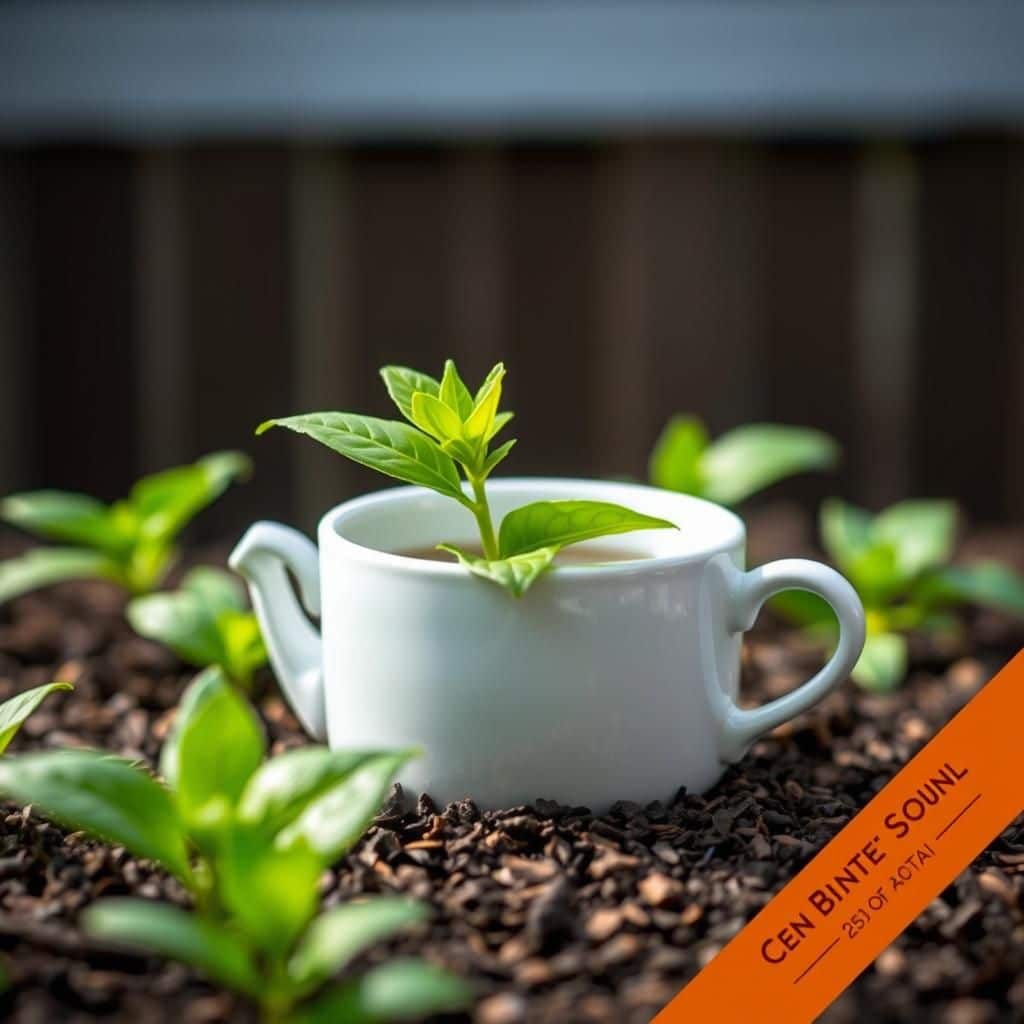
The use of tea mulch in vegetable gardens is an emerging practice that many gardeners are curious about. As sustainable gardening continues to gain popularity, the idea of repurposing tea leaves as mulch presents an eco-friendly option to nourish plants while potentially improving soil health. This article explores the benefits of using tea mulch, including its nutrient-rich composition and its ability to conserve moisture. Additionally, we will provide practical tips on how to effectively apply tea mulch in your garden to maximize its advantages. Discover how this simple addition can enhance your veggie garden's productivity and sustainability.
Can You Use Tea Mulch in Your Vegetable Garden?
Using tea mulch around your vegetable garden can be beneficial, as it is rich in nutrients and offers a range of advantages for soil health. Tea leaves contain essential minerals like nitrogen, phosphorus, and potassium, which can enhance soil fertility when they decompose. Additionally, tea mulch can help retain moisture in the soil, suppress weeds, and promote beneficial microbial activity. However, it's important to consider the type of tea used; opt for organic and preferably loose-leaf teas to avoid additives that could harm your plants. Always use tea mulch in moderation to prevent any potential adverse effects on your vegetable crops.
Benefits of Tea Mulch
Tea mulch offers several benefits for gardeners. It helps improve soil structure and fertility through the addition of vital nutrients as it decomposes. Moreover, the organic matter contributes to better water retention, ensuring that plants remain hydrated and thrive. Furthermore, tea mulch can also act as a natural pest deterrent, potentially keeping harmful insects at bay due to the aromatic properties of certain teas.
Types of Tea Suitable for Mulching
When selecting tea for mulching, it's best to choose organic teas, as these are typically free from pesticides and artificial chemicals. Loose-leaf teas generally work better than tea bags, which may contain synthetic materials. Common options include green tea, black tea, and herbal teas. Each type has its own nutrient profile, but they all can contribute positively to the garden's ecosystem when used responsibly.
How to Apply Tea Mulch
To apply tea mulch properly, start by collecting used tea leaves and letting them dry. Spread a thin layer of the dried leaves around the base of your vegetable plants, being careful not to cover the stems directly. This allows the nutrients to seep into the soil while maintaining good airflow. It's important to monitor moisture levels, as too much mulch can retain excess water, potentially leading to root rot.
Potential Downsides of Tea Mulch
While tea mulch has its advantages, there are also potential downsides to consider. Different tea types might acidify the soil, affecting plants sensitive to pH changes. Additionally, if used in excess, tea mulch can attract pests or encourage mold growth, which could harm your vegetable crops. It’s crucial to use tea mulch judiciously and to observe your plants’ responses to avoid negative outcomes.
Comparing Tea Mulch to Other Organic Mulches
Tea mulch can be compared to other organic mulches, such as straw, wood chips, or grass clippings. Each type of mulch has its unique characteristics and benefits. For example, straw is excellent for soil insulation, while wood chips decompose slower and provide long-lasting coverage. Tea mulch, on the other hand, is quick to break down and releases nutrients faster, making it a good option for nutrient-hungry vegetables. The choice of mulch depends on garden goals and specific plant needs.
| Type of Mulch | Benefits | Potential Downsides |
|---|---|---|
| Tea Mulch | Nutrient-rich, suppresses weeds | Can acidify soil, potential mold growth |
| Straw | Insulates soil, conserves moisture | May attract pests, matting can occur |
| Wood Chips | Long-lasting, reduces erosion | Slow decomposition, may tie up nitrogen |
| Grass Clippings | Rich in nitrogen, easy to source | Can mat down, provide too much nitrogen if used excessively |
Is tea good for your vegetable garden?

Tea can indeed be beneficial for your vegetable garden, primarily due to its organic nature and the nutrients it contains. When used wisely, tea can enhance soil health, boost plant growth, and even help control pests.
Benefits of Tea as Fertilizer
Using tea as a natural fertilizer introduces a variety of nutrients to the soil that can positively impact plant growth. Here are some benefits:
- Nutrient-Rich: Tea contains minerals such as nitrogen, potassium, and phosphorus that are essential for plant health.
- Organic Matter: Adding used tea leaves can increase the organic matter in soil, improving its structure and moisture retention.
- pH Balance: The acidity of tea can help balance the pH levels in the soil, making nutrients more available to plants.
Tea Composting
Composting used tea bags and leaves can create a nutrient-dense addition to your garden. Some points to consider include:
- Breakdown Process: Composting tea helps decompose various organic materials, enriching the compost mix.
- Microbial Activity: The presence of tea boosts microbial activity, aiding in soil health and nutrient cycling.
- Adding to Compost Pile: You can layer tea leaves in your compost pile for improved aeration and nutrient distribution.
Pest Deterrent Properties
Tea is also known for its potential to deter certain pests, making it a useful addition to your garden pest management strategy. Key points include:
- Natural Repellent: Ingredients in tea, particularly from herbal teas, can repel pests like aphids and spider mites.
- Foliar Spray: Diluted tea can be used as a foliar spray to protect plants from insect damage.
- Attracting Beneficial Insects: Certain teas can attract beneficial insects, which prey on harmful pests.
Using Tea for Soil Moisture
Tea can help retain soil moisture, which is vital for vegetable gardens. Consider these aspects:
- Water Retention: Used tea leaves can retain moisture in the soil, reducing the need for frequent watering.
- Improved Drainage: When mixed into the soil, tea leaves can improve drainage while maintaining moisture levels.
- Encouraging Deep Root Growth: Enhanced moisture retention encourages roots to grow deeper in search of water.
How to Apply Tea in the Garden
Incorporating tea into your garden can be done in various ways. Here’s how:
See also:
- Direct Application: Sprinkle used tea leaves around the base of plants as a slow-release nutrient source.
- Tea Brew: Brew a strong tea and dilute it with water for a nutrient-rich liquid feed.
- Compost Addition: Add used tea bags and leaves directly to your compost bin for future enrichment.
Which mulch is best for a veggie garden?

The best mulch for a veggie garden depends on various factors such as the type of vegetables you're growing, the climate in your area, and personal preferences regarding aesthetics and maintenance. However, some popular options that tend to work well include wood chips, straw, grass clippings, leaves, and compost. Each of these mulches offers unique benefits that can help boost the health and productivity of your vegetable garden.
Benefits of Using Wood Chips
Wood chips are a popular choice for mulching vegetable gardens because they offer a slow decomposition rate, which means they last longer than other organic materials. This type of mulch conserves soil moisture, suppresses weeds, and eventually improves soil structure as they break down.
- Long-lasting: Wood chips can take a year or more to decompose, providing extended protection to your plants.
- Weed suppression: A thick layer of wood chips can effectively block sunlight, minimizing weed growth.
- Soil improvement: As they decompose, they enrich the soil with organic matter.
Utilizing Straw as Mulch
Straw is another excellent option for vegetable gardens, especially for those growing plants in colder climates. It helps retain soil warmth, moisture, and is easily applied. It also provides a great habitat for beneficial organisms in the garden.
- Temperature regulation: Straw helps insulate soil temperature, keeping it warmer in cooler months.
- Moisture retention: A layer of straw can significantly reduce evaporation, keeping the soil moist longer.
- Lightweight and easy to handle: Straw is easy to spread, making it an ideal choice for quick application.
Grass Clippings as Mulch
Grass clippings are readily available and can be a sustainable option for mulching. They provide valuable nutrients back to the soil as they decompose and can suppress weeds effectively.
- Nutrient-rich: Grass clippings contain nitrogen, which can improve soil fertility over time.
- Quick decomposition: They decompose rapidly, which can be beneficial if you want to enhance your soil quality quickly.
- Cost-effective: Using clippings from your lawn can save money on purchasing mulch.
Using Leaves as Mulch
Shredded leaves make an excellent mulch choice, particularly in the fall. They improve soil structure and fertility as they break down and can help attract earthworms, which are helpful to garden health.
- Natural abundance: Leaves are often readily available at no cost during autumn.
- Soil aeration: As leaves decompose, they improve soil drainage and aeration.
- Encouraging wildlife: They create a habitat for beneficial insects and earthworms.
The Role of Compost as Mulch
Compost is the ultimate organic mulch option, providing both coverage and enriching nutrients for your vegetable garden. It not only assists in moisture retention but also improves soil health significantly.
- High nutrient content: Compost can add essential nutrients that enhance plant growth.
- Soil structure improvement: It helps in building fertile soil by enhancing its texture.
- Fostering beneficial organisms: Compost attracts beneficial bacteria and fungi that are crucial for a healthy garden ecosystem.
What are the cons of tea tree mulch?

Tea tree mulch, derived from the leaves and bark of the Melaleuca alternifolia tree, is a popular choice in landscaping and gardening. However, there are several cons associated with its use that should be considered before incorporating it into your gardening practices.
Potential Allergic Reactions
Tea tree mulch may cause allergic reactions in some individuals. This is particularly relevant for those who are sensitive to tea tree oil, which is known for its potent properties. Symptoms can include:
- Skin irritations, such as rashes or redness.
- Respiratory issues, particularly for individuals with asthma or other breathing conditions.
- Headaches as a result of inhaling fine particles from the mulch.
pH Imbalance
The pH level of tea tree mulch can be a concern as it tends to be more acidic compared to other types of mulch. This acidity can affect soil health and nutrient availability, leading to:
- Reduced nutrient availability for plants that thrive in neutral to alkaline soils.
- Potential harm to plants that are sensitive to acidic conditions.
- Inhibition of beneficial microorganisms in the soil that require a neutral pH.
Decomposition Rate
Tea tree mulch tends to have a slow decomposition rate, which can impact its effectiveness as a soil amendment. The implications include:
- Delayed nutrient release as the mulch breaks down, affecting plant growth.
- Longevity in appearance, which may not provide the fresh look sought after in landscaping.
- Weed growth if the mulch does not decompose quickly enough to suppress weed seeds.
Cost Considerations
While tea tree mulch can provide some benefits, its cost is often higher than traditional mulching materials. This can present issues such as:
- Higher initial investment that might not be justifiable for all gardeners.
- Potential budget constraints for larger landscaping projects.
- Cost-effectiveness when considering the longevity and performance compared to other mulches.
Limited Availability
The availability of tea tree mulch can be limited in some regions, which might pose problems for gardeners looking to source it. This issue manifests in:
See also:
- Difficulty finding retailers that offer tea tree mulch, especially in rural areas.
- Shipping costs if the mulch needs to be sourced from distant suppliers.
- Inconsistent quality when sourced from diverse suppliers or sites.
What vegetable plants like tea grounds?
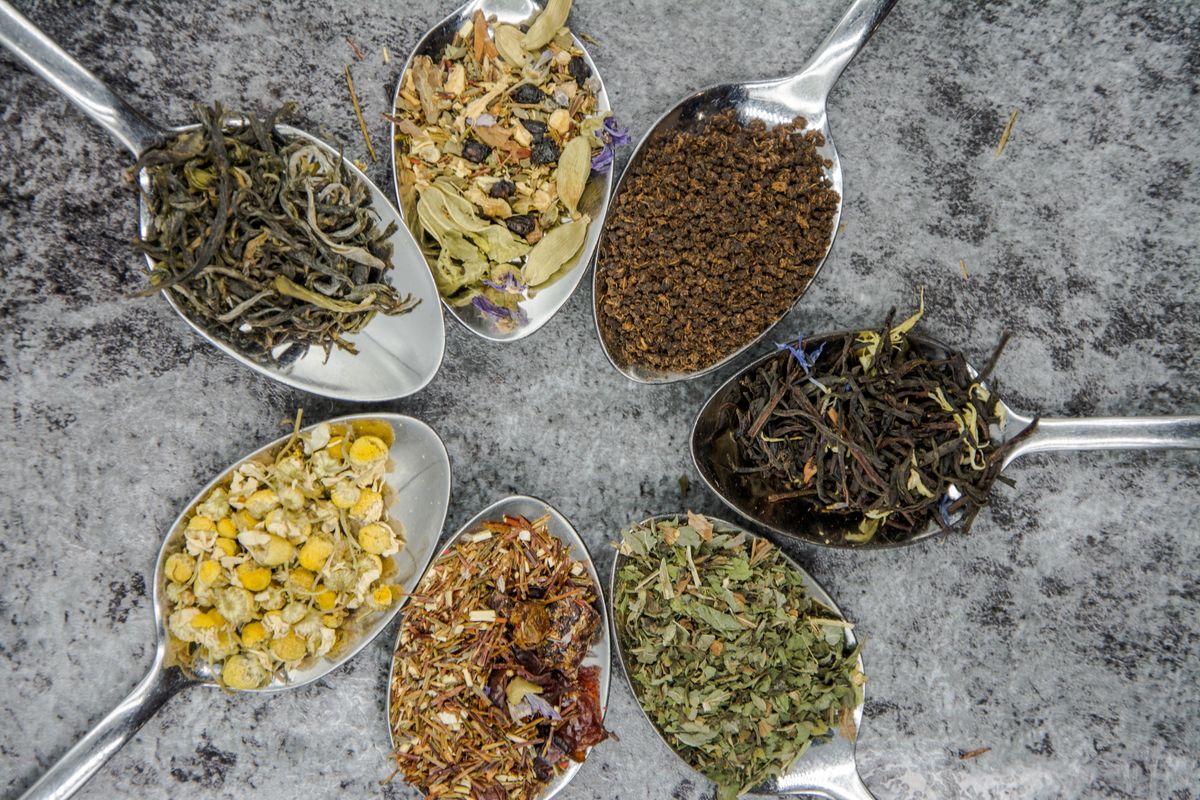
Vegetable plants can benefit from the addition of tea grounds due to their nutrient content and ability to improve soil structure. Here are some vegetable plants that particularly like tea grounds:
1. Tomatoes: Tea grounds can help provide essential nutrients, such as nitrogen, which is vital for lush foliage and fruit production. The acidity of the tea also works well with tomatoes, which prefer slightly acidic soils.
2. Carrots: Adding tea grounds can improve soil texture and drainage, optimizing conditions for carrot growth. The beneficial microorganisms present in tea can also promote healthy root development.
3. Radishes: Radishes grow quickly and benefit from the nitrogen in tea grounds that can stimulate faster growth. The improved soil aeration thanks to tea grounds also facilitates healthy radish development.
4. Lettuce: This leafy green thrives in fertile, well-draining soil. Tea grounds can provide additional nutrients while maintaining the soil's moisture, which is important for lettuce to grow healthily.
5. Cabbage: Cabbage plants enjoy the nutrients found in tea grounds, especially during their early growth stages. The application of tea grounds can also help enrich the soil with beneficial microorganisms.
Benefits of Using Tea Grounds in Vegetable Gardening
Using tea grounds can have several benefits for your vegetable garden:
- Nutrient-Rich: Tea grounds are rich in nitrogen, phosphorus, and potassium.
- Soil Structure: They help improve soil texture, promoting better drainage and aeration.
- Microbial Activity: Tea grounds foster beneficial microbial life in the soil, essential for plant health.
How to Apply Tea Grounds to Your Vegetable Garden
Applying tea grounds correctly is important for maximizing their benefits:
- Composting: Mix tea grounds with other compost materials for balanced nutrition.
- Direct Application: Sprinkle grounds around the base of plants to enhance local soil nutrients.
- Tea Fertilizer: Brew used tea grounds in water to create a nutrient-rich liquid to water your plants.
Which Types of Tea are Best for Plants?
Not all teas are created equal when it comes to gardening:
- Organic Teas: Avoid teas with artificial additives or sweeteners.
- Green Tea: This type is rich in antioxidants and beneficial for plant growth.
- Herbal Teas: Many herbal teas can also offer valuable nutrients, but check for any substances that may be harmful.
Potential Downsides of Using Tea Grounds
While tea grounds are beneficial, there are some considerations:
- Acidity Levels: Excessive use can overly acidify the soil.
- Caffeine Content: Some plants may be sensitive to caffeine found in certain teas.
- Over-application: Too much can lead to nutrient imbalances that may hinder plant growth.
Other Organic Materials to Use in Vegetable Gardens
Tea grounds can be part of a broader strategy for enriching soil:
- Coffee Grounds: Similar nutritional benefits, also rich in nitrogen.
- Kitchen Scraps: Fruits and vegetables provide a great source of nutrients when composted.
- Wood Ash: Offers potassium and helpful in balancing soil pH.
Questions from Our Readers
Can I use tea mulch in my vegetable garden?
Using tea mulch in your vegetable garden is generally safe and can provide beneficial nutrients to your plants. However, it's important to ensure that the tea bags are made of natural materials and free from synthetic chemicals to avoid harming your soil and plants.
What are the benefits of using tea mulch?
Tea mulch can contribute to soil health by adding organic matter, improving water retention, and attracting beneficial organisms like earthworms. Additionally, it may help suppress weeds and enhance the overall microbial activity in the soil.
See also:
Are there any drawbacks to using tea mulch?
While tea mulch offers several benefits, it can also pose potential drawbacks, such as attracting pests if used in excess. Additionally, the acidity from certain teas may not suit all plants, so it's essential to monitor your garden's pH levels when applying this mulch.
How should I apply tea mulch to my garden?
To apply tea mulch, simply spread a layer of used tea leaves or tea bags around the base of your vegetable plants, ensuring it's not too thick to avoid compacting the soil. Mix it into the soil or leave it on top as a top dressing; just be cautious to not hinder water drainage.

If you want to read more articles like Can You Put Tea Mulch Around Your Veggie Garden? Benefits and Tips Explained, we recommend you check out our Mulch category.
Leave a Reply
Related Articles