What is the Best Thing to Plant in a Greenhouse? Top Crops for Successful Greenhouse Gardening
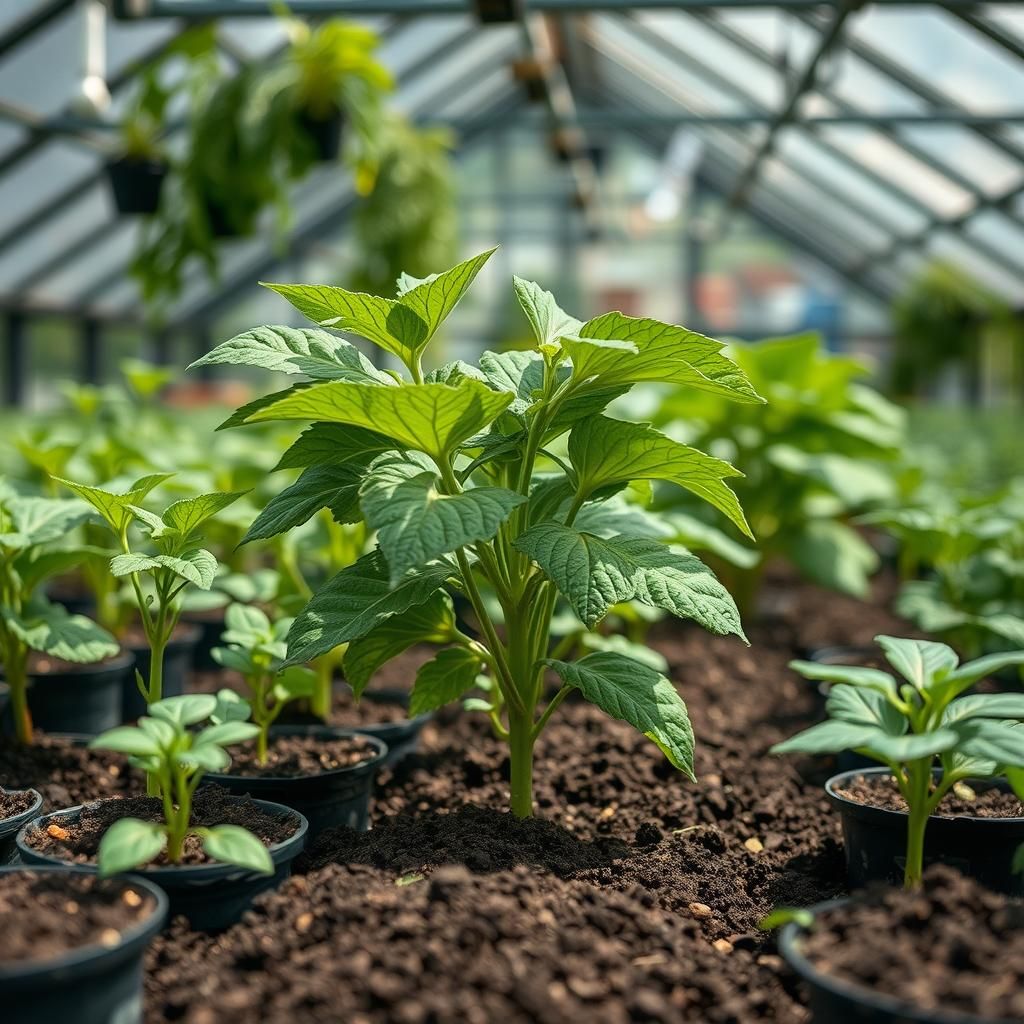
Greenhouse gardening offers a unique opportunity to cultivate a variety of plants in a controlled environment, enhancing growth potential and extending the growing season. However, choosing the best crops to plant can significantly impact your gardening success. This article explores the top crops that thrive in greenhouse settings, considering factors like climate, space, and maintenance requirements. From vibrant vegetables to aromatic herbs and stunning flowers, we’ll guide you through selecting the ideal plants that will flourish under glass, ensuring a bountiful harvest and a rewarding gardening experience. Dive in to discover which crops will transform your greenhouse into a thriving oasis.
What Are the Best Plants for a Greenhouse?
Planting in a greenhouse requires consideration of various factors such as climate, space, and personal preference, but some of the best options include vegetables, herbs, and flowers that thrive in controlled environments. Popular choices often include tomatoes, which can benefit from the stability of greenhouse conditions and produce higher yields compared to outdoor planting; bell peppers, which require warmth and consistent moisture; and herbs like basil and parsley, which flourish in the humid environment and can be harvested year-round. Additionally, flowering plants such as petunias and geraniums can add aesthetic value to the space and attract pollinators. Ultimately, the best thing to plant will depend on individual goals, such as growing food for personal consumption or creating a decorative setting.
Advantages of Growing Vegetables in a Greenhouse
Growing vegetables in a greenhouse provides the advantage of a controlled environment, enabling year-round cultivation regardless of outdoor weather conditions. This means that crops can be planted earlier in the spring and harvested later in the fall, extending the growing season significantly. Greenhouses also protect plants from pests and diseases, reducing the need for chemical interventions. Furthermore, the ability to regulate temperature, humidity, and light allows for optimized growth, resulting in healthier plants and potentially larger harvests.
Best Herbs for Greenhouse Cultivation
When it comes to herbs, selecting varieties that thrive in warm, moist environments is crucial. Some of the best options include basil, cilantro, and thyme, which not only grow well in greenhouses but also provide diverse flavors for culinary uses. The greenhouse setting allows for a stable moisture level, preventing herbs from drying out quickly, which often happens outdoors. Herbs can be harvested frequently, providing a continual supply for kitchens and adding green aesthetics to the greenhouse.
Flowering Plants to Consider for Greenhouses
If aesthetics are a priority, flowering plants such as geraniums, petunias, and marigolds are excellent choices for greenhouse planting. These flowers can thrive in the controlled conditions of a greenhouse, offering vibrant colors and fragrant blooms. The extended growing season provided by the greenhouse means that flowers can be enjoyed for longer periods and can often be planted in succession for continual display. Greenhouses also protect these sensitive blooms from harsh weather, ensuring they remain healthy and attractive.
Climate Considerations for Greenhouse Planting
Understanding the specific climate of your greenhouse is essential for determining what to plant. Different plants have varying requirements for temperature, light, and humidity. For example, tropical plants like pineapples thrive in warmer, humid environments, while cool-season crops such as lettuce and spinach prefer cooler temperatures. Monitoring and adjusting the internal conditions of the greenhouse can help cater to the needs of each plant, leading to successful growth.
Seasonal Planting Strategies in Greenhouses
Implementing seasonal planting strategies can maximize the use of a greenhouse throughout the year. For instance, cool-season crops can be planted in early spring, followed by a summer crop of heat-loving plants like cucumbers and zucchini. In the fall, varieties suited for cooler temperatures can be sown again, such as kale and brussels sprouts. This rotation not only ensures a continuous supply of produce but also helps in maintaining soil health and reducing pest buildup through diverse plantings.
| Plant Type | Best Varieties | Growing Season |
|---|---|---|
| Vegetables | Tomatoes, Bell Peppers | Spring to Fall |
| Herbs | Basil, Cilantro | Year-Round |
| Flowers | Geraniums, Petunias | Spring to Fall |
| Tropical Plants | Pineapples | Year-Round |
| Cool-Season Crops | Lettuce, Spinach | Spring & Fall |
What plants grow best in a greenhouse?

Greenhouses provide an ideal environment for growing a wide variety of plants, as they offer protection from the elements and allow for greater control over humidity, temperature, and light. Below are some of the plants that tend to thrive best in a greenhouse setting.
Vegetables Suitable for Greenhouse Cultivation
Many vegetables greatly benefit from the controlled atmosphere provided by greenhouses. Among the most popular are:
- Tomatoes: Require warmth and benefit from extended growing seasons.
- Cucumbers: Thrive in warmth and require consistent watering.
- Bell Peppers: Prefer a warm environment, making them perfect for greenhouses.
Herbs That Flourish in a Greenhouse
Herbs are another category of plants that grow exceptionally well in greenhouses. They often prefer the stable temperatures and conditions that greenhouses provide. Notable herbs include:
- Basil: Loves heat and can be harvested regularly.
- Mint: Grows vigorously and benefits from controlled humidity.
- Parsley: Thrives in moderate temperatures and can be grown year-round.
Flowering Plants for Greenhouse Environments
Many flowering plants flourish in greenhouses, providing beauty and sometimes even fragrance. Some popular choices are:
- Orchids: Require precise humidity and temperature control to thrive.
- Roses: Benefit from consistent conditions and can bloom multiple times a year.
- Geraniums: Adapt well to greenhouse life and are hardy with proper care.
Fruits That Benefit from Greenhouse Growth
Certain fruits can also be grown effectively in greenhouses, allowing for longer growing periods and protection from pests. Examples include:
See also:
- Strawberries: Can produce fruit throughout the year with suitable conditions.
- Melons: Require warm temperatures and benefit from a greenhouse’s microclimate.
- Grapes: Thrive in warm conditions and can be carefully pruned for better yield.
Microgreens and Salad Greens Ideal for Greenhouses
Microgreens and other salad greens are quick to harvest and thrive in greenhouse conditions. They include:
- Arugula: Grows fast and can be harvested multiple times.
- Spinach: Prefers cooler temperatures but does well in controlled environments.
- Radish Greens: Fast-growing and add nutritional value to salads.
What is the easiest thing to grow in a greenhouse?
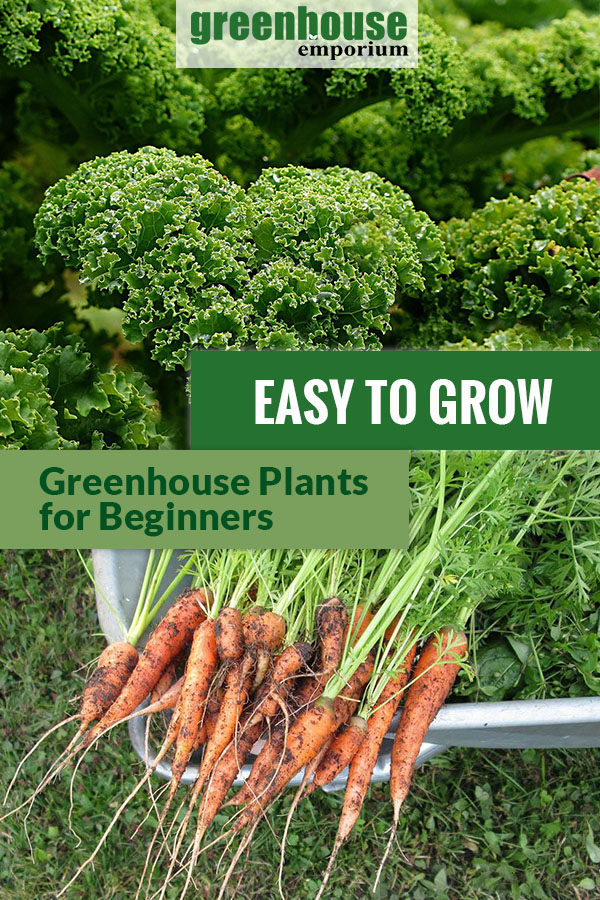
The easiest thing to grow in a greenhouse is generally considered to be leafy greens. These plants thrive in the controlled environment a greenhouse provides, allowing for optimal growth conditions such as consistent temperature, humidity, and light exposure. Leafy greens, such as lettuce, kale, and spinach, are particularly forgiving and can be harvested multiple times throughout the growing season, making them a favorite for both novice and experienced gardeners.
Benefits of Growing Leafy Greens in a Greenhouse
Growing leafy greens in a greenhouse offers several advantages that enhance their growth and yield:
- Extended Growing Season: A greenhouse allows for earlier planting in the spring and later harvesting in the fall, giving gardeners the chance to enjoy fresh greens throughout the year.
- Controlled Environment: Greenhouses can be heated or cooled as necessary, protecting plants from extreme temperatures that could hinder growth.
- Pest and Disease Management: By growing indoors, leafy greens are less susceptible to pests and diseases, reducing the need for chemical treatments.
Popular Leafy Greens to Grow in a Greenhouse
There are various types of leafy greens that are ideal for greenhouse cultivation:
- Lettuce: With numerous varieties available, lettuce is quick to germinate and can be harvested in as little as 30 days.
- Kale: This nutrient-dense leafy green is highly resilient and can produce multiple harvests per season.
- Spinach: Known for its fast growth rates, spinach thrives in the cooler temperatures of a greenhouse.
Tips for Successful Leafy Green Cultivation
To ensure a successful crop of leafy greens in a greenhouse, follow these practical tips:
- Consistent Watering: Leafy greens require consistent moisture, so regular watering is essential, especially in a greenhouse environment.
- Optimal Lighting: Ensure that your greenhouse receives sufficient sunlight, or supplement with grow lights during shorter days.
- Soil Quality: Use high-quality potting soil enriched with organic matter to provide essential nutrients for healthy plant growth.
Common Problems and Solutions
Even in a controlled environment, growers may encounter issues:
- Pests: Aphids and whiteflies can still infiltrate greenhouses, so introduce beneficial insects like ladybugs or use organic pest control methods.
- Overwatering: To prevent root rot, ensure proper drainage and monitor soil moisture levels regularly.
- Temperature Fluctuations: Use fans or heaters as needed to maintain consistent temperatures, especially during extreme weather conditions.
Nutritional Benefits of Leafy Greens
Leafy greens are loaded with essential nutrients, contributing significantly to a healthy diet:
- High in Vitamins: Greens such as kale and spinach are rich in vitamins A, C, and K, promoting overall health.
- Rich in Antioxidants: Leafy greens contain antioxidants that can reduce inflammation and prevent chronic diseases.
- Low in Calories: They offer a nutrient-dense option with minimal calories, making them perfect for weight management.
What not to plant in a greenhouse?

When considering what to plant in a greenhouse, certain plants may not thrive due to the specific conditions typically found in these controlled environments. It's important to be mindful of the temperature, humidity, light levels, and airflow that greenhouses provide. Below are some plants that are generally not suitable for greenhouse cultivation.
1. Root Vegetables
Root vegetables such as carrots, potatoes, and beets often require deep soil and specific conditions that are challenging to achieve in a greenhouse. The limited space and the potential for higher humidity can lead to issues like poor root development and fungal diseases.
- Poor root formation due to lack of depth.
- High humidity fostering rot and fungal infection.
- Less control over soil temperature variations.
2. High-Light Plants
Plants that thrive in full sunlight, like many varieties of cacti and succulents, can suffer when grown in a greenhouse if the light levels are not carefully managed. Excessive humidity and insufficient airflow can lead to issues like overwatering and mold growth.
- Need for specific light conditions not always met.
- Vulnerability to mold due to high humidity.
- Possible overwatering if not careful with irrigation.
3. Plants with Low Heat Tolerance
Certain plants, such as ferns and other shade-loving species, may not be suited for greenhouses that maintain higher temperatures, especially during hot weather. These conditions can lead to heat stress and hinder their growth.
See also:
- Inability to adapt to warmer temperatures.
- Environmental stress leading to poor health.
- Reduced growth rates and potential mortality.
4. Invasive Species
Some plants can be highly invasive and might spread uncontrollably within a greenhouse environment, making management difficult. Examples include mint and jasmine, which can overshadow or choke out other plants.
- Quickly take over available space.
- Outcompete other desired crops for resources.
- Require constant management to control their growth.
5. Plants with Specific Pest Problems
Certain plants are prone to pests that can thrive in greenhouse conditions. For instance, brassicas (like cabbage and kale) have well-known pest issues such as aphids and caterpillars, which can proliferate in a controlled environment.
- High likelihood of pest infestations.
- Difficulty in managing pest populations effectively.
- Potential for widespread crop loss due to pests.
What is the most profitable thing to grow in a greenhouse?
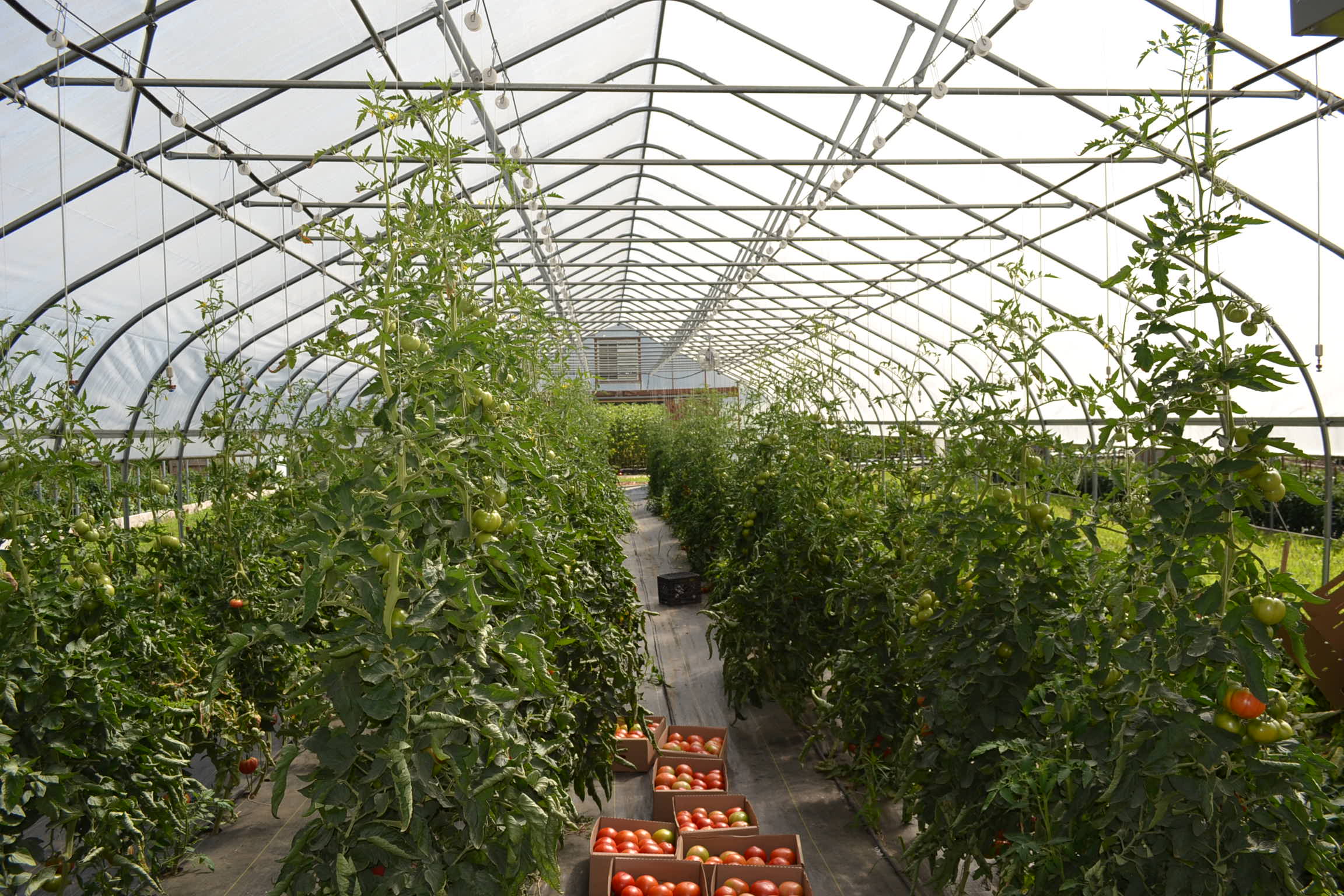
The most profitable thing to grow in a greenhouse often depends on various factors such as market demand, climate, initial investment, and the grower’s expertise. However, some crops are consistently recognized for their profitability across various regions. These include herbs, vegetables, flowers, and fruits. Notably, one of the most profitable crops for greenhouse cultivation is tomatoes. They have a high market demand, are relatively easy to grow, and can yield significant profit margins.
Benefits of Growing Tomatoes in a Greenhouse
Growing tomatoes in a greenhouse offers several advantages that contribute to their profitability:
- Controlled Environment: A greenhouse provides a stable climate, which allows for year-round cultivation of tomatoes.
- Reduced Pest Impact: Greenhouses minimize exposure to pests and diseases, leading to healthier crops and reduced pesticide costs.
- Extended Growing Season: By protecting plants from unfavorable weather, growers can produce multiple harvests in a year.
Other Highly Profitable Crops
While tomatoes are a clear favorite, there are other crops that can also be quite profitable when grown in a greenhouse:
- Herbs: Culinary herbs such as basil, cilantro, and parsley have high market value and demand.
- Salad Greens: Lettuce and spinach can be grown quickly and sold to local markets, catering to health-conscious consumers.
- Bell Peppers: Like tomatoes, bell peppers have a high demand and thrive in greenhouse conditions.
Factors Influencing Profitability
Several critical factors affect the profitability of crops grown in a greenhouse:
- Market Demand: Understanding local market trends will help in choosing the right crops to maximize profits.
- Production Costs: Evaluating the costs of seeds, nutrients, and utilities is essential for calculating profit margins.
- Labor: The availability and cost of labor can significantly impact overall profitability.
Seasonal Variations in Profitability
Profitability can vary seasonally, affecting growers' choices:
- Off-Season Cropping: Growing crops that are out of season can fetch premium prices.
- Demand Fluctuations: Certain crops may have seasonal peaks in demand, influencing selling prices.
- Competition: Being aware of other local producers can affect pricing and profitability.
Investment Considerations for Greenhouse Farming
Investing in greenhouse farming involves various considerations that can affect overall profitability:
- Initial Setup Costs: Understanding the costs of materials, equipment, and labor for building the greenhouse is crucial.
- Operational Costs: Regular expenses such as heating, ventilation, and water must be factored into profit calculations.
- Return on Investment: Evaluating the expected yield and potential profit from crops will help guide investment decisions.
Questions from Our Readers
What are the best vegetables to grow in a greenhouse?
The best vegetables to grow in a greenhouse include tomatoes, cucumbers, peppers, and lettuce. These plants thrive in the controlled environment of a greenhouse, which provides the right amount of temperature and humidity for optimal growth.
Can flowers be grown in a greenhouse?
Yes, many types of flowers can be grown in a greenhouse, such as petunias, geraniums, and zinnias. Greenhouses allow for year-round blooming and can help protect flowers from harsh weather conditions.
What fruits are suitable for greenhouse cultivation?
The best fruits to cultivate in a greenhouse are strawberries, melons, grapes, and citrus fruits like lemons and oranges. These fruits benefit from the controlled environment that ensures they receive ample sunlight and protection from pests.
How do I choose the right plants for my greenhouse?
When choosing plants for your greenhouse, consider factors such as climate, space, and light conditions. Look for plants that have similar growth requirements to ensure they thrive together and maximize your greenhouse's potential.
See also:

If you want to read more articles like What is the Best Thing to Plant in a Greenhouse? Top Crops for Successful Greenhouse Gardening, we recommend you check out our Greenhouse category.
Leave a Reply
Related Articles