Can I Just Sprinkle Coffee Grounds in My Garden? Discover the Benefits and Best Practices

Coffee grounds, often discarded as waste, can be a valuable addition to your garden. Many gardeners wonder, Can I just sprinkle coffee grounds in my garden? This article delves into the benefits of using coffee grounds in your garden, including their potential to enrich the soil, deter pests, and promote healthy plant growth. Additionally, we will explore the best practices for incorporating coffee grounds effectively, ensuring you maximize their advantages without harming your plants. Join us as we discover how this simple kitchen leftover can contribute to a thriving and sustainable garden ecosystem.
Can I Just Sprinkle Coffee Grounds in My Garden?
Yes, you can scatter coffee grounds in your garden, but it’s essential to do so thoughtfully. Coffee grounds can be a beneficial addition to your soil as they improve drainage and enhance nutrient content, particularly with nitrogen, which is vital for plant growth. However, be mindful of the amount you use; excessive applications can lead to soil acidity, which might not be suitable for all plants. Ideally, it’s best to mix the coffee grounds with other organic matter or compost to balance the nutrients and avoid creating compacted layers that can inhibit water movement and root growth.
Benefits of Coffee Grounds for Plants
Coffee grounds provide various benefits for plants, including acting as a natural fertilizer due to their rich nutrient profile. They contain not only nitrogen but also other essential minerals like potassium and phosphorus, which support healthy plant growth. Additionally, coffee grounds can help attract earthworms, which aerate the soil and promote nutrient cycling. The added organic matter from coffee grounds also enhances soil structure, ultimately leading to improved plant health.
How to Apply Coffee Grounds in Your Garden
When applying coffee grounds, it’s important to do so in moderation to prevent over-acidification of the soil. Ideally, you should mix the grounds into the top layer of soil or compost to promote aeration and prevent them from compacting. A general rule of thumb is to apply a thin layer of coffee grounds (about 1-2 inches) rather than sprinkling them directly on the surface. This method ensures even distribution and maximizes their effectiveness in enhancing soil quality.
Potential Risks of Using Coffee Grounds
While there are numerous benefits to using coffee grounds, there are also potential risks to consider. One of the main concerns is acidity; some plants, particularly those that prefer neutral or alkaline soils, may not thrive if coffee grounds are used excessively. Additionally, coffee grounds can sometimes harbor molds if kept too wet or if not mixed properly into the soil, which may lead to plant health issues. It's crucial to monitor your garden's specific requirements and adjust the coffee ground application accordingly.
Best Plants to Benefit from Coffee Grounds
Certain plants thrive particularly well with the addition of coffee grounds in their growing medium. Acid-loving plants like blueberries, azaleas, and camellias can benefit greatly from the added acidity that coffee grounds provide. Additionally, tomatoes and carrots are often reported to enjoy the enriched nutrient profile that coffee grounds contribute to the soil. As a rule, always check whether the specific plants in your garden can benefit from this organic amendment.
Composting Coffee Grounds
Composting coffee grounds is a great way to utilize this waste product effectively. When added to your compost bin, coffee grounds serve as a rich source of green materials due to their high nitrogen content. They help to balance the carbon-rich materials in your compost, such as dry leaves and straw. To optimize decomposition, mix coffee grounds well with other compost components and regularly turn the pile. This process not only helps in creating nutrient-dense compost but also reduces the risk of any odor issues arising from stagnant waste materials.
| Component | Benefit |
|---|---|
| Coffee Grounds | Improves soil structure and adds nutrients |
| Earthworms | Aerate the soil and enhance nutrient cycling |
| Acidity | Beneficial for acid-loving plants |
| Composting | Helps produce nutrient-rich compost |
Can you put coffee grounds straight into the garden?
:max_bytes(150000):strip_icc()/using-coffee-grounds-in-your-garden-2539864_FINAL-025580b008314747ad1a5d6411baf988.png)
Yes, you can put coffee grounds straight into the garden, but there are certain considerations to keep in mind. Coffee grounds can be a beneficial addition to your garden soil due to their nutrient content and their ability to improve soil structure. However, it is important to use them in moderation and understand how to integrate them effectively into your gardening practices. Here’s a detailed overview of the benefits, guidelines, and potential drawbacks of using coffee grounds in your garden.
Benefits of Coffee Grounds in the Garden
Coffee grounds are a valuable organic material that can offer various benefits to your garden.
- Nutrient-Rich: Coffee grounds contain essential nutrients such as nitrogen, phosphorus, and potassium, which are vital for plant growth.
- Soil Aeration: Adding coffee grounds to your soil can enhance its texture, leading to better drainage and improved root development.
- Microbial Activity: Coffee grounds attract earthworms and promote the activity of beneficial microbes, which contribute to soil health.
How to Use Coffee Grounds in the Garden
To effectively utilize coffee grounds in your garden, consider the following methods.
- Composting: Incorporate coffee grounds into your compost pile to enhance the nitrogen content of the compost.
- Mulching: Use coffee grounds as a top layer of mulch to retain moisture and suppress weeds.
- Soil Amendment: Mix coffee grounds directly into the soil to improve texture and nutrient levels.
Potential Drawbacks of Using Coffee Grounds
While coffee grounds can be beneficial, there are also some potential drawbacks to consider.
- Acidity Levels: Coffee grounds are slightly acidic, which may affect soil pH if used in large quantities, particularly for plants that prefer neutral or alkaline soils.
- Over-application Risks: Using too many coffee grounds can lead to soil compaction and hinder plant growth.
- Pest Attraction: Some gardeners have reported that coffee grounds can attract pests like snails and slugs, especially if left in piles.
Plants That Benefit from Coffee Grounds
Certain plants thrive with the addition of coffee grounds in their growing conditions.
See also:
- Acid-Loving Plants: Plants such as blueberries, azaleas, and rhododendrons prefer slightly acidic conditions and can benefit from coffee grounds.
- Vegetables: Many vegetables like carrots, tomatoes, and spinach appreciate the nutrient boost from coffee grounds.
- Herbs: Some herbs, such as basil and mint, can thrive with the stimulation that coffee grounds provide.
Best Practices for Application
To maximize the benefits of coffee grounds while minimizing potential issues, follow these best practices.
- Moderation is Key: Use coffee grounds in small amounts, ideally mixing them with other organic materials.
- Proper Drying: Allow coffee grounds to dry before application to prevent mold growth and improve their usability.
- Mix Well: Ensure coffee grounds are well-integrated into the soil rather than left in clumps, to avoid compaction.
Can I sprinkle unused coffee grounds in my garden?
Yes, you can sprinkle unused coffee grounds in your garden. Coffee grounds are considered a valuable organic material that can enhance soil quality and promote healthy plant growth. They are rich in nutrients such as nitrogen, which is beneficial for plants. However, it is essential to use coffee grounds properly to avoid any potential negative effects on your garden.
Benefits of Using Coffee Grounds in the Garden
Using coffee grounds in your garden has several benefits that can help improve soil conditions and plant health. Here are some of the primary advantages:
- Nutrient-Rich: Coffee grounds contain essential nutrients like nitrogen, phosphorus, and potassium, vital for plant growth.
- Improves Soil Structure: Incorporating coffee grounds into the soil helps improve its texture, making it more conducive for root development.
- Organic Matter: They add organic matter to the soil, which helps retain moisture and provides habitat for beneficial microorganisms.
How to Apply Coffee Grounds in Your Garden
Proper application of coffee grounds is crucial for maximizing their benefits while minimizing potential issues. Here are a few application methods:
- Directly to Soil: You can sprinkle grounds directly onto the soil and rake them in to mix with the top layer.
- Composting: Adding coffee grounds to your compost pile can enhance the nutrient content of your compost.
- Mulching: Use coffee grounds as a layer of mulch around plants to suppress weeds and retain soil moisture.
Potential Drawbacks of Using Coffee Grounds
While coffee grounds offer many benefits, there are also potential drawbacks to consider to ensure a balanced approach:
- Acidity: Coffee grounds can be slightly acidic; too much in alkaline soils may lead to nutrient imbalances.
- Overuse Risks: Excessive application can lead to poor drainage and may attract pests if not managed properly.
- Seed Germination: High concentrations can inhibit seed germination in some plants due to their acidity and caffeine content.
Plants That Benefit from Coffee Grounds
Certain plants thrive when coffee grounds are added to the soil. Familiarizing yourself with these beneficial plants can help you utilize coffee grounds effectively:
- Acid-Loving Plants: Plants like blueberries and azaleas appreciate slightly acidic conditions enhanced by coffee grounds.
- Vegetables: Many vegetables such as tomatoes and peppers benefit from the added nutrients and soil structure improvement.
- Houseplants: Indoor plants like ferns can also thrive in soil mixed with coffee grounds.
Alternatives to Coffee Grounds in the Garden
If coffee grounds are not available, there are several alternative materials that can provide similar benefits:
- Tea Leaves: Tea leaves are also rich in nutrients and can be used similarly to coffee grounds.
- Grass Clippings: Fresh grass clippings add nitrogen and can improve soil structure when used responsibly.
- Kitchen Scraps: Composting kitchen scraps provides a range of nutrients and can be an effective alternative to coffee grounds.
What are the disadvantages of coffee grounds as fertilizer?

Coffee grounds are often touted as a beneficial addition to gardens due to their rich nutrient content, but they come with several disadvantages when used as fertilizer. Understanding these drawbacks is crucial for gardeners seeking to optimize their soil health and plant growth.
Potential for Excess Nitrogen
Using coffee grounds as fertilizer can lead to an imbalance in the soil's nitrogen levels. While coffee grounds are high in nitrogen, adding too much can cause problems such as:
- Soil Imbalance: Excess nitrogen may deplete other essential nutrients, leading to unhealthy plant growth.
- Burning Roots: High nitrogen levels can cause root burn, affecting plant health negatively.
- Poor Soil Microbial Activity: Imbalanced nitrogen can disrupt the activity of beneficial microbes in the soil.
Acidity Issues
Another disadvantage of coffee grounds is their acidity. While some plants thrive in acidic conditions, many garden plants prefer a neutral pH. The use of coffee grounds can lead to:
- pH Disruption: Over time, the increased acidity can alter the soil pH, making it unsuitable for certain plants.
- Limited Plant Choices: Gardeners may find their selection of plant species limited as not all plants tolerate acidic soil.
- Neutralization Difficulty: Adjusting soil pH can be a slow and labor-intensive process, complicating the gardening effort.
Pest Attraction
Coffee grounds can attract various pests to the garden, which can be a significant drawback. The use of coffee grounds may result in:
See also:
- Ant Infestations: Ants are attracted to the smell of coffee, which can lead to colonies setting up homes in the garden.
- Fungal Growth: The moisture retained in coffee grounds can also encourage the growth of fungi and mold, which pests thrive on.
- Pest Ecosystem Imbalance: Increased pest activity can lead to a decrease in beneficial insects that help maintain the health of the garden.
Limited Nutrient Release
While coffee grounds contain nutrients, their release rate is relatively slow. This limitation can pose challenges such as:
- Delayed Nutrient Availability: Plants may not receive the nutrients they need in a timely manner, especially during peak growth seasons.
- Over-Reliance on Other Fertilizers: Gardeners may need to supplement with additional fertilizers, leading to increased costs.
- Inconsistent Growth: The unpredictable nutrient release can result in uneven plant growth and development.
Contamination Risks
Another concern with using coffee grounds is the potential for contamination. Factors that contribute to this risk include:
- Pesticide Residue: Commercially produced coffee may contain pesticide residues that could harm garden plants and soil health.
- Pathogen Presence: Used coffee grounds may harbor pathogens from the coffee-making process, introducing disease to the garden.
- Inconsistent Source Quality: The quality of coffee grounds can vary widely, complicating their use as a reliable fertilizer.
What vegetables don't like coffee grounds?
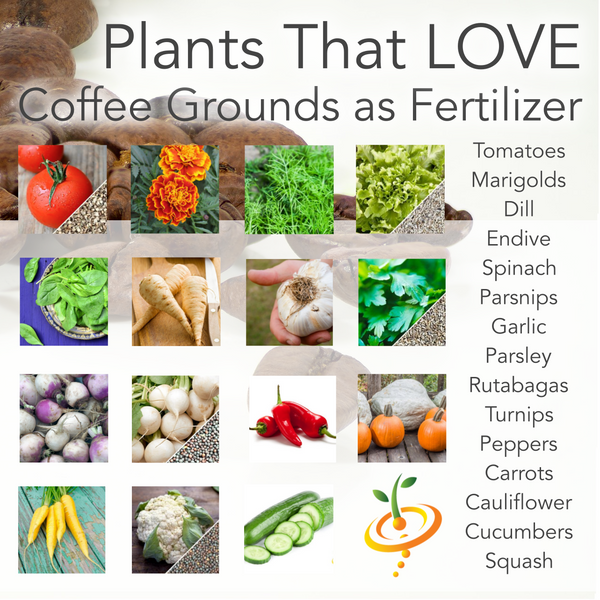
Coffee grounds can be a great addition to the compost pile and can benefit many garden plants due to their nitrogen content. However, there are some vegetables that do not react well to coffee grounds. This is primarily due to the acidic nature of coffee grounds, which can affect soil pH and nutrient availability.
1. Leafy Greens
Leafy greens, such as spinach, lettuce, and kale, tend to thrive in a more neutral to slightly alkaline soil pH. The acidity from coffee grounds can lead to nutrient imbalances, affecting their growth and yielding poor results.
- Spinach may become bitter if the soil is too acidic.
- Lettuce can experience slowed growth and reduced leaf quality.
- Kale might not develop its full flavor in acidic conditions.
2. Root Vegetables
Root vegetables like carrots, radishes, and beets can suffer from coffee ground application as well. High acidity can hinder their development and production.
- Carrots might not grow straight and can become forked.
- Radishes can turn woody and less flavorful.
- Beets may not reach their optimal size when grown in acidic soil.
3. Brassicas
Brassicas, which include cabbage, broccoli, and cauliflower, can be sensitive to changes in soil pH. These vegetables prefer slightly alkaline conditions, making coffee grounds unsuitable.
- Cabbage may develop head rot due to excess acidity.
- Broccoli can become stunted, affecting yield.
- Cauliflower may not form heads properly, leading to a poor harvest.
4. Nightshades
Nightshade vegetables, such as tomatoes, peppers, and eggplants, do better in neutral to slightly alkaline soils. The acidity from coffee can disrupt their nutrient uptake.
- Tomatoes may show signs of blossom end rot.
- Pepper plants can have lower fruit set and poor growth.
- Eggplants might become susceptible to diseases in acidic soils.
5. Squash and Cucumbers
Cucurbits like squash and cucumbers prefer a neutral pH and may not thrive when coffee grounds are added to the soil.
- Squash can experience poor flowering and fruit development.
- Cucumbers may exhibit increased susceptibility to pests and diseases.
- Both plants can suffer from stunted growth if their soil is too acidic.
Questions from Our Readers
Can I use coffee grounds directly in my garden?
Using coffee grounds directly in your garden is possible, but it's important to do so in moderation. Coffee grounds are high in nitrogen, which can benefit your plants; however, too much can lead to nutrient imbalance. It's best to mix them with other organic materials to create a balanced compost.
What plants benefit from coffee grounds?
Many plants can benefit from coffee grounds, especially acid-loving plants like azaleas, blueberries, and roses. The slight acidity from the grounds can improve soil pH for these plants, making essential nutrients more available. Always remember to use them sparingly.
Can coffee grounds attract pests in the garden?
Yes, coffee grounds can potentially attract certain pests, particularly if used in large quantities. While they can deter some pests like snails and slugs, excessive use might attract unwanted insects or rodents. It’s advisable to monitor your garden and adjust your usage accordingly.
Is there a better way to use coffee grounds in gardening?
A better way to use coffee grounds in your garden is to compost them first. By including coffee grounds in your compost pile, you allow them to decompose with other organic materials, resulting in a nutrient-rich soil amendment. This approach enhances soil quality while minimizing any potential negative effects.
See also:

If you want to read more articles like Can I Just Sprinkle Coffee Grounds in My Garden? Discover the Benefits and Best Practices, we recommend you check out our Compost category.
Leave a Reply
Related Articles