Effective Solutions: What to Spray on Tomato Plants to Keep Bugs Away
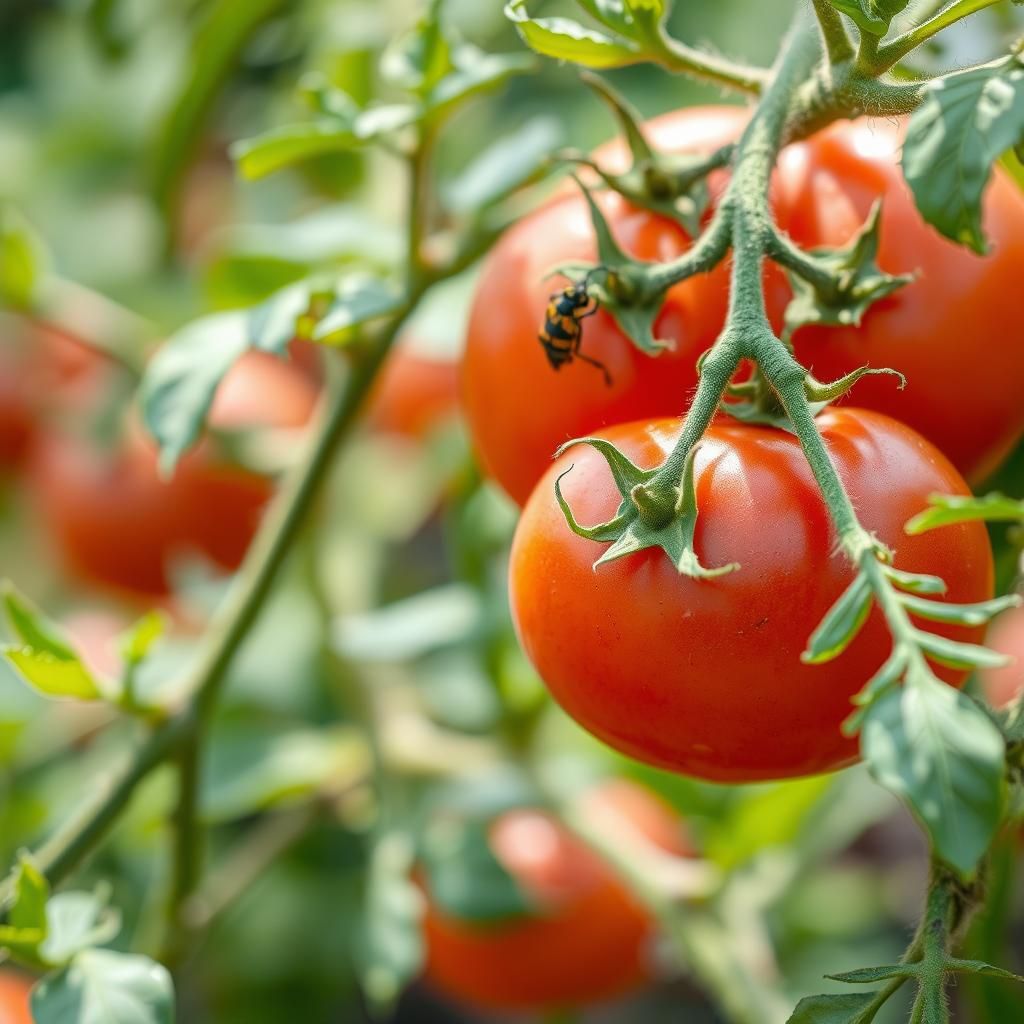
As gardening enthusiasts know, protecting tomato plants from pesky bugs is crucial for a successful harvest. Pests such as aphids, caterpillars, and spider mites can wreak havoc on these beloved plants, leading to reduced yields and unhealthy foliage. Fortunately, there are several effective solutions available to keep these unwanted insects at bay. This article will explore various natural and chemical sprays that not only safeguard your tomato plants but also promote a healthy growing environment. Whether you prefer organic methods or commercial products, discover the best strategies to maintain robust and pest-free tomato plants throughout the growing season.
Effective Sprays to Deter Pests on Tomato Plants
To keep bugs away from your tomato plants, you can use a variety of natural and chemical sprays. Common options include neem oil, which disrupts the life cycle of pests, and insecticidal soap, which suffocates soft-bodied insects like aphids. For a homemade solution, consider mixing garlic or cayenne pepper with water to create a potent deterrent. It's essential to apply these sprays regularly, especially after rain, to maintain their effectiveness. Always test any solution on a small area first to avoid harming the plants and ensure that the solution targets the specific pests you're dealing with.
Neem Oil as a Natural Insect Repellent
Neem oil is a powerful organic insect repellent derived from the seeds of the neem tree. It contains compounds that interfere with the growth and reproduction of many common pests such as whiteflies, aphids, and spider mites. By diluting neem oil with water and a few drops of dish soap, you can create a spray that not only repels these insects but also acts as a fungicide. Regular applications every 1-2 weeks can significantly reduce pest populations while being safe for beneficial insects when used correctly.
Insecticidal Soap for Soft-Bodied Pests
Insecticidal soap is an effective treatment for soft-bodied pests like aphids, thrips, and spider mites. This solution works by suffocating the insects because the soap breaks down their outer protective layers. It's important to choose a soap specifically formulated for gardening, as regular household soaps could harm plants. Spraying insecticidal soap onto infested areas and the underside of leaves ensures thorough coverage, promoting healthier tomato plants while minimizing pest damage.
Homemade Garlic Spray
A homemade garlic spray can provide a strong deterrent for a variety of insect pests on tomato plants. By blending garlic cloves with water and letting the mixture steep, you can create a natural repellent. Garlic contains allicin, a compound that has insecticidal properties, making it effective against aphids, whiteflies, and other pests. Straining the mixture and storing it in a spray bottle allows for easy application, ideally in the early morning or late afternoon to avoid potential leaf burn.
Cayenne Pepper Spray
Cayenne pepper is another natural remedy known for its pest-repellent properties. Mixing cayenne pepper with water and a bit of dish soap creates a potent spray that can deter many insect pests, including slugs and tomato hornworms. The spiciness of the pepper irritates the pests, making your tomatoes less appealing to them. To enhance effectiveness, it’s advisable to apply this spray after watering the plants, as it helps adhere better to the leaves.
Essential Oils for Pest Control
Using essential oils such as peppermint, lavender, or eucalyptus can also be beneficial in keeping pests away from tomato plants. These oils contain natural insect-repelling properties, and when diluted with water, they make excellent sprays. Each type of oil has specific pests it targets—peppermint oil is great for repelling ants and aphids, while lavender can deter whiteflies. Regular applications, especially after rainfall, will help maintain a pest-free environment around your tomato plants.
| Spray Type | Target Pests | Main Ingredient |
|---|---|---|
| Neem Oil | Aphids, Spider Mites, Whiteflies | Neem Tree Extract |
| Insecticidal Soap | Aphids, Thrips | Fatty Acids |
| Garlic Spray | Aphids, Whiteflies | Garlic |
| Cayenne Pepper Spray | Slugs, Tomato Hornworms | Cayenne Pepper |
| Essential Oils | Ants, Whiteflies | Peppermint, Lavender, Eucalyptus |
How do I stop bugs from eating my tomato plants?
:strip_icc()/Tomato-Pests-and-How-to-Get-Rid-of-Them-Stink-Bug-1028790710-f4d1900cb233420fb13fd7e715bf6531.jpg)
To stop bugs from eating your tomato plants, there are several effective methods you can employ. It's essential to identify the pests that are causing damage to your plants and implement a combination of preventive measures and treatments to protect your tomatoes. Here are detailed strategies on how to deal with the issue:
Identify the Pests
Understanding which pests are attacking your tomato plants is crucial to formulating a control strategy. Common pests include aphids, spider mites, whiteflies, and caterpillars. Each requires a different approach:
- Aphids: These small, soft-bodied insects suck the sap from plants and can transmit diseases.
- Spider Mites: These are tiny arachnids that cause yellowing of leaves and may create webbing.
- Whiteflies: These tiny white flying insects also feed on plant sap and can lead to sticky residue on the leaves.
- Caterpillars: The larvae of butterflies and moths can chew large holes in the leaves.
Implement Physical Barriers
Creating barriers is an effective way to protect your tomato plants from pests. This can be accomplished using several materials:
- Row Covers: Lightweight fabric that can be draped over your plants to keep pests away while still allowing sunlight and moisture in.
- Mesh Netting: Used to protect plants from birds and larger insects without hindering growth.
- Physical Removal: Handpicking larger insects such as caterpillars can significantly reduce their population on your plants.
Use Natural Pest Control Methods
Natural strategies can effectively manage pest populations while being environmentally friendly. Consider the following:
- Beneficial Insects: Introduce or attract ladybugs and lacewings, which feed on aphids and other damaging insects.
- Neem Oil: A natural pesticide that disrupts the lifecycle of pests and deters them from feeding.
- Insecticidal Soap: This can help control soft-bodied pests like aphids and whiteflies without harming beneficial insects.
Maintain Healthy Plant Growth
Healthy plants are less susceptible to pest damage. Keep your tomato plants in optimal condition by following these steps:
See also:
- Proper Watering: Ensure consistent watering, as stressed plants are more vulnerable to attacks.
- Fertilization: Use a balanced fertilizer to promote strong growth, which can withstand pests better.
- Pruning: Regularly prune your plants to improve air circulation and reduce the risk of disease.
Apply Chemical Control as a Last Resort
If pests persist despite using other methods, chemical control may be necessary. However, it should be the last resort and used cautiously:
- Choose Targeted Pesticides: Use insecticides specifically formulated for the pests attacking tomatoes, minimizing harm to beneficial insects.
- Follow Instructions: Always read and adhere to label instructions for application rates and safety precautions.
- Timing: Apply at the right time, typically early in the morning or late in the evening, to reduce impact on beneficial insects.
Is vinegar ok to spray on tomato plants?

Vinegar is often considered for various gardening tasks, including as a spray for tomato plants. However, its effectiveness and safety vary depending on the concentration and application method used.
When it comes to using vinegar on tomato plants, it is generally not recommended. Although vinegar, primarily acetic acid, can act as a natural herbicide and pest deterrent, it can also harm the tomato plants if not used carefully. The acidity of vinegar can damage the leaves and stems if applied directly, leading to burns or plant stress. Therefore, if you choose to use it, a diluted solution is essential.
Understanding Vinegar's Composition
Vinegar mainly consists of acetic acid and water, with a typical household vinegar containing about 5% acetic acid. This concentration is instrumental when considering its use in gardening.
- Acetic Acid: The active ingredient that gives vinegar its properties.
- Concentration: Higher concentrations can cause more damage to plants.
- pH Level: Vinegar’s acidity can alter soil chemistry if over-applied.
Benefits of Using Vinegar in the Garden
While not suitable for direct application on tomato plants, vinegar can offer benefits in certain scenarios. It can serve as an eco-friendly option in controlling certain pests.
- Pest Deterrent: A diluted vinegar spray may help repel some insects.
- Weed Control: When applied carefully, vinegar can help manage unwanted weeds.
- Soil Acidification: Vinegar can be used to lower soil pH, benefiting acid-loving plants, but should be used cautiously around tomatoes.
Safe Application Methods
If you decide to use vinegar around your tomato plants, knowing how to apply it safely is critical. The key is dilution and targeted application.
- Dilution Ratio: Mix one part vinegar to at least ten parts water.
- Spot Treatment: Apply only to affected areas to minimize damage.
- Timing: Spray during cooler times of the day to reduce the risk of leaf burn.
Signs of Vinegar Damage on Tomato Plants
Understanding how to identify damage from vinegar application is crucial. If applied improperly, the following signs may appear.
- Brown Edges: Leaves may develop browning at the edges due to irritation.
- Wilting: Affected plants may show signs of wilting or stress.
- Growth Stunting: Overall growth may be hindered following improper use.
Alternative Solutions for Tomato Plant Care
There are safer alternatives for managing pests and diseases on tomato plants. Exploring these options can lead to healthier plants.
- Insecticidal Soap: Effective against a variety of pests without harming plants.
- Neem Oil: A natural pesticide that can help control various insects.
- Cultural Practices: Include crop rotation and companion planting to enhance plant resilience.
Why should you sprinkle baking soda around your tomato plants?

Sprinkling baking soda around your tomato plants can be beneficial for several reasons. The primary reason is its ability to help manage soil pH levels, which is crucial for optimal nutrient absorption. Additionally, baking soda has antifungal properties that can protect your plants from certain diseases. This simple yet effective ingredient can enhance the growth and yield of your tomatoes.
Improving Soil pH
Baking soda is useful in adjusting the acidity of the soil. Tomato plants thrive in slightly acidic to neutral soil conditions. When you sprinkle baking soda, it can help to neutralize overly acidic soil, leading to better nutrient availability and root health.
- Creates a balanced environment for plant growth.
- Enhances the effectiveness of fertilizers by improving nutrient uptake.
- Promotes healthier root systems, which leads to robust plant growth.
Preventing Fungal Diseases
One of the common issues faced by tomato plants is fungal infections such as powdery mildew and blight. Baking soda acts as a natural deterrent due to its antifungal properties. By applying it to the soil, you can reduce the probability of these diseases affecting your plants.
See also:
- Helps create an unfavorable environment for fungal growth.
- Can minimize the need for chemical antifungal treatments.
- Promotes overall garden health, leading to higher yields.
Enhancing Flavor
Some gardeners believe that the use of baking soda can enhance the taste of tomatoes. When the soil pH is optimized, it could lead to more flavorful fruits. Proper pH levels can influence the sweetness and overall quality of the tomatoes.
- Promotes the synthesis of naturally occurring sugars in tomatoes.
- Improves the overall health of the plant, leading to better fruit quality.
- Encourages the production of beneficial compounds that enhance flavor.
Natural Pest Control
Beyond disease management, baking soda can also serve as a natural pesticide. It can help deter certain pests that might be targeting your tomato plants. By creating an environment that is less attractive to pests, you can protect your plants without the use of harsh chemicals.
- Repels soft-bodied insects like aphids and spider mites.
- Safeguards plants from damage caused by pests.
- Enhances overall plant vigor and health, making them more resistant to infestations.
Cost-Effective Solution
Baking soda is an affordable and easily available product, making it an economical choice for gardeners. Instead of investing in expensive fertilizers or chemical treatments, using baking soda offers a budget-friendly way to promote healthy growth in tomato plants.
- Reduces costs associated with commercial fertilizers and pesticides.
- Provides a versatile solution, as it has multiple gardening applications.
- Encourages sustainable gardening practices without breaking the bank.
What is the best natural insect repellent for tomato plants?
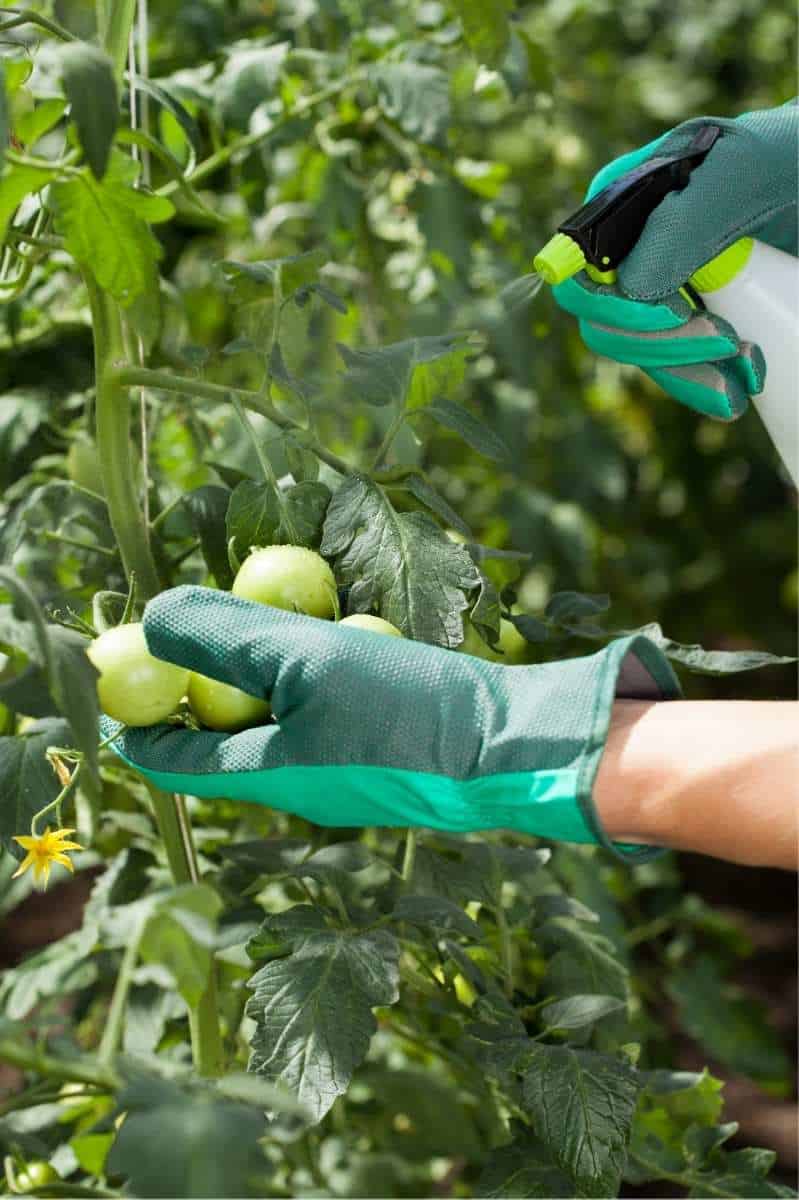
The best natural insect repellent for tomato plants is a combination of various approaches, including using essential oils, diatomaceous earth, and homemade sprays. One of the most effective natural methods is the use of neem oil due to its wide range of benefits in pest control.
1. Neem Oil
Neem oil is derived from the seeds of the neem tree and is known for its insect-repellent properties. It disrupts the life cycle of insects, making it an effective solution against a variety of pests that affect tomato plants.
- Pest Control: Neem oil targets aphids, spider mites, and whiteflies, preventing them from reproducing.
- Growth Regulation: It acts as a growth regulator, inhibiting the development of larvae, which ultimately reduces pest populations.
- Fungi Prevention: Besides repelling insects, neem oil can also help prevent fungal diseases.
2. Essential Oils
Essential oils such as peppermint, rosemary, and lavender can serve as effective insect repellents when diluted and sprayed on tomato plants. These oils contain compounds that many insects find unappealing.
- Peppermint Oil: Its strong scent repels a variety of pests, including aphids and thrips.
- Rosemary Oil: Known for its anti-fungal properties, it also deters pests like cabbage moths.
- Lavender Oil: This oil not only repels insects but also attracts beneficial pollinators.
3. Diatomaceous Earth
Diatomaceous earth (DE) is a natural powder that consists of fossilized aquatic organisms. It is used effectively as a mechanical insect repellent.
- Physical Barrier: When pests come into contact with DE, it damages their exoskeletons, leading to dehydration and death.
- Non-Toxic: DE is safe to use around plants, pets, and humans, making it an ideal choice for organic gardening.
- Easy Application: It can be easily sprinkled around the base of plants and reapplied after rainfall.
4. Soap Spray
A simple mix of water and mild soap can create an effective natural insecticide. This solution suffocates soft-bodied insects like aphids and spider mites.
- Easy to Prepare: Just mix a few drops of liquid soap with water and spray directly on affected plants.
- Fast Action: Soap spray acts quickly, often showing results within hours of application.
- Non-Residual: Unlike chemical insecticides, soap sprays do not leave harmful residues on edible plants.
5. Companion Planting
Companion planting involves growing certain plants alongside tomato plants that naturally repel pests or attract beneficial insects.
- Basil: Known to repel flies and mosquitoes while also enhancing the flavor of tomatoes.
- Marigolds: They emit a scent that can deter nematodes and other harmful insects.
- Nasturtiums: These attract aphids, keeping them away from tomato plants.
Questions from Our Readers
What natural sprays can I use on tomato plants to repel bugs?
For controlling pests on tomato plants, natural sprays like neem oil, dish soap diluted in water, or a garlic spray are effective options. These solutions help deter common pests without harming the plants or beneficial insects, ensuring a healthier garden environment.
Are there any commercial insecticides safe for tomato plants?
Yes, there are several commercial insecticides that are specifically formulated to be safe for use on tomato plants. Look for products containing pyrethrin or insecticidal soap, which are effective against a variety of pests while being gentle on the plants.
How often should I spray my tomato plants for bug protection?
It is generally recommended to spray your tomato plants every 1 to 2 weeks for effective bug protection. However, if you notice a significant pest problem, you may need to spray more frequently to keep the bugs at bay.
See also:
Can companion planting help reduce bugs on tomato plants?
Absolutely! Companion planting is a beneficial practice that involves growing certain plants alongside tomatoes to naturally deter pests. For example, planting basil or marigolds near tomato plants can repel harmful insects and attract beneficial ones.

If you want to read more articles like Effective Solutions: What to Spray on Tomato Plants to Keep Bugs Away, we recommend you check out our Gardeners category.
Leave a Reply
Related Articles