Discover the Best Automatic Watering Systems for Gardens Australia: A Complete Guide
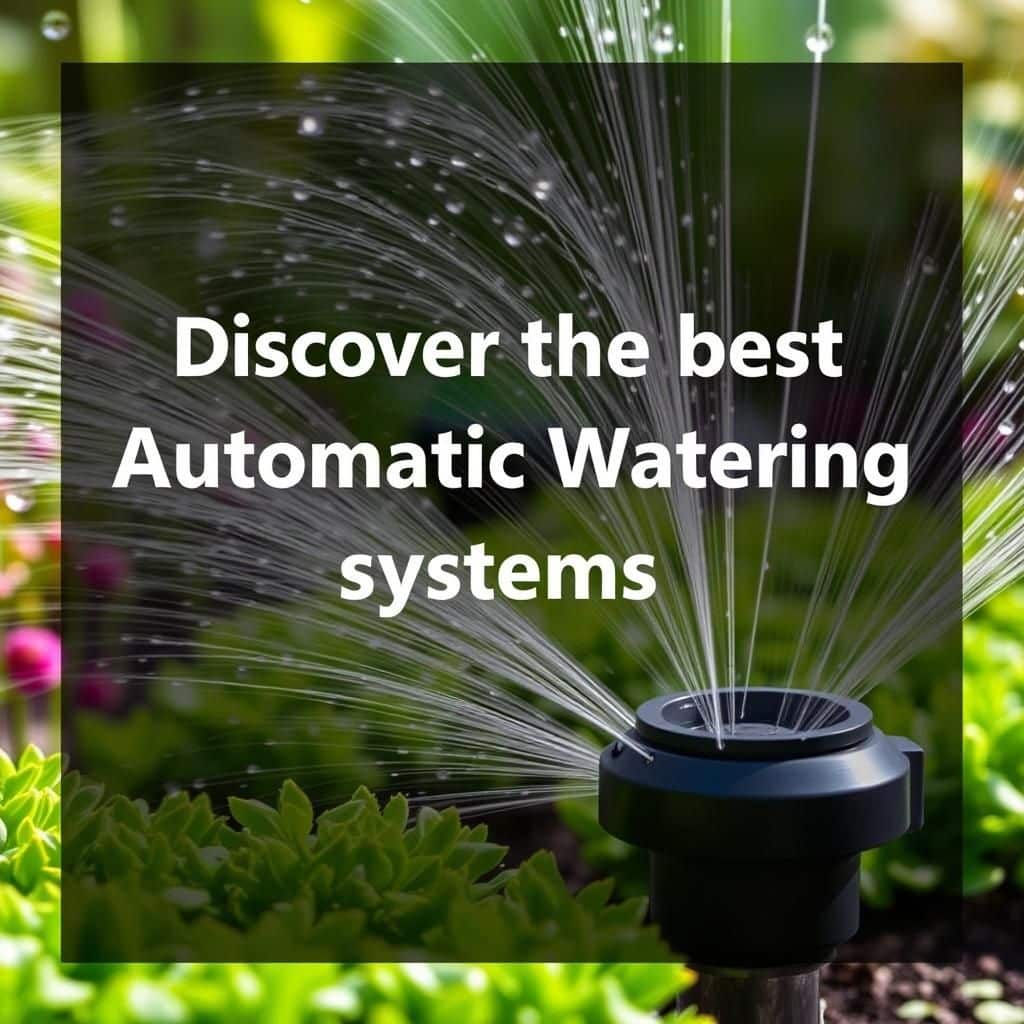
Maintaining a lush and healthy garden in Australia can be a challenging task, especially during the hot summer months. Automatic watering systems offer an efficient and convenient solution to ensure your plants receive consistent hydration. From drip irrigation to sprinkler systems, the right setup can save you time and resources while promoting optimal plant growth. In this complete guide, we will explore the best automatic watering systems available in Australia, highlighting their features, benefits, and how to choose the right one for your gardening needs. Whether you're a seasoned gardener or just starting out, this guide will help you keep your garden thriving.
Benefits of Automatic Watering Systems for Gardens in Australia
Automatic watering systems for gardens in Australia provide a highly efficient solution to maintaining healthy plants while conserving water resources. Given the country's unique climate challenges, including periods of intense heat and drought, these systems offer a reliable way to deliver the necessary hydration to gardens without the risk of over-watering or wastage. With options ranging from drip irrigation to soaker hoses and smart controllers, homeowners can customize their setups to suit their garden's needs. Additionally, these systems can be programmed for specific times of day, ensuring that the water is applied when it is most effective, thereby saving time and effort on manual watering.
Types of Automatic Watering Systems
There are several types of automatic watering systems that cater to different gardening needs in Australia. Drip irrigation systems are particularly popular as they deliver water directly to the base of plants, minimizing evaporation and runoff. Sprinkler systems, on the other hand, can cover larger areas and are suitable for lawns or gardens with a variety of plant types. Soaker hoses are another effective option, as they allow water to seep out slowly along their length, providing an even moisture level across the soil. Each system can be tailored to specific garden conditions, such as soil type and plant requirements.
Water Conservation Benefits
One of the significant advantages of using automatic watering systems in Australian gardens is their contribution to water conservation. By delivering precise amounts of water directly to the plants, these systems reduce waste and are especially beneficial in areas experiencing water restrictions. Furthermore, many modern systems include smart technology that can assess soil moisture levels, ensuring that watering occurs only when necessary. This not only conserves water but also helps to maintain a healthy garden environment, reducing the need for fertilizers and improving plant resilience to drought.
Installation and Maintenance
Installing an automatic watering system can be a straightforward process, but it is important to carefully plan the layout to maximize efficiency. Homeowners can either opt for professional installation or tackle the project themselves with readily available kits. Basic maintenance, such as checking for clogs and ensuring that timers are functioning correctly, is typically required to keep the system running smoothly. By regularly inspecting the system, homeowners can avoid potential issues such as over-watering or leaks that could lead to water wastage.
Smart Technology Integration
The integration of smart technology in automatic watering systems represents a significant advancement for garden care in Australia. These systems can be connected to weather sensors and smart devices, allowing them to adjust watering schedules based on current climate conditions. For instance, if rain is forecasted, the system can automatically delay or skip watering cycles, thereby conserving water and ensuring gardens receive optimal care without unnecessary effort. This technological innovation provides greater control over garden maintenance and ensures that plants thrive even during extreme weather conditions.
Cost vs. Benefits Analysis
While the initial installation of automatic watering systems may require a notable investment, the long-term benefits often outweigh the costs. Reduced water bills, lower maintenance efforts, and healthier plants contribute to overall cost savings for homeowners. Additionally, many systems are designed to last for years with minimal upkeep, making them a sustainable choice for garden enthusiasts. Considering the environmental benefits, such as water conservation and reduced chemical runoff, the financial aspect is just one part of the equation when evaluating the advantages of automatic watering systems.
| System Type | Benefits | Ideal For |
|---|---|---|
| Drip Irrigation | Reduces evaporation and runoff | Vegetable gardens and shrubs |
| Sprinkler Systems | Covers larger areas effectively | Lawn and flower beds |
| Soaker Hoses | Even moisture distribution | Flower gardens and rows of plants |
| Smart Controllers | Auto-adjusts based on weather | All garden types |
What is the best way to automate garden watering?

To automate garden watering efficiently, employing modern irrigation systems and technology is essential. The best approach involves using smart irrigation controllers that adjust the watering schedule based on weather patterns, soil moisture levels, and plant needs. Here are the detailed aspects to consider for effective automation:
1. Smart Irrigation Systems
Smart irrigation systems utilize sensors and controllers that manage water delivery precisely. These systems can be set up to water based on real-time data including rainfall and temperature.
- Weather responsiveness: Systems that connect to local weather stations can adjust watering schedules to prevent water waste during rain.
- Soil moisture sensors: These devices monitor the moisture at root level, allowing for watering only when necessary.
- Remote access: Many smart systems offer mobile apps that enable users to monitor and control watering from anywhere.
2. Drip Irrigation
Drip irrigation is one of the most efficient methods for automating garden watering. This technique delivers water directly to the plant roots, minimizing evaporation and runoff.
- Water conservation: By delivering water at the root zone, drip systems reduce waste and promote efficient water usage.
- Customizable layout: The system can be designed tailored to the specific needs of different plants in your garden.
- Less weed growth: Because water is delivered directly to the plants, fewer resources are available for weeds to thrive.
3. Sprinkler Systems
Automated sprinkler systems can be programmed to water at specific times, covering larger areas of the garden more evenly than manual methods.
- Coverage customization: Sprinklers can be adjusted to cover different areas based on plant types and water requirements.
- Timer functionality: With programmable timers, you can set specific watering times to match the garden’s needs throughout different seasons.
- Rain sensors: These sensors can automatically shut off the system during precipitation, saving water.
4. Rainwater Harvesting
Incorporating rainwater harvesting systems can further enhance the sustainability of your garden watering automation.
See also:
- Collecting rainwater: These systems capture and store rainwater for use in your irrigation system, reducing reliance on municipal water.
- Eco-friendly: Utilizing rainwater is a sustainable practice that helps conserve resources.
- Cost-effective: Reducing the use of treated water can lead to lower utility bills over time.
5. Controlled Release Fertilizer Systems
Combining automated watering with controlled release fertilization can optimize plant health and growth.
- Fertilizer integration: Some systems can be set up to dispense fertilizers alongside water, providing nutrients right when the plants need them.
- Consistent feeding: Controlled release methods ensure that plants receive an even supply of nutrients over time.
- Reduced labor: Automating both watering and fertilization reduces the need for manual intervention.
What are the disadvantages of an automatic watering system?

The disadvantages of an automatic watering system can significantly impact the effectiveness and efficiency of irrigation practices. While these systems offer many advantages, there are several drawbacks that users should consider.
Initial Cost
The initial cost of setting up an automatic watering system can be quite high. This includes the purchasing of equipment, installation fees, and potential landscaping alterations to accommodate the system. A few considerations regarding the cost are:
- Equipment Expenses: The cost of pumps, timers, sensors, and irrigation lines can add up.
- Installation Costs: Professional installation may be necessary, especially for complex systems.
- Maintenance and Repair: Ongoing maintenance and potential repairs can lead to additional unexpected costs.
Dependence on Technology
Another disadvantage is the dependence on technology. Automatic watering systems rely on electrical components and software, making them susceptible to failures. Key concerns include:
- System Failures: Mechanical or electrical failure can lead to water being either over-applied or completely cut off.
- Software Glitches: Bugs in the software can disrupt the irrigation schedule.
- Power Outages: Loss of power can stop the system from functioning, causing plants to suffer.
Water Waste
Despite their intention to conserve water, automatic systems can sometimes result in water waste. This can occur due to several factors, including:
- Overwatering: Programmed schedules may not account for natural rainfall, leading to overwatering.
- Leaks and Malfunctions: Broken or leaking hoses can result in substantial water loss.
- Inappropriate Timing: If the system waters at peak evaporation times, it reduces efficiency.
Lack of Customization
An automatic watering system might not be easily customizable to meet specific plant needs. This lack of customization can lead to varied results, as illustrated by:
- Uniform Scheduling: Many systems use a one-size-fits-all approach that may not cater to different plant types or soil conditions.
- Static Settings: Without regular adjustments, the system might not adapt to changing weather, seasons, or plant growth.
- Elevation and Terrain Variability: In hilly or uneven terrains, a generic system may fail to deliver water uniformly.
Maintenance Requirements
Automatic watering systems require ongoing maintenance to operate efficiently. Neglecting maintenance can lead to numerous issues, such as:
- Clogged Emitters: Debris can block emitters, resulting in uneven watering.
- Seasonal Preparations: Systems may need winterizing or adjustments for different seasons.
- Regular Inspections: Routine checks are essential to detect leaks, malfunctions, or needed repairs.
What is the best automatic watering system?
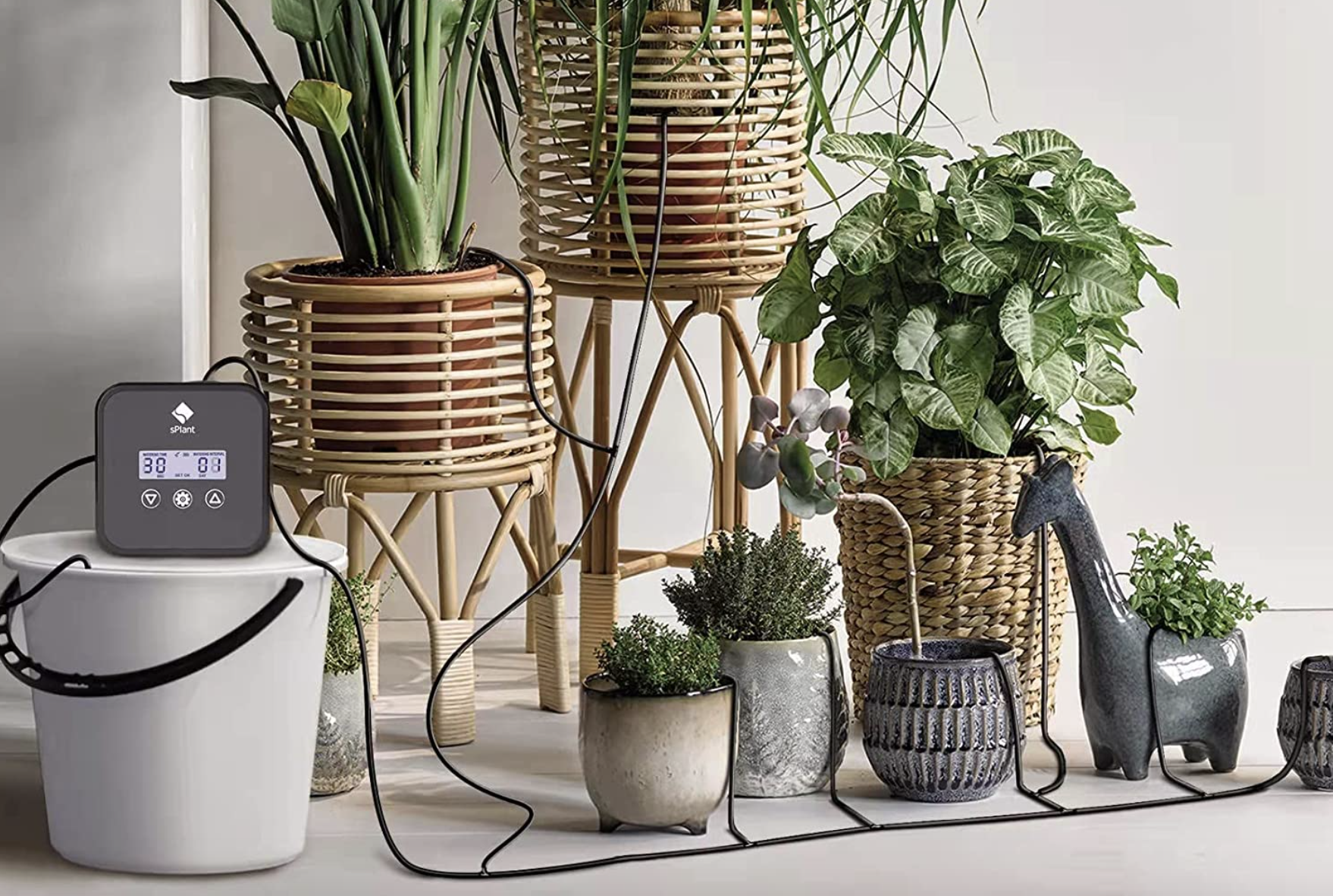
The best automatic watering system can depend on several factors, including the size of your garden, the types of plants you're watering, and your budget. However, one of the most highly regarded systems currently on the market is the Rain Bird automatic irrigation system. It offers a variety of components, including controllers, valves, and drip irrigation kits that cater to different irrigation needs.
Benefits of Automatic Watering Systems
Automatic watering systems provide numerous advantages for gardeners and homeowners.
- Convenience: These systems can be set to specific schedules, freeing you from the labor of manual watering.
- Water Efficiency: They minimize water waste by delivering the right amount to the right places, making them eco-friendly.
- Consistent Hydration: Plants receive a steady supply of water, promoting healthier growth and reducing stress during drought conditions.
Types of Automatic Watering Systems
When considering an automatic watering system, it's important to understand the different types available to find what works best for your needs.
- Drip Irrigation: Delivers water directly to the roots of plants, reducing evaporation and runoff.
- Sprinkler Systems: Ideal for larger areas, these systems distribute water through a network of pipes and sprinkler heads.
- Soaker Hoses: Porous hoses that allow water to seep out slowly along their length, best for garden beds and borders.
Factors to Consider When Choosing a System
Choosing the right automatic watering system involves evaluating several key factors that may affect performance and efficiency.
See also:
- Garden Size: Larger gardens may require more complex systems, while small spaces could use simpler setups.
- Water Source: Ensure you have adequate water supply and pressure to operate the system effectively.
- Plant Types: Different plants have varying water needs. Choose a system that can cater to these differences.
Installation and Maintenance
Proper installation and ongoing maintenance are crucial for the longevity and effectiveness of your automatic watering system.
- Setup Complexity: Some systems are easy to install by yourself, while others may require professional assistance.
- Regular Checks: Inspect your system regularly for clogs, leaks, and adjustments to ensure it operates efficiently.
- Seasonal Adjustments: Change watering schedules based on the weather and plant growth stages to optimize water use.
Popular Brands of Automatic Watering Systems
Several brands have established a reputation for quality and reliability in the automatic watering market.
- Rain Bird: Known for a wide variety of efficient irrigation solutions suitable for various landscapes.
- Orbit: Offers systems that provide ease of use and programmable options for different watering needs.
- Gardena: A popular choice for garden watering solutions, offering innovative technology and user-friendly designs.
What is the downside of using drip irrigation?

The downside of using drip irrigation encompasses various factors that can impact the efficiency, cost, and effectiveness of agricultural practices. While drip irrigation is widely recognized for its water-saving benefits and targeted irrigation capabilities, it is essential to consider the potential negative aspects.
Initial Installation Costs
Drip irrigation systems often require a significant initial investment for installation. This includes expenses related to the purchase of tubing, emitters, and other necessary components. The cost can be a barrier for small-scale farmers or those with limited budgets.
- Equipment Costs: The prices of components can add up quickly.
- Labor for Installation: Professional installation may be required, increasing expenses.
- Maintenance Tools: Additional tools may be needed for effective system upkeep.
Maintenance Requirements
Drip irrigation systems require regular maintenance to function optimally. Clogging of emitters due to sediment, algae, or other debris can hinder water delivery to the plants.
- Regular Checks: Emitters need to be inspected frequently.
- Flush System: Regular flushing of the system is essential to prevent blockages.
- Pest Control: Monitoring for pests that may inhabit the system is necessary.
Water Quality Dependency
The efficiency of drip irrigation is highly dependent on water quality. Poor quality water that contains high levels of salinity or nutrients can lead to emitter clogging and damage to plants.
- Salinity Tests: Regular water testing for salinity is needed.
- Chemical Treatments: Additional treatments may be required to improve water quality.
- Impact on Plant Health: Poor water quality can affect crop yields.
Limited Coverage Area
Drip irrigation systems are designed to deliver water directly to the root zone, which can limit the area that receives water. This can be a disadvantage in crop fields with irregular layouts or for crops with extensive root systems.
- Uneven Growth: Areas outside the drip zone may experience stunted growth.
- Field Design Challenges: Crops with varying growth patterns may need modifications.
- Adaptation Needs: Farmers may need to adapt their approach based on crop type.
Potential for Overwatering
While drip irrigation is efficient, there can be situations that lead to overwatering, particularly if the system is not well-managed. This can result in root rot and other related problems.
- Soil Saturation: Risk of saturating soil if not monitored properly.
- Water Application Rates: Miscalculation of application rates can lead to issues.
- Monitoring Systems: Additional monitoring tools may be required to prevent overwatering.
Questions from Our Readers
What are automatic watering systems for gardens?
Automatic watering systems for gardens are irrigation solutions designed to water plants and lawns without manual intervention. These systems can include drip irrigation, sprinklers, and soaker hoses, which are timed and programmed to deliver the right amount of water at specific intervals, ensuring that your garden remains healthy and hydrated.
How do I choose the right automatic watering system for my garden?
Choosing the right automatic watering system involves considering factors such as the size of your garden, the types of plants you have, and the water pressure available. It's important to evaluate whether you need a drip system for precise watering or a sprinkler system for larger areas, and to ensure the system is suitable for the climate in Australia.
Can I install an automatic watering system myself?
Yes, many automatic watering systems can be installed by homeowners themselves, especially simpler systems such as drip irrigation kits. However, for more complex systems that require plumbing knowledge or electrical connections, it may be advisable to hire a professional to ensure proper installation and functionality.
What maintenance do automatic watering systems require?
Automatic watering systems require regular maintenance to ensure they function effectively. This includes checking for clogs in the drip lines or sprinklers, inspecting for leaks, and adjusting the timing and duration of watering based on seasonal changes. Regular maintenance will help prevent issues and extend the lifespan of the system.
See also:

If you want to read more articles like Discover the Best Automatic Watering Systems for Gardens Australia: A Complete Guide, we recommend you check out our Irrigation category.
Leave a Reply
Related Articles