The Best Fast Growing Australian Native Trees for Privacy: Top Choices for Your Landscape
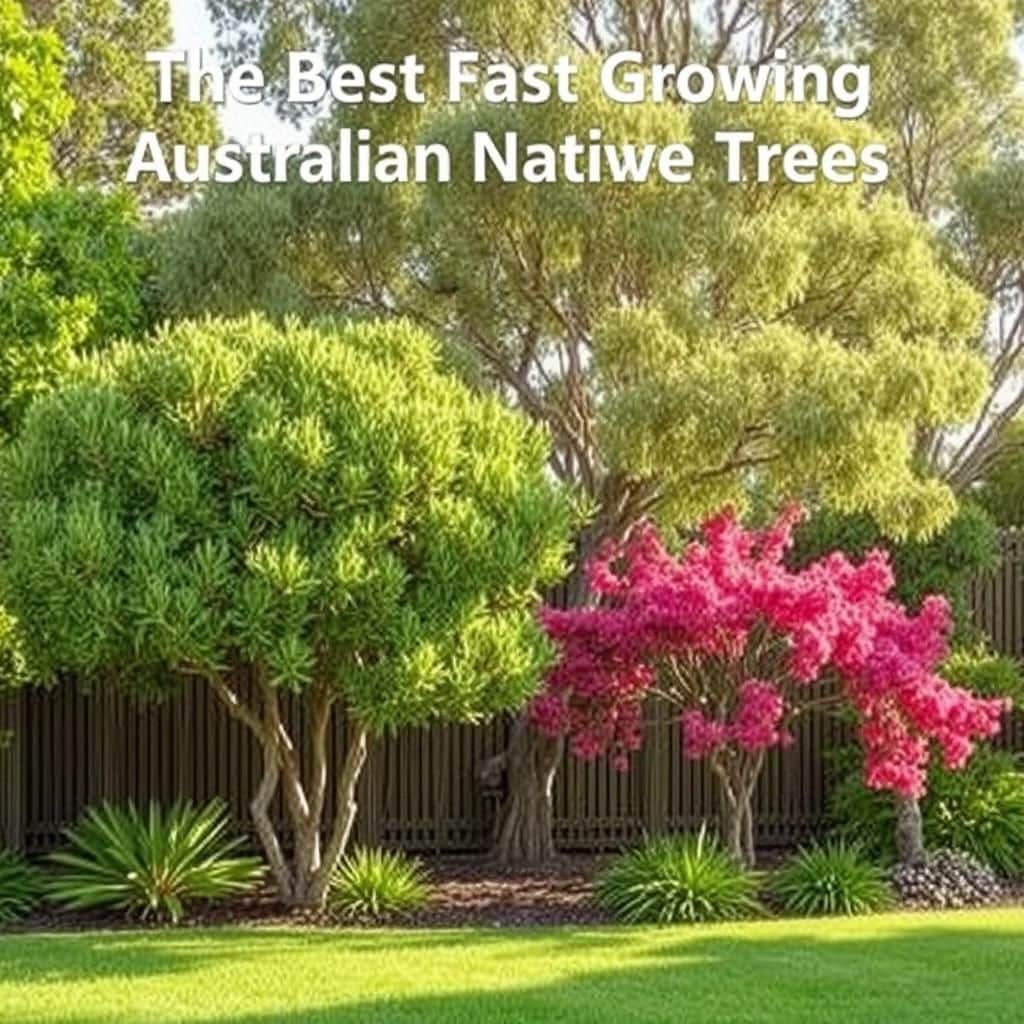
When it comes to creating a private oasis in your landscape, choosing the right trees is essential. Fast-growing Australian native trees not only provide rapid coverage but also create a lush and vibrant environment. With their unique adaptations, these trees can thrive in various conditions while adding value and beauty to your property. In this article, we will explore the best choices for fast-growing native trees that offer both privacy and aesthetic appeal. Discover how these remarkable species can enhance your outdoor space, providing shelter from noise and prying eyes while contributing to the ecological balance of your garden.
Fast Growing Australian Native Trees for Privacy
Australian native trees offer an ideal solution for enhancing privacy in gardens and outdoor spaces. Many of these species not only grow rapidly but also provide a lush and dense canopy that can effectively block out unwanted views and noise. For example, trees like the Lilly Pilly and Callistemon not only provide visual barriers but also attract local wildlife, enriching the ecological balance of your backyard. By choosing fast-growing natives, homeowners can establish a natural screen within a few short years, making these trees an excellent alternative to traditional fences or walls.
Lilly Pilly (Syzygium species)
The Lilly Pilly is a popular choice for those seeking a fast-growing screening option. This tree can grow up to 10 meters in height and features dense foliage that creates a thick barrier. Additionally, its attractive flowers and edible berries make it not only functional but also beautiful. The variety of cultivars available allows homeowners to choose sizes and colors that best suit their landscape design needs.
Callistemon (Bottlebrush)
The Callistemon, commonly known as the Bottlebrush, is another excellent privacy tree. It can grow rapidly, reaching heights of up to 5 to 10 meters. Its distinctive flowering spikes attract nectar-loving birds, which can enhance the garden's appeal. The dense branch structure provides an effective screen while also contributing to the overall biodiversity of the area.
Acacia (Wattles)
Acacias, or Wattles, are renowned for their fast growth and resilience. These trees can grow up to 10 meters and often feature feathery foliage. They are particularly well-suited for a variety of soil types and climatic conditions, making them a versatile choice for privacy. Their beautiful yellow flowers can brighten up the landscape while providing a thick cover that shields against prying eyes.
Melaleuca (Tea Tree)
Melaleuca, commonly referred to as Tea Trees, are fast-growing, hardy trees that can reach heights of 8 to 10 meters. Their dense foliage creates an excellent privacy screen while also requiring minimal maintenance. Additionally, Melaleuca species are known for their adaptability to wet conditions, making them ideal for gardens prone to waterlogging.
Grevillea (Spider Flower)
The Grevillea family is known for its stunning flowers and fast growth rates, with some species reaching heights of up to 6 to 10 meters. These trees not only provide privacy with their dense canopy but also attract a variety of pollinators, enhancing the ecosystem in your garden. The diverse range of flower colors and textures adds visual interest while serving the functional purpose of a privacy screen.
| Tree Species | Height | Flowering | Wildlife Attraction |
|---|---|---|---|
| Lilly Pilly | Up to 10m | Yes | Birds |
| Callistemon | 5 to 10m | Yes | Birds, Bees |
| Acacia | Up to 10m | Yes | Pollinators |
| Melaleuca | 8 to 10m | Yes | Birds, Insects |
| Grevillea | 6 to 10m | Yes | Birds, Bees |
What is the fastest growing native Australian tree?
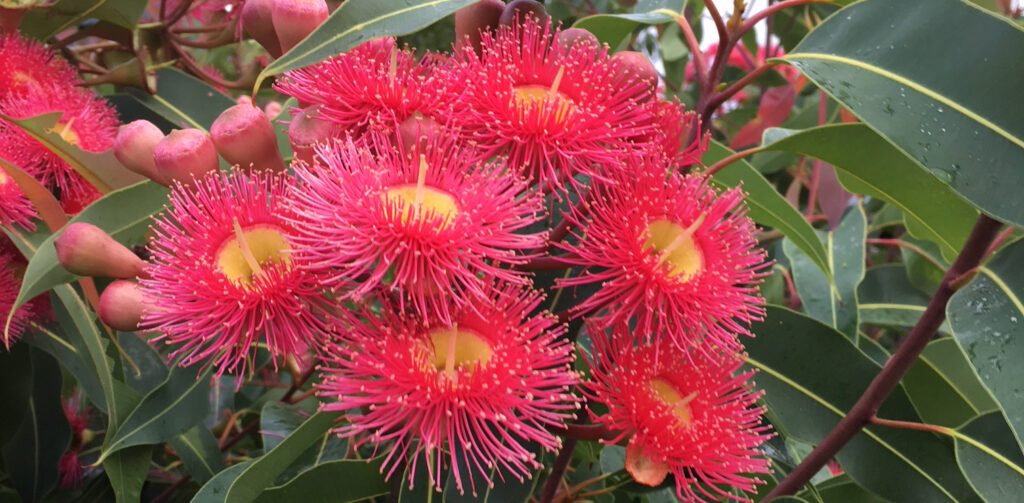
The fastest growing native Australian tree is the Eucalyptus saligna, commonly known as the Sydney Blue Gum. This species is notable for its incredible growth rate, which can be up to 3 meters (approximately 10 feet) per year under optimal conditions. Eucalyptus saligna is prized not only for its swift growth but also for its beautiful foliage and the habitat it provides for various wildlife species.
Characteristics of Eucalyptus saligna
Eucalyptus saligna is a large tree that can grow up to 50 meters (around 164 feet) tall. It has a straight trunk with smooth bark that peels in large strips, revealing a pale, creamy layer underneath. The leaves are long and lance-shaped, providing a lush canopy that is extremely attractive. Its essential characteristics include:
- Height: Can reach impressive heights, making it suitable for timber production and landscaping.
- Bark: Smooth bark that changes color, adding aesthetic value to landscapes.
- Leaves: The foliage is not only appealing but also essential for local wildlife.
Growth Conditions for Eucalyptus saligna
To achieve optimal growth, Eucalyptus saligna requires full sunlight and well-drained soil. It thrives in various soil types, including sandy and clay soils, but prefers those that are rich in nutrients. The ideal conditions for its growth include:
- Soil: Good drainage is crucial to prevent waterlogging.
- Sunlight: Requires full sun for the majority of the day.
- Water: Although it is drought-tolerant, regular watering promotes faster growth during its early years.
Ecological Importance of Eucalyptus saligna
Eucalyptus saligna plays a vital role in the ecosystem, providing habitat and food for a wide range of birds, insects, and mammals. Its significance includes:
- Wildlife Habitat: Serves as a nesting and foraging site for birds like cockatoos and koalas.
- Pollen Source: The flowers attract bees and other pollinators critical for biodiversity.
- Soil Stabilization: The root system helps prevent soil erosion, contributing to land health.
Uses of Eucalyptus saligna
Due to its rapid growth and durable timber, Eucalyptus saligna is used in various applications. Its uses are notable in several domains:
See also:
- Timber Production: The wood is sought for furniture, flooring, and construction due to its strength.
- Landscaping: Often planted in parks and large gardens for shade and ornamental purposes.
- Research: Studied for its growth characteristics and potential for reforestation projects.
Challenges in Cultivating Eucalyptus saligna
While Eucalyptus saligna is relatively easy to grow, some challenges may arise. Understanding these challenges is important for successful cultivation:
- Pests and Diseases: Vulnerable to various pests, including eucalyptus beetles, which may affect growth.
- Invasive Nature: In some regions, it can be invasive and outcompete native plants.
- Water Requirements: Needs sufficient water during the establishment phase to ensure healthy growth.
What are the best Australian native screening trees?
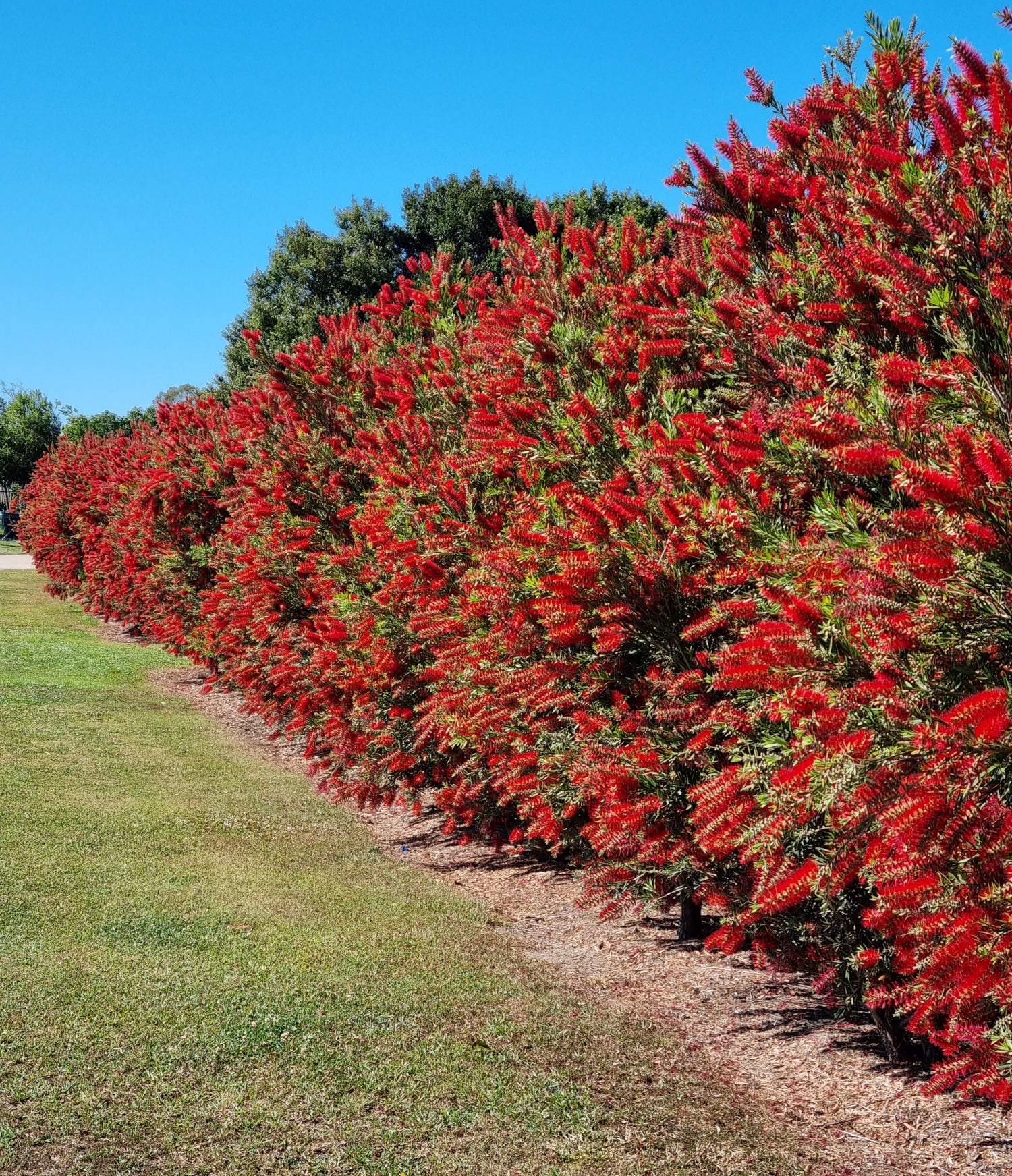
The best Australian native screening trees offer not only aesthetic appeal but also environmental benefits. These trees can provide privacy, reduce noise, and serve as habitats for local wildlife. Here are some of the top options for screening trees native to Australia:
Eucalyptus grandis (Flooded Gum)
Eucalyptus grandis, commonly known as the Flooded Gum, is a fast-growing tree with a potential height of 50 meters. Known for its straight trunk and smooth bark, it is popular for providing quick screening. This tree thrives in a range of soil types and is suited for warmer climates.
- Fast growth rate, making it ideal for immediate screening needs.
- Good for wildlife, attracting birds and insects.
- Provides excellent shade due to its dense foliage.
Melaleuca quinquenervia (Broad-leaved Paperbark)
Melaleuca quinquenervia, or the Broad-leaved Paperbark, is known for its distinctive peeling bark and dense foliage. This tree can grow up to 20 meters and is excellent for wet areas or as a floodplain tree, making it suitable for many environments.
- Ability to thrive in waterlogged conditions.
- Attracts a variety of birds and insects.
- Serves as a natural windbreak due to its bushy structure.
Callistemon citrinus (Lemon Bottlebrush)
Callistemon citrinus, or Lemon Bottlebrush, is a shrub or small tree that can reach heights of up to 8 meters. Its vibrant red flowers are a striking feature, and it is quite attractive to nectar-feeding birds, making it a great choice for aesthetic screening.
- Provides seasonal blooms that enhance landscape appeal.
- Rich in nectar, attracting birds and butterflies.
- Drought-tolerant once established, requiring minimal maintenance.
Acacia dealbata (Mimosa)
Acacia dealbata, commonly known as Mimosa, is a fast-growing tree that can reach up to 25 meters. Known for its vibrant yellow flowers in winter and early spring, it provides excellent screening throughout the year.
- Fast growth, offering immediate cover.
- Highly adaptable to varying soil conditions.
- Fixes nitrogen in the soil, improving soil health.
Grevillea robusta (Silky Oak)
Grevillea robusta, or Silky Oak, can grow up to 30 meters tall and features distinctive fern-like leaves and clusters of orange-yellow flowers. It provides excellent screening while also being a significant habitat for wildlife.
- Attractive foliage and flowers enhance property aesthetics.
- Supports a variety of birds and beneficial insects.
- Well-suited for coastal environments, as it is salt tolerant.
What is the fastest growing screening plant in Australia?
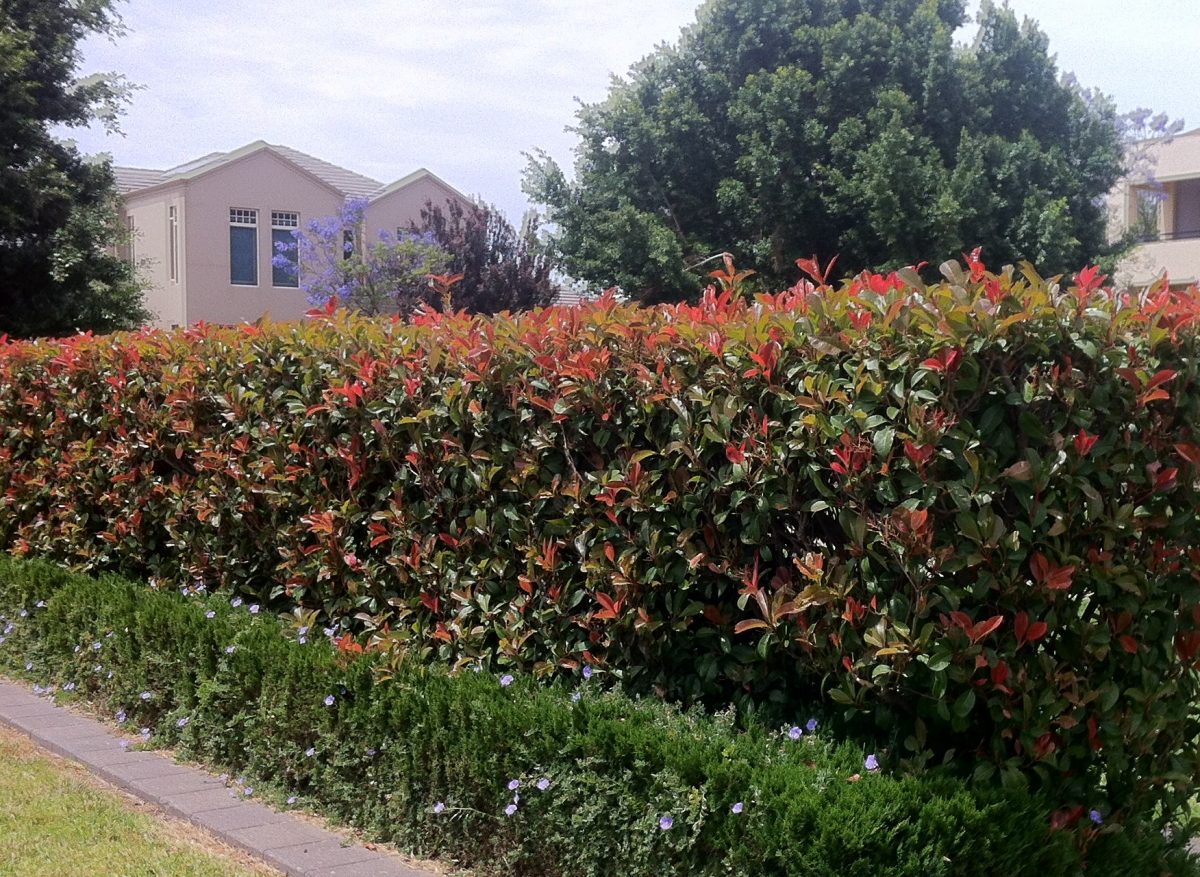
The fastest growing screening plant in Australia is the Giant Reed (Arundo donax). This robust plant is known for its ability to thrive in a variety of environments, making it a popular choice for both erosion control and landscaping. The Giant Reed can grow up to 7 meters in height within a single growing season, reaching maturity swiftly, which makes it an excellent option for rapid screening purposes. Additionally, it has a high tolerance for drought and poor soil conditions, further contributing to its usefulness in Australian landscapes.
Characteristics of Giant Reed
The Giant Reed possesses several key characteristics that aid its rapid growth and adaptability:
- Height: It can grow up to 7 meters tall, providing quick and effective screening.
- Clumping Habit: Forms dense clumps that create an excellent privacy barrier.
- Fast Growth Rate: Capable of growing several meters in just one season.
Benefits of Using Giant Reed for Screening
There are multiple benefits to incorporating Giant Reed into landscaping for screening purposes:
- Privacy: Its tall and dense structure offers a natural privacy screen.
- Noise Reduction: The thick foliage helps reduce noise from nearby roads or urban areas.
- Wind Protection: Acts as a windbreak, shielding areas from strong winds.
Ideal Growing Conditions
To achieve optimal growth, Giant Reed thrives under specific conditions:
See also:
- Sunlight: Prefers full sunlight but can tolerate partial shade.
- Soil Type: Adaptive to various soil types, including sandy and clay-rich soils.
- Water Needs: Does well in moist environments and can tolerate temporary flooding.
Maintenance Requirements
Despite its fast growth, maintaining Giant Reed is relatively straightforward:
- Regular Pruning: Prune in early spring to promote healthy growth and maintain desired height.
- Watering: Ensure adequate moisture, especially during initial establishment.
- Pest Management: Generally pest-resistant, but monitor for any signs of disease or infestation.
Potential Drawbacks and Considerations
While Giant Reed has many advantages, there are also some considerations to keep in mind:
- Invasiveness: It can become invasive in some regions, so monitoring growth is crucial.
- Control Measures: Requires careful management to prevent it from spreading uncontrollably.
- Fire Risk: Dry plant material can pose a fire hazard if not managed properly.
What fast growing trees block out Neighbours?
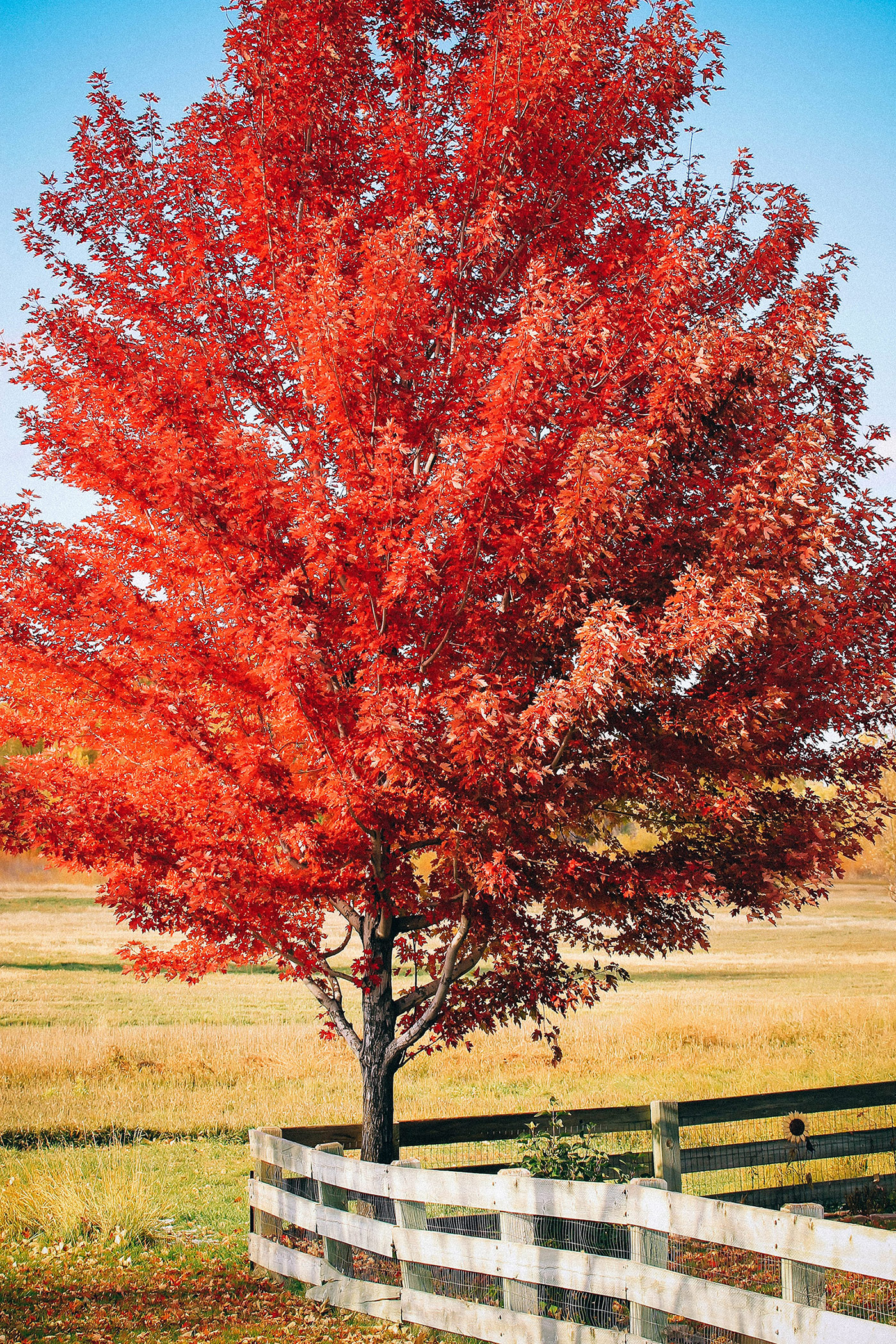
When selecting fast-growing trees to create privacy and block out neighbors, it's essential to consider species that not only grow quickly but also thrive in your specific climate and soil conditions. Here are some excellent choices:
1. Leyland Cypress
Leyland Cypress is a popular choice for providing quick privacy. This evergreen tree can grow up to 3-4 feet per year, making it one of the fastest-growing privacy trees available. Leyland Cypress can reach a height of 60-70 feet and forms a dense, tall screen that effectively blocks views.
- Fast Growth: Can grow 3-4 feet annually.
- Height: Reaches 60-70 feet, providing excellent privacy.
- Dense Foliage: Creates a thick barrier against sight lines.
2. Green Giant Arborvitae
Green Giant Arborvitae is another excellent option known for its rapid growth rate, typically reaching about 3-5 feet per year. This tree can grow up to 50-60 feet tall, offering substantial coverage and a lush green appearance throughout the year.
- Rapid Growth: Grows between 3-5 feet annually.
- Impressive Height: Can achieve heights of 50-60 feet.
- Year-Round Foliage: Stays green all year, enhancing privacy.
3. Thuja Smaragd (Emerald Green Arborvitae)
Thuja Smaragd, also known as Emerald Green Arborvitae, is known for its narrow, pyramidal shape and dense foliage. It grows about 12-15 inches per year and can reach heights of around 12-15 feet, making it ideal for small spaces while still providing ample privacy.
- Narrow Shape: Suitable for limited spaces.
- Moderate Growth: Grows 12-15 inches annually.
- Privacy: Thick foliage provides a good screen.
4. Lombardy Poplar
The Lombardy Poplar is a deciduous tree known for its exceptional height and rapid growth. Growing up to 6 feet a year, it can reach heights of 50-60 feet quickly. Its columnar shape makes it a popular choice for creating tall, narrow privacy screens.
- Fast Growth: Can grow up to 6 feet a year.
- Height: Reaches 50-60 feet, providing substantial privacy.
- Columnar Shape: Perfect for narrow spaces.
5. Hybrid Willow
The Hybrid Willow is a fast-growing tree capable of adding up to 10 feet of height per year. It quickly grows to 30-50 feet tall and is ideally suited for wet areas. Its dense foliage makes it effective at blocking out neighbor views almost immediately.
- Rapid Growth Rate: Adds up to 10 feet a year.
- Height: Reaches between 30-50 feet.
- Ideal for Wet Areas: Thrives in moist conditions, enhancing growth.
Questions from Our Readers
What are the best fast-growing Australian native trees for privacy?
Some of the best fast-growing Australian native trees for privacy include the Lilly Pilly, Acacia, and Grevillea. These trees not only grow quickly but also provide dense foliage, making them ideal for creating a screen in your garden.
How long does it take for these trees to provide effective privacy?
Typically, you can expect these fast-growing native trees to reach a significant height within 3 to 5 years, offering effective privacy. Growth rates may vary based on conditions such as soil quality, sunlight, and water availability.
Are fast-growing native trees suitable for small gardens?
Yes, many fast-growing Australian native trees are suitable for small gardens. Variants like the Myoporum and Callistemon can be managed to maintain their size while still providing the desired privacy without overwhelming your space.
What care do fast-growing native trees require for optimal growth?
To ensure optimal growth of your fast-growing native trees, they often require good drainage, regular watering (especially during dry periods), and occasional pruning to maintain their shape and health. Proper care can enhance their privacy benefits in your landscape.
See also:

If you want to read more articles like The Best Fast Growing Australian Native Trees for Privacy: Top Choices for Your Landscape, we recommend you check out our Landscaping category.
Leave a Reply
Related Articles