How do you grow zucchini vertically in Australia? A Complete Guide for Gardeners

Zucchini is a versatile and popular vegetable among Australian gardeners, but limited space can often pose a challenge. Growing zucchini vertically not only maximizes your garden area but also promotes healthier plants and easier harvesting. This complete guide will walk you through essential techniques for cultivating zucchini upward, including proper support structures, sunlight requirements, and watering tips. Whether you're a seasoned gardener or a novice, you'll find practical advice to help you successfully grow this delicious vegetable in an efficient and space-saving manner. Dive into the world of vertical gardening and discover the benefits of growing zucchini in your backyard.
How to Grow Zucchini Vertically in Australia
Growing zucchini vertically in Australia is an effective method to maximize space and improve air circulation, which helps in preventing diseases. To start, select a suitable variety of zucchini, such as Bush or Climbing types, and choose a location with full sun exposure. Prepare the soil by enriching it with compost and ensuring it drains well. Install a trellis or other support structure close to where the plants will grow, as zucchini tend to produce large leaves and heavy fruits. When the seedlings reach a height of about 20 centimeters, gently guide the vines onto the structure using ties for support, ensuring that they receive adequate nutrients and water throughout their growth cycle. Regular pruning and checking for pests will help maintain the health of the plants.
Choosing the Right Zucchini Variety
Selecting the right variety of zucchini is crucial for vertical gardening success in Australia. Opt for bush varieties that are more compact or climbing varieties that can easily be trained to grow upward. Some popular options include Zucchini Black and Cocozelle, both of which are known for their productivity in Australian climates. Make sure to check for local adaptability and disease resistance to ensure a bountiful harvest.
Preparing the Soil
Proper soil preparation is essential for growing zucchini vertically. Start by testing the soil pH, aiming for a slightly acidic to neutral range (6.0 to 7.0). Enrich the soil with well-rotted compost, which provides essential nutrients and improves the texture and drainage. Adding organic matter not only supports healthy growth but also helps retain moisture, which is crucial during Australia’s hot summers.
Setting Up the Support Structure
A sturdy support structure is necessary for vertical zucchini gardening. Install a trellis that is at least 1.5 to 2 meters tall. You can use materials such as wooden stakes, wire, or even fencing panels. Ensure the structure is secure enough to hold the weight of the plants as they grow. Position it early in the planting process so that the seedlings can easily climb as they mature without being disturbed.
Watering and Nutrient Needs
Providing adequate water and nutrients is critical for the vertical growth of zucchini. Regularly water your plants, ensuring the soil remains consistently moist but not waterlogged. During the growing season, a balanced fertilizer can enhance growth; applying it every few weeks will ensure your zucchini receives sufficient nutrients for strong development. Pay attention to leaf color and growth rate, as these can be indicators of nutrient deficiencies.
Pest Management
Pest management is vital to ensure a healthy zucchini crop. Common pests such as aphids, squash bugs, and caterpillars can harm your plants. Monitor your zucchini regularly for signs of infestation. Organic pest control methods like insecticidal soap or introducing beneficial insects, such as ladybugs, can help maintain the plant's health without harming the environment. Additionally, maintaining plant health through proper cultivation techniques can minimize pest problems.
| Aspect | Recommendation |
|---|---|
| Zucchini Variety | Choose bush or climbing types suitable for vertical growth. |
| Soil Preparation | Enrich with compost; pH between 6.0 and 7.0. |
| Support Structure | Install a sturdy trellis at least 1.5 meters tall. |
| Watering & Nutrients | Keep soil moist; use balanced fertilizer every few weeks. |
| Pest Management | Regular monitoring and use of organic controls. |
How do you train a zucchini to grow vertically?

To train a zucchini to grow vertically, you need to employ specific techniques that encourage the plant to adopt an upright growth habit. This method not only saves space but can also improve air circulation and reduce the risk of pests and diseases. Below are detailed steps and tips for successfully training your zucchini plants to grow vertically.
Choose the Right Variety
Selecting the appropriate zucchini variety is essential for vertical growth. Compact or bush varieties are often more suitable since they produce sturdier stems. When choosing, consider the following:
See also:
- Determine Space: Assess the amount of vertical space available in your garden.
- Plant type: Look for varieties specifically bred for trellising.
- Seed Source: Purchase seeds or seedlings from reputable suppliers that indicate suitability for vertical gardening.
Prepare a Support Structure
Before planting your zucchini, you need to create a solid support structure. This can be a trellis, cage, or other vertical framework. Key points include:
- Material Choice: Use sturdy materials like wood, metal, or strong plastic to withstand the weight of growing zucchini.
- Height and Width: Ensure the support is at least 5-6 feet tall and wide enough to accommodate the plant's growth habit.
- Placement: Position the support in a location that receives ample sunlight.
Planting Techniques
When planting, the method used will impact the success of vertical growth. Consider these planting techniques:
- Spacing: Space your zucchini plants appropriately (usually about 2-3 feet apart) to allow for adequate air circulation.
- Depth: Plant the seeds or seedlings at the recommended depth, usually around 1 inch deep.
- Watering: Water the plants thoroughly after planting to promote root establishment.
Guiding the Growth
As your zucchini plants grow, you must guide their growth towards the support structure. Steps to facilitate this include:
- Soft Ties: Use soft ties or strips of cloth to gently secure the main stem and leaf structures to the support.
- Pruning: Regularly prune any excess leaves or lateral shoots that may obstruct the upward growth.
- Positioning: Routinely check the plants and guide them to the structure as they grow taller.
Maintenance and Care
Caring for your vertically growing zucchini involves regular maintenance to ensure healthy growth. Important aspects include:
- Watering: Maintain a consistent watering schedule, making sure the soil remains moist but not soggy.
- Fertilizing: Use a balanced fertilizer to provide necessary nutrients, following the package instructions for application rates.
- Pest Control: Monitor the plants for pests and treat them promptly to prevent infestations.
Does a zucchini plant need a trellis?

Zucchini plants, scientifically known as Cucurbita pepo, do not necessarily need a trellis to grow; however, using one can significantly enhance the health and productivity of the plant. Zucchini is a type of summer squash that can sprawl out on the ground, which may cause several issues such as pest infestations and reduced air circulation. A trellis can help manage space in your garden and provide support for the plants.
Advantages of Using a Trellis for Zucchini
Using a trellis can offer numerous benefits for growing zucchini, making it a viable option for gardeners.
- Space-saving: A trellis allows zucchini plants to grow vertically, freeing up space on the ground for other crops.
- Better Air Circulation: Elevating zucchini off the ground can improve air circulation around the plant, reducing the risk of fungal diseases.
- Ease of Harvesting: Zucchini fruits are easier to reach and pick when the plant is grown on a trellis, reducing the chances of damaging the plant.
Types of Trellises Suitable for Zucchini
Choosing the right type of trellis can ensure the best growth for your zucchini plants.
- Grid Trellis: A horizontal and vertical grid structure provides ample support and is easy to construct.
- Arched Trellis: This type can create an interesting visual in the garden while supporting the zucchini above ground level.
- Panel Trellis: Using a flat panel can efficiently support multiple zucchini plants and is excellent for maximizing vertical space.
Challenges of Growing Zucchini on a Trellis
While there are benefits, there can also be challenges when using a trellis for zucchinis.
- Weight of Fruits: As zucchinis grow, they can become heavy and may require additional support to prevent the plant from breaking.
- Training Required: Zucchini vines need to be carefully trained to climb the trellis, which can be time-consuming and require regular attention.
- Harvest Timing: If not monitored closely, zucchinis can grow larger than desirable sizes if they are not harvested promptly.
Optimal Height for a Zucchini Trellis
The height of the trellis can significantly influence the plant's growth and fruit production.
See also:
- Recommended Height: A trellis should be at least 3 to 4 feet high to allow zucchini plants enough vertical space.
- Accessibility: Ensure that the height allows for easy access for pruning and harvesting.
- Adjustable Options: Consider adjustable trellises that can accommodate different growth stages of the zucchini plant.
Best Practices for Growing Zucchini on a Trellis
Implementing best practices can lead to a successful zucchini harvest.
- Regular Pruning: Trim excessive foliage to encourage better light penetration and air circulation.
- Use Soft Ties: When securing the vines, use soft ties to avoid damaging the plant.
- Fertilization: Provide adequate nutrients through fertilization to support the added stress of vertical growth.
What should not be planted near zucchini?
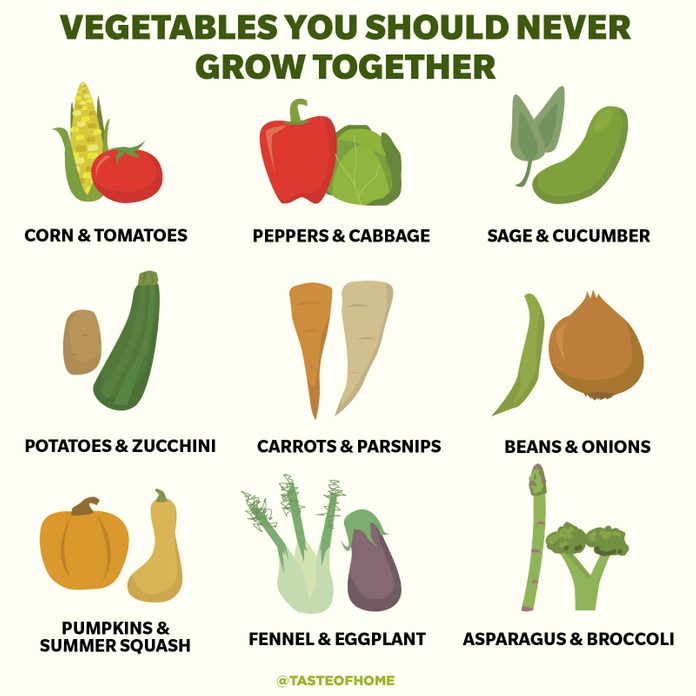
Zucchini is a popular summer squash, but its cultivation requires careful consideration regarding companion planting. Certain plants can negatively affect the growth and health of zucchini. Here are some plants that should not be planted near zucchini:
1. Cucumbers
Cucumbers and zucchini belong to the same family, Cucurbitaceae, which creates competition for nutrients, pests, and diseases. When planted together, they can increase the risk of pest attacks and can share similar fungal diseases which may harm both crops.
- Compete for water and nutrients.
- Increase vulnerability to pests like cucumber beetles.
- Heightened risk of fungal diseases like powdery mildew.
2. Potatoes
Potatoes and zucchini can lead to detrimental interactions. Potatoes require a different soil composition and moisture level, which can disrupt the growth patterns of zucchini if planted nearby.
- Potatoes can attract pests that also affect zucchini.
- Different nutrient needs can hinder optimal growth.
- Potential for competition for space and sunlight.
3. Melons
Like cucumbers, melons are in the Cucurbitaceae family. When planted close to zucchini, they may compete for resources, resulting in suboptimal growth for both plants.
- Increased competition for nutrients and water.
- Mutual susceptibility to pests and diseases.
- Potential crowding and shading issues.
4. Brassicas (Cabbage Family)
Brassicas, including cabbage, kale, and broccoli, are generally not good companions for zucchini. They can attract pests that can also harm zucchini plants and they may compete for nutrients.
- Brassicas can lure aphids, which may also target zucchini.
- Compete for similar nutrients, leading to poor growth.
- Different growth habits can create competition for space.
5. Sage
While sage is a beneficial herb for many plants, it can hinder the growth of zucchini. Strong aromatic herbs like sage can interfere with zucchini’s flavor and growth patterns.
- Sage can release compounds that inhibit zucchini growth.
- Potential competition for nutrients and space.
- May attract pests that negatively impact zucchini.
Questions from Our Readers
How do I start growing zucchini vertically?
To begin growing zucchini vertically, you should start by selecting an appropriate variety that is suitable for vertical growth. Choose a sturdy trellis or support structure to help guide the plants as they grow. When planting, ensure the seeds or seedlings have enough space and are positioned close to the support system to encourage upward growth.
What type of trellis is best for zucchini?
The best type of trellis for zucchini is one that provides strong support and allows for good air circulation. Options include A-frame, wire mesh, or vertical garden trellises. Make sure the trellis is at least 5 to 6 feet tall to accommodate the mature plants and their vining tendencies.
See also:
How often should I water vertically grown zucchini?
When growing zucchini vertically, it’s important to keep the soil consistently moist but not soggy. Typically, zucchini requires watering once a week, but this can vary based on climate and soil conditions. Always check the top inch of soil; if it feels dry, it’s time to water.
Do I need to prune zucchini plants growing vertically?
Yes, pruning is beneficial for vertically grown zucchini. It helps manage plant size, encourages better air circulation, and reduces the risk of disease. Focus on removing any dead or yellowing leaves, and if the plant becomes too bushy, trim back some of the side shoots to promote a healthier structure.

If you want to read more articles like How do you grow zucchini vertically in Australia? A Complete Guide for Gardeners, we recommend you check out our Gardeners category.
Leave a Reply
Related Articles