What Happens If You Put Artificial Grass on Dirt? A Comprehensive Guide to Installation and Maintenance

Artificial grass has become an increasingly popular choice for homeowners and landscapers looking to achieve a lush, green lawn with minimal upkeep. However, the process of installing artificial grass over dirt can raise several questions regarding durability, aesthetics, and maintenance. In this comprehensive guide, we will explore the implications of laying artificial grass on a dirt surface, addressing potential challenges such as drainage, leveling, and preparation. Whether you're considering this option for your backyard, garden, or play area, understanding the installation process and ongoing maintenance requirements is crucial for ensuring a long-lasting and visually appealing result.
What Are the Effects of Installing Artificial Grass Directly on Dirt?
When you install artificial grass directly on dirt, several consequences can arise. First and foremost, the underlying soil may lead to problems such as drainage issues and uneven surfaces. Without proper ground preparation, the artificial turf can become uneven over time as dirt compacts or moves, leading to bald spots or areas of wear. Additionally, dirt can harbor weeds or insects, which by breaking through the artificial grass can reduce its aesthetic and structural integrity. It's crucial to consider these factors to ensure a long-lasting and appealing installation.
Ground Preparation
Proper ground preparation is essential before laying artificial grass on dirt. This process typically involves clearing the area of debris and vegetation, followed by grading the surface to ensure a level workspace. If not done correctly, the dirt may shift over time, resulting in bumps and inconsistencies in the artificial surface. Proper compaction of the soil is also crucial to provide a firm base that prevents the fake grass from sinking or becoming uneven.
Drainage Considerations
One of the significant issues when placing artificial grass on dirt is related to drainage. If the soil underneath does not drain well, water can accumulate, leading to mud and a soggy lawn. This can contribute to the development of mold or mildew underneath the turf, which can be detrimental to its lifespan and hygiene. To mitigate these issues, it is advisable to include a drainage layer, such as gravel or sand, beneath the surface to enhance water flow and evaporation.
Weed Growth
Installing artificial grass directly on dirt may encourage weed growth. Without a proper barrier, weeds can find their way through the seams and gaps of the turf. This not only detracts from the appearance of the lawn but can also damage the artificial grass as the roots grow and exert pressure on the backing material. To prevent this, it’s recommended to use a combination of landscape fabric and herbicides to inhibit weed growth from the start.
Longevity and Maintenance
The longevity of artificial grass installed on dirt can be compromised due to various factors, including soil movement, drainage problems, and weed penetration. If poorly installed, the lifespan of the turf can significantly decrease. Regular maintenance, including brushing the grass and checking for signs of shifting, can help prolong its usefulness. However, these tasks may become more complicated if the turf is incorrectly placed on an unprepared surface.
Aesthetic Appeal
Aesthetically, laying artificial grass directly onto dirt can lead to a less appealing result. Natural dirt often varies in color and texture, which may be visible through the artificial grass over time. Furthermore, without proper leveling and compaction, the grass may look uneven or lumpy, detracting from your landscape's visual charm. For optimal beauty, ensuring a well-prepared base enhances the overall look of the artificial turf installation.
| Issue | Impact | Solution |
|---|---|---|
| Drainage Problems | Water accumulation | Create a drainage layer |
| Weed Growth | Visual decline and damage | Use landscape fabric |
| Soil Movement | Uneven surface | Proper compaction and grading |
| Aesthetic Appeal | Less attractive lawn | Proper installation techniques |
| Longevity Issues | Reduced lifespan | Regular maintenance |
Can I just lay artificial grass on dirt?
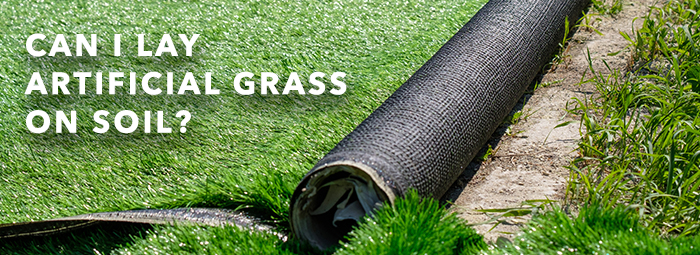
Laying artificial grass directly on dirt is possible, but it may lead to several issues if not done correctly. While it may seem like a straightforward solution, various factors need to be considered to ensure the longevity and effectiveness of your artificial lawn. Here’s a detailed overview of why this practice requires careful planning and execution.
Understanding the Ground Preparation
Before laying artificial grass, it's essential to prepare the ground adequately. The condition of the dirt can significantly affect the performance of the turf.
- Compaction: Dirt needs to be compacted to avoid shifting, which can lead to uneven surfaces over time.
- Weeds: If not treated, weeds may grow through the artificial grass, causing maintenance issues.
- Drainage: Proper drainage is crucial to prevent water accumulation, which can damage the grass and the underlying soil.
Advantages of Proper Base Layer
Installing a base layer beneath the artificial grass can enhance its performance and durability. A proper base layer can provide numerous benefits.
- Stability: A solid base layer helps maintain an even surface, preventing the grass from shifting or developing bumps.
- Drainage System: A base layer can facilitate better drainage, reducing the risk of water pooling and prolonging the lifespan of your turf.
- Comfort: The right base material provides cushioning, making the artificial grass feel more comfortable underfoot.
Potential Drawbacks of Laying on Dirt
While laying artificial grass directly on dirt is feasible, there are several drawbacks to this method that should be considered.
- Uneven Surface: Without proper leveling, dirt can create an uneven surface, leading to an unattractive lawn.
- Moisture Issues: Moisture retention in the soil can result in odors and potential mold growth under the turf.
- Installation Challenges: Installing turf on dirt can be more challenging, leading to a longer setup process and potential need for redesign.
Installation Process Recommendations
If you decide to lay artificial grass on dirt, following an appropriate installation process is crucial for achieving the best results.
See also:
- Clear Debris: Remove rocks, sticks, and other debris from the area where the grass will be laid.
- Compact the Soil: Use a plate compactor to compact the soil to provide a stable base for the grass.
- Install a Weed Barrier: Consider adding a weed barrier fabric to prevent weeds from penetrating the artificial grass.
Maintenance Tips for Artificial Grass on Dirt
Even after installation, maintaining artificial grass properly is necessary to prolong its life, especially when laid over dirt.
- Regular Cleaning: Use a broom or leaf blower to remove debris regularly from the turf surface.
- Check Drainage: Periodically assess the drainage system to ensure water flows properly and does not pool.
- Inspect for Damage: Regularly check for any wear and tear or shifting that may require immediate attention.
What is the cheapest way to lay artificial grass on dirt?
To lay artificial grass on dirt in the cheapest way, several steps and considerations must be taken into account to ensure the process is both cost-effective and efficient. Here’s a detailed guide to achieving this.
Choosing the Right Artificial Grass
Selecting the appropriate type of artificial grass is essential for both value and appearance. Look for budget-friendly options that do not compromise on quality.
- Material: Opt for grass made from polyethylene as it is often less expensive compared to nylon or polypropylene.
- Blade Height: Shorter blades generally cost less, and they also require less maintenance.
- UV Resistance: Ensure the grass has UV protection to avoid fading quickly, which may incur future replacement costs.
Preparing the Ground
Proper preparation of the dirt surface will ensure a longer-lasting installation. This step helps to avoid future complications such as uneven surfaces or drainage issues.
- Clearing Debris: Remove any rocks, weeds, and other debris from the area where the grass will be installed.
- Leveling the Surface: Use a rake to create an even surface, which minimizes bumps and depressions.
- Compaction: Compact the dirt using a tamper to provide a stable surface for the artificial grass.
Installing a Weed Barrier
To prevent weeds from growing up through the artificial grass, installing a weed barrier is both a budget-friendly and effective method.
- Choosing Material: Select an affordable landscape fabric that allows water to drain while blocking weed growth.
- Cutting to Fit: Cut the fabric to fit the area, ensuring to cover the entire surface under the artificial grass.
- Securing the Edges: Use landscape pins or staples to hold the fabric in place, making sure it doesn’t shift during installation.
Adding a Base Layer
Adding a base layer of materials can improve drainage and create a cushioned feel. This can reduce long-term costs by preventing wear on the grass.
- Choosing Aggregate Material: Use decomposed granite or crushed rock, which are generally inexpensive and provide excellent drainage.
- Layer Thickness: Aim for a base layer of about 1-2 inches for optimal support without excessive cost.
- Leveling the Base: Spread and level the base material uniformly before laying the grass, ensuring good support.
Laying the Artificial Grass
The final step involves carefully laying the artificial grass down on the prepared surface.
- Unrolling the Grass: Roll out the artificial grass in sections, fitting them together like puzzle pieces for a neat appearance.
- Securing Edges: Use landscape spikes or adhesive to secure the edges of the grass, preventing it from shifting out of place.
- Brushing Fiber: After installation, brush the grass with a broom to lift the fibers and make the lawn appear more natural.
How to stick down artificial grass on dirt?

To stick down artificial grass on dirt, you will need to prepare the surface properly and select the right adhesive method. Below is a detailed approach to ensure a sturdy installation of artificial grass on a dirt surface.
Understanding the Surface Preparation
Before you start laying down the artificial grass, it is essential to prepare the surface adequately to ensure the best adhesion. The steps include:
- Clear the Area: Remove any debris, rocks, or weeds from the dirt surface.
- Level the Ground: Ensure the area is flat and level to prevent water pooling.
- Compact the Soil: Use a plate compactor or hand tamper to compress the soil, providing a solid base.
Selecting the Right Adhesive
Choosing the appropriate adhesive is crucial for the longevity of your artificial grass installation. Consider the following options:
- Glue or Adhesive Spray: Options such as turf adhesive or spray can be effective for sticking grass edges.
- Double-Sided Tape: Can be used for easy installation, especially on smaller areas.
- Infill Material: Use sand or rubber granules after laying down the grass to help weigh it down and prevent lifting.
Installing the Artificial Grass
Once the ground is prepared and the adhesive is selected, you can begin the installation of your artificial grass. The process typically involves:
See also:
- Lay the Grass: Roll out the artificial grass, ensuring it fits the chosen area.
- Secure the Edges: Apply adhesive or tape along the edges to hold the grass in place.
- Cut to Fit: Trim any excess grass using a sharp utility knife for a clean finish.
Adding Infill and Weight
Adding infill material can significantly enhance the performance and appearance of your artificial grass. This step includes:
- Choose Infill Material: Select from options like silica sand or rubber crumb to provide weight and stability.
- Spread Evenly: Distribute the infill evenly across the surface using a rake.
- Brush the Grass: Use a stiff broom to brush the grass, ensuring the infill settles properly among the blades.
Regular Maintenance and Care
To keep the artificial grass looking great and ensure its longevity, regular maintenance is essential. Follow these practices:
- Inspect Regularly: Check for any lift or damage and address it immediately.
- Clean as Needed: Remove debris and clean the surface with water and mild soap if necessary.
- Reapply Infill: Monitor the infill levels and top up as required for optimal performance.
Can artificial grass be laid on mud?
Laying artificial grass on mud can be a practical solution in some cases, but it is essential to consider several factors to ensure a successful installation. Artificial grass requires a stable and dry base to prevent issues such as uneven surfaces, poor drainage, and premature wear. While mud may seem like a possible substrate, it is not recommended without proper preparation. Here are some things to consider before proceeding.
Proper Ground Preparation
Before installing artificial grass over mud, it’s crucial to prepare the ground adequately. The mud must be removed or treated to create a solid, stable foundation.
- Clear away any loose mud or debris.
- Level the area to ensure there are no dips or bumps.
- Consider adding a layer of gravel or crushed stone for better drainage.
Drainage Issues
One major concern when laying artificial grass on mud is drainage. Mud can retain water, leading to pooling and mold growth if not dealt with correctly.
- Ensure that there is adequate drainage in the installation area.
- Install a drainage layer underneath the grass to facilitate water flow.
- Check for any surrounding vegetation that might affect moisture levels.
Stability of the Substrate
The stability of the ground is a key factor in the longevity of artificial grass. If the mud is too soft, it can cause the grass to sink or shift over time.
- Conduct a soil test to check for stability.
- Compacting the mud may improve the base, but it still requires proper drainage.
- Consider laying a geotextile fabric to help maintain the integrity of the base.
Installation Techniques
If you decide to proceed with laying artificial grass on mud, using appropriate installation techniques is crucial for a successful outcome.
- Use a perimeter edge restraint to hold the grass in place.
- Adopt a technique that involves gluing down the grass to prevent movement.
- Ensure that seams are properly aligned to avoid gaps and overlaps.
Alternative Solutions
Instead of laying artificial grass directly on mud, consider these alternative solutions that might yield better results.
- Use interlocking tiles as a temporary or permanent surface.
- Opt for a sandbox-type base using sand or decomposed granite for improved stability.
- Redirect water runoff away from the area to prevent future mud issues.
Questions from Our Readers
What are the benefits of installing artificial grass over dirt?
Installing artificial grass over dirt can provide several benefits, such as reducing maintenance costs, eliminating the need for regular mowing and watering, and creating a cleaner play area free from mud and pests. Additionally, it enhances the aesthetic appeal of your outdoor space, making it look greener and more inviting all year round.
Is drainage a concern when putting artificial grass on dirt?
Yes, drainage is an important factor to consider when installing artificial grass over dirt. If the ground beneath does not drain properly, it can lead to water pooling or muddy areas under the grass. It's advisable to enhance the base layer with materials like gravel or sand to ensure proper drainage and maintain the integrity of the turf.
How does installing artificial grass on dirt impact the environment?
While artificial grass can help save water and reduce the need for chemicals like fertilizers and pesticides, it is essential to consider its environmental impact. The manufacturing process involves synthetic materials, and if the grass is not properly recycled at the end of its life cycle, it could contribute to landfill waste. Therefore, it's important to choose products that offer sustainability options.
Can weeds grow through artificial grass installed on dirt?
While artificial grass is designed to minimize weed growth, if it is installed directly over dirt without proper preparation, weeds may still find a way to push through. To prevent this, it is recommended to apply a weed barrier fabric or thoroughly clear the area of weeds before installation, ensuring that they don't compromise the quality and appearance of the artificial turf.
See also:

If you want to read more articles like What Happens If You Put Artificial Grass on Dirt? A Comprehensive Guide to Installation and Maintenance, we recommend you check out our Turf category.
Leave a Reply
Related Articles