Which is the Most Expensive Method of Irrigation? Uncovering the Costly Options and Their Impact on Agriculture
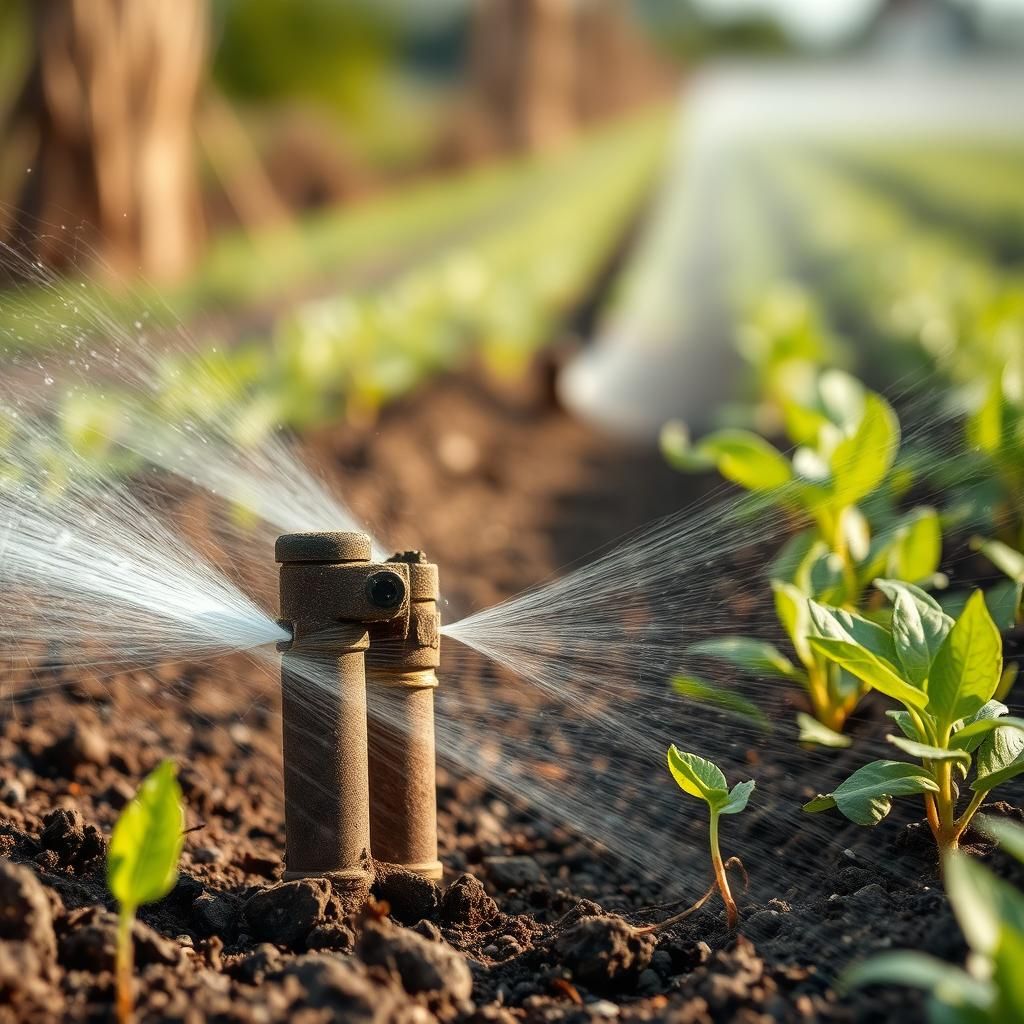
Irrigation is a vital component of modern agriculture, ensuring crops receive the necessary water for optimal growth. However, the methods employed can vary significantly in cost, efficiency, and long-term sustainability. As water scarcity becomes an increasingly pressing issue, understanding the financial implications of different irrigation systems is essential for farmers, policymakers, and environmentalists. This article aims to explore the most expensive irrigation methods available today, evaluating their economic impact and effectiveness in enhancing agricultural productivity. By uncovering these costly options, we can better understand their role in shaping the future of sustainable farming practices.
Which is the Most Expensive Method of Irrigation?
The most expensive method of irrigation is typically considered to be drip irrigation, particularly when it involves advanced technology systems. Drip irrigation delivers water directly to the roots of plants through a network of tubes, pipes, and emitters. Its high initial installation costs can be attributed to the sophisticated equipment and materials required, such as emitters, filters, and automation systems. Despite these costs, many farmers opt for this method due to its efficiency in water usage and potential for significantly increased crop yields, which can ultimately offset the initial investment over time.
Understanding Drip Irrigation Costs
The costs associated with drip irrigation primarily arise from the equipment and installation process. Drip systems require various components including drippers, tubing, and controllers that can monitor and manage the system effectively. Additionally, professional installation adds to the overall costs as expertise is needed to design a system tailored to specific agricultural needs. While these upfront costs are high, the long-term benefits in water savings and crop productivity can make drip irrigation a worthwhile investment.
Comparative Costs of Other Irrigation Methods
Other irrigation methods, such as sprinkler and surface irrigation, are generally less expensive to install compared to drip irrigation. For instance, sprinkler systems require less specialized equipment and can often be set up at a fraction of the cost. Surface irrigation relies on gravity and can be the least expensive option initially, but it may result in inefficient water use and lower crop yields in the long run. Thus, while the initial costs of these methods may be lower, their long-term economic efficiency can vary widely compared to drip irrigation systems.
Factors Influencing Irrigation Method Choice
Several factors influence a farmer's choice of irrigation method, including crop type, water availability, and soil characteristics. Understanding these factors is essential in determining the most suitable and cost-effective irrigation strategy. For example, high-value crops may benefit more from the efficiency of drip irrigation, whereas extensive fields of low-value crops could utilize cheaper methods. Additionally, access to water resources can dictate the feasibility of installing expensive systems that require continuous water access.
See also:
Technological Advancements in Irrigation
Recent technological advancements have enhanced the functionality and efficiency of drip irrigation systems, making them more appealing despite their high initial costs. Innovations such as smart irrigation controllers, which automate watering schedules based on weather conditions, and sensor technology that monitors soil moisture levels, have improved the effectiveness of these systems. These technologies not only help reduce water waste but also optimize growth conditions, thus potentially increasing the return on investment for farmers.
Long-Term Benefits of Drip Irrigation
When considering the long-term benefits of drip irrigation, its ability to conserve water is one of the most significant advantages. In regions with limited water resources, employing a drip irrigation system can lead to substantial water savings, supporting sustainable agricultural practices. Furthermore, the improved crop yields associated with this method can lead to increased revenue for farmers, justifying the initial expense. In summary, while drip irrigation may have high upfront costs, the cumulative benefits can be considerable, making it an economically viable solution in the long run.
| Method | Initial Cost | Water Efficiency | Crop Yield Potential |
|---|---|---|---|
| Drip Irrigation | High | Very High | Very High |
| Sprinkler Irrigation | Medium | Medium | Medium |
| Surface Irrigation | Low | Low | Low to Medium |
Understanding the Economic Impact of Advanced Irrigation Techniques
The economic impact of advanced irrigation techniques on agriculture cannot be overstated, particularly as the global demand for food continues to rise. Methods such as drip irrigation and subsurface irrigation often entail high initial costs due to the sophisticated technology and infrastructure required. However, they can lead to significant long-term savings through increased crop yields, efficient water usage, and reduced labor costs. Farmers are increasingly faced with the decision to invest in these expensive systems, weighing the upfront investment against potential gains in productivity and sustainability. By understanding the intricacies of these costly irrigation options, stakeholders can better assess their feasibility and benefits in diverse agricultural settings.
The Role of Drip Irrigation in Modern Agriculture
Drip irrigation is often considered one of the most efficient yet expensive methods of watering crops. It involves the use of a network of pipes and emitters that deliver water directly to the root zone of plants, minimizing water waste and maximizing plant health. While the initial cost of installing a drip irrigation system can be high due to equipment and labor, the potential for increased crop yields and conservation of water resources can offer substantial returns on investment over time, making it a crucial technology in areas where water scarcity is a pressing issue.
Subsurface Irrigation: A High-Tech Solution
Subsurface irrigation systems work by placing buried pipes beneath the soil surface to deliver water directly to plant roots. This method significantly reduces evaporation and surface runoff, contributing to overall water efficiency. The installation costs can be substantial, including both the technology and the installation process, but the long-term benefits often include superior soil moisture management and enhanced crop growth. For farmers in regions with limited water availability, the effectiveness of subsurface irrigation can make it an attractive solution despite its initial expense.
See also:
Comparative Cost Analysis of Traditional vs. Modern Irrigation Methods
When comparing traditional irrigation methods such as surface watering or flood irrigation with modern techniques like drip and subsurface irrigation, the initial costs can be staggering. Traditional methods may require less upfront investment but can lead to inefficiencies, including overwatering and pest outbreaks due to water pooling. In contrast, while technologies such as drip irrigation require a significant capital investment, they often result in lower long-term water and labor costs, ultimately providing a strong return on investment for many farmers, particularly in high-value crops.
Environmental Considerations of Expensive Irrigation Techniques
The implementation of expensive irrigation methods can have profound environmental implications. Techniques such as drip and subsurface irrigation promote water conservation, which is increasingly important in the face of climate change and dwindling water resources. By using water more efficiently, these systems can help reduce the ecological footprint of farming practices. However, it is essential to consider the materials used in these systems and their potential impact on the soil and surrounding ecosystems. Sustainable practices in the design and maintenance of these irrigation methods can help mitigate negative consequences while maximizing their benefits.
The Future of Irrigation Technology: Innovations and Trends
As technology progresses, the future of irrigation is likely to see even more sophisticated and cost-effective solutions. Innovations such as smart irrigation systems that utilize sensors and data analytics to optimize water application are gaining traction in the agricultural sector. While these technologies may come at a high price initially, their ability to improve water efficiency and crop health presents promising prospects for modernization in agriculture. By harnessing artificial intelligence and big data, farmers can create tailored irrigation plans that not only save costs but also promote sustainability and resilience in agricultural practices.
Questions from Our Readers
What is the most expensive method of irrigation?
The most expensive method of irrigation is typically drip irrigation. This system delivers water directly to the roots of plants through a network of tubing and emitters, resulting in a more efficient use of water and resources. However, the initial investment and installation costs can be substantial compared to other methods.
Why is drip irrigation considered costly?
Drip irrigation is considered costly due to its complexity and the need for specialized equipment. This system requires precise planning and setup, including the installation of various components such as emitters, filters, and pressure regulators, which can drive up initial costs significantly.
See also:
Are there other expensive irrigation methods?
Yes, aside from drip irrigation, center pivot and subsurface irrigation systems can also be quite expensive. Center pivot systems involve large machinery that rotates around a fixed point, covering vast areas, while subsurface irrigation requires installation of systems below ground, both of which demand considerable financial investment for installation and maintenance.
What factors contribute to the high costs of irrigation methods?
Several factors contribute to the high costs of irrigation methods, including installation complexity, material costs, and maintenance requirements. Additionally, the efficiency and output of the system also play a role, as more advanced systems may offer better long-term returns on investment despite their higher upfront costs.

If you want to read more articles like Which is the Most Expensive Method of Irrigation? Uncovering the Costly Options and Their Impact on Agriculture, we recommend you check out our Irrigation category.
Leave a Reply
Related Articles