What is the superstition about the hawthorn tree? Unveiling Myths and Beliefs
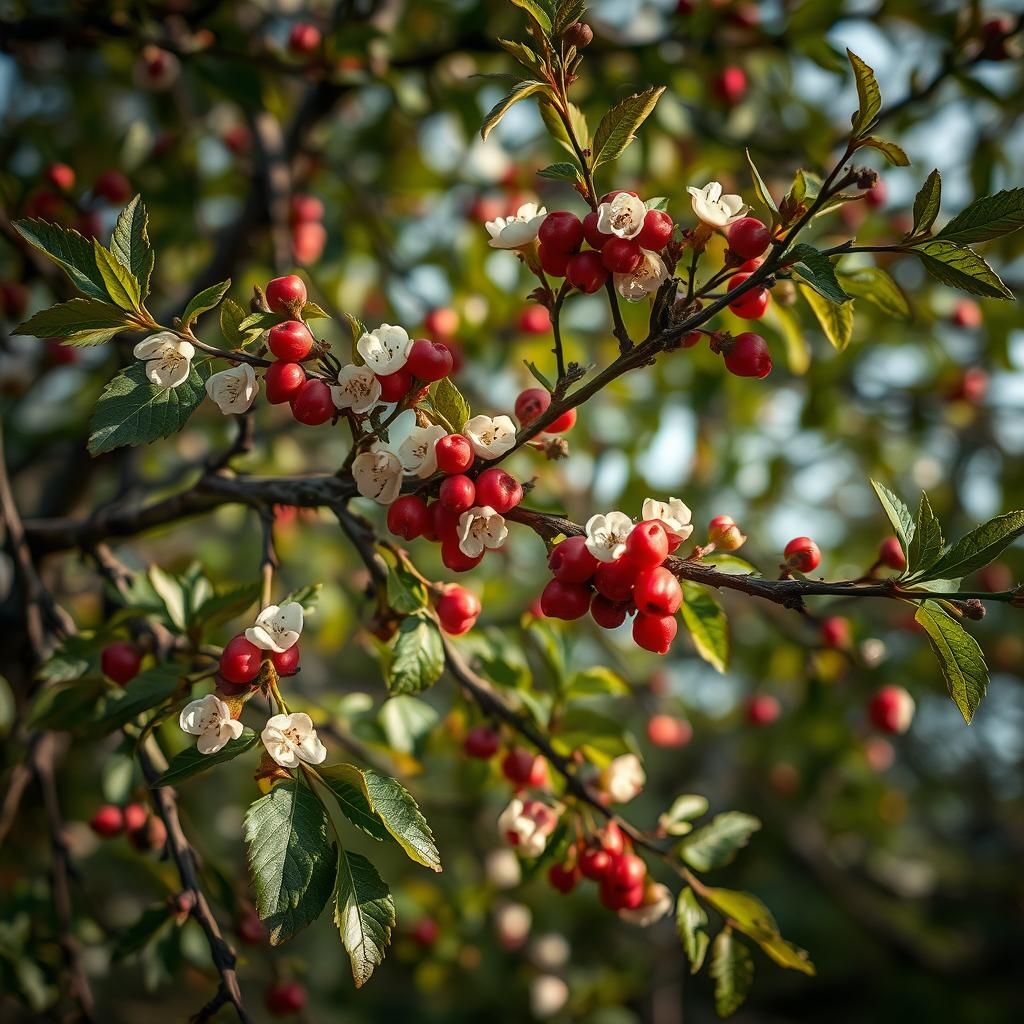
The hawthorn tree has long been shrouded in superstition and folklore, captivating the imaginations of many cultures throughout history. Revered for its beauty and unique characteristics, this resilient plant has been associated with various myths and beliefs, often seen as a symbol of protection and transformation. From its significance in ancient rituals to its representation in modern folklore, the hawthorn tree embodies a rich tapestry of stories that highlight humanity's fascination with nature. This article delves into the intriguing superstitions surrounding the hawthorn, exploring the meanings and implications that have persisted through generations.
What is the Superstition About the Hawthorn Tree?
The hawthorn tree is steeped in superstition and folklore, with various cultures attributing special significance to it. In many traditions, the tree is believed to be a gateway to the fairy realm, and planting one near a home is thought to invite good fortune and protection from malevolent spirits. Conversely, disturbing a hawthorn tree is often seen as a bad omen that could bring misfortune. This cultural importance is particularly pronounced in European traditions, where it has been associated with spring festivals and is often linked to tales of romance and resurrection, making the hawthorn a symbol of love and rebirth.
Historical Significance of the Hawthorn Tree
Throughout history, the hawthorn tree has been surrounded by various myths and significance. It has been used in ceremonial practices for centuries, particularly in Celtic culture, where it was considered sacred and often planted near burial sites. The use of hawthorn in wedding traditions signifies love and fidelity, showcasing its deep-rooted significance in the social fabric of ancient societies.
Hawthorn in Folklore and Mythology
In folklore, the hawthorn is often featured in tales involving fairies and the supernatural. It is said that if a person were to sit beneath a hawthorn tree on May Day, they could encounter magical beings. This connection to the fairy realm makes it a central figure in many mythological stories, where it is seen as a protector of land and home.
The Connection to May Day Celebrations
The hawthorn tree plays a significant role in May Day celebrations across various cultures. Traditionally, people would gather hawthorn blossoms to create a May bush, thereby ushering in spring and celebrating the renewal of life. This practice is rooted in fertility and growth, symbolizing hope and fresh beginnings within the context of community celebrations.
Protection Against Evil Spirits
In many superstitions, the hawthorn tree is believed to possess protective qualities against evil spirits and negative energies. Placing branches of the hawthorn around the home is thought to create a shield that wards off malevolent forces. This practice is especially common during times of transition, such as births or marriages, where protection is deemed essential.
Modern Interpretations of Hawthorn Superstitions
Today, many people still respect the superstitions surrounding the hawthorn tree, viewing it as a symbol of good luck and prosperity. As society evolves, these traditions have adapted, with modern interpretations focusing on the environmental benefits of planting hawthorn trees, including promoting biodiversity and contributing to local ecosystems. The ongoing fascination with this tree keeps its superstitions alive in contemporary culture.
| Tradition | Significance |
|---|---|
| Celtic Rituals | Associated with sacredness and protection |
| May Day | Celebrated for fertility and growth |
| Supernatural Beliefs | Gateway to the fairy realm |
| Protection Practices | Warding off evil spirits |
| Modern Uses | Promoting biodiversity and local ecosystems |
What do hawthorn trees symbolize?

Hawthorn trees, belonging to the genus Crataegus, are often steeped in rich symbolism across various cultures. Traditionally, these trees symbolize a multitude of concepts, including protection, fertility, and love. In ancient times, hawthorn was considered sacred and associated with protective qualities, particularly guarding against malevolent spirits. This tree is frequently linked to romantic love and spring, representing the blossoming of new relationships and the renewal of life. In literature and folklore, the hawthorn is often portrayed as a bridge between the physical and magical realms, further enhancing its status as a symbol of mystical and protective powers.
Hawthorn and Protection
Hawthorn trees have long been associated with protection in various cultures, particularly in Celtic traditions. People believed that planting hawthorn near homes could ward off malevolent spirits and bring safety to the household. This connection is rooted in the historical use of hawthorn in rituals and spells meant to invoke safety.
- Hawthorn branches were often used in protective charms.
- It was common to see hawthorn hedges as natural barriers around properties.
- In folklore, it was said that the presence of a hawthorn tree could prevent witches from approaching.
Symbolism of Fertility
In many cultures, the hawthorn tree symbolizes fertility and new beginnings. The vibrant blossoms of the hawthorn signal the arrival of spring, which often correlates with themes of rebirth and growth. This aspect of hawthorn symbolism is particularly important in agricultural societies, where the blooming of hawthorn is seen as a sign of a prosperous season ahead.
- The flowers of the hawthorn are often associated with fertility festivals.
- Hawthorn berries, reminiscent of new life, are utilized in traditional remedies to promote health.
- The blooming of hawthorn in spring is linked to the start of the growing season, symbolizing renewal.
Hawthorn and Romantic Love
The hawthorn tree has profound associations with romantic love, which is heavily reflected in literature and mythology. Various tales describe how hawthorn flowers symbolize devotion and hope in romantic relationships. In many cultures, lovers would exchange hawthorn blossoms as tokens of their affection.
- Hawthorn flowers are often included in wedding bouquets to symbolize love.
- Folklore suggests that the presence of hawthorn can lead to everlasting love.
- In some cultures, it is believed that if a couple picks hawthorn flowers together, they will surely be united.
The Connection to the Otherworld
Hawthorn trees are frequently featured in folklore as mystical plants that connect the physical world to the otherworld. In various mythologies, hawthorn is viewed as a gateway that allows passage between realms, particularly during times like Beltane, where the veil between the worlds is thinnest.
See also:
- Hawthorn is often referred to as the “fairy tree” in Celtic traditions.
- Many believe that disturbances to hawthorn trees can attract fairies or other supernatural beings.
- The presence of hawthorn trees in stories often indicates a place of magic and transformation.
Folklore and Medicinal Significance
In addition to its symbolic meanings, the hawthorn tree has been used in traditional medicine for centuries, contributing to its rich lore. Its heart-shaped leaves and vibrant flowers are utilized for various medicinal purposes, particularly related to heart health, further marrying the tree's symbolism of love with its practical applications.
- Hawthorn extracts are commonly used to enhance cardiovascular health.
- The berries are often made into tinctures for their natural healing properties.
- It has been celebrated in folk medicine as a remedy for anxiety and stress, connecting the heart with emotional well-being.
Why is hawthorn considered unlucky?
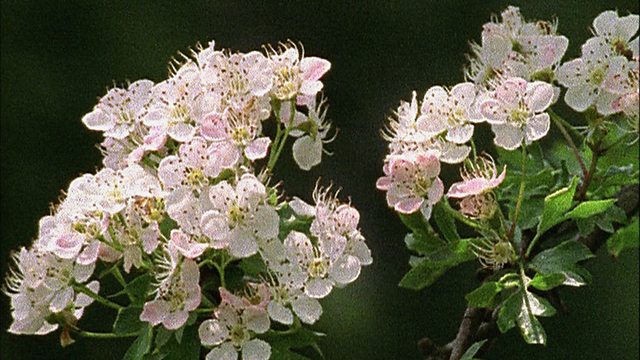
Hawthorn, often considered an emblem of bad luck in various cultures, carries a rich tapestry of folklore and beliefs surrounding it. The reasons for its reputation as an unlucky plant can be traced through historical narratives, symbolism, and common misconceptions.
Historical Beliefs
Throughout history, many societies have associated hawthorn with misfortune. The Celts, for example, revered this plant, but also warned against bringing it into the home. They believed that the goddess of fertility, who resided in hawthorn, could also bring chaos and misfortune if disturbed. This duality of nature often reflects a deeper connection to the belief that certain plants could usher in both blessings and curses.
- The Celtic connections tie hawthorn to ancient rituals.
- Disturbing hawthorn trees was thought to anger the gods.
- Some believed that those who cut down hawthorn would face consequences.
Symbolism in Folklore
In many legends, hawthorn appears as a representation of love and protection, yet also of death and ill fortune. The sinister side of this symbolism is particularly evident during the May Day celebrations, wherein it was customary to bring hawthorn into the home for luck. However, if it were to bloom indoors, this would be seen as an omen that someone in the house might soon fall ill or die.
- Hawthorn’s association with both life and death creates a complex symbolism.
- Indoor blooming can be a significant omen.
- Folklore includes tales of lost love linked to hawthorn’s presence.
Garden Superstitions
Gardeners often regard hawthorn as a highly unlucky plant for various reasons. Some believe planting it near the home can attract negative energies or bad spirits. In parts of Europe, people avoid having hawthorn in their gardens, citing fears that it could disrupt the balance of luck and prosperity.
- Hawthorn is believed to attract bad spirits.
- Planting it is seen as potentially harmful to one’s prosperity.
- In some cultures, it’s considered better to avoid it altogether in gardens.
Literary References
In literature, hawthorn often serves as a symbol of tragedy and misfortune. Many classic texts describe the plant in relation to darker themes, reinforcing the notion that hawthorn is an unnatural presence in a peaceful setting. Such portrayals contribute to its unlucky reputation in both history and literature.
- Hawthorn frequently appears in gothic literature.
- Characters often encounter tragedy in its presence.
- Literary symbolism contributes to its enduring mythology.
Modern Interpretations
Today, the perception of hawthorn varies, but its unlucky reputation persists in some communities. Although many recognize its beauty and medicinal properties, references in popular culture continue to echo its more ominous past. Events such as weddings might skip hawthorn flowers to avoid any ill omens.
- Modern views often clash with traditional beliefs.
- Hawthorn is appreciated for its beauty yet still carries its baggage.
- Cultural practices sometimes avoid the flower during ceremonies.
What is the superstition about hawthorn?
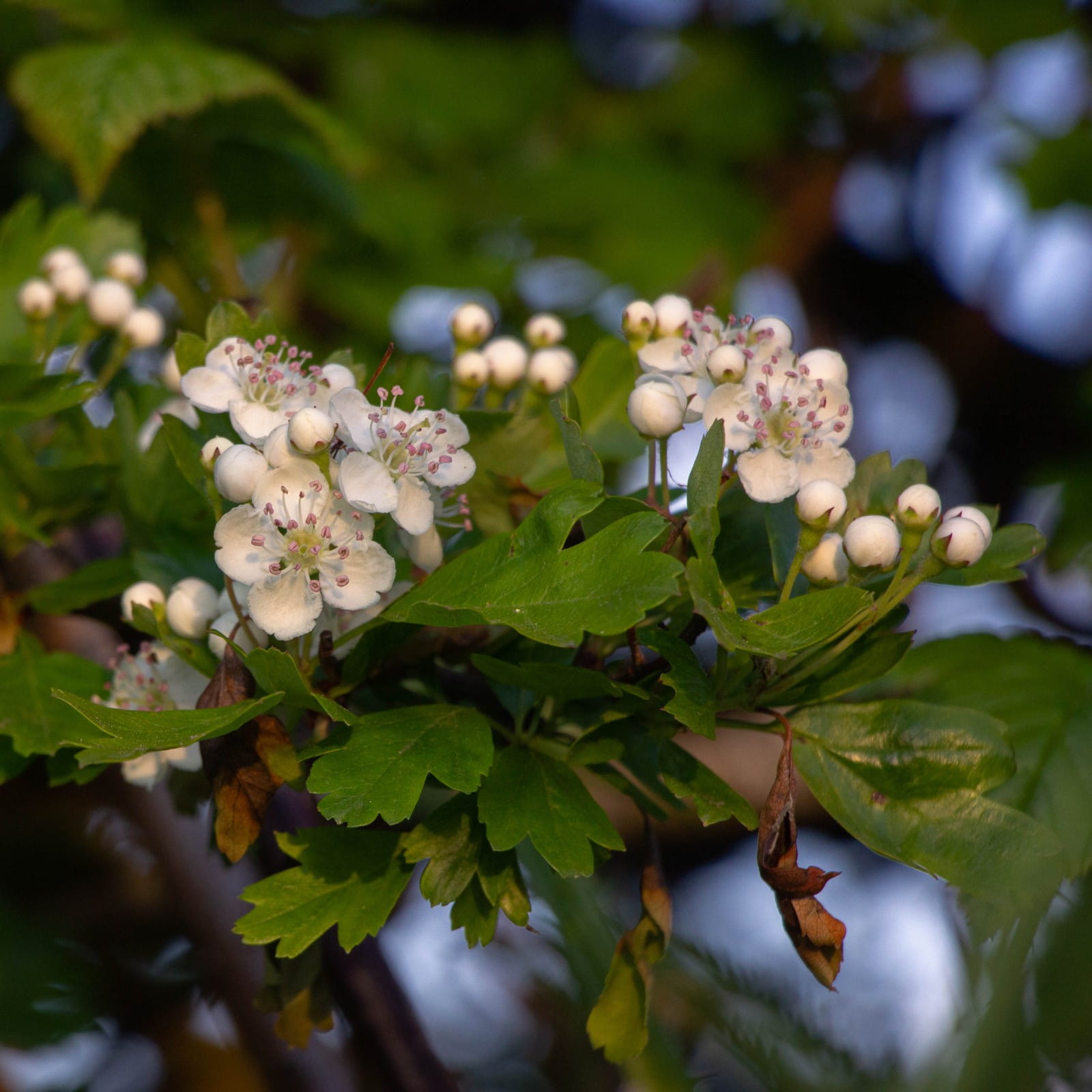
Hawthorn, scientifically known as Crataegus, is steeped in superstitions and folklore across various cultures. This tree or shrub is often associated with protection, fertility, and even death, which highlights its dual nature in folklore. The most common superstition surrounding hawthorn is its link to bad luck; it's often believed to bring misfortune if disturbed or brought indoors. This belief is particularly prevalent in European traditions, where hawthorn is considered a sacred plant.
Hawthorn in Celtic Mythology
In Celtic mythology, hawthorn is not merely a plant but a sacred tree. It was believed to embody the spirit of nature and was associated with the Otherworld. The Celts considered hawthorn to be a guardian of the fairies; disturbing it could attract their wrath.
- The hawthorn is often seen as a bridge between the physical and spiritual realms.
- Celtic rituals included offerings at hawthorn trees to appease fairies.
- Hawthorn wood was sometimes used to create wands and staffs for magical purposes.
The Connection to May Day
In many cultures, the hawthorn blooms around May Day, a time of celebrating spring and fertility. However, this celebration also comes with warnings regarding hawthorn branches. Bringing them into the home is often deemed unlucky.
- May Day celebrations include dancing around hawthorn trees.
- The flowers were used in traditional decorations, but caution was advised.
- Some believed that cutting a hawthorn tree during this time would bring bad fortune.
Hawthorn and Death
The association of hawthorn with death is another aspect of its superstition. Hawthorn is frequently linked to burial sites and funerals due to its thorny branches and its presence in nature at the time of death.
See also:
- In ancient practices, hawthorn was sometimes planted in graveyards.
- Its thorns were thought to ward off evil spirits, serving as a protective measure.
- Some cultures viewed its presence at a deathbed as a bad omen.
Protection from Evil Spirits
Many superstitions surround hawthorn regarding its ability to protect individuals from evil spirits and negative energy. In folklore, the placement of hawthorn branches in a home was thought to deter malevolent forces.
- Doorways adorned with hawthorn were believed to keep out evil spirits.
- The plant's thorns were seen as a natural protector.
- Some cultures used hawthorn in amulets for this purpose.
Hawthorn as a Symbol of Fertility
Despite its ominous associations, hawthorn is also a symbol of fertility and love. This duality makes it a fascinating subject in cultural folklore, reflecting both the nurturing and destructive forces of nature.
- The blooms of hawthorn symbolize renewal and new beginnings.
- Historically, it has been used in various fertility rituals.
- Weddings often incorporate hawthorn for its associations with romantic love.
What is the spiritual meaning of hawthorn?
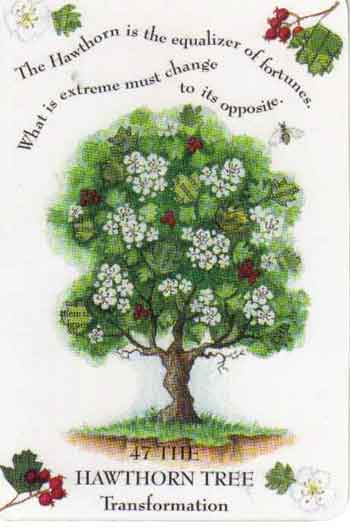
Hawthorn, a tree belonging to the genus Crataegus, holds significant spiritual meanings in various cultures and traditions. In many traditions, it symbolizes protection, rebirth, and the sacred nature of life. The tree is often associated with the hedge of thorns that protects the garden of the heart and soul, offering a barrier against harmful forces.
Symbol of Protection
Hawthorn is widely recognized as a symbol of protection. Many believe that it guards against negative energies and evil spirits. Due to its thorny branches, it serves as a physical and spiritual barrier.
- Defense Against Negativity: The thorns act as a shield from unfortunate energies or malicious intentions.
- Spiritual Guardianship: Hawthorn trees are often planted near homes to safeguard inhabitants.
- Cultivating Inner Strength: The protection offered by Hawthorn encourages individuals to cultivate their own strength and resilience.
Representation of Rebirth and Renewal
Hawthorn is also associated with rebirth and renewal, often linked to the cycle of life. Its striking blossoms in spring signify the rejuvenation of the earth after the long winter, symbolizing hope and new beginnings.
- New Beginnings: The emergence of flowers suggests fresh starts in life.
- Cyclic Nature: Hawthorn signifies the natural cycles, embracing the idea of growth and transformation.
- Spiritual Awakening: People often turn to Hawthorn during times of personal renewal or spiritual awakening.
Connection to the Divine
The Hawthorn tree is often considered a sacred tree in various traditions, representing a connection between the earthly realm and the spiritual world. This deep-rooted connection, found in Celtic traditions and others, grants the tree a mystical quality.
- Portal to the Otherworld: In some folklore, Hawthorn trees are viewed as gateways to the spirit realm, allowing interaction with the divine.
- Spiritual Rituals: Hawthorn branches are often used in rituals to invoke blessings and connect with higher powers.
- Sacred Relationships: Its association with various deities emphasizes its importance in spiritual practices.
Symbol of Love and Fertility
In some cultures, the Hawthorn tree is considered a symbol of love and fertility. Its beautiful flowers and rich symbolism relate to themes of romance and nurturing relationships.
- Love Charms: Hawthorn is often used in love spells and rituals to attract positive romantic energies.
- Fertility Symbolism: The blossoms represent fertility and the blooming of life’s opportunities.
- Strengthening Relationships: The tree’s associations encourage individuals to nurture their romantic and emotional bonds.
Healing Properties
The Hawthorn tree also possesses healing properties, both physically and spiritually. Its berries have been used in traditional medicine, and its spiritual essence is believed to promote emotional healing.
- Emotional Stability: Hawthorn's energy is said to provide solace during emotional turmoil.
- Physical Healing: Its berries are known for promoting heart health, mirroring its spiritual connection to love and emotions.
- Holistic Approaches: Many integrate Hawthorn in rituals aimed at healing both body and spirit.
Questions from Our Readers
What is the superstition about the hawthorn tree?
The superstition surrounding the hawthorn tree often stems from its association with fertility and protection. People believe that cutting down or harming this tree can bring bad luck, as it is considered sacred in many cultures. Additionally, it is often linked to fairy folklore, where it is thought that disturbances made to the hawthorn may anger the fairy realm.
Why is the hawthorn tree referred to as a symbol of fertility?
The hawthorn tree is frequently viewed as a symbol of fertility due to its beautiful white blossoms that appear in spring, which are thought to evoke the spirit of rebirth and new beginnings. Many traditions encourage planting hawthorn trees as a means to promote fertility in gardens and homes, reinforcing their role in agricultural rituals.
What precautions do people take regarding hawthorn trees?
People often take various precautions when encountering hawthorn trees, such as avoiding cutting or damaging them, as this can be perceived as an act that invites misfortune. It is also common to respect the space around these trees, recognizing their spiritual significance and ensuring they remain undisturbed, especially during their blooming season.
Are there any historical beliefs linked to the hawthorn tree?
Historically, the hawthorn tree has been associated with numerous beliefs, often viewed as a protective symbol against evil spirits. In medieval times, people believed that carrying a branch of hawthorn could guard them from harm and ensure personal safety. Its presence in ceremonial practices further highlights its importance in cultural traditions throughout history.
See also:

If you want to read more articles like What is the superstition about the hawthorn tree? Unveiling Myths and Beliefs, we recommend you check out our Landscaping category.
Leave a Reply
Related Articles