Should I Remove Old Mulch Before Putting New Down? Essential Tips for Garden Care

When it comes to maintaining a healthy garden, the topic of mulch often arises. Gardeners frequently find themselves questioning whether they should remove old mulch before applying a fresh layer. This decision can significantly impact plant health, moisture retention, and overall garden aesthetics. Understanding the benefits and drawbacks of reusing existing mulch versus replacing it entirely is crucial for effective garden care. In this article, we will explore essential tips for managing mulch in your garden, helping you determine the best approach for optimal plant growth and garden maintenance.
Should You Remove Old Mulch Before Adding New?
When considering whether to remove old mulch before applying a new layer, it is essential to evaluate the condition of the existing mulch and its impact on soil health. If the old mulch is decomposing, it can enrich the soil with nutrients and aid in moisture retention, so leaving it in place can be beneficial. However, if the old mulch has become compacted, is harboring pests, or is excessively thick, it may hinder water penetration and air circulation, which are vital for healthy plant growth. In such cases, it is advisable to remove some or all of the old mulch before adding a fresh layer to promote a better growing environment.
Benefits of Keeping Old Mulch
Retaining old mulch can provide several benefits for your garden or landscape. Decomposed mulch contributes valuable nutrients to the soil, enhancing its quality over time. This organic matter also improves soil structure, promoting better moisture retention and aiding in drainage. Keeping the mulch can save time and resources, allowing gardeners to focus on other essential tasks while still enjoying the advantages of a well-mulched area.
When to Remove Old Mulch
There are specific instances where removing old mulch is necessary for the health of your plants. If you notice signs of pest infestations, disease, or a foul odor emanating from the mulch, it indicates that the mulch is not serving its purpose anymore and potentially harming your plants. Furthermore, if the mulch layer has exceeded three inches in thickness, it can restrict water and air from reaching the roots, necessitating its removal to maintain a healthy growing environment.
How to Properly Remove Old Mulch
When removing old mulch, it's important to do so carefully to avoid damaging the underlying soil and plants. Begin by using a shovel or pitchfork to lift the mulch, taking care to agitate the soil lightly without drastically disrupting it. Discard the old mulch in a compost pile if it is in good condition and free from diseases, or dispose of it appropriately if it is not. This process ensures that you prepare the area effectively for a new layer of mulch.
Choosing New Mulch
When selecting new mulch, consider the type of material that best suits your garden's needs. Organic options like wood chips, straw, or bark are excellent for providing nutrients and improving soil quality over time. Conversely, inorganic materials such as rubber mulch or gravel are durable but do not contribute any nutritional value to the soil. Always consider your garden's specific requirements, including plant types and local climate, to choose mulch that enhances the overall health of your landscape.
Proper Mulching Techniques
Applying new mulch properly is critical for its effectiveness. Start by spreading the mulch evenly around the base of plants, ensuring it does not touch the stems or trunks, as this can lead to rot or disease. Aim for a mulch layer of 2-3 inches to balance moisture retention and avoid compaction. Regularly check for any signs of decay or pest activity in the mulch to maintain its benefits and help create an ideal environment for your plants to thrive.
| Aspect | Recommendations |
|---|---|
| Keep Old Mulch | When it's decomposed and benefits soil health |
| Remove Old Mulch | When there are pests, diseases, or excessive thickness |
| New Mulch Material | Organic options like wood chips or straw |
| Mulch Thickness | Maintain around 2-3 inches for optimal effectiveness |
When should I remove mulch?

When removing mulch is an important task in maintaining healthy garden beds and landscaping. The timing for mulch removal can vary based on several factors, including the type of mulch used, the season, and the specific needs of the plants in your garden. Here are some scenarios when you should consider removing mulch:
When to Remove Decomposed Mulch
Decomposed mulch can hinder moisture retention and can attract pests. It's essential to regularly check for signs of decomposition. You should consider removing it when:
See also:
- Appearance: The mulch looks broken down and has lost its original color.
- Smell: There is an unpleasant odor coming from the mulch due to excessive decomposition.
- Pest Infestation: You notice insects or rodents thriving in decomposed mulch.
Seasonal Considerations
The season plays a vital role in determining the right time to remove mulch. In general:
- Spring: Remove mulch in early spring to allow warming soil temperatures for new plant growth.
- Summer: Assess the need to remove or refresh mulch during the hottest months to ensure proper moisture retention.
- Fall: Mulch should remain in place during the fall to protect plants from freezing temperatures.
Signs of Compaction
Compacted mulch can prevent water and air from reaching the soil. If you notice:
- Hard Surface: The mulch is visibly compacted and difficult to move or break apart.
- Weeds: An increase in weed growth can indicate insufficient air and moisture because of compacted mulch.
- Water Pooling: Water runs off the surface instead of soaking into the soil.
Types of Mulch
Different types of mulch have varying lifespans and conditions for removal. Consider:
- Organic Mulch: This type typically needs replacement every 1-2 years as it decomposes and loses effectiveness.
- Inorganic Mulch: Often lasts longer but may need periodic cleaning and refreshing to maintain aesthetic appeal.
- Landscape Fabric: If used, it is essential to monitor how well the mulch is covering it and remove it if it becomes ineffective.
Plant Health Considerations
The health of your plants should directly influence your decision to remove mulch. Check for:
- Root Visibility: If the roots of your plants are starting to show, it may be time to remove or refresh the mulch.
- Soil Temperature: If the soil is consistently cold and impeding growth, consider removing mulch to warm the soil.
- Pest Problems: If plants are suffering from pest issues that mulch may be harboring, timely removal is crucial.
What to do before putting down new mulch?
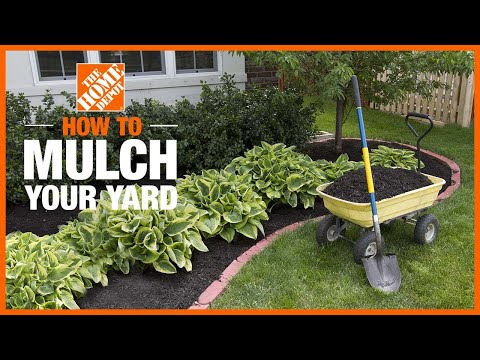
Before putting down new mulch, there are several steps you should follow to ensure that your garden or landscape benefits from this addition. Proper preparation not only enhances the appearance but also contributes to healthier soil and plants. Here are essential actions to consider:
Assess the Landscape
It's crucial to assess the landscape where you plan to apply the mulch. This involves examining the current state of the soil and plants.
- Check for existing weeds: Remove any weeds that might compete with your plants for nutrients and water.
- Inspect for pests or diseases: Look for signs of problems that may need to be addressed before applying mulch.
- Evaluate the drainage: Ensure the area has adequate drainage to prevent water from pooling, which can harm plant roots.
Choose the Right Mulch
Selecting the appropriate type of mulch is vital for its effectiveness. There are many types available, ranging from organic to inorganic materials.
- Consider organic mulch: Materials like straw, shredded bark, or wood chips improve soil health as they decompose.
- Explore inorganic options: Stones, rubber, or landscape fabric can provide long-lasting coverage without adding nutrients.
- Think about the color and style: Choose mulch that complements your garden aesthetic and the types of plants you have.
Prepare the Soil
Before applying the mulch, preparing the soil properly is essential to enhance its benefits and ensure plant health.
- Loosen the soil: Use a rake or tiller to aerate the soil and break up compacted areas.
- Add soil amendments: Consider adding compost or fertilizers to enrich the soil before mulching.
- Level the area: Ensure the ground is level to allow for even distribution of mulch and proper drainage.
Determine the Depth of Mulch
Deciding how deep to apply your mulch is critical for maximizing its benefits for the soil and plants.
See also:
- Follow general guidelines: A layer of 2 to 4 inches is typically recommended, depending on the type of mulch.
- Avoid excess depth: Too much mulch can suffocate plant roots or retain too much moisture, leading to rot.
- Adjust based on specific plants: Consider the needs of individual plants as some may require different mulch depths.
Clean the Area
Before laying down the new mulch, ensure that the area is thoroughly clean to optimize the conditions for your plants.
- Remove debris: Clear away any fallen leaves, old mulch, or other organic matter that could harbor pests.
- Clear away weeds: Ensure no weeds remain as they will compete with your plants once the mulch is applied.
- Check for irrigation systems: Make sure that any underground sprinklers or drip lines are unblocked and ready to function properly.
How much to remove old mulch?
Removing old mulch can be a necessary task for maintaining a healthy garden or landscaping. The cost to remove old mulch can vary significantly based on factors such as the area size, the type of mulch, and whether you hire a professional or do it yourself.
Factors Affecting the Cost
Several factors can impact the overall cost of old mulch removal:
- Size of the Area: Larger areas will require more time and labor to remove the mulch, impacting the overall cost.
- Type of Mulch: Organic mulches like wood chips or bark are typically easier and less expensive to remove than rubber or stone mulches.
- Labor Costs: If hiring professionals, labor rates will vary based on location and company reputation.
DIY vs. Professional Removal
Deciding whether to tackle the mulch removal yourself or hire a professional can affect your costs:
- DIY Removal: This option can save you money on labor but may require additional tools and equipment, which can have costs.
- Hiring a Professional: Although you may incur higher costs upfront, professionals often work more efficiently and can handle large volumes of mulch quickly.
- Time Investment: Consider the time you have available; DIY might take longer than hiring someone for a speedy solution.
Estimated Costs
The estimated costs for mulch removal can vary depending on the method chosen:
- DIY Removal Costs: You may spend between $50 to $150 on tools and disposal fees if removing it yourself.
- Professional Services: Hiring a professional service typically ranges from $200 to $600, depending on the size and nature of the project.
- Additional Fees: Consider potential additional costs for disposal and transportation of the old mulch.
Tips for Efficient Removal
To make the mulch removal process more efficient, consider the following tips:
- Clear the Area: Remove any debris like rocks or branches before starting to make the process smoother.
- Use the Right Tools: Ensure you have the right tools, such as a shovel, rake, or even a mulch blower for larger areas.
- Dispose Responsibly: Look for local recycling options for organic mulch to minimize waste.
Post-Removal Considerations
After removing the old mulch, several considerations can enhance your landscaping:
- Type of New Mulch: Choose a new mulch type based on your plant needs, aesthetics, and budget.
- Soil Condition: Assess the soil condition and consider any necessary amendments before applying new mulch.
- Maintenance Tips: Regularly inspect and maintain mulch layers to prevent the buildup of pests and diseases.
Questions from Our Readers
Should I remove old mulch before putting new down?
It is generally recommended to remove old mulch before applying new mulch. This is because old mulch can decompose and may harbor pests and diseases that could affect your plants. Removing it allows for better air circulation and prevents the buildup of toxins.
What are the benefits of removing old mulch?
Removing old mulch can significantly improve your garden's health by reducing the risk of pests and diseases. It also allows for better water absorption and nutrient availability for your plants. Additionally, it helps maintain a cleaner garden appearance.
See also:
Can I simply add new mulch on top of the old mulch?
While you can add new mulch on top of old mulch, it is not always the best practice. Doing so might lead to compaction and hinder moisture retention. It’s usually better to remove the old layer to ensure an effective new mulch application that promotes plant growth.
How often should I replace mulch in my garden?
Typically, mulch should be replaced every 1 to 3 years, depending on the type of mulch used and environmental conditions. Regular inspections can help determine if your mulch is decomposing or losing its effectiveness, which would indicate it’s time for a change.

If you want to read more articles like Should I Remove Old Mulch Before Putting New Down? Essential Tips for Garden Care, we recommend you check out our Mulch category.
Leave a Reply
Related Articles