What Happens If You Don't Pick Up Grass Clippings? Discover the Consequences and Best Practices
When mowing your lawn, grass clippings can accumulate quickly, prompting the question: should you pick them up or leave them behind? While it might seem convenient to simply leave clippings where they fall, neglecting to manage them properly can lead to a range of issues. From creating a breeding ground for pests to harming your grass’s health, the consequences of ignoring grass clippings can be significant. In this article, we will explore the potential pitfalls of not collecting your clippings and provide best practices to ensure a healthier, more vibrant lawn. Discover how small choices in lawn care can make a big difference.
What Happens If You Don't Pick Up Grass Clippings?
Failing to pick up grass clippings after mowing can lead to various consequences for your lawn and the surrounding environment. While leaving them on the lawn often allows them to decompose and return nutrients to the soil, neglecting to manage them properly can create a variety of issues. For instance, an excessive accumulation of clippings can smother the grass beneath, blocking sunlight and air, which are essential for healthy growth. Additionally, wet or dense clippings can become a breeding ground for diseases and pests, promoting fungal growth and compromising the health of your lawn. It’s crucial to find a balance to ensure that your lawn remains healthy and free from unnecessary complications.
Impact on Lawn Health
Neglecting to remove grass clippings can significantly impact the overall health of your lawn. If clippings are left to mound up, they can create a barrier that prevents sunlight and air from reaching the grass underneath, thereby hindering photosynthesis and respiration. This can lead to patches of brown or dead grass, ultimately weakening the lawn and making it more susceptible to diseases.
Encouragement of Lawn Diseases
When grass clippings are not cleared away, they can become a damp environment that is ideal for the development of various lawn diseases. Conditions such as powdery mildew or fusarium blight are more likely to thrive in these wet clumps. These diseases can spread quickly, affecting a larger area of the lawn and leading to significant damage, which may require costly treatments or resodding.
Weed Growth
Leaving grass clippings on the lawn unattended can also lead to an increase in weed growth. Dense piles of clippings can provide a habitat for weed seeds to germinate and grow, suffocating the existing grass and creating competition for essential resources like water and nutrients. This can further diminish the aesthetic appeal and health of your lawn.
Nutrient Imbalance
While some lawn care enthusiasts promote the idea of leaving grass clippings as a form of natural fertilization, an improper management can result in nutrient imbalances. If clippings are entirely left to decompose without management, they can create areas with excess nitrogen, which can lead to rapid but weak grass growth that is vulnerable to drought stress and pests.
Environmental Impact
Neglecting grass clippings can also have negative impacts on the surrounding environment. Accumulated clippings can release greenhouse gases as they decompose, contributing to environmental pollution. Furthermore, clumping clippings can create runoff issues, as they may carry nutrients and contaminants into local waterways during rain events, affecting water quality and aquatic ecosystems.
| Consequence | Description |
|---|---|
| Impact on Lawn Health | Blocks sunlight and air leading to weak growth. |
| Encouragement of Lawn Diseases | Creates a habitat for diseases to thrive. |
| Weed Growth | Provides a breeding ground for weeds. |
| Nutrient Imbalance | Can lead to excess nitrogen and weak grass. |
| Environmental Impact | Contributes to pollution and runoff issues. |
Is it okay to not pick up grass clippings?
:max_bytes(150000):strip_icc()/rake-up-grass-clippings-or-leave-on-lawn-2130972-01-2491272b24574a5391ac15248a5c4a79.jpg)
Leaving grass clippings on the lawn after mowing is generally acceptable, and many lawn care experts actually recommend it. This practice, known as grass recycling, can provide several benefits to your lawn. However, whether or not you should pick them up depends on certain factors.
Benefits of Leaving Grass Clippings
Leaving grass clippings can have several positive impacts on your lawn health.
See also:
- Nutrient Recycling: Grass clippings can decompose and return essential nutrients, like nitrogen, back into the soil, promoting healthier grass.
- Moisture Retention: Clippings can help retain soil moisture, reducing the need for additional irrigation, especially in hot weather.
- Soil Structure Improvement: Over time, returning clippings can improve the soil structure by increasing organic matter.
When to Consider Collecting Grass Clippings
Despite the benefits of leaving grass clippings, there are instances when it's preferable to collect them.
- Overgrown Lawns: If the grass has been allowed to grow too tall and is then cut, clippings can be too thick and may smother the grass beneath.
- Disease Issues: If the lawn has experienced any diseases or pest issues, it’s wise to remove clippings to prevent spreading these problems.
- Weed Problems: If weed seeds are present in the clippings, they could potentially take root and cause more weeds in your lawn.
The Proper Technique for Mowing
To effectively leave clippings without negative effects, proper mowing techniques are essential.
- Regular Mowing: Mowing regularly reduces the amount of clipping left behind, ensuring they are small enough to decompose quickly.
- Mowing Height: Maintaining the correct mowing height prevents the grass from becoming too long, which helps keep clippings light and manageable.
- Sharp Blades: Using sharp mower blades produces clean cuts, resulting in finer clippings that are less likely to mat and inhibit the growth of the grass beneath.
Environmental Impact of Leaving Clippings
Leaving grass clippings can also have a positive effect on the environment.
- Waste Reduction: By returning clippings to the lawn, you reduce yard waste sent to landfills, contributing to environmental sustainability.
- Lower Carbon Footprint: Mowing with clippings left behind can require less energy than bagging them, which reduces fuel consumption.
- Support for Soil Health: Improving soil and lawn health leads to a more resilient ecosystem, benefiting plants, insects, and wildlife.
Common Misconceptions About Grass Clippings
Several misconceptions persist about leaving grass clippings on the lawn.
- Clippings Cause Thatch: The idea that clippings contribute to thatch build-up is largely a myth; thatch is primarily caused by other factors like roots and stems.
- Clippings Create a Mess: While initial appearances may seem messy, well-managed clippings can improve lawn aesthetics over time as they decompose.
- Clippings Attract Pests: Grass clippings do not inherently attract pests; proper lawn care can prevent most insect issues regardless of clippings left behind.
Can you cut grass without collecting it?

Yes, you can cut grass without collecting it. This is commonly done in various gardening and landscaping practices. Instead of collecting the grass clippings, they can be left on the lawn after mowing. This technique is often referred to as grass cycling. Here are several key points regarding why this practice is beneficial and how it can be implemented effectively.
Benefits of Not Collecting Grass Clippings
Cutting grass without collecting the clippings offers several benefits to the lawn and the environment.
- Natural Fertilizer: Leaving grass clippings on the lawn allows them to decompose and return nutrients to the soil, enriching it.
- Moisture Retention: Clippings can help retain moisture in the soil, reducing the need for frequent watering.
- Time and Labor Saving: Not having to collect and dispose of clippings saves time and effort, making lawn maintenance easier.
Best Practices for Grass Cycling
To effectively mow without collecting grass clippings, certain best practices should be followed.
- Mow Regularly: Keeping the grass at the recommended height by mowing regularly ensures that the clippings are small enough to decompose quickly.
- Use a Sharp Mower Blade: A sharp blade cuts more cleanly, producing smaller clippings that break down faster.
- Avoid Mowing Wet Grass: Mowing wet grass can lead to clumping, making it harder for clippings to disperse evenly across the lawn.
Impact on Lawn Health
Leaving grass clippings on the lawn can have a positive impact on its overall health.
- Improved Soil Structure: Grass clippings can help improve the soil structure over time, promoting healthy root growth.
- Reduced Weed Growth: A thicker layer of grass can compete with weeds, reducing their presence in the lawn.
- Balanced Nitrogen Levels: Grass clippings are rich in nitrogen, which is essential for healthy grass growth.
Environmental Considerations
By not collecting grass clippings, you contribute to environmental sustainability.
See also:
- Reduced Waste: Leaving clippings on the lawn reduces yard waste, lowering the amount sent to landfills.
- Lower Carbon Footprint: Fewer trips to collect and dispose of grass clippings means reduced fuel consumption and emissions.
- Enhanced Biodiversity: Healthy lawns can support more insects and wildlife, promoting ecological balance.
When to Collect Grass Clippings
While cutting without collection is advantageous, there are times when collecting clippings is recommended.
- When Grass is Overgrown: In cases where the grass is too tall, collecting clippings can help prevent smothering the grass underneath.
- For Disease Management: If the grass has been affected by disease, removing clippings can help stop the spread.
- During Drought Conditions: In certain drought conditions, collecting clippings may reduce competition for moisture among grass plants.
Can I get in trouble for not cutting my grass?
Understanding Local Ordinances
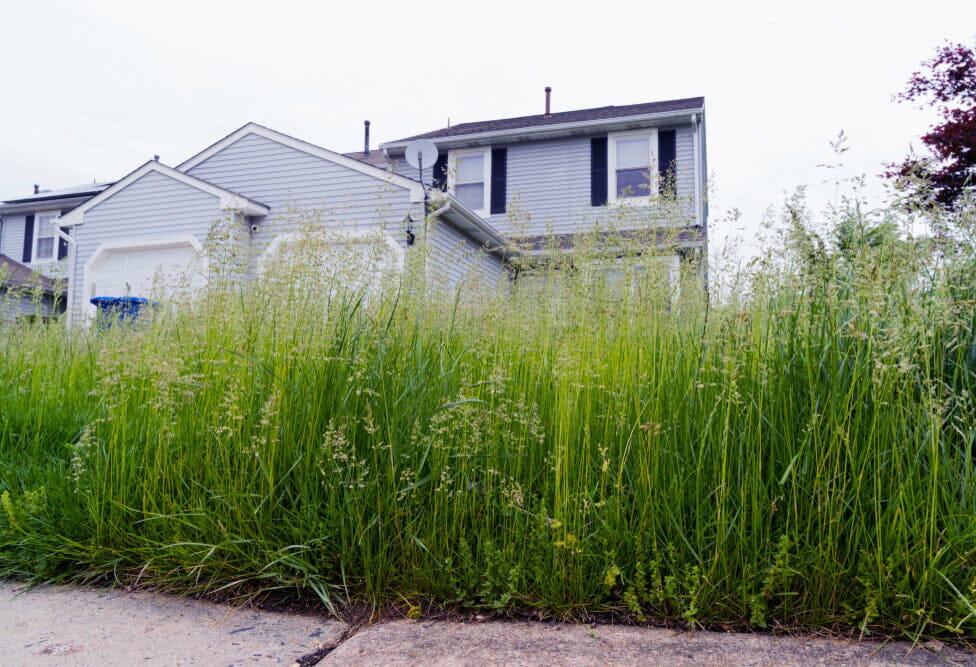
Not cutting your grass may lead to issues primarily due to local ordinances. Many municipalities have specific lawn care regulations that dictate how often grass should be cut, typically to ensure community aesthetics and property values. Failing to adhere to these regulations can result in fines or citations.
- Regulations can vary significantly between locations.
- Common requirements often specify a maximum height for grass.
- Failure to comply can lead to enforcement actions from the local government.
Homeowner Associations (HOAs) Regulations
If you live in a community governed by an HOA, they often have additional rules regarding landscaping and lawn maintenance. These rules can be stricter than city ordinances, requiring residents to maintain their lawns to a specific standard. Ignoring these guidelines may result in penalties or requests to rectify the situation.
- HOAs often conduct regular inspections of properties.
- Homeowners may receive warnings before fines are imposed.
- Lawn maintenance is usually part of the community standards.
Pest and Animal Concerns
Neglecting to cut your grass can result in various pest problems. Overgrown grass becomes a habitat for rodents and insects, which can lead to more significant issues for both you and your neighbors. Consequently, if your property attracts pests, it can lead to complaints and potential legal issues.
- Rodents are often attracted to tall grass for shelter.
- Insects, like ticks and mosquitoes, thrive in unkempt areas.
- Pest control may become necessary, leading to additional expenses.
Property Value Implications
Poor lawn maintenance can negatively impact not only your property but also the surrounding area's property values. An unkempt lawn can deter potential buyers and lead to decreased market value. If properties in your neighborhood suffer devaluation, this may prompt complaints from neighbors who are directly affected by your grass maintenance habits.
- Property values often depend on the overall aesthetics of the neighborhood.
- Real estate agents may advise homeowners about maintaining curb appeal.
- Neglecting lawn care can stigmatize your property in the market.
Community Relations
Failure to cut your grass can strain your relationships with neighbors. Overgrown grass is often seen as a sign of neglect, which might lead to tensions in your community. Maintaining your lawn can demonstrate consideration for those living nearby, while neglecting it may provoke negative comments or even formal complaints.
- Good relationships with neighbors contribute to a positive community atmosphere.
- Neglect can lead to misunderstandings about your regard for shared spaces.
- Proactive lawn care fosters goodwill among neighbors and enhances community ties.
Questions from Our Readers
What happens to the lawn if you don't pick up grass clippings?
If you don't pick up grass clippings, they will decompose on the lawn, which can benefit your grass by adding nutrients back into the soil. However, if the clippings are too thick or wet, they can create mats that smother the grass underneath, leading to potential disease issues.
Can leaving grass clippings on the lawn cause any problems?
Yes, leaving grass clippings can cause problems, especially if they are excessive or wet. This can lead to thatch buildup, which prevents proper airflow and moisture from reaching the soil, potentially harming the overall health of the grass.
Are there any benefits to leaving grass clippings on the lawn?
Absolutely, leaving grass clippings on the lawn can provide benefits such as returning valuable nutrients like nitrogen, phosphorus, and potassium back to the soil. This practice, known as mulching, can also help retain moisture and suppress weed growth.
See also:
How can I manage grass clippings effectively?
To manage grass clippings effectively, consider using a mulching mower that finely chops the clippings, allowing them to decompose more quickly and evenly. Alternatively, you can collect clippings during particularly vigorous growth periods or when mowing tall grass to prevent smothering the lawn.
If you want to read more articles like What Happens If You Don't Pick Up Grass Clippings? Discover the Consequences and Best Practices, we recommend you check out our Lawn category.
Leave a Reply
Related Articles