Does Rainwater Need to Be Filtered for Irrigation? Essential Insights for Sustainable Gardening
Rainwater harvesting is an increasingly popular practice among sustainable gardeners seeking to conserve water and reduce their environmental footprint. However, a crucial question arises: does rainwater need to be filtered before using it for irrigation? This article explores the importance of filtering rainwater, the potential contaminants present, and how proper filtration can enhance the health of your garden. By understanding the essential insights into rainwater quality and filtration techniques, gardeners can make informed decisions that promote plant growth while ensuring a safe and eco-friendly approach to irrigation. Dive into the world of sustainable gardening and discover the benefits of clean rainwater.
Does Rainwater Need to Be Filtered for Irrigation?
Filtering rainwater for irrigation can be a complex decision depending on various factors such as the intended use of the water, local regulations, and the quality of the collected rainwater. Generally, while rainwater is relatively clean compared to surface water, it can still contain contaminants like debris, organic matter, and pollutants from rooftops and gutters. Therefore, establishing a filtration system can help ensure that the water used for irrigation is safe and effective, especially when applied to edible plants or sensitive gardens. Additionally, the type of filtration needed may vary, with some systems requiring only simple mesh screens to remove larger particles, while others may necessitate more sophisticated filters to address chemical contaminants.
Benefits of Filtering Rainwater
Filtering rainwater before irrigation provides several advantages, including the removal of harmful debris that can clog irrigation systems or harm plants. Clean water reduces the risk of introducing pathogens or chemical residues into the soil, promoting healthier plant growth. Furthermore, filtered rainwater helps in preventing potential long-term damage to irrigation infrastructure, as cleaner water is less likely to cause corrosion or other issues. Ultimately, utilizing filtered rainwater can lead to more sustainable gardening practices, supporting plant health and productivity.
Types of Filtration Systems
Several types of filtration systems can be used for rainwater intended for irrigation. Basic systems may include mesh filters that catch larger particles from rainwater collected in barrels, while more advanced systems use carbon filters to eliminate chlorine and other chemical contaminants. Sand filters and UV filters are also popular options for providing additional purification, especially if the rainwater is stored for an extended period. The choice of filtration system often depends on the specific requirements of the plants being irrigated and the anticipated quality of the incoming rainwater.
Local Regulations on Rainwater Harvesting
In many areas, local regulations dictate how rainwater harvesting systems must be managed, which can affect whether filtration is required. Some regions mandate that harvested rainwater must be filtered to ensure sanitary conditions for all uses, including irrigation. These laws are typically put in place to protect public health and the environment, prompting gardeners and farmers to comply with specific standards. Understanding local regulations can guide individuals in implementing effective filtration measures and ensure they are following best practices for rainwater use.
Impact of Contaminants in Rainwater
Rainwater can be exposed to numerous contaminants during its journey from the atmosphere to collection surfaces like roofs. These contaminants can include bird droppings, dust, pollen, and chemicals from roofing materials. Some of these substances can be harmful to plants or introduce disease into gardens. Filtering rainwater helps mitigate these risks, providing a cleaner and safer source of water for irrigation. It is crucial to recognize the potential impact of these contaminants on plant health and overall soil quality.
Cost of Filtration Systems
The cost of implementing a filtration system can vary widely based on the complexity and type of filters chosen for rainwater irrigation. Basic filtering systems can be relatively inexpensive, often consisting of simple mesh screens that cost only a few dollars. More advanced systems, such as those employing UV sterilization or multi-stage filtration, can have higher upfront costs but may offer better long-term benefits in terms of water quality. Ultimately, investing in an appropriate filtration system can lead to more efficient water use and healthier plants, making it a worthwhile consideration for serious horticulturists.
| Filtration Type | Target Contaminants | Cost Range |
|---|---|---|
| Mesh Filters | Larger Debris | $10-$50 |
| Carbon Filters | Chemicals, Odors | $50-$200 |
| Sand Filters | Particles, Sediments | $100-$500 |
| UV Filters | Bacteria, Viruses | $200-$800 |
Why is collecting rainwater illegal in the US?

The legality of collecting rainwater in the United States varies by state, primarily due to concerns over water rights, public health, and environmental impact. In some regions, the collection of rainwater is highly regulated or even prohibited based on the notion that rainwater is part of the larger water system and should not be diverted for individual use. Below are some of the key reasons why collecting rainwater is illegal in certain areas:
Water Rights and Ownership
In many states, water rights dictate who can use water from different sources, including rainwater. The legal framework often stems from the doctrine of prior appropriation, which is prevalent in the western U.S. In this context:
See also:
- Rainwater is considered a resource that belongs to the state, and individuals are not permitted to collect it without the appropriate permits.
- Water rights are often tied to land ownership, and rainwater is typically viewed as integral to existing water sources rather than a freely available resource.
- Against established laws, collecting rainwater can be seen as infringing upon the rights of other users who have legally established claims to water resources.
Public Health Concerns
Collecting rainwater raises several public health issues, as there is potential for contamination which could lead to health risks for consumers. Important considerations include:
- Potential contaminants include pollutants from roofs and gutters, which can affect the water quality.
- Improper storage and handling of rainwater can lead to the growth of harmful bacteria or mosquitoes, promoting disease.
- Local health departments may fear increased instances of waterborne illnesses if unregulated rainwater collection is permitted.
Environmental Impact
The environmental consequences of rainwater collection are often cited as a reason for strict regulations or bans. Key points include:
- Impact on groundwater recharge—collecting rainwater can reduce the amount of water that seeps into the ground to replenish aquifers.
- Altered hydrological cycles in certain regions can exacerbate water scarcity issues, impacting ecosystems dependent on natural water flows.
- Resistance from conservation groups emphasizes the need to preserve natural water systems rather than diverting rainwater from them.
State Regulations and Variations
Each state has its specific regulations regarding rainwater collection, leading to a patchwork of laws across the country. Some notable points include:
- States like Colorado have historically prohibited rainwater collection, though changes in legislation in recent years have allowed limited collection under specific conditions.
- Other states, such as Texas, encourage rainwater harvesting with incentives and relatively lenient regulations.
- Variability in enforcement and awareness can lead to confusion among residents about what is permissible in their state.
Advocacy and Changing Legislation
There is a growing movement advocating for the legalization of rainwater collection for sustainable practices. Considerations include:
- Efforts by environmental groups to promote rainwater harvesting as a sustainable practice that can alleviate pressure on municipal water supplies.
- Legislative changes are being introduced in various states to allow residents to collect rainwater under regulated systems.
- Public awareness campaigns aim to educate citizens about the benefits of rainwater harvesting and promote responsible collection practices.
Does rainwater need to be filtered for plants?

Rainwater can be an excellent source of irrigation for plants, but the question of whether it needs to be filtered depends on various factors. Here are some points to consider regarding the filtration of rainwater for plant use.
Benefits of Using Rainwater for Plants
Using rainwater has several advantages that can be beneficial for plant growth:
- Nutrient-Rich: Rainwater often contains essential nutrients such as nitrogen, which can help promote plant growth.
- Low Acidity: Typically, rainwater has a lower acidity level compared to tap water, making it less harsh on plants.
- Cost-Effective: Collecting rainwater can reduce water bills and lessen reliance on municipal water supplies.
Potential Contaminants in Rainwater
While rainwater is generally cleaner than ground or surface water, it can still contain contaminants:
- Pollen and Dust: These particles can mix with rainwater as it falls, potentially affecting plants sensitive to allergens.
- Bird Droppings: The collection of rainwater can sometimes lead to the presence of fecal matter, posing a risk of disease.
- Roof Debris: If collected from rooftops, rainwater may contain leaves, dirt, and other materials that require filtration.
Types of Filtration Systems for Rainwater
If you choose to filter rainwater, various filtration systems are available:
- Sand Filters: These are effective for removing larger particles and impurities from rainwater.
- Activated Carbon Filters: These can help in removing specific contaminants and improve the taste of the water.
- UV Disinfection: A UV system can be used to eliminate any pathogens present in the rainwater before it is used for irrigation.
When to Filter Rainwater
It is essential to consider when filtration may be necessary:
See also:
- For Edible Plants: Filtration is particularly important if you are using rainwater for growing fruits and vegetables.
- High Pollution Areas: In urban environments or areas with heavy pollution, filtering rainwater may be advisable.
- After Heavy Storms: Water collected after heavy rainfall may require more rigorous filtration due to increased debris and contaminants.
Best Practices for Rainwater Collection
To optimize rainwater collection for your plants, follow these best practices:
- Use a Clean Collection System: Ensure that gutters and collection barrels are free from contaminants.
- Install First Flush Diverters: These devices can help divert the first water runoff, which may contain the most contaminants.
- Regular Maintenance: Periodically clean collection systems and storage containers to maintain water quality.
Can you use rainwater for irrigation?

Yes, you can use rainwater for irrigation, and it is an effective and sustainable practice. Rainwater harvesting involves collecting and storing rainwater from rooftops or other surfaces for future use, particularly in irrigation. This method not only conserves water but also reduces dependence on municipal water supplies and helps alleviate environmental stresses.
Benefits of Using Rainwater for Irrigation
Using rainwater for irrigation has several significant benefits:
- Cost Savings: Relying on rainwater can lead to decreased water bills.
- Environmental Impact: It helps conserve potable water and reduces runoff.
- Plant Health: Rainwater is generally softer and contains fewer chemicals than tap water.
Methods of Collecting Rainwater
There are different methods to collect and store rainwater for irrigation:
- Rain Barrels: These are barrels placed under gutters to collect rainwater.
- Rainwater Cisterns: Large storage tanks that collect substantial quantities of rainwater.
- Green Roofs: Roof systems that capture rainwater and allow it to be stored and used for irrigation.
How to Use Rainwater for Irrigation
Once you have collected rainwater, there are several ways to utilize it in your irrigation systems:
- Direct Application: Watering plants directly using collected rainwater.
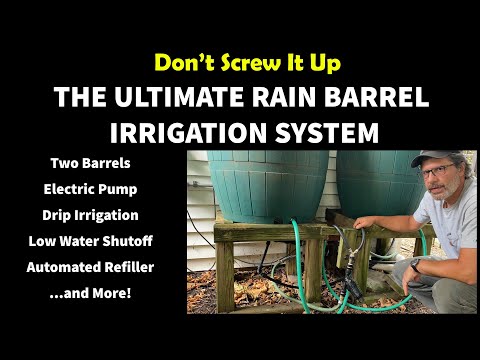
- Irrigation Systems: Integrating rainwater into drip or sprinkler irrigation systems.
- Storage for Dry Spells: Saving water for periods of low rainfall.
Considerations and Guidelines for Rainwater Irrigation
When setting up a rainwater irrigation system, you should take into account certain considerations:
- Legal Regulations: Check local laws regarding rainwater harvesting.
- Water Quality: Ensure that water is filtered and safe for plants.
- System Maintenance: Keep storage systems clean and well-maintained to avoid contamination.
Challenges of Using Rainwater for Irrigation
While using rainwater for irrigation is advantageous, there are some potential challenges:
- Seasonal Variation: Rainfall can be inconsistent, leading to water shortages.
- Initial Costs: Setting up a rainwater collection system can require an upfront investment.
- Maintenance Requirements: Regular maintenance is necessary to keep systems functioning properly.
Questions from Our Readers
Does rainwater need to be filtered before irrigation?
Yes, it is recommended to filter rainwater before using it for irrigation. This helps to remove any debris, pollen, or other contaminants that may be present, ensuring that the water is clean and suitable for plants.
What are the benefits of using filtered rainwater for irrigation?
Using filtered rainwater for irrigation offers several benefits, including reducing the risk of introducing pathogens to your garden, minimizing pesticide and fertilizer buildup in your soil, and promoting healthier plant growth due to the natural qualities of rainwater.
See also:
How can I filter rainwater for irrigation purposes?
You can filter rainwater using various methods, such as installing a first flush diverter, which helps to discard the initial flow of water that may contain contaminants, followed by a sand filter or mesh screen to catch smaller particles before the water enters your irrigation system.
Is untreated rainwater safe for all types of plants?
While many plants can tolerate untreated rainwater, some sensitive species may suffer from exposure to pollutants or contaminants found in the water. It is advisable to assess the specific needs of your plants and consider filtering rainwater to ensure their health and well-being.
If you want to read more articles like Does Rainwater Need to Be Filtered for Irrigation? Essential Insights for Sustainable Gardening, we recommend you check out our Irrigation category.
Leave a Reply
Related Articles