How Much Water Does a Sprinkler Use in 30 Minutes? A Comprehensive Guide to Water Usage
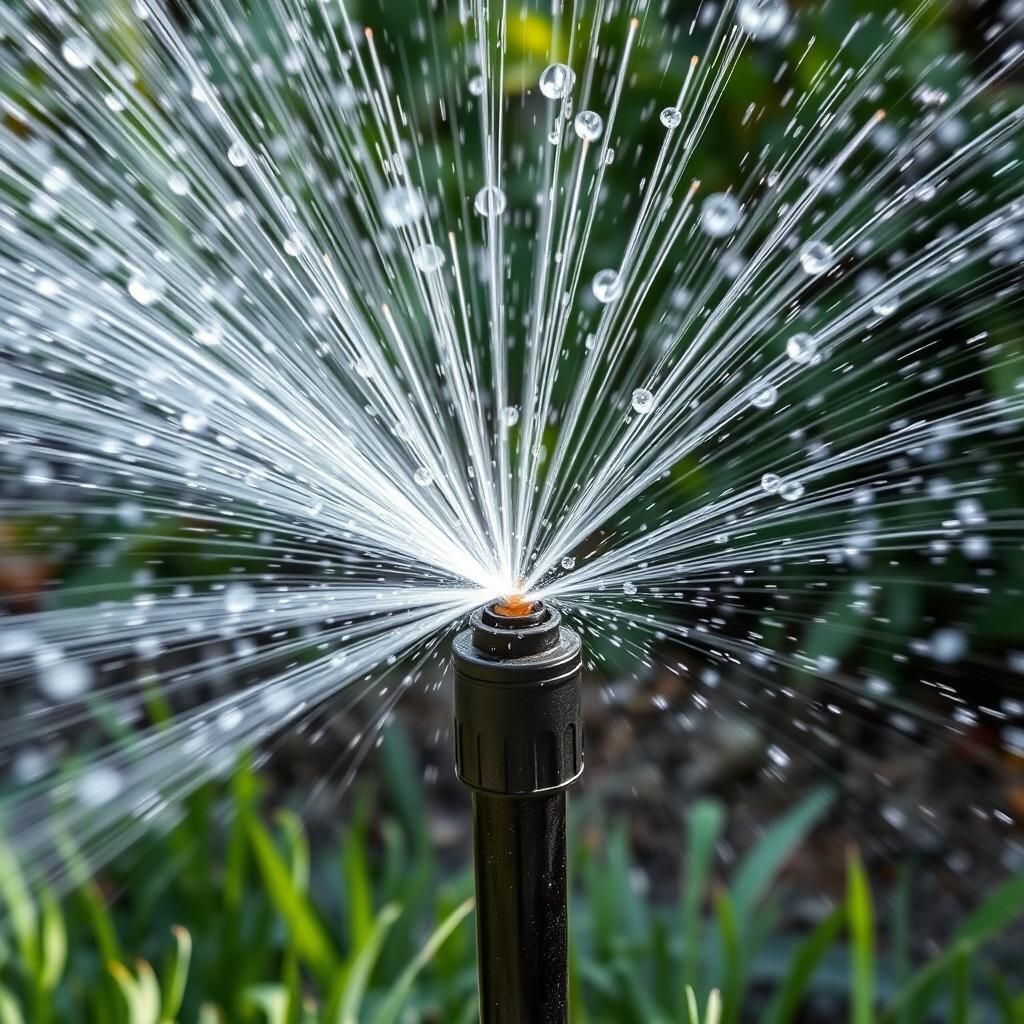
Watering a lawn or garden with a sprinkler is a common practice for maintaining lush greenery and vibrant flowers. However, many homeowners may not realize the significant impact that watering can have on water consumption. Understanding how much water a sprinkler uses in just 30 minutes is crucial for efficient water management, especially in areas where water conservation is paramount. This comprehensive guide will explore the various factors that influence sprinkler water usage, including types of sprinklers, pressure levels, and garden size, enabling you to make informed decisions for both your garden and the environment.
How Much Water Does a Sprinkler Use in 30 Minutes?
The amount of water a sprinkler uses in 30 minutes can vary greatly depending on several factors, including the type of sprinkler, the water pressure, and the size of the area being irrigated. For example, an average oscillating sprinkler may use anywhere from 1 to 3 inches of water per hour, which translates to about 0.5 to 1.5 inches in 30 minutes. This typically results in the usage of 10 to 30 gallons of water over this half-hour period for a standard residential lawn. To calculate the exact water usage, you can multiply the flow rate of your sprinkler, measured in gallons per minute (GPM), by 30 minutes.
Types of Sprinklers and Their Water Usage
Different types of sprinklers have varying flow rates, which will affect how much water is used in 30 minutes. For instance, a drip irrigation system can deliver only about 1-2 gallons per hour, making it much more efficient for certain plants compared to a traditional overhead sprinkler, which may use 2-5 gallons per minute. Knowing the type of sprinkler you have can help determine the amount of water used efficiently.
Measuring Flow Rate
To accurately understand how much water your sprinkler uses, you should first measure its flow rate. This can be done by capturing water in a container over a specified time and dividing the total volume by that time in minutes to get your gallons per minute (GPM). For instance, if your sprinkler fills a 5-gallon bucket in 2 minutes, it has a flow rate of 2.5 GPM. Multiplying this by 30 minutes will give you a clear indicator of total water consumption.
Impact of Water Pressure
Water pressure plays a significant role in sprinkler efficiency and water consumption. Higher water pressure can increase the sprinkler's flow rate, leading to potentially higher water usage. Generally, residential systems operate best at 40-60 PSI (pounds per square inch). If the pressure exceeds this range, it can cause the sprinkler to spray more water over a shorter distance, leading to potential waste.
See also:
Area Coverage of Sprinklers
The area that a sprinkler covers also significantly impacts how much water is used. Larger areas typically require more water, and sprinklers are often rated to cover specific square footage. For example, a sprinkler designed for a 1,000 square foot area may use a different amount of water than one designed for broader coverage. It's essential to understand your sprinkler's coverage to factor in water usage accurately.
Watering Needs of Plants
The specific watering needs of the plants in your garden can influence how much water you should apply. Different types of plants require varying amounts of water based on their species, climate, and season. For instance, lawns typically need about 1 inch of water per week, which is equivalent to about 0.5 inches during each watering session. Understanding these needs can help you adjust your sprinkler use accordingly.
| Sprinkler Type | Flow Rate (GPM) | Water Used in 30 Minutes (Gallons) |
|---|---|---|
| Oscillating Sprinkler | 2 - 5 | 60 - 150 |
| Rotary Sprinkler | 1 - 3 | 30 - 90 |
| Drip Irrigation | 0.5 - 1 | 15 - 30 |
| Stationary Sprinkler | 2 - 4 | 60 - 120 |
| Soaker Hose | 0.9 - 1.5 | 27 - 45 |
Factors Influencing Sprinkler Water Usage
The amount of water a sprinkler uses in 30 minutes can vary significantly based on multiple factors. Key influences include the type of sprinkler, its flow rate, and the water pressure at which it operates. For instance, low-flow sprinklers will distribute less water than traditional ones, while adjustable nozzles can alter the rate depending on the settings. Additionally, environmental conditions such as humidity and temperature can affect how much water is needed for effective irrigation, as higher evaporation rates may require more frequent watering sessions.
Understanding Sprinkler Types
Different types of sprinklers offer varying levels of efficiency and water usage. For example, drip sprinklers provide a slow and steady flow of water directly to the roots, minimizing waste, whereas impact sprinklers can cover larger areas but often use more water over time. By understanding the specific characteristics of each type, homeowners can choose the best option for their landscaping needs, ensuring both health for their plants and conservation of water resources.
Measuring Flow Rate
The flow rate of a sprinkler is a critical measure that indicates how much water is applied in a certain timeframe, typically given in gallons per minute (GPM). Sprinklers with a higher flow rate deliver more water over 30 minutes compared to those with lower rates. It's essential to measure the flow rate before installation to determine how much water your system will use and whether it aligns with your landscape requirements or water conservation goals.
See also:
Impact of Water Pressure
Water pressure significantly influences the performance of a sprinkler system. Higher water pressure can increase the spray distance and distribution, leading to more water applied in a shorter timeframe. Conversely, if the pressure is too low, the sprinkler may not operate effectively, leading to inefficient coverage. Therefore, it’s vital to find a balance that provides adequate pressure for optimal performance while limiting unnecessary water usage.
Adjusting Sprinkler Settings for Efficiency
Most modern sprinklers come with adjustable settings that allow the user to manage water application based on specific needs. By altering the spray pattern or adjusting the nozzle output, homeowners can significantly reduce the volume of water used while still ensuring their plants receive adequate moisture. This adaptability not only promotes healthier landscapes but also contributes to sustainability and lower utility bills.
Local Water Regulations and Conservation Tips
Many areas have set regulations regarding water usage, particularly during drought conditions. Familiarizing yourself with local laws can help in establishing a sprinkler schedule that adheres to these guidelines. Additionally, conserving water can be achieved through practices such as watering during cooler times of the day, using soakers or installed rain sensors to automatically adjust watering times, and implementing landscaping techniques that require less frequent watering. This not only helps the environment but also promotes responsible water management.
Questions from Our Readers
How much water does a typical sprinkler use in 30 minutes?
A typical sprinkler can use anywhere from 1 to 3 inches of water per hour, depending on the type and flow rate. Therefore, in 30 minutes, it may consume anywhere between 0.5 to 1.5 inches, which translates to approximately 1.5 to 4.5 gallons per minute.
Does the type of sprinkler affect water usage?
Yes, the type of sprinkler plays a significant role in determining water usage. For instance, oscillating sprinklers may use more water than drip irrigators. Overall, sprinklers with higher flow rates will consume more water in the same timeframe compared to those designed for efficiency.
See also:
How can I calculate the water usage of my sprinkler?
To calculate the water usage of your sprinkler, you should know its flow rate (in gallons per minute) and the amount of time it's running. Simply multiply the flow rate by the time in minutes. For instance, if your sprinkler has a flow rate of 3 GPM and you run it for 30 minutes, it will use 90 gallons of water.
Are there ways to reduce water usage from sprinklers?
Yes, there are several ways to reduce water usage from sprinklers. You can adjust the sprinkler settings, use a timer, or switch to more efficient watering methods like drip irrigation. Additionally, watering during the early morning or late evening can minimize evaporation, further conserving water.

If you want to read more articles like How Much Water Does a Sprinkler Use in 30 Minutes? A Comprehensive Guide to Water Usage, we recommend you check out our Irrigation category.
Leave a Reply
Related Articles