What is the best hawthorn tree for a small garden? A Complete Guide for Gardeners
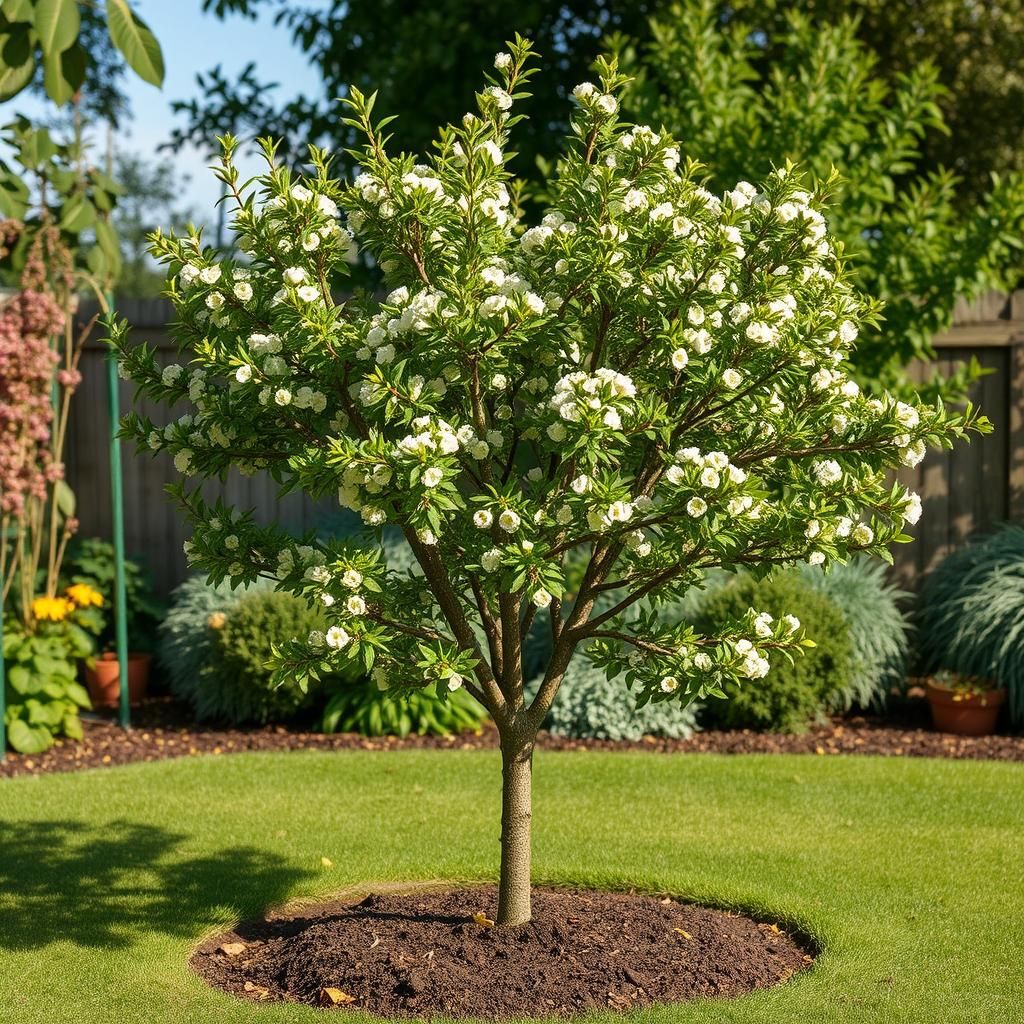
When it comes to enhancing the charm of a small garden, choosing the right tree can make all the difference. Hawthorn trees, known for their stunning blossoms and attractive berries, are an excellent choice for limited spaces. With various species available, each offering unique characteristics, selecting the best hawthorn for your garden can be a delightful yet challenging task. This complete guide will explore the top hawthorn varieties suited for small gardens, their growth habits, seasonal features, and care requirements. Whether you're a novice gardener or a seasoned pro, this guide will help you make an informed decision for your outdoor sanctuary.
Choosing the Best Hawthorn Tree for a Small Garden
When selecting the best hawthorn tree for a small garden, it's essential to consider both the size and growth habits of the species. The Crataegus laevigata, commonly known as the smooth hawthorn, is an excellent choice due to its compact form, reaching heights of only about 15-20 feet, making it suitable for tight spaces. Additionally, its attractive white flowers bloom in late spring, followed by red berries that attract birds, enhancing the garden's wildlife appeal. The tree can thrive in a variety of soil types and is relatively low-maintenance, making it an ideal option for gardeners looking to add both beauty and functionality to their small outdoor spaces.
Characteristics of the Smooth Hawthorn
The smooth hawthorn showcases a dense, rounded crown that provides ample shade in smaller gardens. Its glossy green leaves turn vibrant hues of orange and red in the fall, providing seasonal interest. This tree's thorns may deter casual garden pests, while its hardiness allows it to withstand various climate conditions, making it an excellent choice for diverse environments.
Benefits of Planting Hawthorn Trees
Planting hawthorn trees offers numerous benefits beyond aesthetic appeal. They serve as a natural habitat for various pollinators, including bees and butterflies, contributing to the health of local ecosystems. The berries produced in late summer provide a crucial food source for birds throughout the winter months, enhancing biodiversity in small gardens.
Care Requirements for Small Garden Hawthorns
Caring for a hawthorn tree in a small garden is relatively straightforward. They prefer well-drained soil and can tolerate partial shade but thrive best in full sun. Regular pruning helps maintain their shape and size, ensuring they don't outgrow their space. Additionally, hawthorn trees are generally resistant to many pests and diseases, making them a low-maintenance option for busy gardeners.
Best Planting Practices for Hawthorn Trees
When planting a hawthorn tree, it's vital to select a location that receives ample sunlight while providing enough space for growth. The ideal time to plant is in the spring or fall when the soil is moist and temperatures are mild. Before planting, amend the soil with organic matter to encourage healthy root development. Ensuring adequate spacing between plants also allows for proper air circulation, which is crucial for preventing diseases.
Popular Varieties of Hawthorn for Small Gardens
Several hawthorn varieties are well-suited for small gardens, with the Crataegus persimilis and Crataegus monogyna also being excellent candidates. The former has showy white flowers and berries that attract wildlife, while the latter is known for its hardiness and tolerance of urban conditions. Both varieties share similar care requirements and growth characteristics with the smooth hawthorn, making them great alternatives for those seeking a suitable tree for limited spaces.
| Hawthorn Variety | Height | Flower Color | Berry Color | Growing Conditions |
|---|---|---|---|---|
| Crataegus laevigata | 15-20 ft | White | Red | Full sun to partial shade |
| Crataegus persimilis | 15-20 ft | White | Red | Full sun |
| Crataegus monogyna | 15-25 ft | White | Red | Full sun |
What is the best variety of hawthorn tree?

The best variety of hawthorn tree is often considered to be the Crataegus laevigata, commonly known as English Hawthorn or Common Hawthorn. This species is praised for its adaptability, resilience, and ornamental beauty. It produces clusters of white to pink flowers in spring, followed by bright red berries in autumn. English Hawthorn can thrive in various soil types and is suitable for urban environments, making it a favorite among landscapers and gardeners.
Characteristics of the English Hawthorn
The English Hawthorn has several notable characteristics that contribute to its popularity.
- Size: Typically grows to a height of 15 to 30 feet.
- Leaf Shape: Dark green, lobed leaves that turn vibrant red in fall.
- Flowers: Displays abundant white or pink blossoms in late spring.
- Fruit: Produces small red fruits called haws that are not only decorative but also attract birds.
- Thorns: Features sharp thorns, which can deter animals and make it a good choice for hedging.
Best Growing Conditions for Hawthorn Trees
To thrive, the English Hawthorn prefers specific environmental conditions.
- Soil Type: Well-drained soil rich in organic matter.
- Sunlight: Requires full sun to partial shade for optimal growth.
- Watering: Regular watering during dry spells, especially in early growth stages.
- Climate: Adaptable to various climates but prefers temperate regions.
- pH Level: Tolerates a range of soil pH, ideally between 6.0 and 8.0.
Common Pests and Diseases Affecting Hawthorn Trees
While generally hardy, English Hawthorn can be susceptible to certain pests and diseases.
- Fire Blight: A bacterial disease that can cause significant damage to flowers and young shoots.
- Hawthorn Lace Bug: A pest that feeds on the underside of leaves, causing discoloration.
- Leaf Spot: Fungal infections that appear as spots on leaves, leading to premature leaf drop.
- Spider Mites: Tiny pests that can weaken the tree and cause leaf discoloration.
- Scale Insects: Can sap tree vitality and lead to a decline in health.
Uses of Hawthorn Trees
Hawthorn trees, particularly the English variety, are valued for multiple uses.
See also:
- Ornamental Use: Widely planted as decorative trees in parks and gardens.
- Wildlife Support: Provides habitat and food for various birds and insects.
- Medicinal Properties: Utilized in traditional medicine to support cardiovascular health.
- Hedging: Commonly used to create natural barriers due to its dense growth.
- Landscaping: Ideal for urban landscaping due to its resilience and low-maintenance requirements.
Cultivars of English Hawthorn
There are several popular cultivars of the English Hawthorn, each with unique features.
- Crataegus laevigata 'Paul's Scarlet': Known for its striking double red flowers.
- Crataegus laevigata 'Crimson Cloud': Features dark pink flowers and a compact form.
- Crataegus laevigata 'Coloratus': Notable for its ornamental value with rich red berries.
- Crataegus laevigata 'Winter King': Recognized for its hardiness and showy fruit in winter.
- Crataegus laevigata 'Bicolor': Unique for its white and pink flower mix.
What is the best tree to have in a small garden?

The best tree to have in a small garden typically depends on several factors such as climate, soil type, and personal preference. However, some trees are generally favored for small spaces due to their size, aesthetic appeal, and low maintenance. Among them, the Japanese Maple (Acer palmatum) stands out as one of the top choices.
Characteristics of the Japanese Maple
The Japanese Maple is celebrated for its delicate leaves and beautiful fall color. It comes in various cultivars that offer different leaf shapes and hues, appealing to many gardeners. The tree’s maximum height usually ranges from 10 to 25 feet, making it perfect for confined spaces. Its ornamental nature adds elegance and tranquility to small gardens.
- Height: Typically 10-25 feet, ideal for small areas.
- Leaf shape: Unique lobed leaves in various colors.
- Seasonal interest: Stunning autumn foliage.
Benefits of Having a Small Tree
Planting a small tree like the Japanese Maple offers numerous benefits. Such trees enhance the landscape's visual appeal while providing shade and shelter for smaller animals. Additionally, they can help in controlling soil erosion by stabilizing the ground with their roots. Their smaller size allows them to fit harmoniously in compact settings.
- Improved aesthetics: Adds beauty and elegance.
- Shade creation: Provides cooling during hot months.
- Wildlife support: Attracts birds and pollinators.
Care and Maintenance Requirements
Although the Japanese Maple is relatively low maintenance, it does require some care to thrive in a small garden. Proper watering, particularly during dry spells, is essential, as well as ensuring it receives adequate sunlight without being scorched by the afternoon sun. Pruning helps maintain its shape and remove any dead or crossing branches.
- Watering: Regularly monitor soil moisture.
- Sunlight: Preferably in dappled light or morning sun.
- Pruning: Conduct yearly pruning to shape and maintain health.
Choosing the Right Location
Selecting an appropriate location for your Japanese Maple is crucial. It performs best in well-drained soil and can thrive in a variety of pH levels. Additionally, while it prefers partial shade, too much shade can hinder its growth. Choosing a spot where it has enough space to grow without overcrowding other plants is vital.
- Soil: Well-drained with good moisture retention.
- Sun exposure: Morning sun with some afternoon shade.
- Space: Ensure adequate area for root expansion.
Alternative Options for Small Gardens
While the Japanese Maple is an excellent choice, there are also other small trees that can enhance your garden. These alternatives include the Dwarf Alberta Spruce, Crape Myrtle, and Redbud Tree. Each of these trees comes with its unique characteristics, providing options depending on the gardener's preferences.
- Dwarf Alberta Spruce: Compact and evergreen, great for structure.
- Crape Myrtle: Offers beautiful flowers and vibrant colors.
- Redbud Tree: Displays lovely purple flowers in spring.
What are the cons of the hawthorn tree?
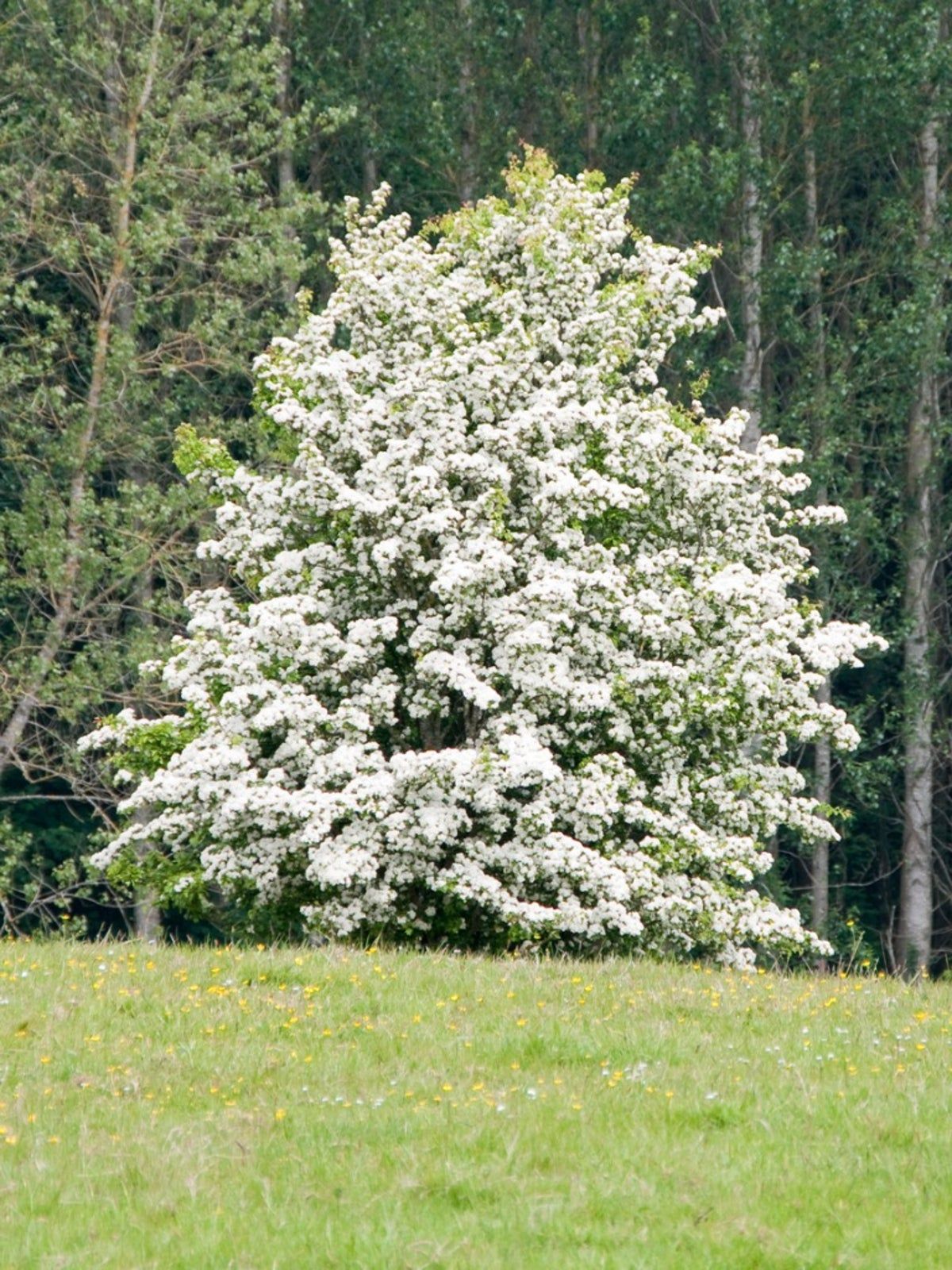
The hawthorn tree, while often appreciated for its beauty and ecological benefits, does come with several disadvantages that should be considered. Here are some of the main cons associated with this species.
Potential for Disease and Pests
One of the significant disadvantages of hawthorn trees is their susceptibility to various diseases and pests. Common issues include:
- Canker, which can lead to dieback in branches.
- Leaf spot
- Infestations from aphids and hawthorn midges, which can weaken trees.
Thorns and Physical Damage
Hawthorn trees are notorious for their sharp thorns, which can pose a hazard in gardens and landscapes. These thorns can lead to:
- Increased risk of injury to those maintaining gardens or landscaping.
- Challenges in managing undergrowth due to the thorny presence.
- Potential damage to landscape equipment during maintenance.
Autumn Leaf Drop and Messiness
As seasons change, hawthorn trees tend to drop their leaves and fruits, which can create a mess in the landscape. The implications include:
See also:
- Increased litter that requires regular cleanup.
- Development of slippery surfaces beneath the tree when fruits fall.
- Potential for attracting unwanted wildlife looking for fallen fruit.
Limited Growth in Urban Areas
Hawthorn trees may struggle to thrive in urban settings where conditions can be less than ideal for their growth. Concerns include:
- Soil compaction restricting root development.
- Air pollution that may negatively affect their health.
- Space restrictions limiting their natural growth potential.
Allergenic Potential
Another drawback of hawthorn trees is their potential to cause allergic reactions in some individuals. These considerations involve:
- Pollination can lead to increased pollen levels in the environment.
- Individuals with sensitivities may experience respiratory reactions.
- Awareness needed when planting near residential areas with sensitive populations.
What is the smallest hawthorn tree?
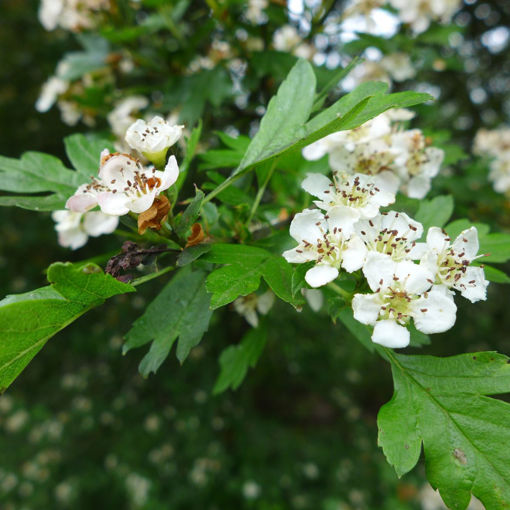
The smallest hawthorn tree is commonly known as Crataegus monogyna, or single-seed hawthorn. This species typically grows to a height of about 15 to 30 feet (4.5 to 9 meters), making it one of the more diminutive options within the hawthorn family. Often found in hedgerows and as ornamental trees in gardens, they offer both aesthetic value and ecological benefits, attracting various pollinators.
Characteristics of Crataegus monogyna
Crataegus monogyna exhibits several notable characteristics that make it distinctive among trees and shrubs.
- Leaves: The leaves are typically lobed and can vary in shape from simple to more complex configurations.
- Flowers: They produce clusters of white flowers in late spring, which are not only visually appealing but also attract bees and other pollinators.
- Fruits: The tree bears small, bright red fruits, known as haws, in the fall, providing food for birds and other wildlife.
Habitat and Native Range
The single-seed hawthorn is native to various regions, primarily across Europe and Western Asia.
- Climate Preference: It thrives in temperate climates, making it suitable for various growing conditions.
- Soil Type: This hawthorn prefers well-drained soils but can tolerate a range of soil conditions, including poorer soils.
- Ecological Role: As a native species, it plays an important role in local ecosystems, providing shelter and food for various species.
Cultivation and Care
Growing Crataegus monogyna requires understanding its basic cultivation needs for optimal growth.
- Sunlight: It thrives best in full sun to partial shade, which encourages vibrant growth and flowering.
- Watering: While well-drained soil is essential, young trees should be watered regularly to establish roots.
- Pruning: Regular pruning can help maintain its shape and health, especially to remove any dead or crossing branches.
Uses of the Smallest Hawthorn Tree
The smallest hawthorn tree has a variety of uses, both practical and ornamental.
- Ornamental Planting: Many people plant it for its attractive flowers and fall fruits, enhancing landscape aesthetics.
- Wildlife Habitat: It provides important habitat for birds, insects, and other wildlife.
- Medicinal Uses: Historically, hawthorn has been used in traditional medicine for its heart health benefits.
Maintenance and Challenges
While Crataegus monogyna is relatively low-maintenance, it does face some challenges that gardeners should be aware of.
- Pest and Diseases: Common threats include aphids and fire blight, which may require management strategies.
- Invasive Potential: In some areas, hawthorn can become invasive, necessitating careful monitoring.
- Environmental Factors: Extreme weather conditions, such as severe frost, can impact flowering and fruiting.
Questions from Our Readers
What size hawthorn tree is suitable for a small garden?
The ideal size for a hawthorn tree in a small garden is typically one that grows to a height of 10 to 15 feet. This size ensures that the tree does not overwhelm the space while still providing the aesthetic benefits of its beautiful flowers and foliage.
Which hawthorn variety is most compact for limited spaces?
The Crataegus monogyna, commonly known as common hawthorn, is one of the most compact varieties that works well in smaller gardens. It typically has a narrow growth habit and can fit nicely without taking too much room.
How much sunlight do hawthorn trees need in a small garden?
Hawthorn trees generally thrive in full sun to partial shade, requiring at least 6 hours of sunlight daily. In a small garden, ensuring they receive enough light is crucial for their health and blooming potential.
Is hawthorn suitable for attracting wildlife in small gardens?
Yes, hawthorn trees are excellent for attracting wildlife in small gardens, as they produce berries that attract birds and their flowers provide nectar for pollinators like bees. This makes them a great addition for those looking to encourage biodiversity in limited spaces.
See also:

If you want to read more articles like What is the best hawthorn tree for a small garden? A Complete Guide for Gardeners, we recommend you check out our Gardeners category.
Leave a Reply
Related Articles