What Are the Disadvantages of a Wooden Greenhouse? A Comprehensive Guide to Consider Before Buying
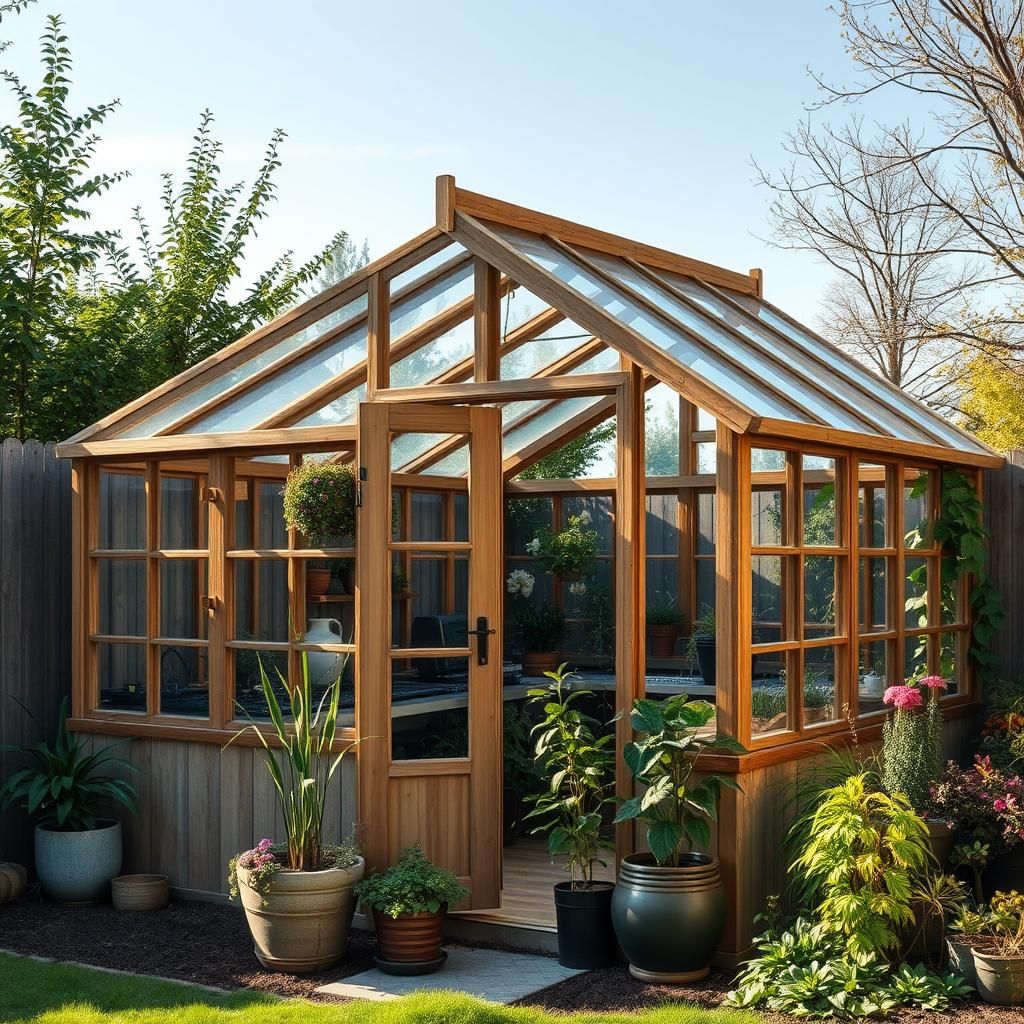
Wooden greenhouses are a popular choice among gardening enthusiasts for their aesthetic appeal and natural insulation properties. However, before investing in one, it's crucial to understand the potential disadvantages that may come with this option. From susceptibility to pests and rot to higher maintenance requirements, wooden greenhouses present unique challenges that can impact their longevity and effectiveness. This comprehensive guide aims to explore these drawbacks in detail, helping prospective buyers make informed decisions. By weighing the pros and cons, gardeners can ensure that they choose the right greenhouse structure to support their growing needs.
Disadvantages of a Wooden Greenhouse
A wooden greenhouse, while aesthetically pleasing and providing natural insulation, comes with several notable disadvantages. One primary concern is maintenance; wood is susceptible to rot, pests, and weathering, requiring regular treatments to prolong its lifespan. Additionally, wooden structures can be more expensive initially compared to other materials like aluminum or polyethylene, making them less budget-friendly. Another issue is ventilation; wooden greenhouses can trap heat more easily, necessitating proper airflow systems to prevent overheating. Lastly, the weight of wood can limit the design and mobility of the greenhouse, not allowing for easy relocation compared to lighter alternatives.
High Maintenance Costs
Wooden greenhouses require ongoing maintenance to prevent decay and insect infestations. Regular applications of sealants and treatments are necessary to protect the wood from moisture and pests, which can significantly increase the upkeep costs over time. Unlike metal or plastics, which can be more durable and easier to maintain, wood demands more attention, making it less appealing for those seeking a low-maintenance option.
Susceptibility to Pests and Rot
One of the most significant drawbacks of a wooden greenhouse is its vulnerability to pests and rot. Termites and other wood-boring insects can damage the structure, compromising its integrity. Moreover, if not properly sealed, wood can absorb moisture, leading to mold and rot, which not only weakens the structure but also poses risks to the plants inside.
Limited Lifespan
While wood can offer beauty and a natural look, it generally has a shorter lifespan compared to materials like metal or polycarbonate. Even with regular maintenance, most wooden greenhouses can deteriorate faster, which can result in the need for replacement or costly repairs after a few years, depending on the environmental conditions they are subjected to.
Heat Retention Issues
Wood is known for its natural insulating properties; however, this can lead to heat retention problems in a greenhouse setting. During hot summer months, a wooden greenhouse can trap heat, resulting in excessively high temperatures that can harm sensitive plants. Proper ventilation systems are essential but can complicate the structure’s design and increase the initial investment required.
Challenges in Mobility and Expansion
Wooden greenhouses are typically heavier and more cumbersome than those made from lighter materials. This weight can pose challenges when it comes to relocating or expanding the greenhouse. If the need arises to change the setup or move it to a different location, wooden greenhouses can be difficult to disassemble and transport, restricting flexibility for gardeners looking to optimize their space.
| Disadvantage | Description |
|---|---|
| Maintenance Costs | Regular upkeep and treatments needed. |
| Pest and Rot Vulnerability | High risk of damage from insects and moisture. |
| Limited Lifespan | Shorter durability compared to other materials. |
| Heat Retention Issues | Can trap heat during summer months. |
| Mobility Challenges | Heavy and difficult to relocate. |
What are the pros and cons of a wooden greenhouse?
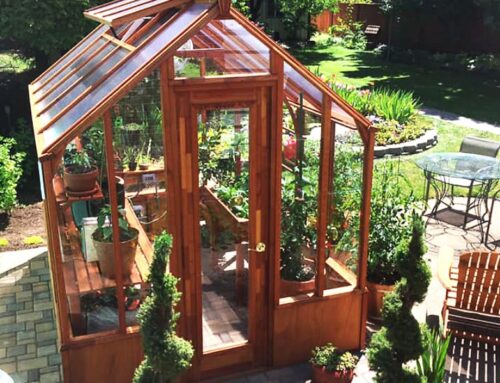
Pros and Cons of a Wooden Greenhouse
Wooden greenhouses offer a unique blend of aesthetics and functionality, making them popular among gardening enthusiasts. However, like any structure, they have their advantages and disadvantages.
Advantages of Wooden Greenhouses
Wooden greenhouses come with several benefits that can enhance both the growing experience and the general environment for plants.
- Natural Insulation: Wood naturally provides better insulation compared to other materials. This means that a wooden greenhouse can maintain warmth during cooler periods, which is beneficial for plant growth.
- Aesthetic Appeal: The visual aspect of wood adds a rustic charm to any garden. Wooden structures can blend seamlessly with natural surroundings, enhancing the overall beauty of the landscape.
- Durability: When properly treated and maintained, wooden greenhouses can last many years. High-quality wood is resistant to the elements, providing longevity to the greenhouse.
Disadvantages of Wooden Greenhouses
Despite their many advantages, there are drawbacks to consider when opting for a wooden greenhouse.
- Maintenance Requirements: Wooden greenhouses require regular maintenance to prevent rot and degradation. This includes sealing the wood and treating it with preservatives to extend its lifespan.
- Cost: The initial investment for a wooden greenhouse can be higher compared to other materials, such as aluminum or PVC. Quality wood and construction can add to overall costs.
- Pest Vulnerability: Wood can attract pests such as termites and other insects, posing a risk to the structural integrity of the greenhouse.
Best Wood Types for Greenhouses
Choosing the right type of wood is crucial for the durability and functionality of a wooden greenhouse.
- Cedar: Known for its natural resistance to decay and insects, cedar is an excellent choice for greenhouse construction.
- Redwood: Similar to cedar, redwood is durable and has a beautiful color, but it can be more expensive.
- Pine: Economical and widely available, untreated pine requires more maintenance but can be treated for better longevity.
Design Considerations for Wooden Greenhouses
The design of a wooden greenhouse significantly impacts its efficiency and functionality.
See also:
- Ventilation: Proper design should include windows and vents to ensure adequate airflow, which is essential to control humidity and temperature.
- Orientation: Positioning the greenhouse to maximize sunlight exposure will help in achieving optimal growing conditions for plants.
- Foundation: A solid foundation helps to prevent moisture from seeping into the wood, thus prolonging the life of the structure.
Environmental Impact of Wooden Greenhouses
The environmental considerations surrounding wooden greenhouses can be both positive and negative.
- Sustainability: Using sustainably sourced wood supports responsible forestry practices and minimizes environmental impact.
- Carbon Storage: Wood acts as a carbon sink, sequestering carbon dioxide from the atmosphere, thus contributing positively to the environment.
- Energy Efficiency: A wooden greenhouse offers natural insulation, potentially reducing energy consumption for heating.
Cost Comparison: Wooden vs. Other Materials
When comparing a wooden greenhouse to those made from other materials, several factors should be considered.
- Initial Costs: Wooden greenhouses generally have a higher upfront cost compared to metal or plastic options.
- Long-term Durability: Wood, when maintained properly, may provide better longevity than cheaper materials, impacting overall value.
- Insurance and Repairs: Wooden structures may require more frequent repairs and potentially more costly insurance, impacting long-term expenditure.
How long will a wooden greenhouse last?
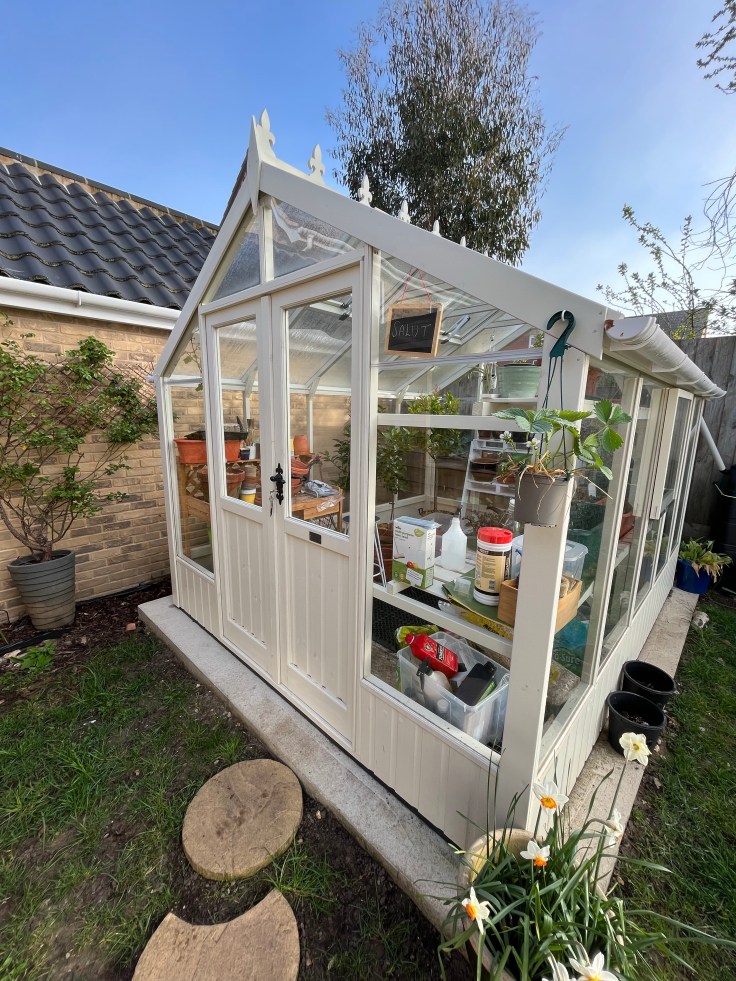
The lifespan of a wooden greenhouse can vary significantly based on several factors, including the type of wood used, the quality of construction, environmental conditions, and the level of maintenance provided. On average, a well-constructed wooden greenhouse can last anywhere from 10 to 25 years. However, with proper care and attention, some people have managed to extend the life of their wooden greenhouses to more than 30 years.
The following factors influence how long a wooden greenhouse will last:
Types of Wood Used
The choice of wood is crucial for the durability of a greenhouse. Different woods have varying resistance to decay and insects.
- Cedar: Naturally resistant to rot and bugs, cedar is a popular choice.,
- Redwood: Similar to cedar in terms of decay resistance, offering longevity.,
- Pine: Often treated for protection, but may require more maintenance.
Quality of Construction
The construction quality directly impacts the greenhouse's longevity. Well-built structures withstand environmental pressures better than poorly constructed ones.
- Joinery Techniques: Proper joinery can improve strength and stability.,
- Sealing: Using effective sealants and finishes can help protect against moisture ingress.,
- Design: A sturdy and well-planned design promotes longevity.
Environmental Conditions
Environmental factors play a significant role in determining the lifespan of a wooden greenhouse.
- Humidity: Higher humidity levels can lead to increased rot if not properly managed.,
- Temperature: Extreme temperature variations can cause wood expansion and contraction.,
- Sun Exposure: UV rays can degrade untreated wood over time.
Maintenance Practices
Regular maintenance is pivotal in extending the life of a wooden greenhouse.
- Regular Inspections: Checking for signs of damage allows for timely repairs.,
- Pest Control: Managing and preventing pest infestations is crucial.,
- Repainting or Sealing: Periodically treating the wood with protective coatings can prevent rot.
End-of-Life Considerations
Eventually, all wooden greenhouses reach the end of their usable life, but there are options for recycling or disposal.
- Recycling Materials: Reclaimed wood can be reused for new projects.,
- Repurposing: Components can be adapted for use in garden structures or furniture.
- Disposal Methods: Safe disposal in accordance with local guidelines helps manage waste.
Is a wooden or metal greenhouse better?
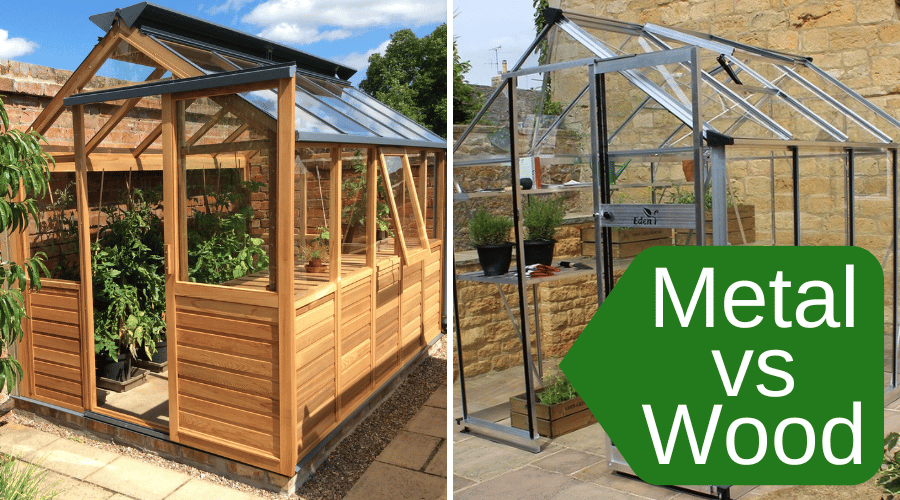
When considering whether a wooden or metal greenhouse is better, several factors come into play, such as durability, aesthetics, maintenance, cost, and insulation properties. Both materials have their unique advantages and disadvantages that can significantly affect a gardener's decision.
Durability and Longevity
The durability of a greenhouse is essential for its ability to withstand various environmental conditions.
- Metal Greenhouses: Typically made of galvanized steel or aluminum, metal greenhouses are resistant to rust and corrosion, especially if treated correctly. They tend to last longer than wooden structures.
- Wooden Greenhouses: While attractive, wooden greenhouses are more susceptible to rot, pests, and weather damage, which can reduce their lifespan significantly if not properly maintained.
- Comparison: In general, a metal greenhouse typically provides a longer lifespan and lower maintenance needs compared to wood.
Aesthetic Appeal
The appearance of a greenhouse can influence a gardener's choice based on personal preference and surroundings.
See also:
- Wooden Greenhouses: Offer a classic and natural look, blending seamlessly into gardens and landscapes, often adding to the aesthetic appeal of the property.
- Metal Greenhouses: Have a more industrial or modern appeal which might not suit every garden style but can look sleek and efficient.
- Personal Preference: Ultimately, the choice may depend on how much importance one places on visual harmony with their garden.
Maintenance Requirements
The level of maintenance required can significantly impact the overall experience of owning a greenhouse.
- Wooden Greenhouses: Require regular treatments (like sealants and preservatives) to protect against weather and pests, which can be time-consuming and costly.
- Metal Greenhouses: Generally need less upkeep, often requiring just occasional cleaning and a check for rust in treated areas.
- Effort Comparison: Metal structures typically demand less effort, making them appealing for busy gardeners.
Cost Considerations
The initial investment and long-term value of a greenhouse can heavily influence the decision between wood and metal.
- Wooden Greenhouses: Usually have a lower upfront cost but can incur additional expenses over time due to maintenance.
- Metal Greenhouses: May require a higher initial investment but often prove to be more cost-effective in the long run due to reduced maintenance.
- Total Value: It's essential to consider the total cost of ownership over time, not just the initial purchase price when making comparisons.
Insulation Properties
The ability of the greenhouse to regulate temperature and protect plants can be critical.
- Wooden Greenhouses: Provide better natural insulation, which can help maintain a stable temperature, promoting healthier plant growth.
- Metal Greenhouses: Tend to conduct heat, which might lead to overheating unless ventilation systems are in place, making temperature control more challenging.
- Temperature Regulation: For regions with extreme temperature fluctuations, wood could offer better climate control for sensitive plants.
How to insulate a wooden greenhouse?
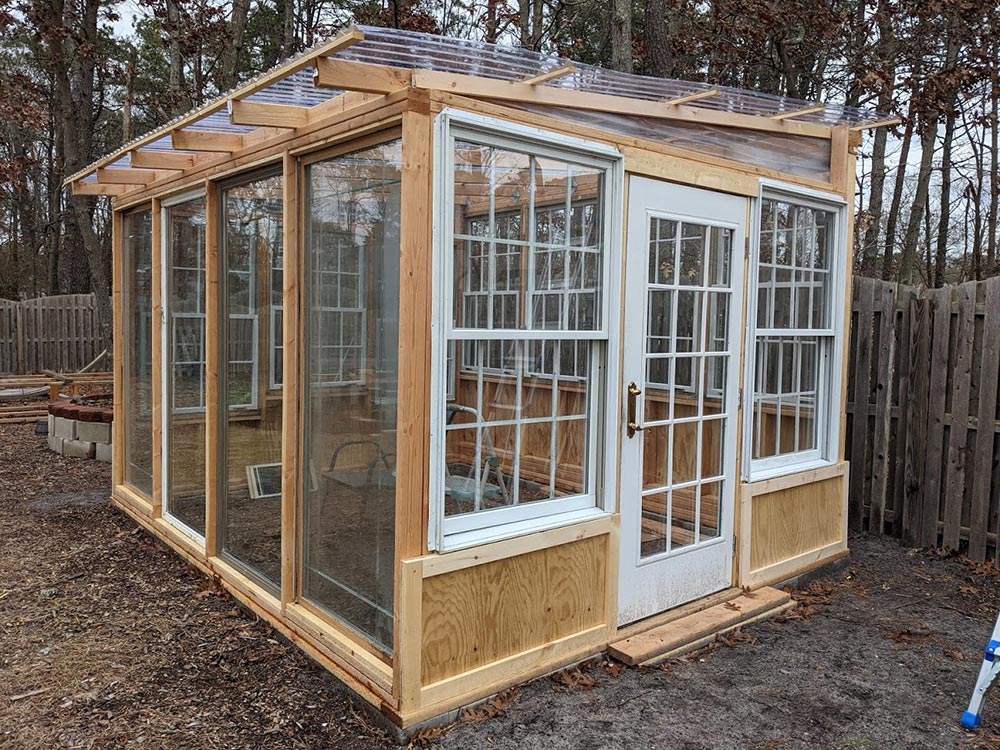
To insulate a wooden greenhouse effectively, you need to consider several methods and materials that can enhance thermal efficiency and protect your plants from extreme temperature fluctuations. Here’s a detailed guide on how to achieve this.
Choosing Insulation Materials
When insulating a wooden greenhouse, the choice of materials is crucial. Here are some common materials that can be used for insulation:
- Foam Board Insulation: Rigid foam boards can be easily cut to fit the structure of your greenhouse and provide excellent thermal resistance.
- Reflective Foil: This material can reflect heat back into the greenhouse, maintaining a warmer environment.
- Bubble Wrap: A cheaper option, bubble wrap can be affixed to the interior of the greenhouse to trap air and provide insulation.
Sealing Gaps and Cracks
One of the most effective ways to insulate your wooden greenhouse is by sealing any gaps or cracks. This helps prevent cold air from entering and warm air from escaping:
- Weather Stripping: Apply weather stripping around doors and windows to create a tight seal.
- Caulking: Use caulk to fill in any gaps or crevices in the wooden structure.
- Insulating Tape: For smaller gaps, use insulating tape as an additional barrier against drafts.
Using Thermal Mass
Incorporating thermal mass materials can help stabilize temperature fluctuations in your greenhouse. These materials absorb heat during the day and release it at night:
- Water Barrels: Place dark-painted water barrels within the greenhouse to soak up heat.
- Stone or Concrete: Use heavy materials as flooring or in raised beds to retain heat.
- Brick or Tile: These can also serve as effective thermal mass if placed strategically.
Ventilation and Humidity Control
Proper ventilation is essential for maintaining humidity and temperature levels in a greenhouse. Insulation alone isn’t enough; controlling airflow is equally important:
- Automated Vent Openers: Install automatic vents that open based on temperature to regulate airflow.
- Fans: Use circulating fans to help distribute heat evenly throughout the greenhouse.
- Humidity Monitors: Implement monitoring systems to help manage moisture levels effectively.
Heating Systems
In extremely cold climates, supplemental heating may be necessary in addition to insulation. Here are some heating systems to consider:
- Electric Heaters: These can be easily controlled and provide consistent heating.
- Hydronic Heating: This system uses water to distribute heat, often more energy-efficient than electric heaters.
- Soil Heating Cables: Placing heating cables under the soil can warm the root zone directly.
Questions from Our Readers
What is the main disadvantage of a wooden greenhouse?
The main disadvantage of a wooden greenhouse is its vulnerability to rot and pests. Unlike metal or plastic structures, wood can absorb moisture, leading to decay if not properly treated. This necessitates frequent maintenance, which can increase costs and effort over time.
How does insulation compare in a wooden greenhouse?
Wooden greenhouses typically have poor insulation compared to other materials such as glass or polycarbonate. This means they can experience temperature fluctuations, making it challenging to maintain optimal growing conditions for plants, especially in extreme weather.
Are there any fire safety concerns with wooden greenhouses?
Yes, wooden greenhouses pose certain fire safety risks. Wood is inherently flammable, and while protective coatings can reduce this risk, the potential for fire hazards remains higher compared to non-combustible materials, making it a consideration for greenhouse placement.
Is the cost of maintaining a wooden greenhouse high?
The maintenance costs for a wooden greenhouse can be relatively high due to the need for regular treatments to prevent rot and pest infestations. Furthermore, repairs can be more frequent compared to less susceptible materials, contributing to the overall expenses over time.
See also:

If you want to read more articles like What Are the Disadvantages of a Wooden Greenhouse? A Comprehensive Guide to Consider Before Buying, we recommend you check out our Greenhouse category.
Leave a Reply
Related Articles