What is the Difference between Clay and Sandy Soil? A Comprehensive Guide to Soil Types and Their Characteristics

Soil is a vital component of our ecosystem, serving as the foundation for plant life and agriculture. Among the various soil types, clay and sandy soils are two of the most common, each exhibiting unique characteristics that influence drainage, nutrient retention, and overall fertility. Understanding the differences between these soil types is essential for gardeners, farmers, and environmentalists alike. This comprehensive guide will delve into the properties of clay and sandy soils, exploring their formation, advantages, and challenges, ultimately equipping readers with the knowledge to make informed decisions for their gardening and cultivation needs.
What is the Difference Between Clay and Sandy Soil?
Clay and sandy soil differ primarily in their texture, drainage, and nutrient retention capabilities. Clay soil consists of very fine particles, which are tightly packed together, resulting in poor drainage and slow water infiltration. This can lead to waterlogging in wet conditions. In contrast, sandy soil is composed of larger particles that allow water to drain quickly, reducing the ability to retain moisture and nutrients. Consequently, while clay soils can hold important nutrients and support heavy vegetation, sandy soils often require frequent amendment with organic materials to support plant growth effectively. Understanding these differences is crucial for gardening and agricultural practices, as the choice of soil affects plant health and growth outcomes.
Soil Texture Comparison
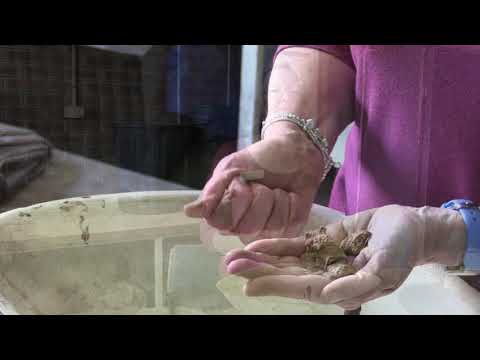
Soil texture is determined by the size of the particles that compose the soil. Clay particles are smaller than 0.002 mm, leading to a smooth texture that feels sticky when wet. Sandy soil, on the other hand, has larger particles ranging from 0.05 to 2 mm, resulting in a gritty texture. This fundamental difference in particle size affects how each type of soil interacts with moisture and air, ultimately influencing plant growth and health.
Drainage Characteristics
The drainage characteristics of clay and sandy soils are significantly different. Clay soils have low permeability due to their compact nature, causing water to accumulate and creating potential issues such as root rot in plants. Sandy soils, on the contrary, drain quickly, which can lead to dry conditions if not adequately watered. Hence, understanding these drainage characteristics is essential for selecting appropriate plants and irrigation methods for particular soil types.
Nutrient Retention
When it comes to nutrient retention, clay soils excel because their small particles provide a large surface area for nutrient molecules to attach themselves. This allows clay soils to hold onto essential minerals and make them available for plant uptake. Meanwhile, sandy soils have a much lower nutrient retention capacity due to their larger particle size, which results in quicker leaching of nutrients. Consequently, sandy soils often require fertilization amendments to ensure adequate plant nutrition.
See also:
Temperature Regulation
Temperature regulation between clay and sandy soils also varies. Clay soils warm up slowly in the spring due to their density, which can delay plant growth initially. However, they retain heat well, providing a more stable environment during colder months. Conversely, sandy soils warm up quickly due to their lighter texture but can also cool off faster, which might pose a risk for plants in fluctuating temperatures. Understanding how soil temperature impacts plant growth is vital for effective gardening.
Impact on Plant Growth
The type of soil directly impacts plant growth due to the differences mentioned above. Clay soils are known to support a variety of plants due to their nutrient retention; however, they can lead to poor growth if waterlogged. Sandy soils favor plants that can tolerate drier conditions and have adaptations for lower nutrient availability. Therefore, the choice between clay or sandy soil can dictate the types of plants that thrive in a particular environment.
| Soil Type | Texture | Drainage | Nutrient Retention |
|---|---|---|---|
| Clay Soil | Sticky, smooth | Poor drainage, high water retention | High nutrient retention |
| Sandy Soil | Gritty, loose | Good drainage, low water retention | Low nutrient retention |
The Impact of Soil Composition on Plant Growth
The composition of soil plays a crucial role in determining plant growth and overall health. Clay and sandy soils differ significantly in their texture and nutrient availability, influencing how much water and air can be retained. Clay soil, with its fine particles, tends to compact easily and holds moisture, making it rich in nutrients but often low in drainage, which can lead to root rot. In contrast, sandy soil is characterized by larger particles that allow for excellent drainage but poor nutrient retention, making it challenging for plants to access essential elements. Understanding these differences helps gardeners and farmers select appropriate crops and amend soil conditions accordingly to optimize agricultural productivity.
Characteristics of Clay Soil
Clay soil is defined by its fine texture and small particle size, which allows it to hold water and nutrients effectively. The compact nature of clay can lead to poor drainage, causing waterlogging during heavy rains and making it difficult for plant roots to breathe. Despite its challenges, clay is often nutrient-rich, supporting a diverse range of plant species once adequately managed. Its ability to retain moisture makes it suitable for certain plants that thrive in damp conditions, provided the soil is well-aerated through practices such as tilling or the inclusion of organic matter.
Characteristics of Sandy Soil
Sandy soil is characterized by its large particles, giving it a coarse texture that promotes excellent drainage and aeration. This type of soil does not retain moisture well, leading to quicker drying out, which can be challenging for plants that require consistent hydration. As a result, sandy soil generally has low nutrient content, often requiring regular fertilization to support plant growth. However, it is well-suited for crops that prefer drier conditions and can be beneficial in avoiding issues such as rot or mold that thrive in wetter environments.
See also:
Water Retention Differences
The difference in water retention between clay and sandy soil is significant. Clay, with its high capillarity, holds onto water particles tightly, creating a barrier that can prevent root systems from accessing this water when needed. On the other hand, sandy soil allows water to drain quickly, resulting in lower retention levels. Depending on the climate and types of plants grown, these differences can greatly affect irrigation practices, crop yields, and the need for amendments to improve water holding capacity in sandy soils or drainage in clay soils.
Nutrient Availability in Different Soils
Nutrient availability varies greatly between clay and sandy soils due to their distinct physical properties. Clay soil is typically rich in essential nutrients due to its particle composition, which allows for better nutrient absorption and retention. However, it can become compacted, which may limit nutrient access to roots. Conversely, sandy soil tends to leach nutrients quickly with water, making it harder for plants to obtain what they need to thrive. Regular addition of organic matter and fertilizers can enhance nutrient availability in sandy soils and help balance the nutrient dynamics between the two soil types.
Suitability for Different Plant Types
Both clay and sandy soils have unique advantages and disadvantages when it comes to plant growth, making them suitable for different types of plants. Clay soil is often better suited for plants that benefit from consistent moisture, such as willows and certain vegetables like cabbage and broccoli. Sandy soils, however, are ideal for drought-resistant plants and crops like carrots and melons, which thrive in well-drained conditions. Understanding the specific needs of plants can help gardeners and farmers effectively choose the right soil type or implement modifications to existing soils for optimal growth.
Questions from Our Readers
What are the main components of clay and sandy soil?
Clay soil is primarily composed of fine particles that are tightly packed, while sandy soil consists of larger particles that create more space between them. This composition leads to distinct properties, as clay retains moisture and nutrients well, whereas sandy soil drains quickly and does not hold moisture effectively.
How do clay and sandy soils affect plant growth?
Clay soil can support healthy plant growth due to its nutrient retention, but it can lead to poor drainage, which may suffocate roots. Conversely, sandy soil allows for better aeration and drainage, which promotes root health but demands more frequent watering and nutrient amendments to support plant growth.
See also:
What are the advantages of clay versus sandy soil?
One advantage of clay soil is its ability to hold nutrients, making it beneficial for certain crops. On the other hand, sandy soil is advantageous for plants that require well-drained conditions and is less prone to waterlogging, which can be crucial in regions with heavy rainfall.
How can you change clay soil into sandy soil or vice versa?
To improve clay soil, you can mix in organic matter, sand, or gypsum to increase drainage and aeration. For sandy soil, adding compost or organic matter can enhance its ability to retain moisture and nutrients, effectively improving its overall suitability for various plants.
If you want to read more articles like What is the Difference between Clay and Sandy Soil? A Comprehensive Guide to Soil Types and Their Characteristics, we recommend you check out our Soil category.
Leave a Reply
Related Articles