Can I use aluminum cans in the bottom of a planter? Discover the Benefits and Tips for Succulent Gardening
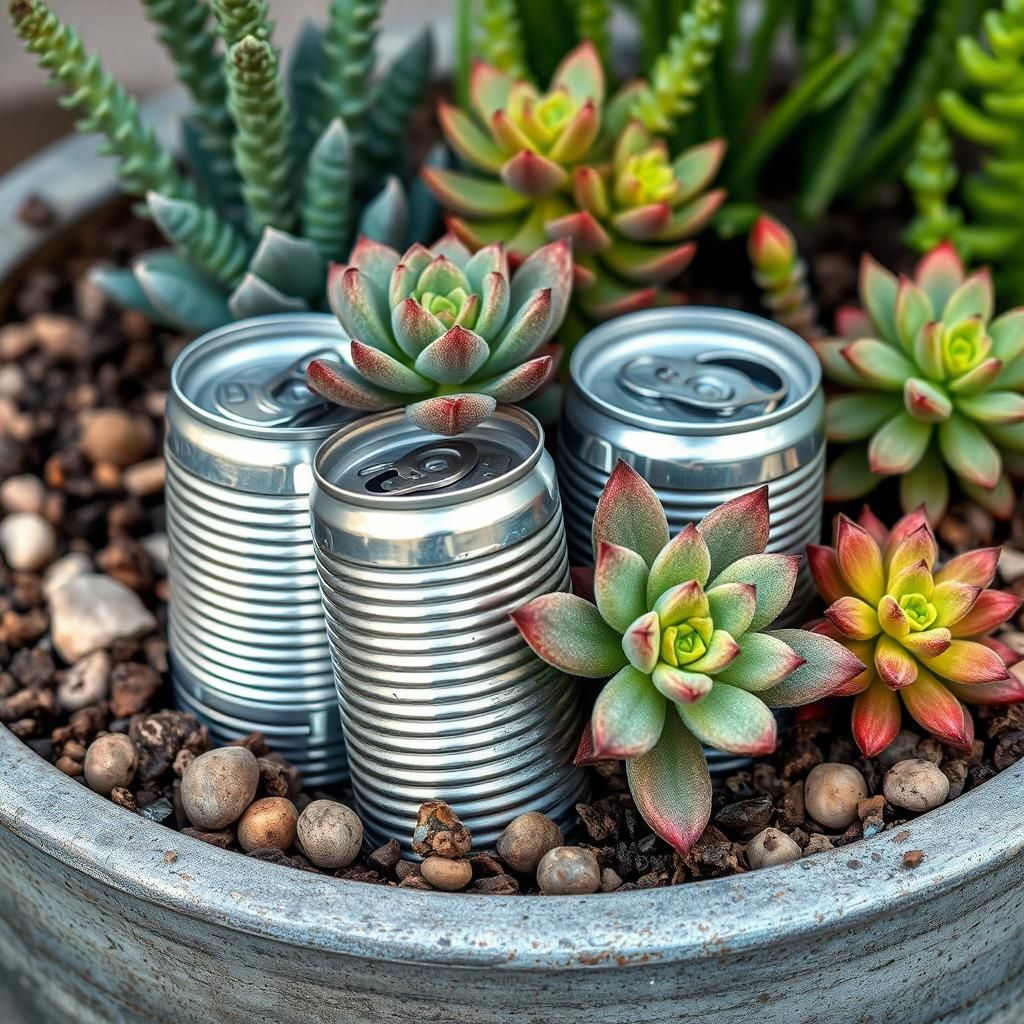
As succulent gardening gains popularity, enthusiasts often seek creative and effective ways to optimize their planting strategies. One intriguing method involves using aluminum cans in the bottom of planters. This approach not only aids in drainage but also promotes a lighter substrate, making it easier for these water-loving plants to thrive. In this article, we will explore the benefits of using aluminum cans in your succulent planters, provide essential tips for implementation, and discuss how this eco-friendly practice can positively impact your gardening experience. Join us as we delve into this innovative technique and enhance your succulent garden.
Can I Use Aluminum Cans in the Bottom of a Planter?
Using aluminum cans at the bottom of a planter can be a viable option for those looking to improve drainage and reduce soil usage. The cans act as a lightweight material that helps to create space, allowing excess water to flow through while preventing the soil from compacting too much. However, it is important to consider that the cans should be properly cleaned and punctured to avoid any issues with water retention or soil nutrition. Moreover, ensure that the use of aluminum does not interfere with the growth of the plants, as some may be sensitive to metals.
Benefits of Using Aluminum Cans in Planters
One of the primary benefits of using aluminum cans in planters is their ability to improve drainage. By creating a barrier that allows water to escape while preventing soil from falling out, cans can help to create a more balanced environment for plant roots. Additionally, they can reduce the overall weight of the planter, making it easier to move and care for plants. Lastly, using recycled materials like aluminum cans is an environmentally friendly approach to gardening that promotes sustainability.
Potential Drawbacks of Using Aluminum Cans
While there are benefits, there are also some potential drawbacks to consider. One concern is that using aluminum cans could potentially create sharp edges if they are not properly cut or if they dent, posing a risk for injuries during planting or maintenance. Furthermore, if not adequately cleaned, cans can harbor residues that might affect soil health. Lastly, the interaction between aluminum and certain soil nutrients is not fully understood, leading to concerns about long-term impacts on plant growth.
How to Prepare Aluminum Cans for Use in Planters
To safely prepare aluminum cans for use in planters, first, rinse them out thoroughly to remove any remnants of their original contents. Next, you should puncture holes in the bottom and sides of the cans to ensure effective drainage. Properly cutting the cans can also prevent sharp edges, which can be hazardous when handling the planters. Finally, it is advisable to use a combination of cans and other growing mediums, such as soil or stones, to create a balanced planting environment.
See also:
Alternatives to Using Aluminum Cans
If aluminum cans do not seem like a suitable option for your planting needs, there are several alternatives to consider. Plastic bottles, for example, can serve a similar purpose by filling the bottom of a planter while being lighter and less sharp. Other options include using stones, which can aid in drainage without any risk of metal leaching. Each alternative has its pros and cons, so it’s essential to select a material that aligns with your planting goals and the needs of your specific plants.
In Which Types of Planters are Aluminum Cans Most Suitable?
Aluminum cans can be particularly suitable for larger planters or raised beds where managing weight and drainage is crucial. They work well in containers that house plants requiring well-draining soil, such as succulents or herbs. However, for smaller pots or plants that thrive on moisture, it may be better to avoid using cans, as they could disrupt the moisture balance. Overall, it's essential to evaluate the specific needs of your plants before determining if aluminum cans are the right choice.
| Benefit | Drawback |
|---|---|
| Improves drainage | Sharp edges can pose risks |
| Lightweight | Potential soil health concerns |
| Eco-friendly material | Residue residue affecting plants |
Understanding the Role of Aluminum Cans in Planters for Succulent Gardening
Using aluminum cans at the bottom of a planter can provide several benefits for succulent gardening. These cans serve as a form of drainage layer, allowing excess water to escape and preventing root rot, which is particularly crucial in maintaining the health of succulents that thrive in well-drained conditions. Additionally, aluminum is a lightweight and recyclable material, making it an eco-friendly option for reducing the overall weight of your planter. By incorporating aluminum cans, gardeners can also save on soil and create a more sustainable planting environment while still providing enough nutrients for their succulent plants.
Benefits of Using Aluminum Cans for Drainage
One of the primary benefits of using aluminum cans in the bottom of a planter is their ability to promote drainage. When planting succulents, it is essential to keep the soil from becoming overly saturated with water. Aluminum cans allow excess moisture to flow out, ensuring that the roots receive adequate airflow and preventing conditions that could lead to root rot.
How Aluminum Cans Help in Weight Management
Incorporating aluminum cans into your planter can effectively reduce the overall weight of your container garden. Traditional methods often require filling the entire planter with soil, which can become heavy and cumbersome. By using cans as a filler, you decrease the amount of soil needed while maintaining a balanced aesthetic for your succulent arrangement. This lighter planter can be much easier to move and reposition as needed.
See also:
Environmental Impact of Recycling Aluminum Cans
Utilizing recycled aluminum cans in your garden is an excellent way to be more environmentally friendly. That not only provides a practical solution to weight and drainage but also promotes recycling, reducing waste in landfills. By choosing to repurpose aluminum cans, you're contributing to a sustainable gardening practice that aligns with eco-conscious values.
Choosing the Right Size of Cans for Planters
When selecting aluminum cans for use in planters, it's essential to consider their size and how they will fit within the container. Larger cans can create a more effective drainage layer, while smaller cans may be less obstructive. However, you should ensure that there is enough space for the succulents and their roots to thrive without being cramped, making it essential to balance can size with the overall design.
Additional Tips for Effective Succulent Gardening
In addition to using aluminum cans for drainage, consider incorporating a well-draining soil mix specifically designed for succulents. This mix, combined with the airflow provided by the cans, will create the ideal environment for your plants. Be sure to monitor your plants and adjust watering habits based on their needs, as different varieties of succulents may require varying levels of moisture.
Questions from Our Readers
Can I use aluminum cans in the bottom of a planter?
Yes, you can use aluminum cans in the bottom of a planter. They can help with drainage and reduce the amount of soil needed in the planter, but ensure the cans are clean and free of any residues.
Will using aluminum cans affect the soil or plants?
Using aluminum cans is generally safe, as they do not leach harmful chemicals into the soil. However, it’s important to use them responsibly and ensure that the cans do not create any sharp edges that could harm plant roots.
See also:
How many aluminum cans should I use in a planter?
The number of aluminum cans you should use depends on the size of your planter. As a general rule, a few cans can suffice for smaller planters, while larger planters may require more to efficiently improve drainage.
Do I need to cover the aluminum cans with soil?
Yes, it is advisable to cover the aluminum cans with a layer of soil after placing them in the bottom of the planter. This helps to keep the soil in place and protects the roots from any sharp edges that may be exposed.
If you want to read more articles like Can I use aluminum cans in the bottom of a planter? Discover the Benefits and Tips for Succulent Gardening, we recommend you check out our Planter category.
Leave a Reply
Related Articles