What Happens If You Don't Bag Your Grass Clippings? 5 Key Consequences for Your Lawn Health

Maintaining a healthy lawn requires more than just regular mowing; it involves making crucial decisions about lawn care practices, including what to do with grass clippings. When you choose not to bag your clippings, you might be surprised by the consequences that can impact your lawn's health. From nutrient cycling to potential pest issues, leaving clippings on the lawn or neglecting them altogether can lead to both advantages and drawbacks. In this article, we will explore five key consequences of not bagging your grass clippings, helping you make informed choices for a thriving and vibrant lawn.
What Happens if You Don't Bag Your Grass Clippings?
Failing to bag your grass clippings can lead to a variety of outcomes that can impact both your lawn's health and aesthetic. When grass clippings are left on the lawn, they can decompose and provide valuable nutrients back to the soil, contributing to healthier grass. However, if the clippings are too thick, they can form a mat that suffocates the grass beneath, preventing sunlight and moisture from reaching the soil. This can create dead spots and promote the growth of weeds. Moreover, it may increase the risk of fungal diseases, as damp clippings can foster an environment conducive to pathogens. Therefore, without proper maintenance, the choice not to bag can pose both benefits and risks depending on the condition of the lawn and the amount of clippings generated.
Benefits of Leaving Clippings on the Lawn
Leaving grass clippings on your lawn can act as a natural fertilizer, returning essential nutrients such as nitrogen back to the soil. This not only reduces the need for chemical fertilizers but also helps in retaining moisture, as the clippings can cover the ground, minimizing evaporation. Furthermore, this practice encourages thicker turf and improves the overall health of the lawn over time.
Risks of Excessive Thatch
One of the potential downsides of not bagging clippings is the accumulation of thatch, a layer of dead grass and organic material that can build up on the soil surface. If thatch becomes too thick, usually more than half an inch, it can hinder water and nutrient absorption, leading to poor grass health. Thatch can also attract pests and promote certain lawn diseases, which can ultimately harm your lawn.
Weed Growth
Leaving clippings on your lawn might inadvertently encourage weed growth, especially if the clippings contain seeds from other plants or are left in thick layers. These thick layers can create ideal conditions for the establishment of weeds, as they block sunlight and create a moist environment that benefits their growth. Therefore, careful management of clippings is essential to prevent this issue from arising.
Potential for Fungal Diseases
When grass clippings are left on the lawn for prolonged periods, they can become a breeding ground for fungal diseases. The moisture retained in the clippings can lead to a host of problems, such as brown patch or powdery mildew if environmental conditions are favorable. This not only damages the grass itself but can also lead to a larger outbreak, affecting surrounding areas of the lawn.
Environmental Considerations
Leaving grass clippings on the lawn can be seen as an eco-friendly practice, as it minimizes yard waste and reduces the need for chemical inputs. However, the environmental benefits must be weighed against potential lawn health issues. When managed correctly, this method contributes to a self-sustaining lawn ecosystem; however, improper management can lead to adverse effects both for your lawn and for the local environment.
| Aspect | Impact |
|---|---|
| Benefits of leaving clippings | Natural fertilizer, moisture retention |
| Thatch risks | Hinders nutrient absorption, attracts pests |
| Weed growth | Encourages the establishment of weeds |
| Fungal diseases | Creates breeding ground for diseases |
| Environmental considerations | Minimizes waste, eco-friendly |
Is it bad to not bag grass clippings?
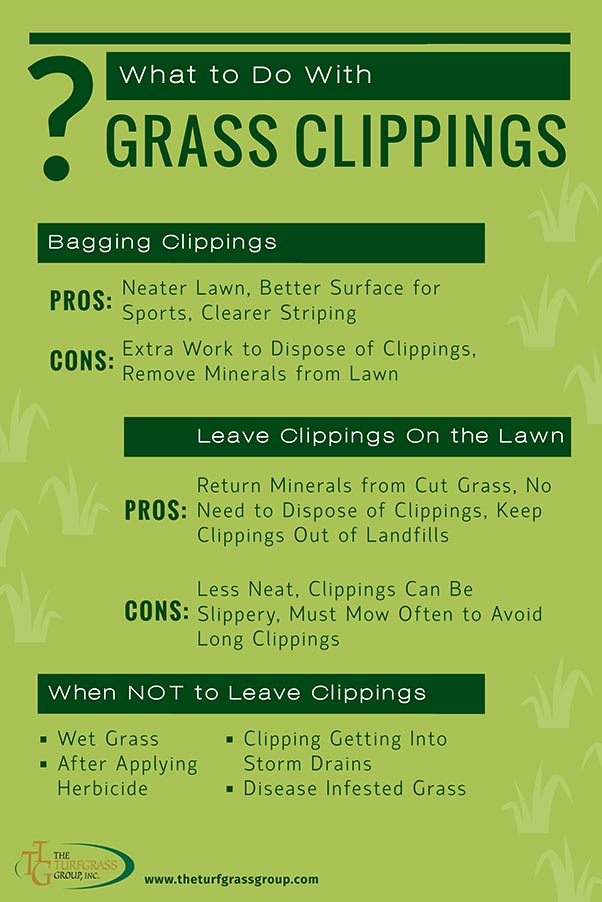
Not bagging grass clippings can have both positive and negative effects, depending on various factors, including lawn management practices, environmental considerations, and personal preferences. Below is a detailed exploration of the implications of not bagging grass clippings.
Benefits of Leaving Grass Clippings on the Lawn
Leaving grass clippings on the lawn, often referred to as mulching, can provide several advantages:
See also:
- Nutrient Recycling: Grass clippings contain valuable nutrients, particularly nitrogen, which can promote healthy lawn growth when returned to the soil.
- Moisture Retention: Clippings can help retain moisture in the soil, reducing the need for frequent irrigation.
- Reduced Waste: Not bagging clippings reduces yard waste that would otherwise go to landfills, promoting a more sustainable approach to lawn care.
Potential Drawbacks of Not Bagging Grass Clippings
While there are benefits, there are also potential downsides to consider when choosing not to bag clippings:
- Clumping Issues: If clippings are too long or wet, they can clump together, creating barriers on the lawn that block sunlight and air.
- Pest Attraction: Accumulated grass may attract certain pests or fungi if left unattended, possibly leading to disease or other issues.
- Aesthetic Concerns: An unkempt appearance may result from leaving large amounts of clippings on the lawn, depending on lawn care preferences.
Best Practices for Mulching Grass Clippings
To maximize the benefits of leaving grass clippings on your lawn, consider the following best practices:
- Regular Mowing: Mow regularly to ensure clippings are small enough to decompose quickly, preventing any clumping.
- Optimal Cutting Height: Maintain the proper height for your specific grass type to reduce the amount of clippings produced while promoting healthier grass.
- Dry Conditions: Mow when the grass is dry, which helps prevent clumping and ensures even distribution of clippings.
Environmental Impact of Grass Clippings
Leaving grass clippings on your lawn can contribute positively to the environment:
- Soil Health: Decomposing clippings improve soil structure and encourage beneficial microbial activity.
- Carbon Footprint: Reduces carbon footprint by minimizing yard waste in landfills, promoting a more eco-friendly approach.
- Biodiversity: Healthy lawns support a diverse ecosystem, where beneficial insects and organisms thrive due to improved soil health.
Alternatives to Bagging Grass Clippings
If not bagging grass clippings isn’t suitable for your situation, consider these alternatives:
- Composting: Collect clippings and compost them to create rich, nutrient-dense soil for gardening.
- Using a Mulching Mower: Invest in a mulching mower designed to finely chop clippings and return them effectively to the lawn.
- Spot Removal: Collect clippings only from areas where they would be unsightly and leave the rest to decompose naturally.
Do grass clippings need to be bagged?
Grass clippings do not necessarily need to be bagged; it largely depends on individual preferences and specific lawn care practices. Leaving grass clippings on the lawn can offer several benefits, while bagging them also has its advantages. Here are some considerations regarding whether to bag grass clippings or not:
Benefits of Leaving Grass Clippings on the Lawn
Leaving grass clippings on the lawn can contribute positively to its health. This practice, known as grasscycling, allows clippings to decompose and return valuable nutrients back into the soil.
- Nutrient Recycling: Clippings decompose quickly, providing essential nutrients such as nitrogen, phosphorus, and potassium.
- Soil Moisture Retention: The clippings can help maintain soil moisture, reducing the need for extra watering.
- Reduced Waste: This practice minimizes yard waste and the need for disposal, making it environmentally friendly.
When to Consider Bagging Grass Clippings
There are certain situations where bagging grass clippings may be more beneficial, especially in maintaining a clean and healthy lawn.
- Excessive Clippings: If the grass is overly tall or wet, clippings can accumulate and smother the grass below, leading to decay and potential disease.
- Weed Prevention: Bagging can help prevent the spread of weed seeds that may be present in the clippings.
- Aesthetic Preferences: Some homeowners prefer the appearance of a clean lawn without clippings, especially during a manicured presentation.
Understanding the Grasscycling Process
Grasscycling is the method of leaving clippings on the lawn and involves specific practices to maximize its benefits.
- Appropriate Mowing Height: Keep the mower blades sharp and set them to the correct height to avoid cutting the grass too short.
- Frequency of Mowing: Mow frequently enough so that clippings are not excessively long, making them easier to disperse.
- Timing of Mowing: Mowing during dry conditions can help ensure that the clippings do not clump together, facilitating better decomposition.
Impact on Lawn Health
The impact of leaving versus bagging grass clippings extends to the overall health of the lawn. Each option plays a role in lawn care strategies.
See also:
- Promotes Growth: Grasscycling can encourage thicker grass growth due to the nutrient boost.
- Soil Health Improvement: It contributes to improved soil structure and microbial activity, enhancing overall soil health.
- Reduction of Chemical Fertilizers: Grasscycling decreases reliance on chemical fertilizers, promoting a more natural lawn care approach.
Environmental Considerations
Choosing whether to bag or leave grass clippings has implications for the environment, particularly with yard waste management.
- Reduction of Landfill Waste: Not bagging clippings reduces the amount of organic waste sent to landfills.
- Lower Carbon Footprint: The practice is environmentally friendly, promoting sustainable lawn care practices.
- Home Composting: If one prefers bagging, clippings can be composted at home, thus still returning nutrients back to the earth.
Is it okay to mow without a bag?

Mowing without a bag can be a practical choice for many homeowners. This practice involves cutting grass and allowing the clippings to remain on the lawn rather than collecting them. Here are the main considerations regarding whether it is acceptable to mow without a bag:
Benefits of Mowing Without a Bag
Mowing without a bag offers several advantages that can enhance lawn health and efficiency:
- Nutrient Recycling: Grass clippings contain valuable nutrients that can return to the soil, providing essential nitrogen, phosphorus, and potassium.
- Time-Saving: Not bagging clippings saves time and labor, allowing for quicker mowing sessions and preventing the need for additional cleanup.
- Moisture Retention: Leaving clippings on the lawn can help maintain soil moisture, reducing the need for frequent watering, especially in dry periods.
Drawbacks of Mowing Without a Bag
Despite its benefits, mowing without a bag can also have drawbacks that should be considered:
- Uneven Appearance: Depending on the mower, clippings may be distributed unevenly, leading to an unkempt lawn. This can be particularly noticeable when cutting wet grass.
- Thatch Buildup: Over time, leaving clippings on the lawn can contribute to thatch, a layer of organic material that can suffocate grass if it becomes too thick.
- Pest Attraction: Excess clippings can attract pests and diseases, particularly if they accumulate in thick layers and create a damp environment.
When to Mow Without a Bag
Certain conditions make it more appropriate to mow without a bag, aligning with best practices for lawn care:
- Dry Conditions: Mowing when grass is dry ensures that clippings are finely chopped and distributed evenly across the lawn.
- Regular Maintenance: Frequent mowing (every one to two weeks) allows clippings to decompose quickly without causing thatch buildup.
- Healthy Grass: A robust lawn can handle clippings better, so mowing without a bag is recommended for healthy, well-maintained grasses.
Best Practices for Mowing Without a Bag
To maximize the benefits and minimize potential problems when mowing without a bag, follow these best practices:
- Sharp Blades: Ensure mower blades are sharp to produce clean cuts, allowing clippings to break down more quickly and evenly.
- Adjust Cutting Height: Mow at the appropriate height for your grass type; generally, removing no more than one-third of the grass height at a time is ideal.
- Mow Regularly: Establish a regular mowing schedule, which helps keep grass tidy and encourages quicker decomposition of clippings.
Considerations for Specific Grass Types
Different grass types respond uniquely to mowing without a bag, illustrating the importance of understanding your lawn:
- Cool-Season Grasses: Types like fescue and bluegrass can benefit from grass clippings left on the lawn, enhancing soil nutrients.
- Warm-Season Grasses: Grasses like Bermudagrass thrive well with clippings returned, but they may require more frequent mowing to avoid excessive clipping accumulation.
- Broadleaf Weeds: If weeds are present, mowing without a bag may risk leaving their seeds, so it is essential to keep records of maintenance and consider bagging as necessary.
Questions from Our Readers
What happens to the grass clippings if I don't bag them?
If you don't bag your grass clippings, they will decompose on the lawn, returning nutrients back to the soil. This process can lead to a healthier lawn as the clippings break down and provide natural fertilizer, helping to sustain grass growth.
Will leaving grass clippings on the lawn cause any issues?
Leaving clippings on the lawn can sometimes lead to thatch buildup if they are too long or in large quantities, which may prevent water and nutrients from reaching the soil. However, if managed properly, they can actually enhance lawn health.
See also:
Can I just leave the clippings if my grass is wet?
It is generally not recommended to leave wet clippings on the lawn because they can clump and smother the grass beneath, leading to poor air circulation. For optimal results, it's better to mow when the grass is dry to ensure even distribution.
Are there any benefits to not bagging grass clippings?
Yes, there are several benefits to not bagging grass clippings, including time and labor savings during mowing. Additionally, the clippings provide free organic matter that improves soil structure and helps retain moisture, benefiting your lawn in the long run.

If you want to read more articles like What Happens If You Don't Bag Your Grass Clippings? 5 Key Consequences for Your Lawn Health, we recommend you check out our Lawn category.
Leave a Reply
Related Articles