What is the easiest grass to maintain in Australia? A Complete Guide for Easy Lawn Care

Maintaining a lush, green lawn in Australia can be a rewarding experience, but it often comes with its challenges. With a diverse climate spanning coastal areas, deserts, and temperate regions, selecting the right grass type is crucial for easy upkeep. This comprehensive guide will explore the easiest grasses to maintain across Australia, providing insights into their growth patterns, water requirements, and suitability for various environments. Whether you’re a seasoned gardener or a novice homeowner, understanding these options will help you achieve a beautiful lawn with minimal effort, allowing you to enjoy your outdoor space all year round.
What is the Easiest Grass to Maintain in Australia?
In Australia, the easiest grass to maintain is typically Buffalo grass. This resilient grass variety is known for its adaptability to various climate conditions, especially in warmer regions. Buffalo grass is tolerant of drought and requires minimal mowing, making it an excellent choice for homeowners and commercial properties alike. Its robust root system allows it to thrive in less-than-ideal soil conditions, and it is also resistant to pests and diseases, further reducing maintenance efforts. Thanks to its lush green appearance and ability to stay green year-round, Buffalo grass is a popular option for those looking to establish a low-maintenance lawn.
Characteristics of Buffalo Grass
Buffalo grass features a wide blade that gives it a dense and lush appearance. Its vibrant green color provides a beautiful landscape, and as a warm-season grass, it grows best during the hotter months of the year. Moreover, Buffalo grass's ability to tolerate heat and drought conditions makes it suitable for Australian climates, particularly in areas that experience long dry spells.
Benefits of Choosing Low-Maintenance Grass
Selecting a low-maintenance grass like Buffalo can significantly reduce the time and effort required for lawn care. These grasses typically need less watering, mowing, and fertilizing, leading to lower maintenance costs. Furthermore, by choosing a variety that requires minimal upkeep, homeowners can enjoy a beautiful lawn without the constant investment of time and resources.
Best Soil Types for Easy Grass Maintenance
While Buffalo grass is adaptable, it thrives in well-draining soil with a pH level between 6.0 and 7.5. Sandy or loamy soils are ideal as they promote good root development. When starting a lawn, it is beneficial to conduct a soil test to determine the necessary amendments, ensuring optimal growing conditions that simplify lawn maintenance.
Watering Needs for Buffalo Grass
Buffalo grass is renowned for its drought resistance, requiring significantly less water compared to other grass varieties. With deep roots, it can access moisture from deeper soil layers, making it sustainable in areas with irregular rainfall. Generally, watering once a week during dry periods is sufficient, helping to conserve water resources and ease the maintenance burden.
Common Pests and Diseases
Though Buffalo grass is resistant to many pests and diseases, it is not entirely immune. Common issues may include grubs and fungal diseases. However, with proactive lawn care, such as proper watering and aeration, homeowners can minimize these risks. Regular inspection of the lawn can help detect any issues early, ensuring a healthy, low-maintenance grass area.
| Grass Type | Maintenance Level | Drought Tolerance | Recommended Soil Type |
|---|---|---|---|
| Buffalo Grass | Low | High | Sandy/Loamy |
| Kikuyu Grass | Medium | Medium | Sandy/Clay |
| Australian Bluegrass | Low | High | Sandy |
What is the most low maintenance grass?
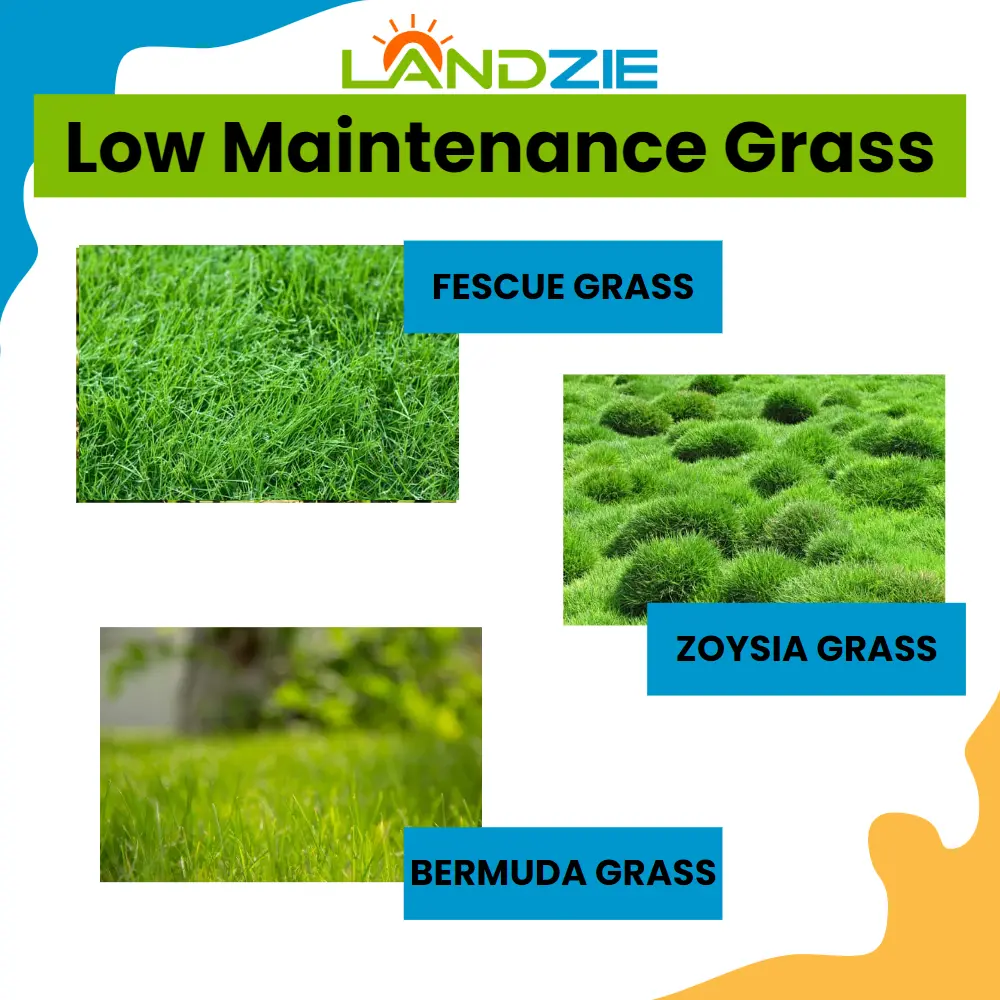
The most low maintenance grass is typically considered to be Tall Fescue. This grass type is favored for its durability, drought resistance, and adaptability to various climates. It requires less mowing and watering compared to other grass types, making it an excellent choice for homeowners looking for a low-maintenance lawn solution.
Benefits of Tall Fescue
Tall Fescue offers several key benefits, which contribute to its low maintenance characteristics:
- Drought Resistance: Tall Fescue’s deep root system allows it to withstand dry conditions better than many other grasses.
- Shade Tolerance: This grass can thrive in partial shade, making it suitable for yards with trees or structures that block sunlight.
- Durable Texture: Tall Fescue is more resistant to wear and tear, which makes it ideal for high traffic areas.
Ideal Regions for Tall Fescue
Tall Fescue is most commonly grown in the transitional zones, but it can adapt to a variety of climates. Its ideal growing regions include:
- Transitional Zones: Where cool-season grasses and warm-season grasses overlap, Tall Fescue performs exceptionally well.
- Southern Regions: It can survive in warmer areas as long as it is properly irrigated.
- Cooler Climates: Although it is more suited for transitional climates, Tall Fescue can still thrive in cooler regions if maintained properly.
Maintenance Tips for Tall Fescue
Maintaining a Tall Fescue lawn is relatively simple. Here are some tips:
- Watering: Deep but infrequent watering encourages deeper root growth, which increases drought resistance.
- Mowing: Keeping the grass height at around 3 to 4 inches helps reduce weed growth and protects the roots.
- Fertilization: A few applications of slow-release fertilizers during the growing season can help maintain its health without excessive work.
Common Problems and Solutions
Though Tall Fescue is low maintenance, some issues can arise:
See also:
- Weeds: Regular mowing and proper watering can help prevent weed growth; using pre-emergent herbicides may also be effective.
- Pests: Insect infestations can occur, but using natural pest control methods can mitigate this issue.
- Fungus: To avoid fungal diseases, ensure proper aeration and avoid over-watering, especially in the hot months.
Other Low Maintenance Grass Options
For those considering options beyond Tall Fescue, other low maintenance grasses include:
- Buffalo Grass: Extremely drought-resistant and requires little mowing, ideal for arid regions.
- Zoysia Grass: Low water needs and slow growth make it less labor-intensive, plus it has great heat tolerance.
- Perennial Ryegrass: Quick to establish and can often require less maintenance in cooler climates, though it may need more overseeding.
What is the best no mow lawn in Australia?

The best no-mow lawn option in Australia is often considered to be Kikuyu grass. This variety is favored for its resilience, drought tolerance, and ability to thrive in various climatic conditions across the country. Kikuyu is a warm-season grass that establishes quickly and can handle heavy foot traffic, making it a popular choice for both residential and commercial landscaping. Additionally, its vigorous growth helps suppress weeds, reducing the need for additional maintenance.
Characteristics of Kikuyu Grass
Kikuyu grass has several distinctive characteristics that make it suitable for a no-mow lawn:
- Fast Growth: Kikuyu establishes quickly from seed and spreads rapidly, which allows it to cover bare patches effectively.
- Drought Tolerance: Once established, Kikuyu can withstand dry conditions, requiring less frequent watering compared to other grass species.
- Durability: Its robust nature makes it ideal for high-traffic areas, as it can recover quickly from wear and tear.
Types of No-Mow Lawns
Aside from Kikuyu grass, there are other types of no-mow lawns that can be considered for Australian gardens:
- Clover Lawns: These are made up of different types of clover, which are low-growing, fix nitrogen in the soil, and require minimal mowing.
- Eco-Lawns: Comprising a mixture of native grasses and flowering plants, these landscapes thrive without regular mowing and support biodiversity.
- Buffalo Grass: Known for its shade tolerance and soft texture, it requires less maintenance but may still need occasional mowing.
Benefits of a No-Mow Lawn
There are numerous benefits of opting for a no-mow lawn, which include:
- Reduced Maintenance: With a no-mow lawn, you'll spend significantly less time and money on lawn maintenance, including mowing, fertilizing, and watering.
- Environmental Impact: Lower energy consumption and reduced carbon emissions from less mowing contribute to a healthier environment.
- Wildlife Habitat: Creating a diverse plant ecosystem attracts beneficial insects and birds, promoting a balanced ecosystem in your garden.
Best Conditions for Kikuyu Grass
To ensure optimal growth and health of Kikuyu grass, specific conditions should be met:
- Sunlight: Kikuyu thrives best in full sun, requiring at least 6 to 8 hours of sunlight daily.
- Soil Type: Well-draining soil with good nutrients supports the establishment and growth of Kikuyu grass.
- Climate: It performs best in warm, temperate climates, making it suitable for the majority of Australia.
Maintenance Tips for a No-Mow Lawn
While a no-mow lawn requires less maintenance, some tips can enhance its health:
- Watering: Provide deep watering during dry periods to promote deep root growth.
- Fertilization: Use a slow-release fertilizer to ensure your lawn receives essential nutrients.
- Weed Control: Monitor the lawn for weeds and remove them manually to maintain aesthetic appeal.
What grass doesn't spread in Australia?

The grass that is commonly recognized for not spreading extensively in Australia is Zoysia tenuifolia. This particular species of grass is known for its slow growth rate and dense growth habit, which makes it an excellent choice for lawns and public spaces where a neat appearance is desired without the risk of encroaching on other areas.
Characteristics of Zoysia Tenuifolia
Zoysia tenuifolia is often appreciated for its aesthetic qualities and resilience. Its unique characteristics include:
- Fine Texture: This grass has a fine, soft texture which is pleasing to the touch and visually appealing.
- Low Growth Habit: It maintains a low profile, growing slowly and making it less invasive than other grass types.
- Color: The grass exhibits a rich green hue, maintaining color during cooler months better than many warm-season grasses.
Benefits of Non-Spread Grass
Choosing a grass that doesn’t spread significantly offers several advantages, particularly in maintenance and landscaping:
- Reduced Maintenance: Less spreading means less frequent mowing and maintenance, saving time and effort.
- Control Over Growth: Non-invasive grasses allow for better control over landscaping and garden designs, helping to prevent unwanted encroachments.
- Sustainable Choices: These grasses can contribute to more sustainable landscapes, minimizing the need for chemical herbicides and fertilizers.
Ideal Environments for Non-Spread Grasses
Zoysia tenuifolia thrives in specific conditions, which makes it suitable for various environments:
See also:
- Tropical and Subtropical Climates: Naturally suited for warm areas, it performs well in typical Australian conditions.
- Well-Drained Soils: Prefers well-aerated soil, facilitating optimal growth without excessive water logging.
- Shaded Areas: This grass can tolerate light shade, making it versatile for gardens with trees or structures.
Common Uses of Zoysia Tenuifolia
This grass is versatile and is utilized in various applications due to its unique attributes:
- Lawns: Zoysia is popular for residential lawns, offering an elegant look while being easy to maintain.
- Sports Fields: Its resilience makes it suitable for low-traffic sports fields.
- Landscape Design: Perfect for ornamental areas due to its dense and visually appealing layer.
Alternatives to Zoysia Tenuifolia
While Zoysia tenuifolia is a favored choice, there are other grass types that share similar non-invasive traits:
- Fescue Grass: A fine fescue is known for its shade tolerance and low growth, ideal for cooler regions of Australia.
- Buffalo Grass: This species is also low-maintenance and resistant to drought, making it a sustainable option.
- Creeping Thyme: Though not a grass, creeping thyme offers a non-invasive ground cover with beautiful flowering qualities.
What is the native grass in Australia without mow?

The native grass in Australia that thrives without the need for mowing is primarily the kangaroo grass (Themeda triandra). This species is well adapted to the Australian environment and can endure both drought and fire, making it a popular choice for sustainable landscaping and ecological restoration efforts. Kangaroo grass is characterized by its tall, tufted growth and deep root system, which helps it retain moisture and sustain biodiversity.
Characteristics of Kangaroo Grass
Kangaroo grass is known for its distinct features, which include:
- Tufted Growth Form: This grass grows in dense clumps, giving it a unique appearance in the landscape.
- Height and Density: It can reach heights of up to 1 meter, thriving in a variety of soils.
- Seed Production: The plant produces small, feathery seed heads that disperse easily in the wind.
Ecological Benefits of Native Grasses
Using native grasses like kangaroo grass provides numerous ecological benefits:
- Biodiversity Support: These grasses provide habitat and food sources for various wildlife species.
- Soil Erosion Prevention: Their deep roots help anchor the soil, reducing the risk of erosion.
- Water Retention: Native grasses improve soil structure, enhancing its ability to retain water.
Cultivation and Care
Kangaroo grass requires minimal care compared to traditional lawn grasses:
- Low Maintenance: This grass does not require frequent mowing or fertilization.
- Drought Resistant: It is able to survive long periods without water.
- Adaptability: Kangaroo grass can thrive in various soil types and conditions.
Landscaping Uses
Kangaroo grass is a great option for landscaping for several reasons:
- Aesthetic Appeal: Its tall and lush growth adds a natural look to gardens.
- Native Plant Gardens: Perfect for creating low-water native gardens that support local flora and fauna.
- Wildlife Attraction: Attracts birds and insects, contributing to a vibrant ecosystem.
Challenges and Considerations
While kangaroo grass is advantageous, there are some challenges to consider:
- Invasive Species: In certain areas, it can compete aggressively with non-native plants.
- Establishment Time: It may take some time to establish a healthy population, requiring patience.
- Local Variations: Different regions may have variations that behave differently based on local conditions.
Questions from Our Readers
What is the easiest grass to maintain in Australia?
The easiest grass to maintain in Australia is often considered to be Buffalo grass. It is well-suited for the Australian climate, requiring minimal watering and tolerating drought conditions. Additionally, its deep roots make it resilient against heat, and it grows well in a variety of soil types.
Can you grow grass in shaded areas in Australia?
Yes, there are specific grass varieties that can thrive in shaded areas in Australia, such as Shade Tolerance or Zoysia grass. These grasses are designed to handle lower light conditions and can maintain their color and health with less sunlight compared to other varieties.
How often should you mow grass in Australia?
In Australia, the frequency of mowing grass typically depends on the growth rate and the type of grass, but a general guideline is to mow at least once every two weeks during the growing season. Regular mowing not only keeps the lawn neat but also encourages denser growth.
What is the best time to plant grass in Australia?
The best time to plant grass in Australia is during spring or early autumn when temperatures are mild, and there is adequate rainfall. This timing allows the grass to establish strong roots before the heat of summer or the cool conditions of winter set in.
See also:

If you want to read more articles like What is the easiest grass to maintain in Australia? A Complete Guide for Easy Lawn Care, we recommend you check out our Lawn category.
Leave a Reply
Related Articles