What are Two Disadvantages of Sprinkler Irrigation? Exploring the Downsides and Challenges
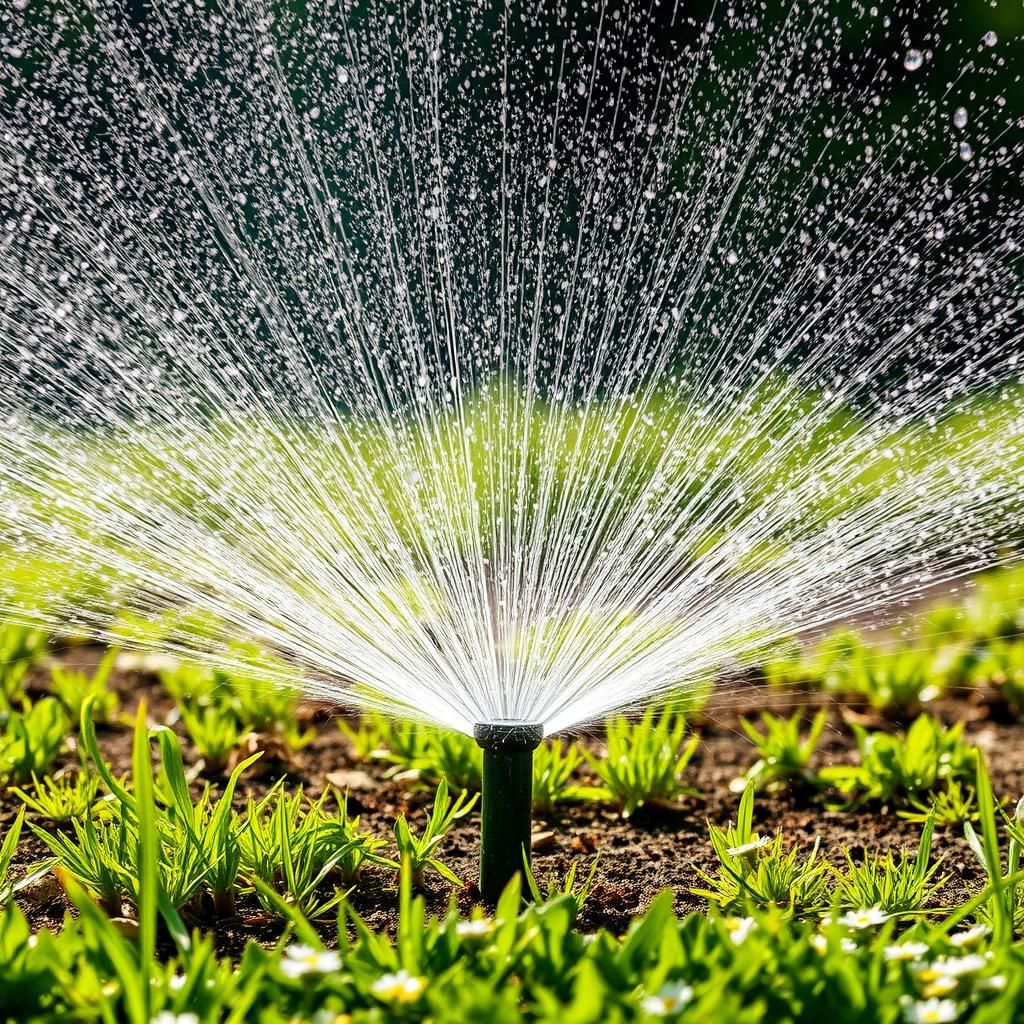
Sprinkler irrigation is widely regarded as an efficient method for watering crops and landscapes, but it is not without its drawbacks. While this irrigation system offers numerous benefits, such as uniform water distribution and the ability to cover large areas, it also presents significant challenges. In this article, we will delve into two key disadvantages of sprinkler irrigation: water wastage and increased susceptibility to disease. By understanding these downsides, farmers and land managers can make informed decisions about their irrigation practices and explore alternatives that may better suit their needs.
Disadvantages of Sprinkler Irrigation
Sprinkler irrigation has several drawbacks, but two of the most significant are water evaporation loss and the potential for uneven water distribution. Water evaporation loss occurs because water is sprayed into the air, which can lead to a substantial portion being lost before it reaches the ground, especially in hot and windy conditions. This not only reduces the efficiency of the irrigation system but can also contribute to higher water costs and more frequent watering needs. Additionally, uneven water distribution can result in some areas receiving too much water while others receive too little, potentially harming crops and leading to inefficiencies in water usage.
Water Evaporation Loss
One major disadvantage of sprinkler irrigation is water evaporation loss, where a significant amount of water can evaporate before it even reaches the soil. This phenomenon is particularly problematic in regions with high temperatures and strong winds, making sprinkler systems less efficient. Not only does this increased evaporation contribute to water waste, but it can also lead to higher operation costs as farmers need to compensate for the lost water through additional applications.
Uneven Water Distribution
Another drawback is the potential for uneven water distribution across the irrigated area. Depending on the setup and the type of sprinkler system used, certain zones may receive excessively high amounts of water while others may be under-watered. This uneven application can result in stress on crops, reduced yields, and the creation of waterlogged areas that can lead to diseases. Proper calibration and management are crucial to mitigating this issue but can be complicated.
Increased Energy Costs
Operating a sprinkler irrigation system can lead to increased energy costs, particularly if the water needs to be pumped from deep sources or over long distances. High energy consumption can make the system economically unfeasible for some farmers, especially if energy prices rise. Additionally, the need for more powerful pumps to maintain adequate pressure may further elevate operational costs, posing a financial burden on agricultural producers.
Maintenance Requirements
Sprinkler irrigation systems necessitate regular maintenance to function effectively. Components such as pipes, nozzles, and pumps can become clogged or damaged over time, requiring constant attention and repairs. This maintenance is not only time-consuming but also adds to the overall cost of the irrigation system. Neglecting these aspects can result in system failure and reduced efficiency, adversely affecting crop growth.
Environmental Impact
Another important consideration is the environmental impact of sprinkler irrigation systems. The water application method can lead to soil erosion and nutrient runoff, particularly on sloped land or poorly managed fields. This runoff can degrade local waterways and lead to pollution and sedimentation issues. Furthermore, over-irrigation can result in groundwater depletion, threatening local ecosystems and water availability for future generations.
| Disadvantage | Description |
|---|---|
| Water Evaporation Loss | Substantial loss of water due to evaporation before reaching the soil. |
| Uneven Water Distribution | Inconsistent watering leads to some areas being over or under-watered, affecting crop yield. |
| Increased Energy Costs | High energy consumption for pumping water increases operational costs. |
| Maintenance Requirements | Regular upkeep is necessary to prevent system failures and maintain efficiency. |
| Environmental Impact | Possible soil erosion and water pollution due to runoff and over-irrigation. |
What are three disadvantages of irrigation?

Environmental Impact
The implementation of irrigation systems can lead to various environmental issues. Excess water can cause waterlogging, which damages soil structure and reduces its fertility. Moreover, high levels of water can lead to the salinization of soil, making it unsuitable for crops. This phenomenon often occurs when water evaporates from the soil surface, leaving behind salts that accumulate over time. Key issues include:
- Soil degradation due to waterlogging.
- Increased salinity affecting crop growth.
- Potential harm to local ecosystems through altered water flow.
Water Scarcity
Irrigation can exacerbate the problem of water scarcity in regions that are already struggling with limited water resources. When large amounts of water are drawn from rivers, lakes, or aquifers, it can lead to depletion of these crucial reserves, impacting not only agriculture but also drinking water availability for local populations. The following repercussions can arise:
- Reduction of water supply for other uses, such as drinking and sanitation.
- Decreased water levels affecting local wildlife and ecosystems.
- Increased competition for water resources among farmers, industries, and urban areas.
Economic Costs
The establishment and maintenance of irrigation systems involve significant economic costs. This can be a major disadvantage, particularly for small-scale farmers or developing regions with limited financial resources. These costs can include installation, infrastructure maintenance, and ongoing operation expenses. Important aspects include:
- High initial investment for irrigation infrastructure.
- Ongoing costs for maintenance and water extraction.
- Financial strain on farmers leading to possible debt.
Dependence on Technology
Relying on irrigation systems can create an over-dependence on technology, which may not always be sustainable. In situations where technology fails, such as pumps breaking down or power outages, farmers can face crop failures. This dependence limits traditional farming practices and can lead to a loss of agricultural biodiversity. Key points include:
See also:
- Increased vulnerability to power or equipment failures.
- Loss of traditional farming methods and knowledge.
- Reduced crop diversity due to focus on irrigated crops.
Potential for Soil Erosion
Improperly managed irrigation can result in soil erosion, particularly in areas with steep terrain. The constant flow of water can wash away the topsoil that is vital for crop growth. This can have long-term effects on land productivity and sustainability. Concerns often include:
- Loss of nutrient-rich topsoil impacting future crop yields.
- Increased runoff leading to sedimentation in waterways.
- Degradation of land quality, making it less arable over time.
What are the disadvantages of impact sprinklers?
_1350.png)
Impact sprinklers offer several advantages in agricultural and landscaping irrigation; however, they also come with disadvantages that can affect their efficiency and effectiveness. Below are some of the key drawbacks associated with impact sprinklers.
1. Inconsistent Water Distribution
Impact sprinklers are known for their sporadic water distribution, which can lead to uneven moisture levels across the irrigated area. This inconsistency may result in some plants receiving too much water while others receive too little, potentially harming plant health.
- Variability in pressure can alter spray patterns.
- Distance from the sprinkler can create zones of over and under watering.
- Wind can further exacerbate the issue by pushing water off-target.
2. Higher Maintenance Requirements
One notable disadvantage of impact sprinklers is the higher maintenance they require compared to other types of sprinklers. Over time, these systems may develop issues that need regular attention, which can increase operational costs.
- Parts like bearings must be lubricated to avoid wear.
- Debris might clog nozzles and hinder performance.
- Adjustment of spray angles and distances may be needed periodically.
3. Noise Pollution
Impact sprinklers generate a loud clicking noise while operating, which can be disruptive, particularly in residential areas or near places where silence is preferred, such as hospitals or schools. This level of noise can disturb not only humans but also wildlife.
- The sound can travel significant distances, affecting nearby residents.
- Frequent activation can lead to increased ambient noise levels.
- Quiet alternatives may be more appropriate for noise-sensitive environments.
4. Limited Range and Coverage
Impact sprinklers generally have a limited range compared to other irrigation systems, which can restrict the areas they can effectively cover. This limitation can necessitate using multiple fixtures or different sprinkler types to achieve full coverage.
- Effective only within a short circular radius.
- Requires strategic placement to minimize dry spots.
- May not be suitable for large agricultural fields without additional units.
5. Sensitivity to Environmental Conditions
Impact sprinklers can be quite sensitive to varying environmental conditions, such as wind and temperature. Changes in these factors can dramatically affect their performance and water application efficiency.
- Wind can alter and disperse jets, leading to wastage.
- High temperatures may cause fast evaporation before water reaches the ground.
- Heavy rain can lead to runoff, further reducing irrigation efficiency.
What are two disadvantages of a wet sprinkler system?

Two disadvantages of a wet sprinkler system are the risk of water damage and the potential for freezing in cold climates.
Risk of Water Damage
Wet sprinkler systems are always filled with water, which means that if a system is accidentally activated, it can lead to significant water damage in the area. This can occur due to various reasons, such as:
- Accidental Activation: False alarms might trigger the sprinklers, causing unnecessary flooding.
- Leakage: Any malfunction or wear in the system can lead to leaks, resulting in extensive damage to property and belongings.
- Maintenance: Regular maintenance is required to prevent corrosion or blockages, which could also lead to water damage if not addressed.
Freezing in Cold Climates
In regions with severe winters, wet sprinkler systems can pose significant challenges due to the risk of freezing. When water inside the pipes freezes, it can lead to:
See also:
- Burst Pipes: Frozen water expands, potentially causing pipes to burst, which can be costly to repair.
- System Failure: If the system freezes, it may not activate in an emergency, putting the property at risk during a fire.
- Increased Costs: Additional insulation or the need to switch to a dry system can incur higher installation and operational costs.
Higher Installation Costs
Installing a wet sprinkler system can be more expensive compared to other types of fire suppression systems. The factors contributing to the higher installation costs include:
- Extensive Piping: The need for a comprehensive network of pipes means increased material and labor costs.
- Water Supply: Ensuring a reliable water supply that meets system demands can add to overall costs.
- Compliance: Meeting local fire codes and regulations often requires additional expenditures during installation.
Incompatibility with Certain Building Materials
Wet sprinkler systems may not be suitable for all types of building materials, particularly those that are known to degrade with constant moisture exposure. This can lead to:
- Structural Concerns: Water sensitive materials may weaken, leading to structural integrity issues.
- Increased Maintenance: Properties with incompatible materials may require more frequent inspections and maintenance.
- Alternative Solutions: Buildings at risk may necessitate the installation of alternative fire suppression systems, increasing initial investments.
Limited Control Over Water Dispersal
Wet sprinkler systems disperse water automatically upon detection of heat or smoke, which limits control over how much water is released. This can create issues such as:
- Flooding Concerns: An uncontrolled release of water can lead to flooding in a localized area, damaging property.
- Fire Compounds: Certain types of fires may react adversely to water, as some materials can combust violently when wet.
- Cleanup Efforts: Post-activation cleanup efforts can be extensive, requiring significant time and resources to restore the area.
What is the main advantage of using sprinkler irrigation?

The main advantage of using sprinkler irrigation is its ability to provide efficient water distribution over a wide area, ensuring that crops receive adequate moisture even in arid regions. This method simulates natural rainfall, allowing the irrigation system to be flexible in terms of scale and application. Sprinklers can adjust to various terrains and are also effective in uneven or sloped fields, which makes them particularly beneficial for diverse agricultural practices.
Efficient Water Usage
One of the key benefits of sprinkler irrigation is its efficient water usage. Sprinkler systems can be designed to minimize water wastage and optimize the amount delivered to crops. This efficiency leads to healthier plants and reduced water costs.
- Reduced evaporation losses due to targeted application.
- Ability to schedule watering during cooler parts of the day to further minimize loss.
- Flexibility to control the amount of water applied based on the specific needs of crops.
Versatility in Application
Sprinkler systems offer considerable versatility. They can be utilized in a variety of agricultural settings, from small gardens to large fields. This versatility allows farmers to adapt the irrigation method to suit different crop types and growth stages.
- Suitable for a range of crops, from grains to fruits and vegetables.
- Can be tailored to various terrains, including hilly and uneven surfaces.
- Easy to adjust for different farming practices and weather conditions.
Reduction of Soil Erosion
Another advantage of sprinkler irrigation is its ability to reduce soil erosion. Traditional irrigation methods, such as furrow or flood irrigation, can lead to significant runoff and topsoil loss. By applying water in a more controlled manner, sprinklers can help protect soil integrity.
- Minimizes surface runoff, maintaining soil structure.
- Promotes better root growth as moisture reaches deep into the soil.
- Supports the conservation of organic matter in the soil, enriching its quality.
Labor and Cost Efficiency
Sprinkler irrigation can lead to labor and cost efficiency in the long run. Once installed, these systems require less manual intervention compared to traditional watering methods. This efficiency can significantly lower labor costs and improve productivity.
- Automation options available to reduce manual labor needs.
- Lower long-term water costs due to effective delivery.
- Potential for multi-tasking machinery that can combine watering with other farming operations.
Improved Crop Yield
Finally, the use of sprinkler irrigation is associated with improved crop yields. By ensuring that plants receive a consistent and optimal amount of water, farmers can enhance the overall quality and quantity of their produce.
- Consistent moisture leads to healthier plant growth.
- Reduces crop stress during dry periods.
- Facilitates precise fertilization alongside watering, boosting growth rates.
Questions from Our Readers
Sprinkler irrigation can lead to significant water loss due to evaporation and wind drift, especially in hot and arid climates. This inefficiency means that not all of the water distributed reaches the plants, potentially resulting in inadequate moisture for optimal growth.
How does sprinkler irrigation affect soil health?
One disadvantage of sprinkler irrigation is its potential to cause soil compaction. When water is sprayed over a field, it can lead to increased traffic from machinery traversing the area, which compact the soil and negatively impact root expansion and aeration.
See also:
What is the effect of sprinkler irrigation on crop diseases?
Sprinkler irrigation can increase the risk of crop diseases because it can create a consistently moist environment on the leaves and stems of plants. This moisture is conducive to the growth of fungal and bacterial pathogens, which can harm crops and reduce overall yield.
How does the cost of installation compare to other irrigation methods?
The initial cost of installing a sprinkler irrigation system is generally higher compared to other methods such as drip irrigation or surface irrigation. This higher expense can be a major drawback for farmers on a tight budget, despite the potential benefits of flexibility and coverage.

If you want to read more articles like What are Two Disadvantages of Sprinkler Irrigation? Exploring the Downsides and Challenges, we recommend you check out our Irrigation category.
Leave a Reply
Related Articles