What are the disadvantages of an aluminium pergola? An In-Depth Analysis for Homeowners
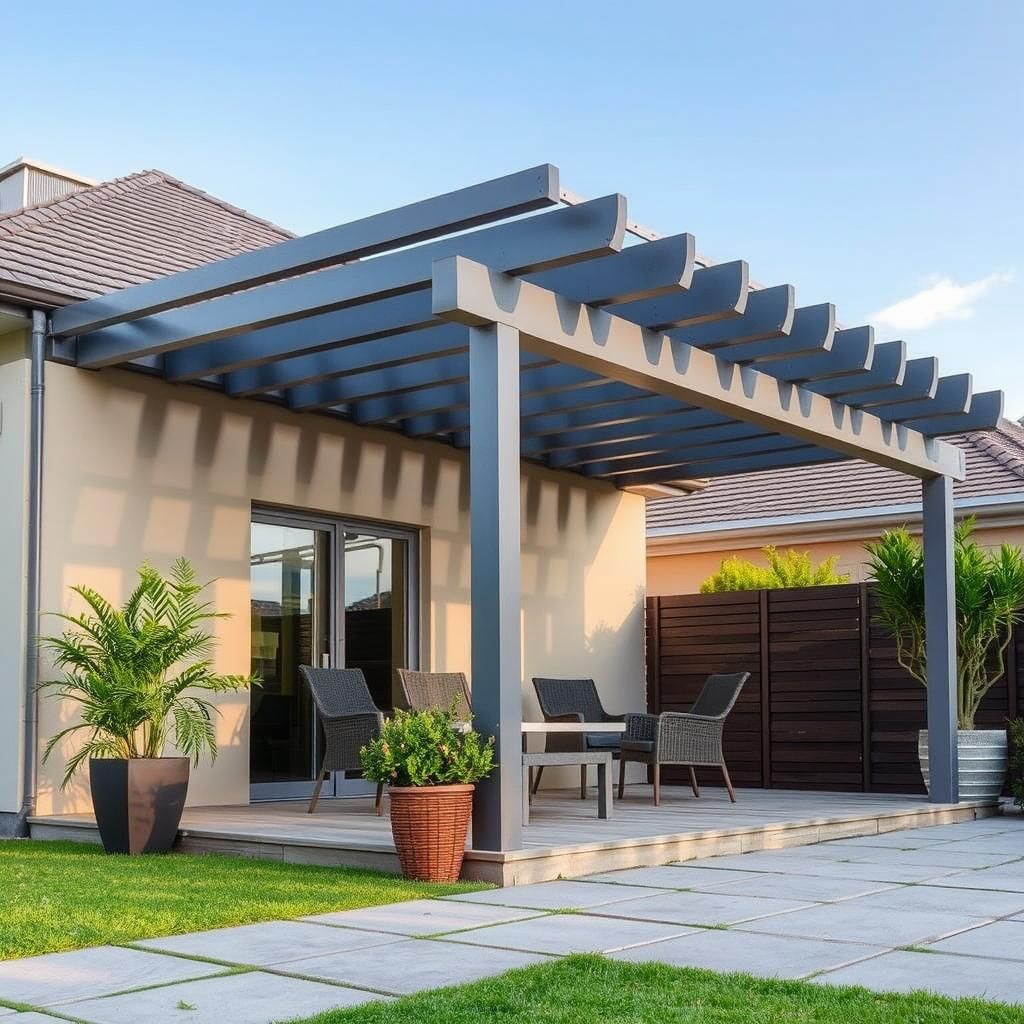
When considering outdoor structures for enhancing living spaces, aluminium pergolas often emerge as popular choices among homeowners. However, while they offer many advantages such as durability and low maintenance, it's essential to also examine the potential disadvantages. This in-depth analysis delves into the drawbacks of aluminium pergolas, including issues related to heat retention, cost considerations, and aesthetic limitations. By understanding these factors, homeowners can make informed decisions that align with their needs and preferences, ensuring that their investment in an outdoor structure contributes positively to their lifestyle and home environment.
Disadvantages of Aluminium Pergolas
Aluminium pergolas offer a modern solution for outdoor spaces, but they also come with several disadvantages that potential buyers should consider. One significant drawback is their higher initial cost compared to traditional materials like wood, which may deter budget-conscious consumers. Additionally, while aluminium is durable and resistant to rot and pests, it can be prone to scratches and dents, which may affect the aesthetic appeal over time. The material also tends to retain heat, making it uncomfortable during hot weather without proper ventilation. Lastly, the aesthetics of an aluminium pergola may not appeal to everyone, as it often lacks the natural charm associated with wooden structures.
Higher Initial Cost
One of the most significant disadvantages of aluminium pergolas is their higher initial cost compared to wooden or vinyl alternatives. The robust construction and durable materials lead to a more significant investment upfront. Although some may argue that aluminium is cost-effective in the long run due to its durability, the initial expenditure can be a barrier for many consumers looking to enhance their outdoor spaces without breaking the bank.
Susceptibility to Scratches and Dents
While aluminium is known for its resilience, it is not immune to scratches and dents. In environments where harsh weather or debris are common, the surface of an aluminium pergola can be easily damaged, which may call for additional maintenance or repairs. Such imperfections can detract from the overall visual appeal and may require the application of protective coatings or paints to mitigate visible wear and tear.
Heat Retention
Another notable disadvantage of aluminium pergolas is their tendency to absorb and retain heat. During hot summer days, these structures can become uncomfortably warm, making the outdoor space less inviting without proper shading or ventilation measures. Homeowners may need to invest in additional cooling solutions, such as fans or misters, which can add to the overall maintenance and operational costs of having an aluminium pergola.
Aesthetic Appeal
While some people appreciate the modern look of aluminium pergolas, others may find them lacking in the natural charm typically associated with wooden structures. Wood often evokes a more organic feel and can be customized with various finishes, while aluminium is limited in terms of aesthetic options. This discrepancy can influence a homeowner's decision, especially if they prioritize design harmony with existing outdoor elements.
Installation Complexity
The installation of aluminium pergolas can also pose challenges, as they often require specialized tools and technical knowledge. Unlike wooden pergolas that homeowners might be able to assemble themselves, aluminium structures often necessitate professional installation to ensure stability and safety. This need for professional involvement can add to the overall costs and time required to install an aluminium pergola, making it less accessible for DIY enthusiasts.
| Disadvantage | Description |
|---|---|
| Higher Initial Cost | Aluminium structures typically require a more significant upfront investment compared to other materials. |
| Scratches and Dents | Aluminium can be easily damaged, affecting its appearance over time. |
| Heat Retention | The material retains heat, making outdoor spaces uncomfortable during hot weather. |
| Aesthetic Appeal | Some may find aluminium lacks the traditional charm found in wooden pergolas. |
| Installation Complexity | Professional installation is often required, increasing costs and time. |
Are aluminum pergolas worth it?

Aluminum pergolas have gained popularity in outdoor decor and functionality, offering numerous benefits for homeowners seeking to enhance their backyard spaces. Their worthiness can be assessed through various aspects, including durability, maintenance, aesthetics, and cost-effectiveness. Here’s a detailed exploration into why aluminum pergolas might be considered a valuable investment.
Durability of Aluminum Pergolas
Aluminum pergolas are highly regarded for their durability. Unlike wood, which can warp, rot, or be susceptible to pests, aluminum provides a robust, long-lasting structure.
- Weather Resistance: Aluminum is inherently resistant to extreme weather conditions, preventing rusting and corrosion.
- Longevity: A high-quality aluminum pergola can last for decades with little to no degradation.
- Minimal Repairs: Often requiring fewer repairs than wooden options, aluminum pergolas maintain their integrity over time.
Maintenance Requirements
One of the standout features of aluminum pergolas is their low maintenance needs. Homeowners want hassle-free structures that look good year-round without extensive upkeep.
- No Painting Required: Unlike wood, aluminum does not require periodic staining or painting to protect it from the elements.
- Easy to Clean: A simple rinse with a hose or a wipe down with soap and water is usually sufficient to keep it looking great.
- Resistant to Pests: Aluminum’s resistance to insects means fewer concerns about infestations and damage.
Aesthetic Appeal
Aluminum pergolas come in a variety of styles and finishes, making them highly versatile and suitable for various architectural themes.
- Customization: They are available in numerous colors and designs, enabling homeowners to match their pergola with their home's overall aesthetic.
- Modern Look: Aluminum provides a sleek, contemporary appearance, elevating the visual appeal of outdoor spaces.
- Custom Features: Options for integrated lighting and adjustable slats add functional beauty to the structure.
Cost-Effectiveness
When considering the cost associated with outdoor structures, aluminum pergolas provide significant value over time.
See also:
- Initial Investment: While the upfront cost can be higher than wooden alternatives, its durability means fewer replacement costs in the long run.
- Energy Efficiency: Pergolas can provide shade, reducing energy costs for cooling your home during hot months.
- Increased Property Value: A well-installed aluminum pergola can enhance the overall value of the property, attracting potential buyers.
Environmental Considerations
Aluminum pergolas can also be a more sustainable choice compared to other materials, appealing to environmentally conscious consumers.
- Recyclability: Aluminum is 100% recyclable, reducing waste in landfills.
- Less Environmental Impact: The production of aluminum can be more eco-friendly than harvesting wood, depending on sourcing practices.
- Long-lasting Material: The longevity of aluminum means less frequent replacements, which translates to less resource consumption over time.
How long will an aluminium pergola last?

An aluminium pergola can last for many years, typically ranging from 20 to 30 years, depending on various factors such as climate, maintenance, and installation quality. Aluminium is inherently resistant to rust, corrosion, and pests, which significantly contributes to its durability compared to other materials like wood or steel. However, to maximize its lifespan, regular maintenance is essential.
Materials and Coating
The type of materials and protective coatings used play a crucial role in the lifespan of an aluminium pergola.
- Powder Coating: High-quality powder-coated aluminium is more resistant to fading and chipping.
- Alloy Composition: The specific alloy used can affect durability and resistance to environmental factors.
- Finish Maintenance: Regular cleaning and touch-ups of the coating can help maintain its protective layer.
Climate Impact
The climate in which the pergola is located can dramatically influence its longevity.
- Harsh Sunlight: Prolonged exposure to intense UV rays can cause fading but does not necessarily compromise structural integrity.
- Moisture and Humidity: In humid climates, while aluminium won’t rust, it may require more frequent cleaning to prevent mildew.
- Temperature Fluctuations: Extreme temperature swings can affect the material, but aluminium generally performs well under such conditions.
Maintenance Practices
Regular maintenance is key to extending the lifespan of an aluminium pergola.
- Cleaning: Regular washing with soap and water can prevent dirt and grime buildup.
- Inspection: Frequent checks for scratches, dents, and signs of wear can allow for timely repairs.
- Protective Coating: Reapplying protective coatings every few years can enhance durability.
Quality of Installation
The installation quality also impacts how long your aluminium pergola will last.
- Professional Installation: Ensuring that the pergola is installed by professionals can prevent structural issues.
- Foundation Work: A solid and stable foundation helps in maintaining the integrity of the structure over time.
- Correct Placement: Placement in an optimal location can reduce wear and stress on the structure.
Comparative Lifespan with Other Materials
Understanding how aluminium compares to other materials can provide perspective on its longevity.
- Wood: Wooden pergolas typically have a lifespan of 10-15 years unless treated regularly.
- Steel: While steel can also be durable, it is susceptible to rust without adequate protective coatings.
- Composite Materials: These can last 15-25 years, but may not offer the same level of longevity as aluminium.
Do aluminium pergolas get hot?
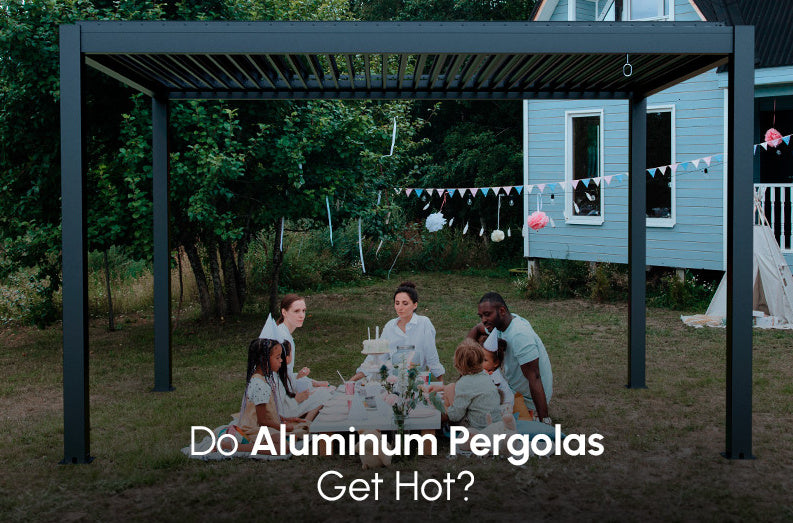
Aluminium pergolas can indeed get hot, especially in direct sunlight. Aluminium is a metal known for its ability to conduct heat. When exposed to high temperatures, such as in sunny weather, the surface of an aluminium pergola can become warm or even hot to the touch. This tendency varies based on several factors including the colour of the pergola, its design, and the surrounding environment.
Factors Affecting Temperature in Aluminium Pergolas
The temperature of an aluminium pergola is influenced by various factors. Some of the key elements include:
- Color: Darker colours absorb more heat than lighter ones.
- Design and Structure: Open designs may allow for air circulation, helping to dissipate heat.
- Location: Pergolas positioned in direct sunlight will heat up more than those in shaded areas.
Heat Management Techniques
There are several methods to manage the heat that may accumulate in aluminium pergolas:
- Installing Shade Fabrics: Adding fabric can provide shade and reduce heat.
- Using Lattice Panels: These can allow some sunlight while providing partial shade.
- Strategic Planting: Surrounding the pergola with trees or shrubs can offer natural cooler temperatures.
Benefits of Aluminium Pergolas Despite Heat
Although aluminium pergolas can become hot, they offer numerous benefits:
See also:
- Durability: Aluminium resists corrosion and weather damage.
- Lightweight: Easier to install compared to heavier materials like wood.
- Low Maintenance: Requires minimal upkeep compared to wooden structures.
Comparing Aluminium Pergolas to Other Materials
When comparing aluminium pergolas to those made from other materials, it’s essential to note:
- Wood: While wood is aesthetically pleasing, it can warp or rot with time.
- Vinyl: Unlike aluminium, vinyl does not conduct heat as efficiently.
- Steel: Steel can also get hot but is heavier and requires more support.
Conclusion on Heat and Comfort in Aluminium Pergolas
While aluminium pergolas can get hot under the right conditions, with the appropriate strategies, it is possible to enjoy the comfort of these structures without excessive heat discomfort. Options for shade, careful design choices, and integrating natural surroundings can significantly enhance the overall experience in your outdoor space.
What are the disadvantages of aluminium outdoor furniture?
Aluminium outdoor furniture is often praised for its lightweight and durable nature; however, it has several disadvantages that potential buyers should consider.
Cost Considerations
Aluminium furniture can be more expensive than other materials like wood or plastic. Although it is designed to last longer, the upfront cost can deter some buyers.
- Initial Investment: The price of aluminium furniture can be significantly higher, impacting budget considerations.
- Maintenance Costs: Although low maintenance is often touted, eventual repainting or refinishing can incur additional costs.
- Comparative Value: In comparison with other materials, buyers may feel they are not getting the best value for their investment.
Heat Retention
Aluminium furniture can absorb and retain heat, making it uncomfortable to sit on during hot days. This can deter use during peak sun hours.
- Temperature Sensitivity: Aluminium can become extremely hot when exposed to direct sunlight.
- Uncomfortable Seating: Sitting on heated aluminium can lead to discomfort or burns.
- Limited Use: This issue may limit the times of day when the furniture is enjoyable to use outdoors.
Appearance Limitations
While aluminium can be aesthetically appealing, it may not achieve the warmth and natural beauty of wood or other materials.
- Design Variety: There may be fewer design options available in aluminium compared to wood or rattan.
- Finish Options: Paint and powder coating can chip or fade over time, affecting the overall appearance.
- Perceived Coldness: Aluminium can appear colder and less inviting than materials like wood.
Stability and Weight
Although lightweight is often seen as an advantage, it can also mean instability in high winds or uneven surfaces.
- Wind Resistance: Lightness can make aluminium furniture susceptible to being knocked over or blown away in windy conditions.
- Uneven Surfaces: On uneven patios, lightweight furniture may wobble, detracting from user comfort.
- Less Permanent Feel: The lack of weight may not convey a sense of permanence or sturdiness, affecting user satisfaction.
Oxidation and Corrosion
Although aluminium is resistant to rust, it can still oxidize, leading to a white chalky residue that diminishes the visual appeal.
- Long-Term Degradation: Oxidation can compromise the appearance of the furniture over time.
- Cleaning Challenges: Removing oxidation stains can require specific cleaners and more effort.
- Preventive Measures: Users may need to regularly apply coatings to mitigate oxidation, increasing maintenance requirements.
Questions from Our Readers
What are the main disadvantages of an aluminium pergola?
Aluminium pergolas can be less durable than other materials like wood, especially in extreme weather conditions. They may also suffer from corrosion over time if not properly anodized or painted, leading to a shorter lifespan compared to other options.
Do aluminium pergolas provide adequate insulation?
One of the main drawbacks of aluminium pergolas is that they generally offer poor insulation compared to wooden structures. This means they can become uncomfortably hot in the sun and might not provide sufficient protection from the elements without additional coverings.
Are aluminium pergolas flexible in design?
While aluminium pergolas can be designed in various styles, they often lack the customizability that wooden pergolas offer. The range of finishes and designs may be more limited, making it challenging to achieve a specific aesthetic that blends seamlessly with your home's exterior.
Do aluminium pergolas retain heat?
Aluminium has a tendency to retain heat, which can make pergolas built from this material quite unpleasant during the hotter months. This can also lead to increased temperatures in outdoor spaces, making them less inviting for shade or relaxation.
See also:
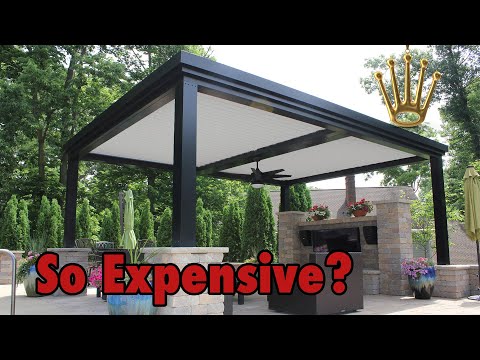
If you want to read more articles like What are the disadvantages of an aluminium pergola? An In-Depth Analysis for Homeowners, we recommend you check out our Pergola category.
Leave a Reply
Related Articles