How Long Should I Cut Weeds Before Spraying Roundup? Essential Tips for Effective Weed Control
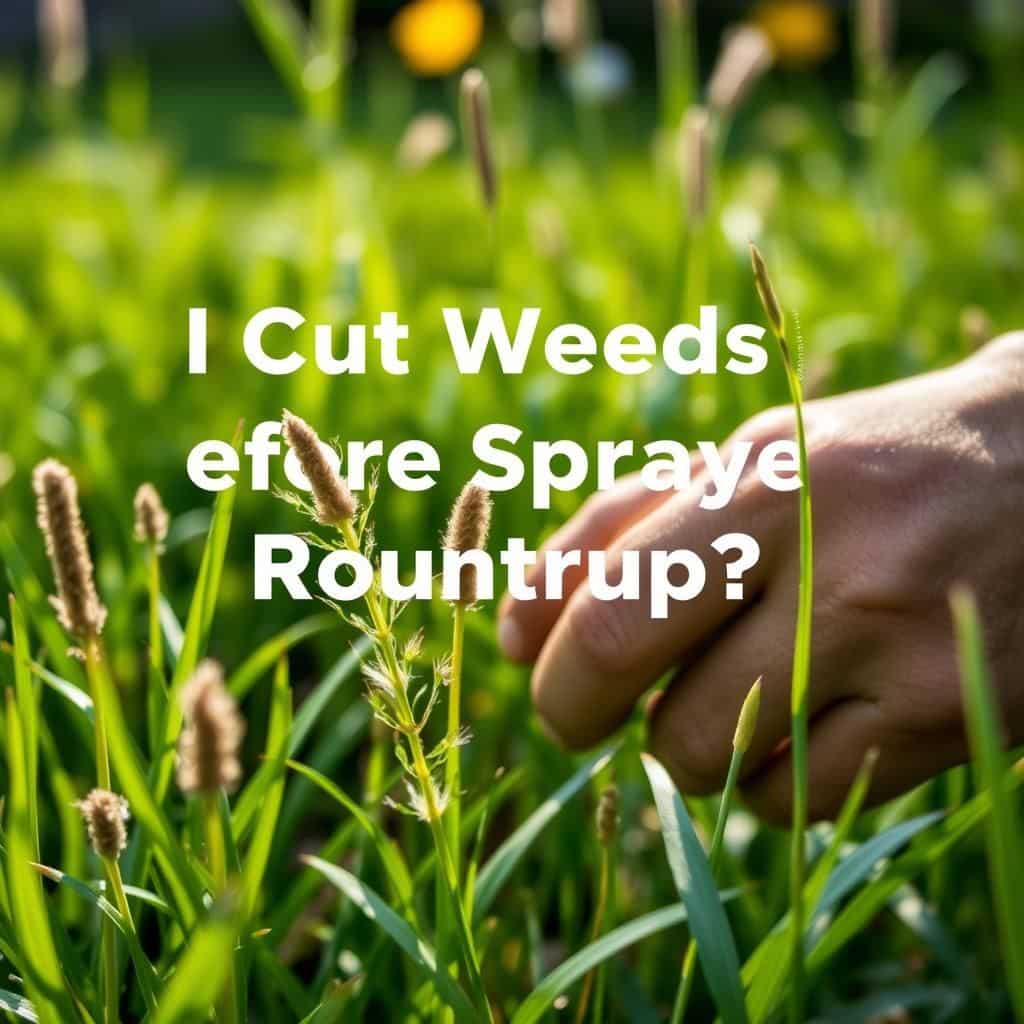
Weed control is a crucial aspect of maintaining a healthy garden or landscape, and timing can significantly impact the effectiveness of herbicide applications. One common question among gardeners and landscapers is, How long should I cut weeds before spraying Roundup? This article aims to provide essential tips for effective weed management, focusing on the optimal timing for cutting weeds prior to herbicide application. Understanding the right practices can enhance the efficacy of Roundup, ensuring that unwanted plants are eliminated while minimizing damage to desirable flora. Read on to discover the best strategies for successful weed control.
Timing Your Weed Cutting Before Applying Roundup
To achieve optimal results when using Roundup for weed control, it is recommended to wait 1 to 3 weeks after cutting the weeds before applying the herbicide. This waiting period allows the plants to recover and start re-growing, increasing the surface area of leaves which can absorb the herbicide effectively. If the weeds are cut too short or too soon before application, there may not be enough foliage present for Roundup to work efficiently, which can result in less effective weed control. Hence, timing your cutting and spraying appropriately is crucial for successful weed management.
Why Wait After Cutting Weeds?
Waiting after cutting weeds is essential because it enables the plants to regrow and produce new leaves. These leaves are necessary for the active ingredient in Roundup, glyphosate, to be effectively absorbed. When you give the weeds time to regenerate, you increase the overall herbicide efficacy, leading to better results in eliminating unwanted plants.
How Does Cutting Affect Herbicide Absorption?
Cutting weeds alters their physiology and can temporarily reduce their ability to absorb herbicides effectively. A freshly cut weed may have diminished leaf surface area, resulting in lower absorption of active ingredients. Allowing growth to resume ensures that there is sufficient leaf area for the Roundup to penetrate and translocate throughout the plant.
Optimal Cutting Height for Effective Treatment
When preparing to use Roundup, it is important to consider the optimal cutting height of the weeds. Generally, cutting weeds down to a height of around 3 to 4 inches promotes robust regrowth, facilitating better absorption of the herbicide upon application. This height strikes a balance between managing the weeds while allowing sufficient leaf structure for effective treatment.
Weather Conditions Impacting Weed Cutting and Spraying
Weather conditions play a crucial role in determining both the timing of weed cutting and the application of Roundup. It is advisable to cut and spray on dry days with temperatures ranging between 60°F to 85°F for optimal absorption rates. Humidity and rain can dilute herbicide effectiveness or even wash it away after application, so it is crucial to check the forecast before proceeding.
Table of Recommended Timing for Cutting and Spraying
| Activity | Recommended Timing |
|---|---|
| Cutting Weeds | As needed, ideally to 3-4 inches |
| Wait Period Before Spraying | 1 to 3 weeks |
| Optimal Spraying Temperature | 60°F to 85°F |
| Drying Time After Spraying | 24 hours without rain |
Is it better to cut weeds before spraying Roundup?

Cutting weeds before applying Roundup can have both advantages and disadvantages. Whether or not it is beneficial to cut the weeds first largely depends on the type of weed you are dealing with and the specific goals you have for your weed management.
When you cut weeds, you may reduce their height and the leaf area available for absorption of the herbicide, potentially affecting the effectiveness of the glyphosate in Roundup. However, cutting can also lead to a more efficient application by targeting the plants that are actively growing and thriving in their environment.
Understanding the Role of Leaf Area
Cutting weeds reduces their leaf area, which plays a critical role in how effectively herbicides like Roundup can be absorbed by the plants.
See also:
- A reduced leaf area means less surface area for the herbicide to penetrate.
- Some species of weeds may rebound quickly from cutting, leading to further growth after spraying.
- Herbicides are most effective when the weeds are actively growing, which can be hindered by cutting.
Timing of Weeding and Herbicide Application
The timing of when to cut weeds and when to apply Roundup is also crucial to achieving optimal results.
- Cutting should ideally be done a few days before spraying to allow the plants to recover slightly.
- Herbicides work best when weeds are in their growth stage because they can better absorb the chemical.
- Applying herbicides during favorable weather conditions can improve effectiveness, so timing is essential.
Types of Weeds and Their Growth Habits
The type of weed being managed can influence whether cutting before spraying is advantageous or not.
- Annual weeds might recover quickly and can be effectively managed by spraying without cutting.
- Perennial weeds, on the other hand, often have deeper root systems and may benefit more from being cut.
- Specific weeds such as dandelions can store energy in their roots, making cutting less effective before herbicide application.
Potential Impact on Surrounding Plants
Cutting weeds can also have implications for surrounding vegetation and the overall ecosystem.
- By cutting weeds, you may disturb the habitat and ecosystem of beneficial insects and other plants.
- Spraying herbicide post-cutting can expose surrounding plants to potential herbicide drift.
- Maintaining a healthy biodiversity can mitigate potential negatives when managing weeds aggressively.
Best Practices for Weeding and Herbicide Use
Understanding best practices for using Roundup effectively can lead to improved outcomes in weed management.
- Always read the label instructions on Roundup to understand optimal use.
- Consider combining cutting with other methods of weed control for greater effectiveness.
- Frequent monitoring of the plant growth and adjustments in management practices may lead to better long-term results.
How long after mowing can you spray Roundup?

To safely use Roundup after mowing your lawn, it is important to wait a specific period of time to ensure maximum effectiveness of the herbicide and to minimize any potential damage to surrounding plants. Generally, it is recommended to wait 24 to 48 hours after mowing before applying Roundup. This waiting period allows the grass to recover from the stress of mowing and enables the herbicide to be absorbed more effectively by the target weeds.
Importance of Waiting Period
Understanding the importance of a waiting period after mowing is crucial for proper herbicide application. The waiting period helps ensure that the grass has had time to heal, which can enhance the herbicide's effectiveness. Here are some reasons why waiting is beneficial:
- The grass will be less stressed and able to recover.
- Weeds are typically more vulnerable shortly after mowing, increasing treatment success.
- Reduces the risk of harming desirable plants by ensuring they are not in shock.
Factors Affecting Timing
Several factors can influence how long you should wait after mowing before applying Roundup. Some of these factors include:
- Weather conditions, such as temperature and humidity, which can affect the grass's recovery rate.
- The type of grass present, as some varieties may take longer to recover than others.
- The height at which the grass was mowed, which can impact how much stress the plants experience.
Best Practices for Herbicide Application
To ensure effective application of Roundup after mowing, consider the following best practices:
- Check the weather forecast to avoid applying before rain.
- Follow the manufacturer's instructions for dosage and application method.
- Ensure that the target weeds are actively growing, as herbicides are most effective on young, vigorous plants.
Effects of Early Application
Applying Roundup too soon after mowing can lead to several negative outcomes. Some potential effects include:
See also:
- Reduced absorption due to stressed plants, which may lead to ineffective weed control.
- Increased risk of damage to the grass, leading to potential long-term health problems.
- Greater likelihood of drift to non-target areas, causing unintended harm to other plants.
Post-Application Care
After applying Roundup, it is equally important to care for your lawn properly. Here are some post-application tips:
- Monitor the treated area for any signs of stress or damage to the grass.
- Avoid mowing for at least 5 to 7 days after application to allow the herbicide to take full effect.
- Keep pets and children away from the treated area until the product has dried completely.
Is it better to spray weeds when they are long or short?
:max_bytes(150000):strip_icc()/GettyImages-1349203308-4b91eb34b8954272828476d6270f3ce2.jpg)
The effectiveness of spraying weeds depends significantly on their growth stage. Generally, it is more effective to spray weeds when they are shorter rather than longer. Shorter weeds tend to be in a more vulnerable state, making them more receptive to herbicides.
Why Short Weeds are More Vulnerable
When weeds are shorter, they typically have a smaller leaf surface area. This makes it easier for the herbicide to penetrate and be absorbed, leading to a more effective kill. Here are some reasons why this is crucial:
- Increased Absorption: Smaller leaves absorb chemicals more efficiently.
- Lower Energy Reserves: Young weeds have not yet stored significant energy, making them easier to eliminate.
- Less Competition: Spraying shorter weeds can help reduce competition for nutrients and sunlight with desired plants.
Timing is Key in Weed Spraying
The timing of herbicide application is critical. Herbicides are typically more effective during the early growth stages of weeds, which usually occurs in the spring. If weeds are allowed to grow too long, they may become established and harder to kill:
- Seasonal Growth: Early spring application targets young weeds before they mature.
- Weather Conditions: Cooler temperatures can enhance weed growth early in the season, making them ideal for spraying.
- Prevention of Seed Production: Early spraying also helps prevent weeds from going to seed.
Impact on Desired Plants
Spraying weeds when they are short minimizes the risk of affecting desirable plants in the area. Taller weeds can sometimes shield these plants, making it challenging to target only the unwanted flora:
- Localized Application: It’s easier to spray short weeds without impacting nearby plants.
- Reduced Drift: Herbicides tend to drift less when targeting shorter plants.
- Selective Control: Focusing on shorter weeds allows for more precise herbicide application.
Types of Herbicides and Their Effectiveness
Different types of herbicides can influence the timing of application. Some are designed to work on the leaf surface, while others may target the root system:
- Post-Emergent Herbicides: These are most effective when weeds are still young.
- Pre-Emergent Herbicides: These prevent germination, making them ideal for early season application.
- Systemic Herbicides: These work throughout the plant and are more effective on younger weeds.
Long Weeds and Resistance
Allowing weeds to grow tall can lead to increased resistance to herbicides. Over time, this can make controlling certain species much more challenging. Taller weeds might exhibit more resilience against chemical treatments:
- Survival Mechanisms: Long weeds may develop adaptations to survive herbicide exposure.
- Seed Bank Reservoirs: Mature weeds can produce seeds that contribute to future infestations.
- Reduced Efficacy: Herbicides may be less effective on larger weeds, allowing them to thrive.
Questions from Our Readers
How long should I wait after cutting weeds to spray Roundup?
It is generally recommended to wait at least 24 to 48 hours after cutting weeds before applying Roundup. This waiting period allows the weeds to absorb more nutrients and water, which can enhance the effectiveness of the herbicide when applied.
Does cutting weeds affect the effectiveness of Roundup?
Yes, cutting weeds can affect the effectiveness of Roundup. If weeds are cut too close to the ground or are under stress, they may not absorb the herbicide effectively, leading to poor results. Allowing some time for the weeds to recover can improve absorption and efficacy.
See also:
Can I spray Roundup immediately after mowing?
It is not advisable to spray Roundup immediately after mowing. Ideally, you should allow a minimum of 24 hours after mowing to ensure that the weeds can recover and are in an optimal state to absorb the herbicide for better control.
What is the best time to spray Roundup after cutting weeds?
The best time to spray Roundup after cutting weeds is usually when the weeds are actively growing, typically one to two days after cutting. This timing maximizes the ability of the plants to absorb the herbicide, leading to more effective weed management.

If you want to read more articles like How Long Should I Cut Weeds Before Spraying Roundup? Essential Tips for Effective Weed Control, we recommend you check out our Weeds category.
Leave a Reply
Related Articles