How Expensive Is It to Install an Irrigation System? A Comprehensive Cost Guide

Installing an irrigation system can be a significant investment for homeowners and businesses looking to maintain healthy landscapes and gardens. However, understanding the costs involved is crucial for making informed decisions. This comprehensive cost guide will delve into the various factors that influence the expense of installing an irrigation system, including system type, size, and additional components. We'll also explore potential savings, maintenance costs, and long-term benefits, helping you gauge the overall value of this essential enhancement to your property. Whether you're considering a simple drip system or a more complex setup, this guide aims to clarify the financial aspects of your irrigation project.
- How Expensive is it to Install an Irrigation System?
- What is the average cost to install an irrigation system?
- Is it worth installing an irrigation system?
- How much does it cost to install a sprinkler irrigation system?
- How much does it cost to put a sprinkler system in a house?
- Questions from Our Readers
How Expensive is it to Install an Irrigation System?
Installing an irrigation system can range significantly in cost depending on several factors, including the size of the area to be watered, the type of system selected (such as drip, sprinkler, or bubbler systems), and whether it is a DIY installation or done by a professional. On average, homeowners may spend anywhere from $1,500 to $5,500 for a new system, not including the ongoing expenses for water usage and maintenance. Professional installation often adds to the initial costs, but ensures proper setup and compliance with local regulations. Additionally, regions with higher labor costs or more complex yard layouts may see increased prices.
Types of Irrigation Systems
When considering the cost of an irrigation system, it is important to understand the different types available. Drip irrigation systems, which deliver water directly to the roots of plants, are typically more efficient but may have a higher initial cost due to specialized parts. Sprinkler systems, while generally less expensive upfront, can waste more water if not properly designed. Soaker hoses and bubbler systems are also options, each with its own cost implications for installation and maintenance.
Size of the Area
The size of the area you wish to irrigate plays a crucial role in determining the overall cost. Larger areas will require more piping, components, and possibly additional zones in the system to ensure even coverage. For example, a small garden might only incur costs of around $1,000, whereas a large lawn could exceed $4,000. Design complexity also increases with size, as delineating zones and integrating controls become more elaborate.
Labor Costs
Labor costs can significantly affect the total expense of installing an irrigation system. If you choose to hire professionals, you can expect to pay between $50 to $100 per hour for skilled labor. The total cost will depend on the scope of work involved, including the time needed for trenching, laying piping, and setting up controls. DIY installations can save on these costs, but come with the risk of improper installation, which might lead to future expenses for repairs or adjustments.
Maintenance and Operating Costs
Beyond the installation fees, ongoing maintenance and operating costs are important to consider when budgeting for an irrigation system. Regular maintenance may include checking for leaks, cleaning filters, adjusting watering schedules, and replacing worn components. Additionally, water usage will contribute to utility bills, which can vary significantly based on local water rates and seasonal changes. Homeowners should factor in an estimated annual maintenance cost of 10-20% of the initial installation cost.
Regional Considerations
The price of installing an irrigation system can also vary by region due to local labor rates, availability of materials, and climate considerations. Areas with high labor costs may see increased prices for professional installations, while regions facing drought conditions may have restrictions that affect system design and costs. It’s essential to consider both local regulations and environmental factors when planning an irrigation system to ensure compliance with state and local guidelines.
| Factor | Cost Range |
|---|---|
| Irrigation System Type | $500 - $3,000 |
| Area Size | $1,000 - $4,000 |
| Labor | $50 - $100/hour |
| Maintenance | 10-20% of installation cost annually |
| Regional Variability | Varies by location |
What is the average cost to install an irrigation system?

The average cost to install an irrigation system varies depending on several factors including the type of system, the size of the area to be irrigated, and local labor rates. On average, homeowners can expect to pay between $2,000 and $4,000 for a complete installation. This price range includes various components such as pipes, sprinklers, and controllers, as well as the cost of labor.
Factors Influencing the Cost
Several factors can significantly affect the overall cost of installing an irrigation system:
- Size of the Area: Larger areas require more materials and labor, increasing the total cost.
- Type of System: Drip irrigation systems may be cheaper to install than full sprinkler systems, but prices can vary.
- Soil Type: Rocky or clay-rich soil can complicate installation and increase costs.
Types of Irrigation Systems
There are several types of irrigation systems to consider, each with its own price range:
- Sprinkler Systems: These are one of the most common systems, costing between $3,000 and $5,000 for a full installation.
- Drip Irrigation: Generally more efficient, drip systems can cost anywhere from $1,500 to $3,000 to install.
- Soaker Hoses: A DIY option that can be installed for under $1,000, especially for smaller gardens.
Labor Costs
Labor costs play a significant role in the overall expenses related to irrigation system installation:
- Installer Rates: Professional rates vary; typically between $50 and $100 per hour.
- Complexity of Installation: More intricate systems or challenging landscapes may require additional labor time.
- Seasonal Variations: Labor rates can fluctuate based on the season, often being more expensive during peak installation times.
Additional Costs to Consider
When budgeting for an irrigation system, it's essential to account for potential additional costs:
See also:
- Permits: Depending on your location, you may need permits that can add to the overall cost.
- Maintenance: Regular maintenance is necessary, which can cost $100 to $300 annually.
- Water Costs: Increased irrigation can lead to higher water bills, particularly in dry seasons.
Return on Investment
Investing in an irrigation system can provide long-term benefits, including:
- Water Efficiency: Properly designed systems reduce water waste, leading to lower bills.
- Improved Plant Health: Consistent watering can enhance the growth and health of your plants and lawn.
- Property Value: A well-maintained landscape with an irrigation system can increase property value.
Is it worth installing an irrigation system?
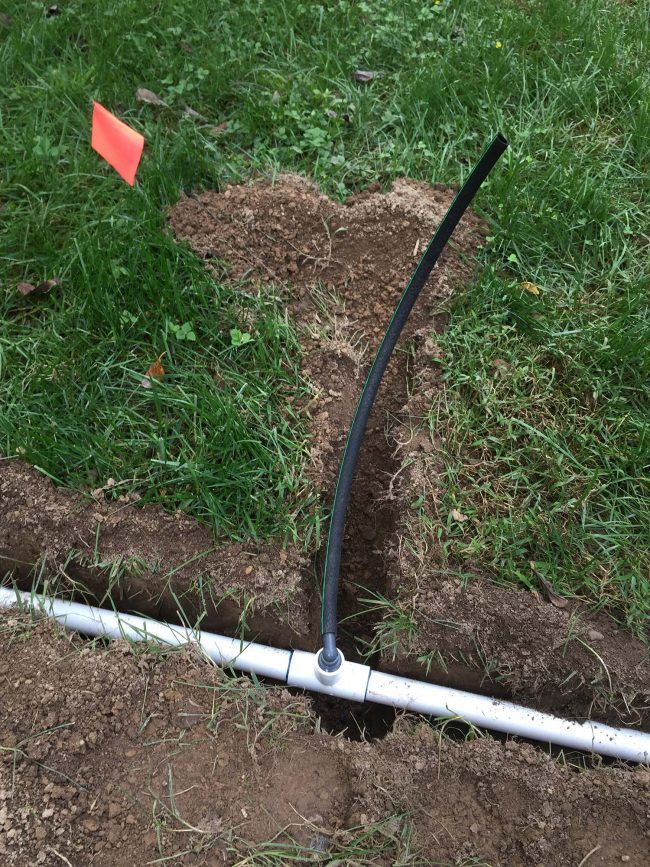
Installing an irrigation system can be a significant investment, but the benefits often outweigh the costs, especially for homeowners, gardeners, and agricultural producers. Here are several factors to consider that can help you evaluate whether it is worth installing an irrigation system for your specific needs.
1. Water Efficiency
An irrigation system can drastically improve water efficiency compared to traditional watering methods. With targeted watering techniques, such as drip irrigation, you can minimize water waste and maximize absorption.
- Minimized Evaporation: Automated systems can be scheduled to water during cooler times of day, reducing evaporation losses.
- Targeted Delivery: Watering can be directed to the roots of plants where it's needed most, thereby optimizing usage.
- Reduced Runoff: Well-designed systems can prevent runoff, which often occurs with hoses or sprinklers when water is applied too quickly.
2. Time Savings
Another major advantage of installing an irrigation system is the time savings it provides. Manual watering can be labor-intensive and time-consuming, particularly for larger gardens or farms.
- Automation: Automated systems can be programmed to water at specific times, freeing up your schedule.
- Less Labor: You won’t need to spend hours manually moving hoses or sprinklers.
- Consistent Care: Consistency in watering leads to healthier plants without the need for daily supervision.
3. Improved Plant Health
Plants require consistent moisture to thrive, and an irrigation system provides a steady supply, promoting better plant health and reducing stress.
- Uniform Watering: Proper systems ensure that all plants receive the same amount of water, reducing the risk of disease.
- Better Growth: Plants are likely to grow better and produce higher yields when they receive adequate and consistent moisture.
- Less Weeding: Efficient watering can reduce weed growth by focusing moisture on desired plants.
4. Customization Options
Irrigation systems can be highly customizable based on the specific needs of your garden or agricultural operation.
- Varied Systems: Several types of systems, such as drip, sprinkler, and soaker hoses, can be tailored to different plants and terrains.
- Zone Control: You can create zones for different plants that require varying moisture levels.
- Adjustable Settings: Many systems allow for easy adjustments based on seasonal weather changes.
5. Long-Term Cost Savings
While the initial investment in an irrigation system may be substantial, the long-term cost savings can make it worthwhile.
- Reduced Water Bills: Efficient watering practices can lower overall water usage, saving money on utility bills.
- Lower Maintenance Costs: Healthier plants require less frequent replacement and care, reducing long-term maintenance expenses.
- Increased Property Value: A well-designed irrigation system can boost the value of your property, making it more appealing to prospective buyers.
How much does it cost to install a sprinkler irrigation system?
The cost to install a sprinkler irrigation system can vary widely depending on several factors, including the size of the area to be irrigated, the type of system chosen, and local labor rates. On average, homeowners can expect to spend between $2,000 to $4,000 for a professional installation of a complete system in a residential setting. This cost typically includes the necessary materials, equipment, and labor. However, for larger properties or more advanced systems, costs can soar to $10,000 or more.
Factors Affecting Cost
The total cost of installing a sprinkler irrigation system can be influenced by numerous elements, including:
- Size of the Lawn or Garden: Larger areas require more materials and labor.
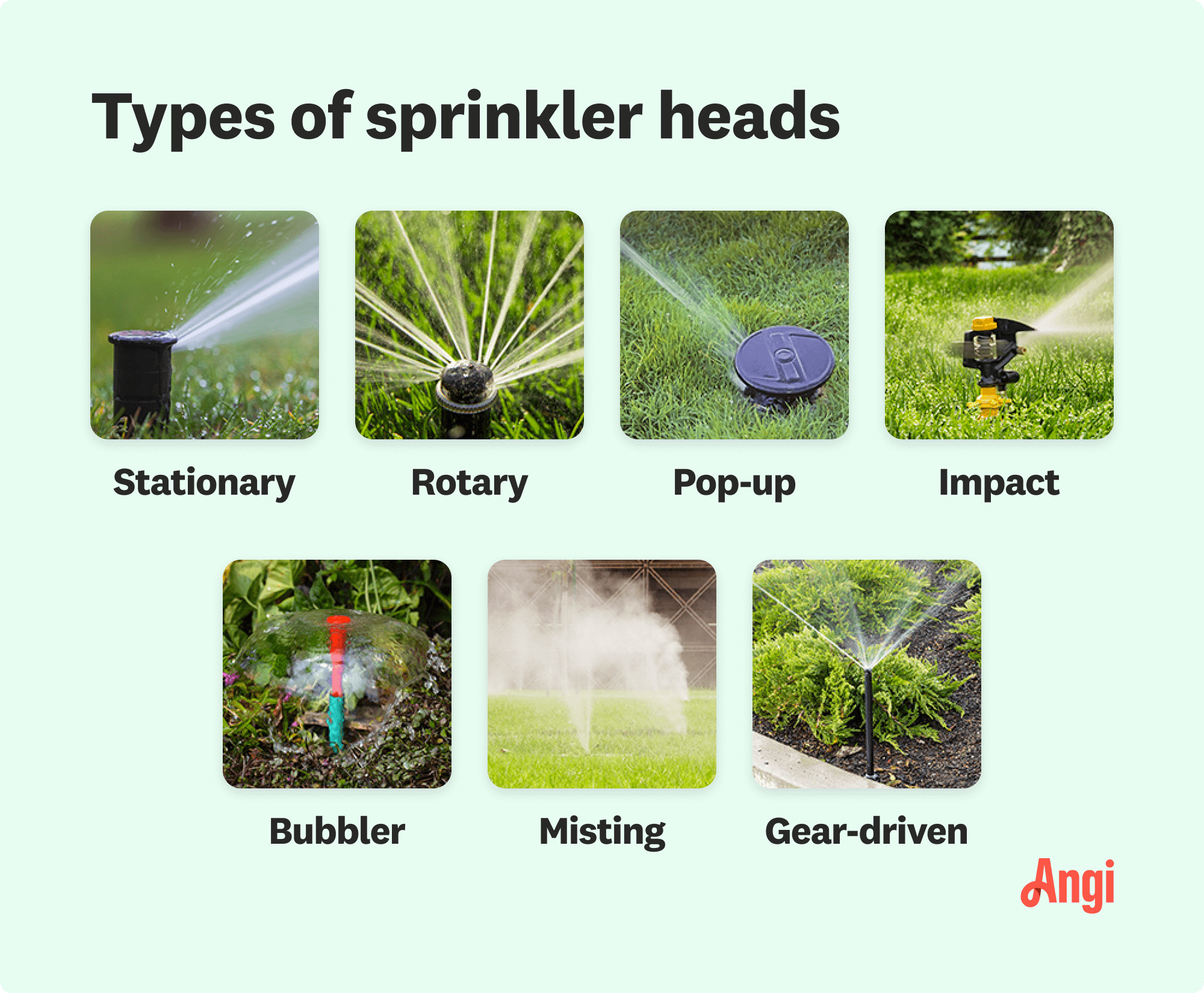
- Type of Sprinkler System: Drip systems, rotor systems, and pop-up systems vary in cost.
- Water Source: Access to municipal water may have different costs than utilizing wells or ponds.
- Site Conditions: Difficult terrain or existing landscaping may complicate installation.
- Local Labor Costs: Labor rates can differ based on geographical location.
Estimating Material Costs
Material costs are a significant component of the overall installation price. Basic components include:
- Sprinklers: Prices vary based on types; basic pop-up sprinklers can cost as little as $2-$3 each.
- Pipes and Fittings: PVC piping costs generally range from $0.50 to $1.50 per linear foot.
- Control Systems: Automatic timers may range from $50 to $300, depending on features.
- Valves: Quality valves range from $10 to $50 each, impacting overall system efficiency.
- Backflow Preventer: This essential component can cost between $50 and $200.
Labor Costs
Labor represents a substantial percentage of the total installation price. Factors to consider include:
See also:
- Installation Complexity: Complicated designs or hard-to-reach areas may require more hours.
- Experience of the Installer: More skilled professionals may charge higher rates.
- Geographical Location: Urban areas often have higher labor costs compared to rural settings.
- Availability of Professionals: Regions with less competition may see higher pricing.
- Seasonal Demand: Spring and summer can lead to premium pricing due to high demand.
Types of Sprinkler Systems
Choosing the right type of system plays a role in determining cost. Common systems include:
- Surface Irrigation: Often the cheapest but less efficient for larger lawns.
- Drip Irrigation: Highly efficient; ideal for gardens, usually more expensive to install.
- Spray Systems: Generally used for lawns, mid-range cost but versatile.
- Rotor Systems: Best for larger areas; higher initial investment but good coverage.
- Smart Irrigation Systems: Advance features increase cost but conserve water effectively.
Additional Costs to Consider
Beyond installation, several additional expenses may arise:
- Maintenance: Expect to pay for annual servicing, averaging $100-$200 per year.
- Repairs: Budget for unexpected repairs to components or leaks in the system.
- Upgrades: Future enhancements, like smart controllers, may add to costs.
- Water Costs: Increased water usage can lead to higher utility bills.
- Permits: Some locations may require permits that add to installation expenses.
How much does it cost to put a sprinkler system in a house?
The cost of installing a sprinkler system in a house can vary widely based on several factors, including the size of the property, the type of system being installed, and local labor rates. On average, homeowners can expect to pay between $1,500 to $3,000 for a standard system installation. Here’s a breakdown of the factors that influence the overall cost:
Factors Influencing Sprinkler System Costs
The cost of a sprinkler system installation can be affected by many factors, including:
- Size of the Property: Larger yards will require more sprinkler heads, piping, and labor, leading to higher costs.
- Type of System: There are various types of sprinkler systems (e.g., drip, overhead, or automatic systems), and each has its price range.
- Water Source: The availability of a water source and necessary connections can influence installation costs.
- Soil Type: Hard or rocky soil may require more intensive work, thus increasing labor costs.
- Local Labor Rates: Installation costs can differ significantly depending on your geographical location.
Average Costs by System Type
Different types of sprinkler systems come with varying costs and installation requirements:
- In-Ground Sprinkler Systems: Typically range from $2,000 to $4,000 for installation, depending on complexity and size.
- Drip Irrigation Systems: Generally cost less, ranging from $900 to $2,500, suitable for gardens or smaller areas.
- Automated Systems: Installation costs can rise to $3,000 or more due to smart technology features.
Installation Costs Breakdown
Understanding the various components involved in installation can help clarify costs:
- Materials: Sprinkler heads, pipes, valves, and controllers typically average around $500 to $1,200 of total project costs.
- Labor: Professional installation can range from $1,000 to $2,500, depending on rates and the project's complexity.
- Permits and Inspections: Depending on local regulations, permits can cost between $50 and $200.
Maintenance Costs to Consider
After installation, ongoing maintenance is essential for keeping a sprinkler system functioning efficiently:
- Seasonal Start-Up: Typical annual start-up costs range from $75 to $150, including inspection and adjustments.
- Repairs: Spot repairs or head replacements can add costs, generally averaging $150 to $400 yearly.
- Winterization: Preparing the system for winter can cost around $100 to $200, necessary to avoid freeze damage.
DIY vs. Professional Installation
Choosing between DIY installation and hiring professionals impacts costs significantly:
- DIY Installation: Costs may decrease, but this requires tools, time, and skill; expect expenses around $700 to $1,500 for materials.
- Professional Installation: Offers peace of mind with expertise and warranty protections, typically costing $2,000 to $3,500.
- Long-Term Savings: Professionally installed systems often optimize water usage, potentially saving money on water bills over time.
Questions from Our Readers
How much does it typically cost to install an irrigation system?
The cost to install an irrigation system can vary significantly based on several factors, including the size of the area being irrigated, the type of system selected (such as drip, sprinkler, or surface), and any labor costs involved. On average, homeowners can expect to spend between $1,500 and $3,500 for a professionally installed system.
What factors influence the overall cost of an irrigation system installation?
Several factors can affect the overall cost of installing an irrigation system, including the complexity of the layout, the quality of materials used, and any additional features like timers or sensors. Additionally, the local labor rates and terrain challenges also play a crucial role in determining the final price.
Are there any ongoing costs associated with an irrigation system?
Yes, there are ongoing costs associated with maintaining an irrigation system. Homeowners should consider expenses such as water bills for usage, potential repairs, and regular maintenance to ensure efficiency. It's also important to think about the energy costs if the system requires a pump.
Can I save money by installing an irrigation system myself?
While installing an irrigation system yourself can save on labor costs, it does require a good understanding of irrigation principles and proper installation techniques. Mistakes during DIY installation can lead to higher long-term costs due to inefficiencies or system failures, so careful consideration is essential before deciding to undertake this project on your own.
See also:

If you want to read more articles like How Expensive Is It to Install an Irrigation System? A Comprehensive Cost Guide, we recommend you check out our Irrigation category.
Leave a Reply
Related Articles