How Can I Anchor My Pergola to Stop It Blowing Over? Essential Tips and Methods Explained
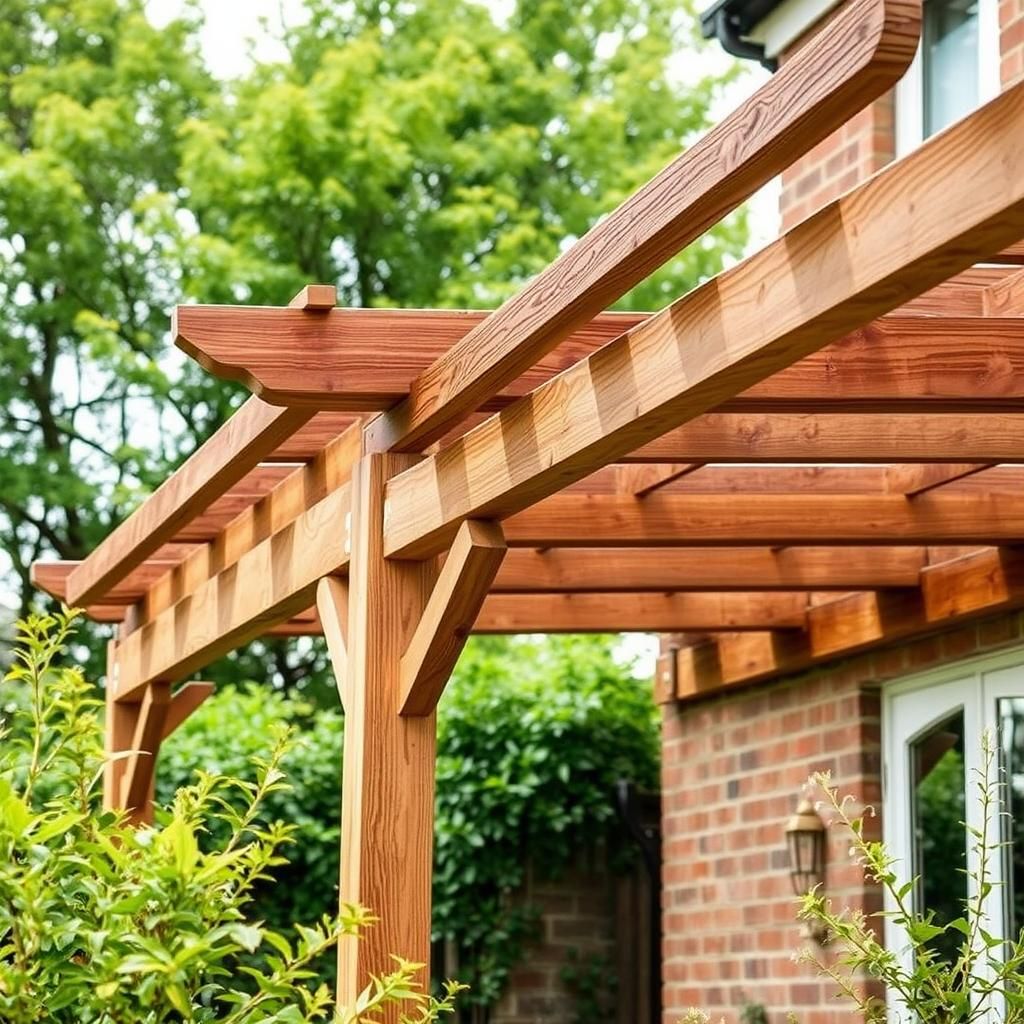
When it comes to enjoying your outdoor space, a pergola can be a beautiful and functional addition. However, strong winds can pose a significant threat, potentially causing your structure to topple over. To ensure your pergola remains securely anchored, it's essential to implement effective anchoring methods. This article will explore various tips and techniques for stabilizing your pergola, from using concrete footings to installing ground anchors. Whether you're setting up a new pergola or reinforcing an existing one, these strategies will help you safeguard your investment and enhance your outdoor experience.
How to Secure Your Pergola Against Wind Damage
To effectively anchor your pergola and prevent it from blowing over in high winds, it is essential to utilize appropriate anchoring methods tailored to the specific conditions and materials of your structure. Start by choosing the right anchor points, such as using concrete footings or bolts that can secure the base of the pergola into the ground. Additionally, consider adding diagonal bracing to add structural support, thereby distributing the wind loads more evenly across the framework. For a temporary setup, heavy-duty weighted bases or sandbags can be effective, while permanent installations might require digging down to the frost line and pouring concrete to prevent lifting or tipping. Always check local building codes and weather patterns to ensure your anchoring methods meet necessary standards and can withstand the specific wind speeds experienced in your area.
Choosing the Right Anchor Type
When considering how to anchor your pergola, it's crucial to assess the anchor types available, including metal brackets, ground spikes, and concrete anchors. Each type has its own strengths and weaknesses, depending on your pergola's design and the soil composition. For instance, metal brackets are excellent for attaching your pergola to an existing structure, while ground spikes may be more suitable for soft ground conditions. Furthermore, concrete anchors provide a robust solution for anchoring to solid surfaces, ensuring that your pergola can withstand significant winds. Evaluating your site's particular needs will guide you in selecting the most effective anchoring solution.
Importance of Proper Installation
Proper installation plays a vital role in the effectiveness of your pergola's anchoring system. Care should be taken to follow the manufacturer’s guidelines regarding spacing, depth, and alignment of anchors, as improper installation can lead to structural failure. For instance, ensuring that your concrete footings are deep enough to withstand frost heave is essential in colder climates. Additionally, during assembly, using a level to verify that all components are aligned correctly can amplify the stability of the structure. By adhering to these installation practices, you will significantly reduce the risks associated with high winds.
Utilizing Weight and Support
Incorporating additional weight and support features can enhance the anchoring of your pergola. This can be achieved through methods like adding decorative planters filled with soil or sand at the base of the structure, which not only increases weight but also supports the overall aesthetic. Utilizing horizontal connections and diagonal braces not only strengthens the frame but helps distribute wind pressures more effectively, making your pergola more resilient. For those in areas prone to severe weather, integrating these components can serve as a proactive step in ensuring your pergola remains secure.
Monitoring Weather Conditions
Being aware of and monitoring local weather conditions is critical for protecting your pergola. Wind speeds can fluctuate greatly, and storms can occur unexpectedly, so it’s essential to remain vigilant. Consider using apps or websites that provide weather alerts to stay informed about severe weather warnings in your area. Additionally, if severe winds are forecasted, taking temporary measures such as removing loose accessories or even disassembling parts of the pergola can be prudent. Understanding the typical weather patterns in your environment allows you to plan accordingly and take necessary precautions to safeguard your structure.
Consulting with Professionals
If you’re uncertain about the best anchoring method for your pergola or need assistance with installation, consulting with professionals is a wise decision. Engaging with a contractor or structural engineer can provide you with tailored advice based on your specific site conditions and local regulations. They can offer insights into the best materials, design considerations, and methods to ensure that your pergola is sufficiently anchored and can withstand local weather phenomena. This professional guidance can ultimately lead to a more stable and durable structure.
| Anchor Type | Best Use | Material |
|---|---|---|
| Metal Brackets | Attaching to existing structures | Steel or Aluminum |
| Ground Spikes | Soft soil conditions | Galvanized Metal |
| Concrete Anchors | Rigid surfaces | Concrete |
| Weighted Bases | Temporary setups | Plastic or Metal |
| Diagonal Bracing | Structural support | Wood or Metal |
How to anchor a freestanding pergola?
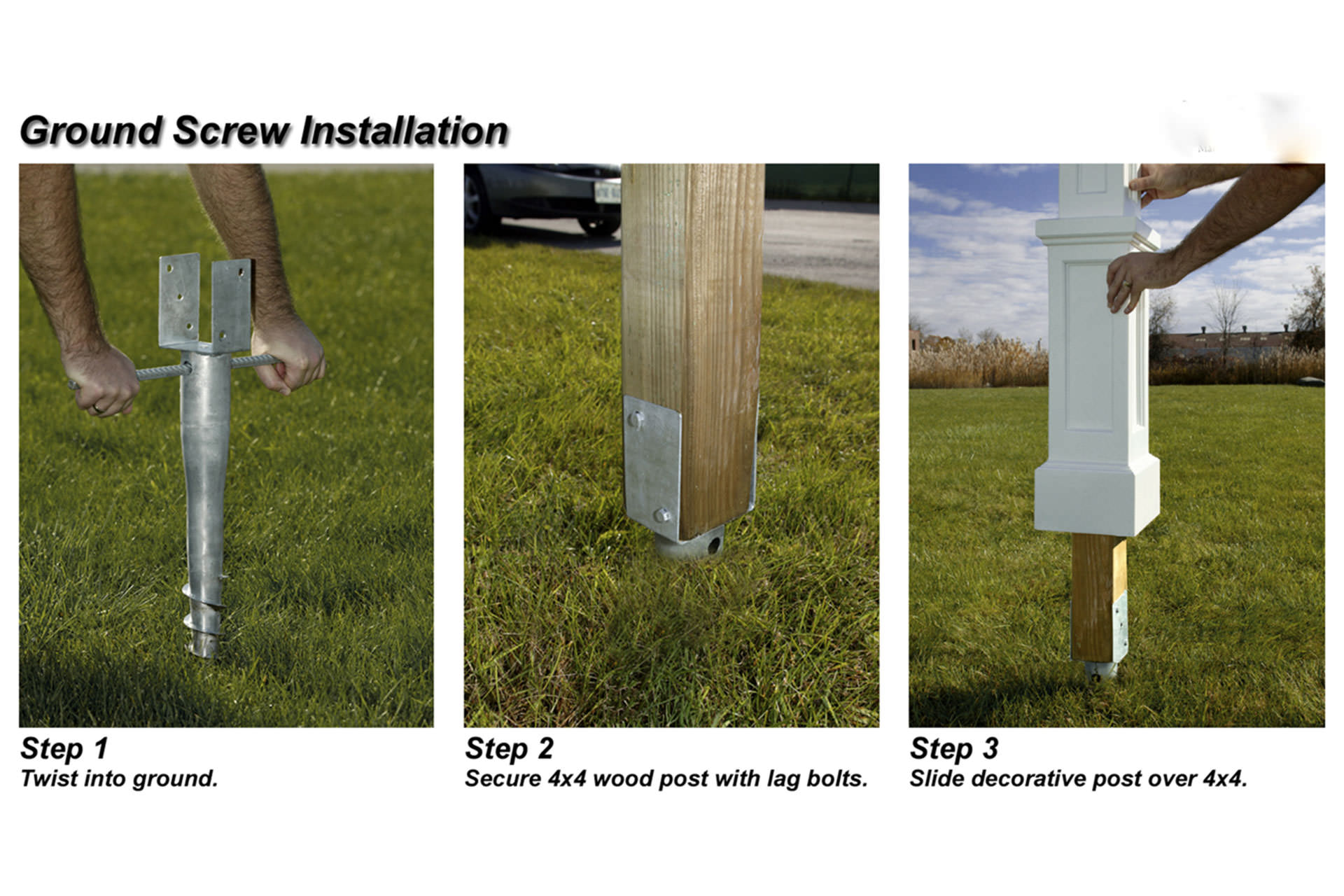
To securely anchor a freestanding pergola, several methods can be employed depending on the materials you have available, the design of the pergola, and the environmental conditions. Here are the primary steps to effectively anchor your pergola:
1. Select the location: Choose a suitable area that is flat and free from any obstacles.
2. Prepare the ground: Clear the area of debris, rocks, and grass to provide a smooth surface for installation.
3. Dig post holes: Create holes for the posts deep enough to provide stability, typically at least 2 feet deep.
4. Set the posts: Place the posts in the holes, ensuring they are vertical and level. You may temporarily brace them until the concrete sets.
5. Pour concrete: Reinforce the posts by pouring concrete around them. Allow the concrete to cure according to the manufacturer's instructions.
6. Use brackets: For additional support, attach metal brackets that connect the posts to the ground or to a concrete slab.
Choosing the Right Anchoring Method
Selecting the appropriate anchoring method for your freestanding pergola depends on soil type and weather conditions. Common methods include:
- Concrete Footings: Use poured concrete for a permanent and sturdy base.
- Ground Anchors: Metal stakes driven into the ground can provide additional stability.
- Brackets and Hardware: Use brackets that connect to concrete slabs or solid ground for easy installation.
Preparing the Site Properly
Adequate site preparation is crucial for the durability of your pergola. Follow these steps for effective preparation:
- Clear the Area: Remove any grass, stones, or existing structures that could hinder construction.
- Check for Level: Ensure the ground is level to avoid structural issues.
- Mark the Layout: Use stakes and string to outline where the pergola will be placed.
Installing Posts Correctly
Correct installation of the posts is vital for stability. Here's how to do it:
- Digging Holes: Holes should be at least 24 inches deep to reach below the frost line in colder climates.
- Placing the Posts: Position the posts in the holes and check for level vertically and horizontally.
- Temporary Bracing: Use wood to brace the posts until the concrete is set to avoid movement.
Using Concrete for Stability
Using concrete is one of the strongest methods for anchoring your pergola. It helps prevent movement caused by weather conditions. Consider the following:
- Mixing Concrete: Follow the manufacturer’s instructions to mix the concrete properly.
- Pouring Concrete: Fill the hole around the post, ensuring it is packed tightly and free of air pockets.
- Curing Time: Allow the concrete to cure for at least 24 to 48 hours before applying any load.
Maintaining Your Pergola
Regular maintenance ensures the longevity of your pergola’s structure. Here are key maintenance tips:
See also:
- Inspect for Damage: Check posts and anchors regularly for signs of wear or damage.
- Reapply Sealants: If your pergola is made of wood, consider reapplying sealants to protect against moisture.
- Check Stability: Ensure that all connections and anchors are secure and stable after severe weather conditions.
How do I protect my pergola from strong winds?

To protect your pergola from strong winds, there are several strategies you can implement to ensure its stability and longevity. Strong winds can pose a significant threat to structures like pergolas, especially if they are not properly secured. Here are some detailed methods and considerations you can adopt to minimize wind damage.
1. Reinforce the Structure
Reinforcing your pergola is one of the most effective ways to prevent wind damage. By providing additional support to the structure, you can enhance its stability against gusts.
- Add diagonal bracing: Install diagonal braces at the corners of the pergola to create a more rigid structure.
- Use heavier materials: Consider using thicker beams or posts that can withstand wind pressure better than lighter materials.
Ensure that all joints and connections are well fastened and use steel brackets for added strength.
2. Anchor the Pergola
Proper anchoring is essential to protect your pergola from being lifted or blown over by strong winds.
- Concrete footings: Pour concrete footings for your posts to secure them firmly in place.
- Ground anchors: Use ground anchors or spikes that can be driven into the ground to hold your pergola down.
- Adjustable tie-downs: Install adjustable tie-downs that can be tightened or loosened based on wind conditions.
3. Use Windbreaks
Implementing windbreaks around your pergola can significantly reduce the wind's force.
- Plant shrubs or trees: Strategically plant dense shrubs or trees that can act as natural barriers against strong winds.
- Install fencing: Build a solid fence or a lattice that can redirect the wind away from the pergola area.
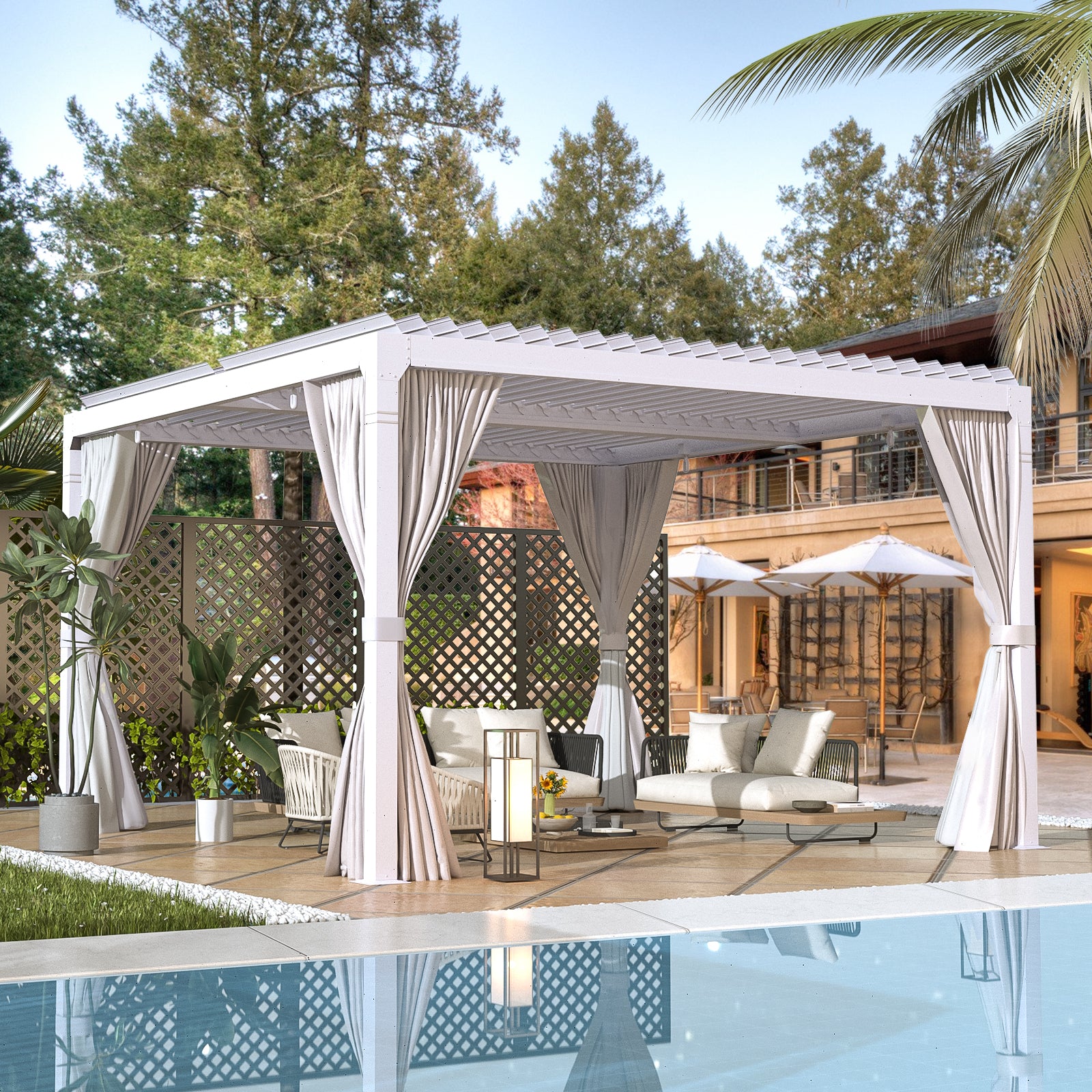
- Use outdoor curtains: Hang outdoor curtains made of heavy fabric that can be closed during storms to minimize wind exposure.
4. Consider a Removable Roof
Having a removable or retractable roof can provide extra protection for your pergola during severe weather conditions.
- Install a retractable canopy: Use a motorized or manual retractable canopy to cover the pergola when high winds are forecasted.
- Use lightweight materials: Choose lightweight materials for the roof that can be easily removed or secured during storms.
- Store accessories: Remove any decorative or functional items from the roof area before a storm to reduce wind resistance.
5. Regular Maintenance
Ongoing maintenance is crucial for the durability of your pergola and its ability to withstand wind.
- Inspect for damage: Regularly check for wear and tear on the structure, especially after storms.
- Tighten loose bolts: Ensure that all bolts and screws are tight, as loosening can weaken the entire structure.
- Reapply protective coatings: Use weatherproofing and anti-corrosive sprays to maintain the integrity of the materials.
How to make a pergola windproof?
To make a pergola windproof, it is essential to consider various design aspects and materials. Here are some effective strategies to enhance the stability of your pergola against wind:
1. Choose the Right Location: The placement of your pergola significantly impacts its wind resistance. Select a site that is less exposed to strong winds, such as near a building or natural barrier like trees. Pay attention to the prevailing wind direction to ensure optimal positioning.
2. Use Strong Materials: The strength and weight of the materials play a crucial role in wind resistance. Opt for treated wood, aluminum, or steel when constructing your pergola. These materials provide the necessary durability and can withstand harsh weather conditions.
3. Design for Stability: Incorporate design features that enhance the pergola's structural integrity. Use cross bracing in the framework to fortify it against lateral forces. This technique distributes wind loads more evenly across the structure, minimizing the risk of collapse.
4. Secure the Foundation: A solid foundation is vital for any pergola. Ensure that the posts are adequately anchored in concrete or installed with deep footings to prevent shifting due to strong winds. This also means using straps or brackets that connect the pergola securely to the ground.
5. Add Windbreaks or Canopy Covers: Consider installing windbreaks, such as trellises with climbing plants or fabric panels, to divert wind around the structure. Additionally, canopy covers can help shield the pergola from wind while providing shade.
Choose the Right Location
Selecting an appropriate location for your pergola ensures that it is less susceptible to strong winds. Factors to consider include:
See also:
- Proximity to buildings or natural features that can act as wind barriers.
- Understanding the prevailing wind patterns in your area.
- Avoiding open spaces that are directly exposed to gusty winds.
Use Strong Materials
Using high-quality, durable materials is essential for building a windproof pergola. Recommended options include:
- Treated wood for resistance to rot and insects.
- Aluminum for a lightweight yet strong structure.
- Steel for maximum strength and longevity.
Design for Stability
A robust design maximizes the pergola's wind resistance. Implementing the following features is advisable:
- Cross bracing to enhance lateral strength.
- Solid connections between beams and posts to prevent swaying.
- Triangulated shapes to distribute wind loads effectively.
Secure the Foundation
Establishing a sturdy foundation is critical. To achieve this, you should:
- Anchor posts into concrete footings to prevent lifting and shifting.
- Use heavy-duty straps or brackets to secure structural connections.
- Ensure the footings are deep enough to withstand wind forces.
Add Windbreaks or Canopy Covers
Integrating windbreaks or covers can enhance the pergola's resistance to wind. Consider these options:
- Trellises with climbing plants that act as natural wind barriers.
- Fabric panels or screens that can be added for additional protection.
- Removable canopies to offer flexibility based on wind conditions.
Should you anchor a pergola?
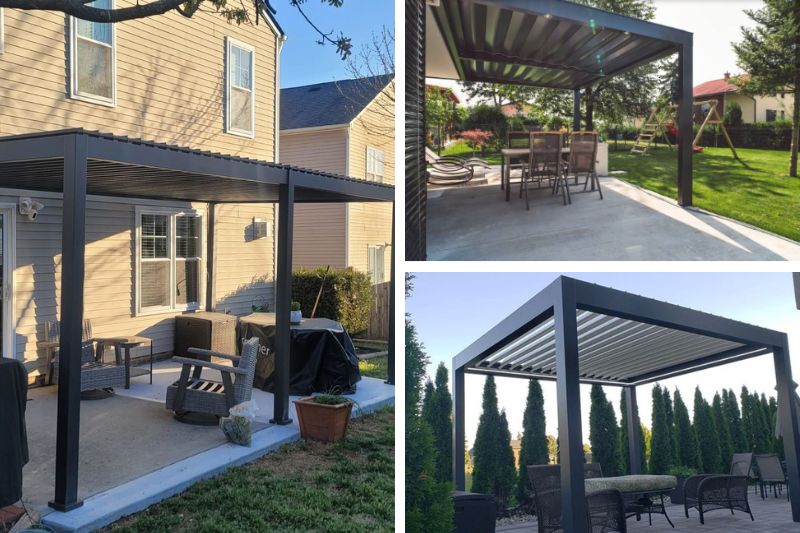
Anchoring a pergola is an important consideration for ensuring its stability and longevity. Pergolas, especially larger ones, can be vulnerable to various environmental factors including wind, rain, and snow. Failure to properly anchor a pergola can lead to structural damage or even complete failure. Thus, anchoring increases safety and extends the lifespan of the structure. Here are some key points to consider about whether you should anchor a pergola.
Why You Should Anchor a Pergola
Anchoring a pergola is essential for several reasons:
- Stability: Anchoring provides a solid base, preventing the pergola from swaying or tipping during strong winds.
- Safety: A well-anchored pergola reduces the risk of accidents, such as collapses, which can injure people or damage property.
- Longevity: By securing the structure, you can prevent damage from natural elements, ensuring that your pergola lasts for many years.
Types of Pergola Anchoring
There are various methods to anchor a pergola, depending on the materials used and the environment.
- Concrete Footings: This method involves digging holes and pouring concrete for the posts of the pergola, providing a strong foundation.
- Post Anchors: Metal post anchors can be driven into the ground, offering a quick and effective anchoring solution.
- Ground Screws: These are large screws that can be twisted into the ground, providing stability without the need for concrete.
Considerations for Anchoring
Before anchoring your pergola, there are several factors to consider:
- Soil Type: The type of soil (clay, sand, or loam) affects how well your anchors will perform. Some soils may require deeper footings.
- Climate Conditions: Areas prone to high winds or heavy snowfall may require more robust anchoring solutions.
- Pergola Size: Larger pergolas will need more substantial anchors to support their weight and withstand environmental pressures.
Potential Challenges with Anchoring
Anchoring a pergola does come with its set of challenges:
- Installation Difficulty: Some anchoring methods can be labor-intensive and may require professional help.
- Cost: Depending on the anchoring method, costs can vary significantly, impacting your budget.
- Permits: Some locations may require permits for structural installations, potentially complicating your project.
Maintenance and Upkeep after Anchoring
Once your pergola is anchored, regular maintenance is necessary to ensure its durability:
- Inspect Anchors: Regularly check the integrity of the anchors and look for signs of wear or rust.
- Clean Surrounding Area: Keep the ground around the posts clear of debris and plants to prevent moisture retention.
- Reinforce as Needed: If you notice any instability, consider reinforcing the anchors or using additional support techniques.
Questions from Our Readers
What materials do I need to anchor my pergola?
To effectively anchor your pergola, you will need strong, durable materials such as concrete footings, metal brackets, or ground anchors. Ensure that the materials you choose are suitable for your local weather conditions and can withstand strong winds.
How deep should I install the anchors for my pergola?
For optimal stability, it is generally recommended to install the anchors at least 2 to 3 feet deep into the ground. This depth helps provide a solid foundation and minimizes the risk of the pergola being uprooted by strong gusts of wind.
Can I anchor my pergola to a patio or deck?
Yes, you can anchor your pergola to a patio or deck using specialized brackets or anchors designed for these surfaces. It's crucial to ensure that the fasteners used are appropriate for the material of your patio or deck to secure the pergola properly.
Should I consult a professional for anchoring my pergola?
If you are unsure about the best methods or materials for anchoring your pergola, it is advisable to consult a professional contractor. They can provide expert advice and ensure that your pergola is anchored safely and effectively to withstand strong winds.
See also:

If you want to read more articles like How Can I Anchor My Pergola to Stop It Blowing Over? Essential Tips and Methods Explained, we recommend you check out our Pergola category.
Leave a Reply
Related Articles