Ultimate Guide: How to Keep Water from Pooling on a Pergola Without Compromising Aesthetics

When designing and constructing a pergola, one of the critical considerations is managing water drainage to prevent pooling, which can compromise the structure’s integrity and appearance. This ultimate guide explores effective strategies to keep water from accumulating on your pergola while preserving its aesthetic appeal. From innovative design solutions to practical maintenance tips, we’ll delve into a variety of methods that ensure your outdoor space remains beautiful and functional. Whether you’re a homeowner looking to enhance your backyard or a contractor searching for best practices, this guide provides essential insights to achieve a stunning and water-resistant pergola.
Effective Solutions to Prevent Water Pooling on a Pergola
To prevent water from pooling on a pergola, it's essential to implement effective drainage solutions that can be both practical and aesthetically pleasing. One of the most effective methods is to install a pitch or slant on the pergola roof, allowing rainwater to flow towards the edges where it can be directed away from the structure. Additionally, incorporating gutters and downspouts can facilitate efficient water management, ensuring that any rain that lands on the pergola is channeled away from it. Using permeable materials for flooring or surrounding surfaces can further minimize pooling by allowing water to seep into the ground. Lastly, regularly maintaining and checking the drainage systems will ensure that they remain clear and effective over time.
Install a Sloped Roof
Installing a sloped roof on your pergola is one of the most effective ways to prevent water pooling. By creating an angle, rainwater can naturally flow towards the edges instead of stagnating on a flat surface. A slight slope of at least 1-2 inches for every 10 feet of roof is recommended. This design not only facilitates water drainage but also enhances the pergola's aesthetic appeal by giving it a more dynamic look.
Add Gutters and Downspouts
Integrating gutters and downspouts into your pergola design is crucial for effective water management. These elements collect rainwater that falls on the pergola roof, channeling it away from the structure and preventing pooling. It is vital to ensure that the gutters are properly sloped so that water flows towards the downspouts without obstruction. Regular cleaning of gutters will help maintain their functionality and prevent clogging.
Use Permeable Ground Materials
Choosing permeable materials for the areas surrounding your pergola can significantly reduce water accumulation. By using materials like gravel, pavers, or permeable concrete, water can easily drain through the surface, allowing for better absorption into the soil. This design not only helps in preventing water from pooling around the pergola but also promotes a healthier environment by facilitating groundwater recharge.
Regular Maintenance Checks
Conducting regular maintenance checks on your pergola and drainage system is essential to ensure effectiveness. Over time, leaves, debris, and dirt can accumulate in gutters and drains, leading to blockages that cause water pooling. Schedule routine inspections and cleanings to maintain unobstructed pathways for water flow. This proactive approach can save you from potential repairs and prolong the life of your pergola.
Incorporate a Water Management System
Implementing a water management system, such as a rainwater collection setup, can be an eco-friendly solution to manage pooling on your pergola. Systems can be designed to channel collected rainwater into storage barrels or cisterns for reuse in landscaping or watering plants. This not only assists in managing water more effectively but also conserves resources, contributing to a more sustainable garden environment.
| Method | Description |
|---|---|
| Sloped Roof | Creates an angle for water drainage. |
| Gutters and Downspouts | Collects and channels water away from the pergola. |
| Permeable Ground Materials | Allows water to drain and absorb into the soil. |
| Regular Maintenance | Ensures drainage systems remain clear and functional. |
| Water Management System | Reuses collected rainwater, reducing waste. |
How to keep water from pooling on a pergola?

To keep water from pooling on a pergola, it's essential to implement several strategies that enhance drainage and manage water flow effectively. Here’s a comprehensive guide on how to prevent water accumulation on a pergola.
1. Choose the Right Roof Material
Selecting an appropriate roof material is crucial for preventing water pooling. Certain materials promote better drainage and water runoff.
- Metal Roofing: Metal sheets or shingles are excellent for directing water away due to their smooth surface.
- Polycarbonate Panels: These lightweight panels provide a durable waterproof solution that enables water to run off easily.
- Bitumen or Rubber Membrane: These materials are effective for flat roofs, offering superior waterproofing and drainage options.
2. Incorporate a Sloped Roof Design
A sloped roof design is one of the most effective ways to ensure that water flows off the pergola.
- Pitch Angle: Aim for a minimum pitch of 10 degrees to facilitate effective drainage.
- Gutter System: Install gutters along the lower edges to collect and direct the water away from the structure.
- Adjustable Roofs: Consider roofs that can be adjusted to change the angle according to weather conditions.
3. Use Drainage Channels
Installing drainage channels can help manage water buildup on the pergola effectively.
- Built-in Gutters: Integrate internal gutters into the structure for a seamless look and efficient drainage.
- Mesh Grates: Place mesh grates to cover drains and prevent debris from clogging the water flow.
- Downspouts: Ensure downspouts are strategically placed to direct water away from the base of the pergola.
4. Regular Maintenance and Inspection
Regular upkeep of the pergola's roofing and drainage system is vital for preventing water pooling.
See also:
- Clear Debris: Regularly remove leaves, twigs, and other debris from the roof and gutters to ensure they function properly.
- Inspect for Damage: Conduct periodic checks for any leaks or damage that may hinder water drainage.
- Seasonal Cleaning: Clean the entire structure at least twice a year to maintain its efficiency and appearance.
5. Use Waterproofing Seals
Applying waterproofing sealants can enhance the pergola's ability to repel water.
- Sealant Application: Use high-quality waterproofing sealants on the roof material to boost its water resistance.
- Reapply Regularly: Ensure the water sealants are reapplied as recommended, according to the manufacturer's guidelines.
- Choose the Right Product: Select sealants that are appropriate for the type of roof material used to maximize effectiveness.
What is the best anti water pooling device for a gazebo?
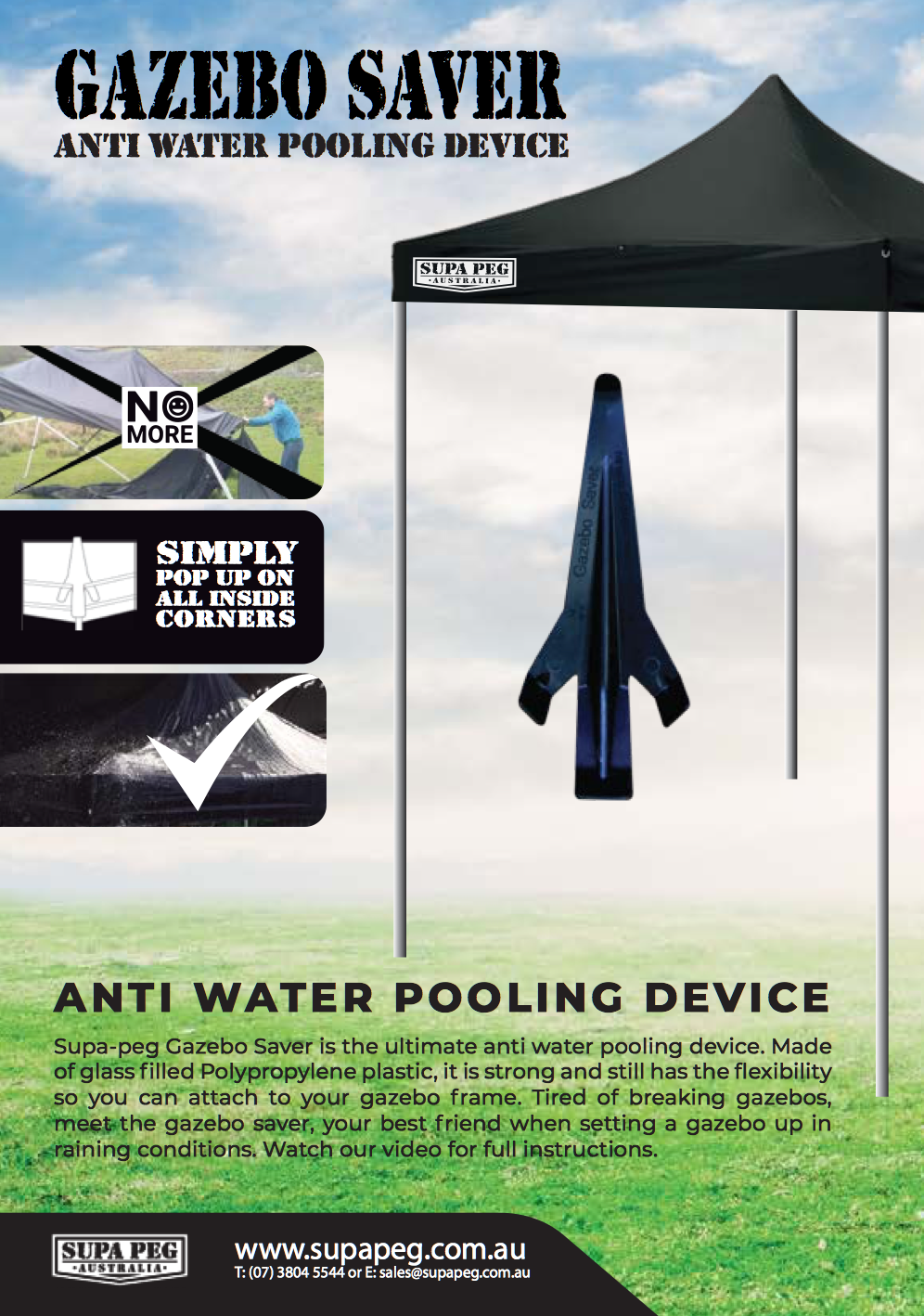
When considering the best anti-water pooling device for a gazebo, one of the top recommended solutions is the use of a water drainage system. This system can effectively channel rainwater away from the gazebo structure, preventing water accumulation on the roof. Some popular options include gutter systems, drainage mats, and water-resistant covers. Each of these devices serves to minimize water pooling, thereby extending the lifespan of the gazebo and maintaining its structural integrity.
Water Drainage Systems
Water drainage systems are an effective way to prevent water pooling. They can be designed to direct rainwater away from the gazebo efficiently. This system can include the following components:
- Gutters: Installed around the perimeter of the gazebo to capture rainwater.
- Downspouts: Direct water collected by gutters down to the ground or drainage area.
- Drainage pipes: Can be incorporated to redirect water to a designated drainage area.
Drainage Mats
Drainage mats are another excellent solution for preventing water accumulation. These mats are designed to allow for water flow and drainage while providing a stable surface. Key features include:
- Permeability: They are made from materials that allow water to pass through.
- Installation: Easy to lay down underneath the gazebo for effective water management.
- Durability: Resistant to wear, offering long-term performance in various weather conditions.
Water-Resistant Covers
Water-resistant covers can also help manage water pooling by protecting the gazebo's roof. These covers are designed to be:
- Waterproof: They prevent water from seeping through and causing damage.
- Adjustable: Can be tailored to fit different gazebo sizes and shapes.
- UV-Resistant: Provides protection against sun damage, prolonging the life of the gazebo.
Sloped Roof Design
Adopting a sloped roof design is an architectural solution to minimize water pooling. This type of roof has several advantages:
- Effective drainage: Slopes facilitate quicker water runoff.
- Reduced weight: Less water accumulation means less structural stress.
- Design versatility: Available in a variety of designs that complement the gazebo's aesthetic.
Regular Maintenance
Regular maintenance is critical to ensuring that all anti-pooling devices function effectively. The following tasks should be performed:
- Cleaning gutters: Remove debris to ensure unobstructed water flow.
- Inspecting drainage mats: Check for wear and effectiveness regularly.
- Cover checks: Ensure water-resistant covers are intact and properly fitted.
How to waterproof a pergola without a roof?
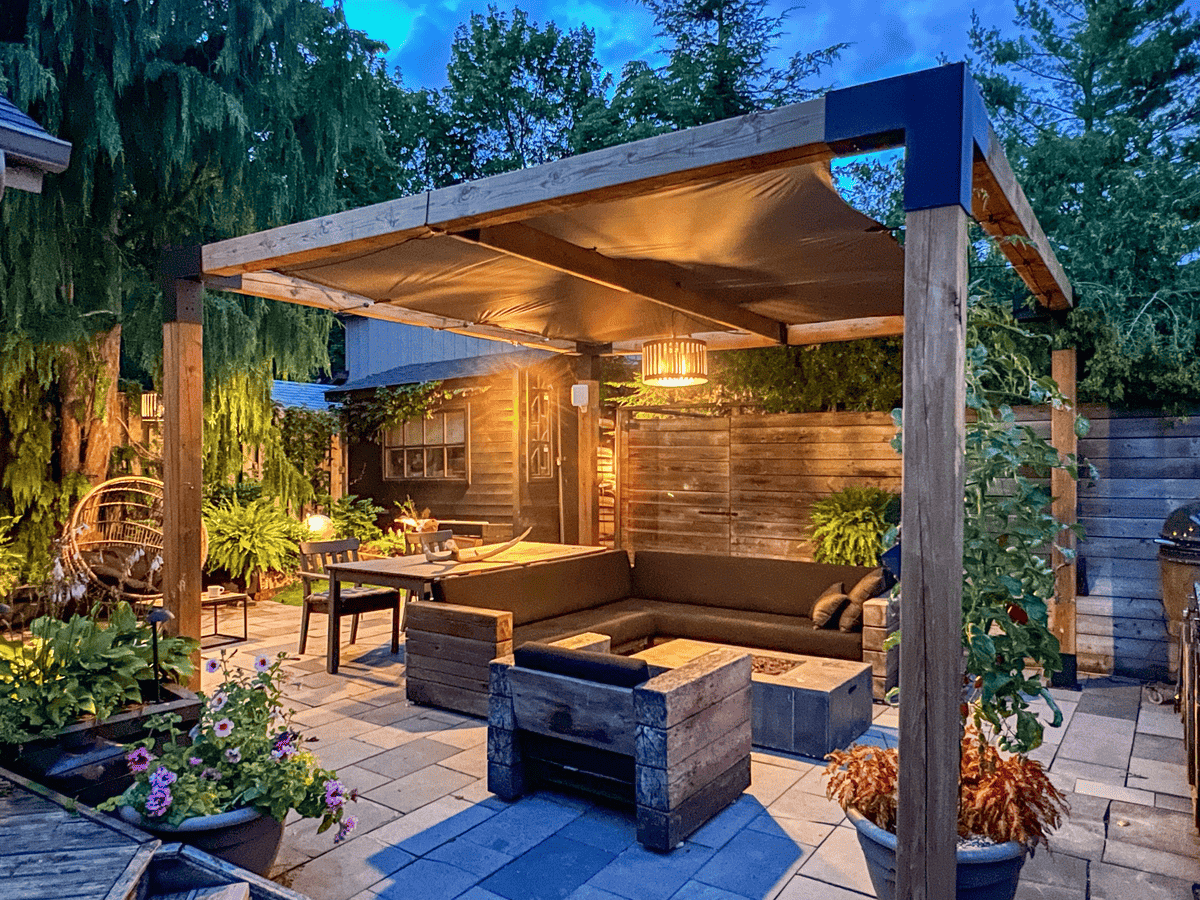
To waterproof a pergola without a roof, you can implement various methods and materials aimed at preventing water ingress, ensuring that the space beneath remains dry and usable during rainy weather. Here are detailed strategies and options to consider.
Use a Waterproof Canopy
A waterproof canopy can be an effective solution for waterproofing your pergola. These canopies can be stretched over your pergola structure to provide a protective barrier against rain.
- Choose the right material: Look for a UV-resistant and durable fabric to withstand weather conditions.
- Ensure a proper fit: Measure your pergola accurately to avoid gaps where water can enter.
- Install with tension: Use a tensioning system to keep the canopy taut, allowing water to run off easily.
Install a Shade Sail
A shade sail can be another practical option. These are essentially large pieces of fabric that provide coverage and can be made waterproof.
- Select high-quality materials: Opt for polyester or PVC fabrics that have waterproof properties.
- Installation angle: Hang the sail at an angle to facilitate water runoff, preventing pooling.
- Secure attachment points: Use sturdy clips and cables to ensure your shade sail remains securely in place during storms.
Waterproofing Sealants
Applying waterproofing sealants to the wooden beams and posts of your pergola can help protect against moisture absorption.
See also:
- Clean the surface: Ensure the wood is free of dirt and debris to allow for proper sealant adhesion.
- Choose the right sealant: Look for products designed for outdoor use, typically made from silicone or polyurethane.
- Apply multiple coats: Follow the manufacturer's instructions, often requiring several coats for maximum protection.
Utilize a Retractable Awning
A retractable awning offers flexibility for waterproofing your pergola, allowing for coverage when needed and the option to retract when you want open air.
- Custom fit: Choose an awning that fits your pergola dimensions accurately.
- Motorized options: Consider motorized awnings for ease of use and quick deployment.
- Material choice: Look for fabrics that are both waterproof and resistant to fading and tearing.
Construct a Watershed
Creating a watershed around the base of your pergola can help divert water away, preventing it from pooling around the structure.
- Evaluate drainage patterns: Identify how water naturally flows in your yard.
- Dig a trench: Create a shallow trench around the pergola to direct water away.
- Fill with gravel: Use gravel or decorative stones in the trench for improved drainage and aesthetic appeal.
How to stop rain from coming through a pergola?

To effectively stop rain from coming through a pergola, several methods can be employed. The approach you take will depend on the design of your pergola and your aesthetic preferences. Below are several strategies to ensure that your outdoor space remains dry during rain showers.
1. Install a Waterproof Canopy
One of the most effective ways to prevent rain from entering a pergola is by installing a waterproof canopy. This can either be a retractable or a fixed canopy. Here’s how:
- Choose the right material: Look for fabrics that are specifically designed to be waterproof.
- Measure your pergola: Ensure that the dimensions of the canopy are suitable for your pergola’s specifications.
- Installation: Use a sturdy frame or attach the canopy to the existing structure without compromising its integrity.
2. Add a Metal Roof
If you want a more permanent solution, consider adding a metal roof to your pergola. This option will provide excellent protection against the rain. Follow these steps:
- Select roofing material: Choose materials like aluminum or galvanized steel for durability.
- Design slopes: Install the roof with a slight slope to allow water drainage.
- Secure it well: Use appropriate fasteners to ensure that the roof is securely attached and does not leak.
3. Utilize Clear Plastic Panels
For a more modern look, clear plastic panels can be a great addition to a pergola. These panels will allow light to filter through while keeping rain out. Here are some points to consider:
- Material choice: Opt for UV-resistant polycarbonate sheets for long-lasting protection.
- Measure and cut: Make sure that the panels fit perfectly within the structure of the pergola to prevent gaps.
- Installation: Install the panels securely to ensure they can withstand strong winds and heavy rain.
4. Implement Guttering Systems
To manage rainwater efficiently, you can install a guttering system around your pergola. This method helps divert water away from the structure. To do this, follow these steps:
- Plan the layout: Determine where the water will flow and set up gutters accordingly.
- Choose gutter materials: Select materials that are corrosion-resistant, such as vinyl or aluminum.
- Connection to downspouts: Ensure the gutters connect to downspouts that guide the water away from the pergola’s base.
5. Add a Tarp or Shade Cloth
As a temporary fix, a tarp or shade cloth can effectively block rain. This is particularly useful for seasonal changes. Here's how you can use this method:
- Select a durable tarp: Choose a strong, waterproof tarp that can withstand the elements.
- Secure it properly: Use ropes or bungee cords to tie the tarp securely to the pergola structure.
- Consider aesthetics: Choose a color or design that complements your outdoor space.
Questions from Our Readers
What are some effective ways to prevent water from pooling on a pergola?
To prevent water from pooling on a pergola, consider installing a slope in the roof structure, allowing water to drain off effectively. You can also use gutter systems to channel water away, or add a pergola cover like fabric or polycarbonate that encourages water runoff.
Can I use a special material to keep water from pooling?
Yes, using water-resistant materials such as treated wood, metal, or synthetic coverings can help in preventing water accumulation. Additionally, consider using tiles or shingles that are designed to facilitate drainage, ensuring that water flows freely off the structure.
Is it necessary to regularly maintain a pergola to prevent water pooling?
Absolutely, regular maintenance is crucial in preventing water pooling on a pergola. This includes checking for any blockages in gutters, clearing debris from the roof, and ensuring that the structure remains properly sealed and intact to avoid leaks and water accumulation.
How does the pergola's design affect water pooling?
The design of a pergola significantly impacts water pooling; a steeper pitch or angled slats can help direct water away more effectively than flat designs. Choosing a pergola with an open lattice allows for better airflow and helps in drying out any moisture faster, minimizing the risk of pooling.
See also:

If you want to read more articles like Ultimate Guide: How to Keep Water from Pooling on a Pergola Without Compromising Aesthetics, we recommend you check out our Pergola category.
Leave a Reply
Related Articles