Understanding Why Are the Leaves on My Orchid Plant Turning Yellow: Causes and Solutions
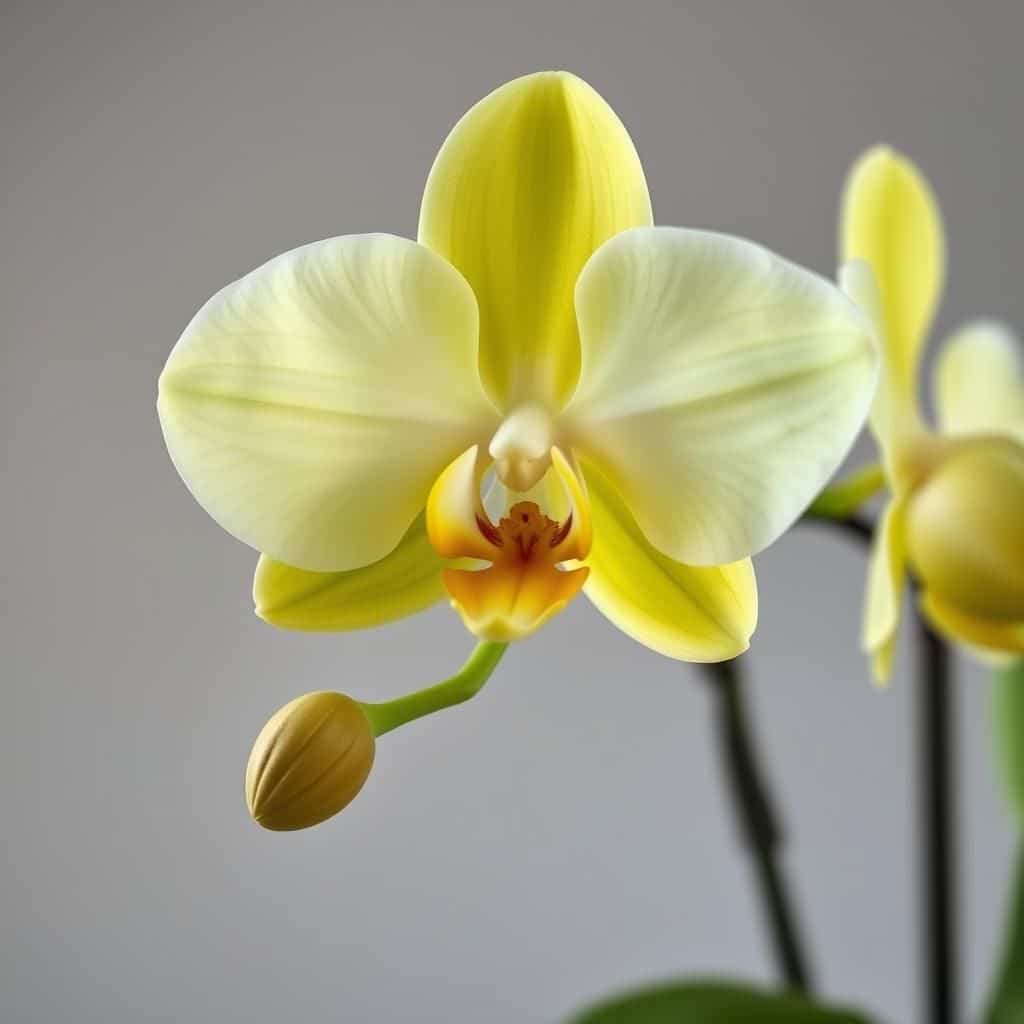
Orchids are celebrated for their stunning blooms and unique foliage, but yellowing leaves can be a concerning issue for plant enthusiasts. Understanding the reasons behind this discoloration is crucial for maintaining the health of your orchid. From overwatering and inadequate light to pest infestations and nutrient deficiencies, several factors can contribute to yellow leaves. In this article, we will explore the common causes of yellowing leaves in orchids and provide practical solutions to restore your plant's vibrancy. With the right care and attention, you can ensure your orchid continues to thrive and showcase its beautiful foliage.
Why Are the Leaves on My Orchid Plant Turning Yellow?
Orchids are beautiful and exotic plants that can thrive in a variety of conditions, but when their leaves start turning yellow, it can be a sign of underlying issues. This discoloration can be attributed to several factors, including improper watering practices, insufficient light, nutrient deficiencies, or pest infestations. Overwatering is one of the most common reasons for yellowing leaves, as it can lead to root rot and hinder the plant's ability to absorb water and nutrients. Additionally, orchids require specific light conditions; too much direct sunlight can scorch the leaves, while too little can cause them to become weak and yellow. It’s crucial to assess the growing conditions and care practices to determine the best course of action to restore the plant's health.
Overwatering and Root Rot
Overwatering is a frequent cause of yellowing leaves in orchids. When the roots are constantly submerged in moisture, they can begin to decay, leading to poor nutrient uptake. Symptoms of root rot include mushy, brown roots, and the leaves may begin to turn yellow as the plant struggles to survive. It's essential to allow the potting medium to dry slightly between waterings and ensure that the pot has adequate drainage to prevent standing water.
Insufficient Light Exposure
Orchids require a balanced amount of light for optimal health. Insufficient light can lead to yellow leaves, especially if the plant is trying to grow but lacks the energy to do so. Insufficient photosynthesis can result in weak, spindly growth and yellowing of leaves. Orchids typically thrive in bright, indirect light, and placing them near a window where they can receive filtered light is often ideal.
Nutrient Deficiencies
Nutrient deficiencies can also contribute to the yellowing of orchid leaves. If the plant is not receiving adequate amounts of essential nutrients like nitrogen, phosphorus, or potassium, it may display signs of stress through leaf discoloration. Using a well-balanced orchid fertilizer, following the recommended feeding schedule, can help meet the plant's nutrient needs, ensuring vibrant foliage and healthy blooms.
Pest Infestations
Pests such as aphids, mealybugs, or scale can also cause yellow leaves in orchids. These pests feed on the sap, depriving the plant of essential nutrients and water. They can also introduce toxins that further stress the plant. Regularly inspecting the leaves for pests and employing appropriate pest control measures, such as insecticidal soap or neem oil, can help mitigate these issues and promote healthier growth.
Environmental Stress
Environmental stressors such as sudden temperature changes or drafts can lead to yellowing leaves in orchids. These plants prefer stable conditions and can react negatively to extreme fluctuations in temperature or humidity. To create a suitable environment for your orchid, it’s important to keep it away from direct drafts, air conditioning vents, and heating sources, ensuring that the temperature remains consistent.
| Cause | Symptoms | Solution |
|---|---|---|
| Overwatering | Yellow leaves, mushy roots | Allow soil to dry, improve drainage |
| Insufficient Light | Weak growth, yellow leaves | Provide bright, indirect light |
| Nutrient Deficiency | Yellowing leaves | Apply balanced orchid fertilizer |
| Pest Infestation | Yellow leaves with visible pests | Use insecticidal soap or neem oil |
| Environmental Stress | Yellow leaves due to temperature changes | Avoid drafts, maintain stable temperatures |
How do I treat yellow leaves on my orchid?
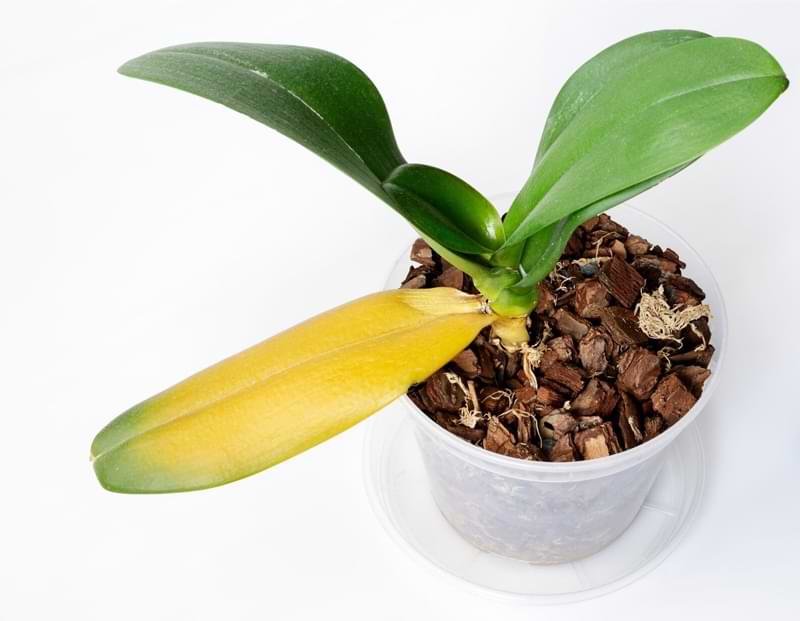
To treat yellow leaves on your orchid, it's essential to first identify the underlying cause of this issue, as yellowing can result from various factors. Here are some key steps and considerations to address the problem effectively.
Understanding the Causes of Yellow Leaves
It's crucial to recognize the reasons behind the yellowing of orchid leaves to implement the right treatment. Common causes include:
See also:
- Overwatering: Excess moisture can lead to root rot, causing the leaves to turn yellow.
- Underwatering: Insufficient water can stress the plant, resulting in yellow leaves.
- Light Conditions: Too much or too little light can affect leaf health, leading to discoloration.
Check Watering Practices
Evaluate your watering habits as they play a significant role in the health of your orchid. Improper watering can lead to yellow leaves due to either over or underwatering.
- Overwatering: Make sure the potting media drains well and allows excess water to escape.
- Underwatering: Ensure you water your orchid when the top inch of the potting medium feels dry.
- Water Quality: Use distilled or rainwater instead of tap water, which may contain chemicals that can harm the plant.
Evaluate Light Exposure
Light is a critical factor for orchids. Inadequate or excessive light can lead to yellow leaves.
- Ideal Light Conditions: Orchids typically prefer bright, indirect sunlight; examine their location.
- Signs of Too Much Light: If leaves become spotted or burn, this might indicate too much direct sunlight.
- Signs of Too Little Light: If leaves turn yellow and the plant appears leggy, it may need more light.
Inspect for Pests and Diseases
Sometimes, yellow leaves can be a sign of pest infestations or diseases that affect the overall health of the orchid.
- Pest Inspection: Look for common pests like aphids, mealybugs, or spider mites that may be feeding on the plant.
- Diseases: Fungal or bacterial infections can also cause yellowing; check for signs of wilting or unpleasant odors.
- Treatment: If pests or diseases are present, treat the plant with the appropriate insecticide or fungicide.
Fertilization Practices
Proper fertilization is vital for the health of your orchid. An imbalance in nutrients can lead to yellow leaves.
- Nutrient Requirements: Orchids typically require a balanced fertilizer enriched with nitrogen, phosphorus, and potassium.
- Frequency: Fertilize regularly during the growing season, typically every 2-4 weeks, but lessen frequency in the dormant season.
- Over-fertilization Risks: Be cautious of excessive fertilization, as this can lead to salt buildup, harming the roots.
What do overwatered orchids look like?

Overwatered orchids exhibit several distinctive signs that indicate they are receiving more water than they need. These symptoms often stem from root problems, leading to overall plant health issues. Here are some of the common characteristics of overwatered orchids:
1. Yellowing Leaves: One of the most noticeable signs of an overwatered orchid is the yellowing of leaves. This occurs when roots are unable to absorb moisture effectively due to root rot or hypoxia.
Signs of Yellowing Leaves
When the leaves begin to turn yellow, it can be indicative of overwatering. Here's what you might observe:
- Leaves Turning Yellow: The foliage will start to change color, often becoming a pale yellow.
- Soft or Mushy Texture: The leaves may feel soft or begin to rot, especially at the tips.
- Drop in Leaf Turgor: The leaves may lose their firm structure and droop.
2. Wilting: Paradoxically, overwatered orchids can also show signs of wilting. This is due to roots that are unable to uptake water properly.
Understanding Wilting in Overwatered Orchids
Wilting occurs despite the excessive water present in the medium. Here’s how this manifests:
See also:
- Drooping Leaves: Leaves may droop or hang, despite being saturated with moisture.
- Separation from the Plant Base: Leaves might start to separate from the plant base, indicating stress.
- Failure to Revive After Watering: Even after additional water, the plant does not perk up.
3. Root Problems: The roots of overwatered orchids show significant changes, leading to their ultimate decline.
Indicators of Root Problems
Healthy roots are crucial for orchids. Overwatering leads to specific root issues:
- Blackened or Brown Roots: Roots take on a dark, mushy appearance, signaling rot.
- Root Decay Smell: A foul smell may emanate from the pot, indicating decay.
- Soft and Mushy Feel: Healthy roots are firm, while overwatered ones feel limp.
4. Fungal Growth: Fungi thrive in overly moist environments, and this can lead to visible signs on the plant.
Detecting Fungal Growth in Overwatered Orchids
Fungi appear in various forms and can damage your plant's health:
- Mold on the Surface: White or gray mold may appear on the potting media.
- Black Spots on Leaves: Fungal infections can lead to black spots forming on the foliage.
- Unusual Odors: The presence of fungal growth often comes with a musty smell.
5. Poor Flowering: An overwatered orchid may fail to produce flowers or may drop buds prematurely.
Effects of Overwatering on Flowering
The flowering process is heavily impacted by root health. Overwatering can lead to:
- Reduced Flower Production: The plant may fail to produce blooms altogether.
- Premature Bud Drop: Flower buds might fall off before they fully develop.
- Stunted Growth: The plant’s growth may be significantly stunted, affecting future flowering.
Questions from Our Readers
Why are the leaves on my orchid plant turning yellow?
The yellowing of orchid leaves can be attributed to several factors, including overwatering, underwatering, or nutrient deficiencies. It's essential to assess your orchid's watering schedule and ensure that the potting medium is not retaining too much moisture, as this can lead to root rot. Adjusting both watering practices and fertilization can help restore the plant's health.
Can direct sunlight cause yellow leaves on orchids?
Yes, excessive direct sunlight can indeed lead to yellow leaves on orchids. Most orchids prefer filtered light rather than direct sun, which can scorch the leaves and result in discoloration. If you suspect too much light, consider moving your orchid to a location with indirect sunlight.
Is yellowing a sign of disease in orchids?
Yellowing leaves may indicate disease presence, such as fungal or bacterial infections. If the yellowing is accompanied by spots, wilting, or a foul smell, you should inspect your orchid for signs of disease and treat it promptly. Isolation of the affected plant can prevent the spread of infections to other plants.
How can I prevent my orchid leaves from turning yellow?
To prevent yellowing leaves, maintain a proper balance of watering, light, and nutrients. Ensure that you are using a well-draining potting medium and only water when the medium is dry. Additionally, applying a balanced orchid fertilizer throughout the growing season can promote healthy foliage and prevent yellowing.
See also:

If you want to read more articles like Understanding Why Are the Leaves on My Orchid Plant Turning Yellow: Causes and Solutions, we recommend you check out our Pots category.
Leave a Reply
Related Articles